
Source: Tencent Technology
At the 2026 Meta Connect conference, the metaverse has taken a back seat, with personal superintelligence emerging as the star of the show.
On September 23, U.S. local time, Meta held its annual Connect developer conference in Menlo Park, California. "We believe that the highest mission of superintelligence is to create and invent," CEO Zuckerberg said at the opening.

 Zuckerberg also described Muse as the "core" of Meta's future AI vision, with Reality Labs shifting its focus to building personal superintelligent devices.
Another major highlight is the smart glasses: Meta has now delineated its product lines more clearly. The $349 Ray‑Ban Meta Audio, which lacks a camera, focuses on music playback, calls, and voice interaction, offering up to 12 hours of battery life and aiming to encourage all‑day wear. Meanwhile, the third‑generation Ray‑Ban Meta, starting at $449, retains the camera while upgrading its photo‑capture capabilities, noise cancellation, and battery life. The existing Ray‑Ban Display smart glasses with a built‑in screen have added features like navigation and expanded their market reach.
Meta is also expanding its range of frames and co-branded models, with plans to offer more than 100 eyewear options by year's end.
The more premium Meta VR Glasses represent another product line: it integrates computing and the battery into an external device, reducing the glasses' weight to approximately 100 grams, and is designed for movie watching, immersive event viewing, and multi‑screen productivity. Priced at $1,299.99, it is slated for release in spring 2027.
In the future, Muse will integrate with these AI glasses, enabling users to assign tasks via voice and by simply looking at what's in front of them.
This is the story every consumer‑hardware company in our era wants to tell: a powerful, intelligent entity of its own that can seamlessly integrate into smartphones and computers—and extend to every wearable device.
For Meta, smart glasses are the key device that enables Muse to continuously sense the user's context and provide assistance when needed, while also giving it the opportunity to establish its own computing interface. The challenges lie in whether users will be willing to wear them for extended periods, whether they will trust them to process what they see and their personal data, and whether Muse can deliver sufficiently useful services to make these glasses a daily‑use staple.

01. Personal Superintelligence Muse
Just weeks after its launch, Zuckerberg has already set a very high bar: in the coming years, Muse will evolve into a personal superintelligence, helping billions of people worldwide achieve their goals and improve their lives.
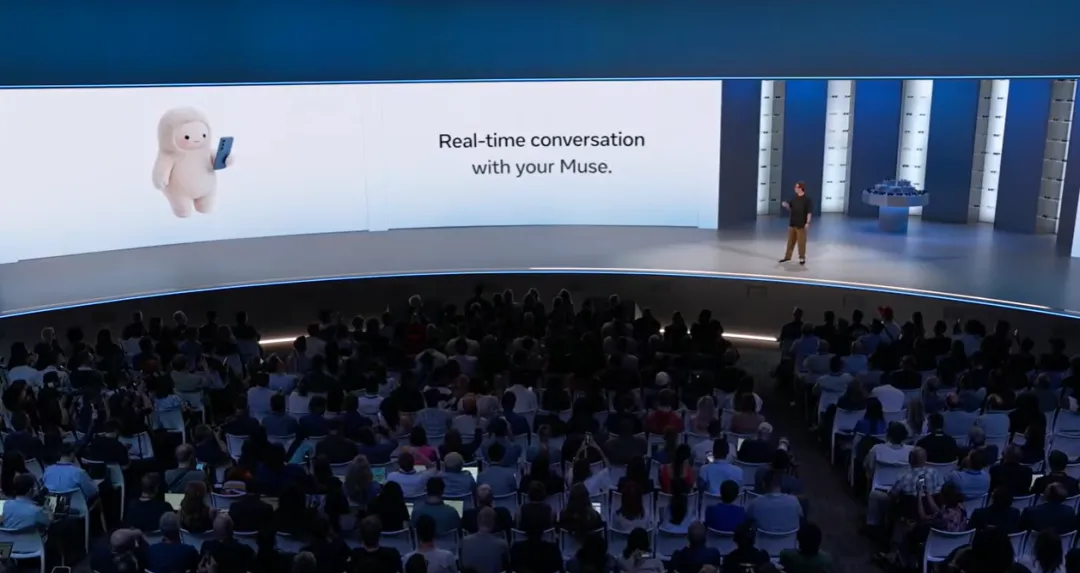
Currently, Muse has already served millions of users and has just entered the Canadian market, with plans to expand into additional countries in the future.
From a technical architecture perspective, each Muse instance operates within its own isolated secure computing environment, which Meta refers to as the Muse Secure Virtual Machine. The underlying model is Muse Spark, specifically designed for training personalized intelligent agents.
Compared with traditional chatbots, Muse places a strong emphasis on continuously executing tasks. Users can set goals, and Muse proactively delivers information and generates personalized content streams, while also supporting role and personality customization; the default character is named Jolly.
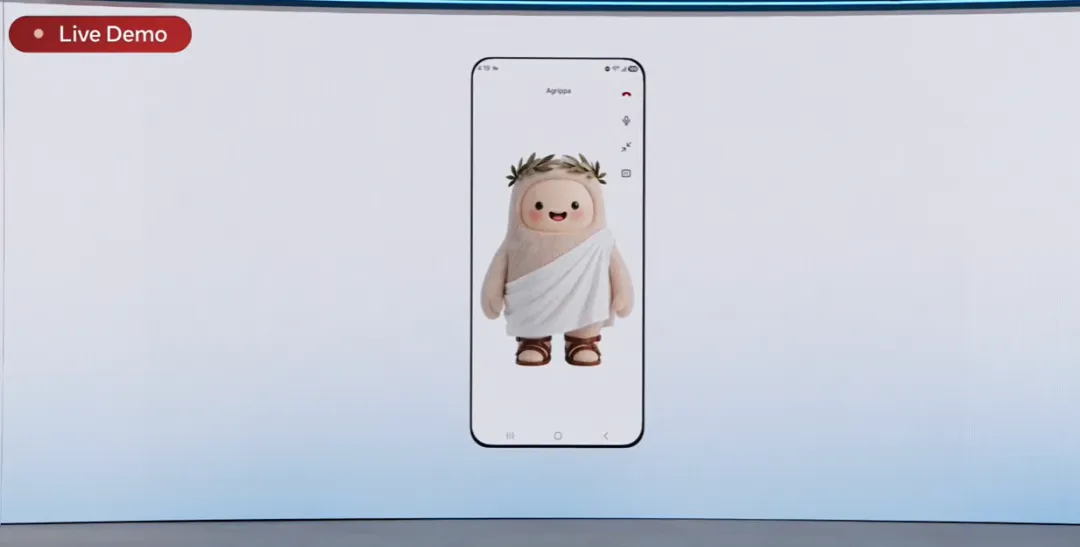
The business model also differs. Rather than charging users hefty token fees outright, Meta envisions offering a certain threshold of free usage, with Muse generating value by helping users save money, earn income, and complete transactions, while collecting small fees on those transactions.
It's a familiar internet‑advertising approach, but whether this model can succeed hinges on Muse's ability to genuinely integrate into users' everyday decision‑making and transactions—and on how large its active user base ultimately grows. So far, Meta has shared use cases spanning shopping, travel, bill management, insurance, and more. For instance, Muse has helped users locate exact replacements for shattered porcelain, while others have used it to negotiate with cable providers, securing $85 off their monthly bills.
In his speech, Zuckerberg worked hard to convince the audience that Meta had experienced a phase in which its products entered a period of rapid growth, and Muse is currently in that phase.
At this year's Connect conference, Muse unveiled several new key capabilities.
First, there's the Mac‑side computing capability. With user authorization, Muse can launch and operate apps on the Mac, enabling users to manage small businesses, handle work tasks, and more. Even when the user steps away from the computer, it can continue executing previously scheduled tasks. The Muse for Mac was released last week, along with a new dictation feature.
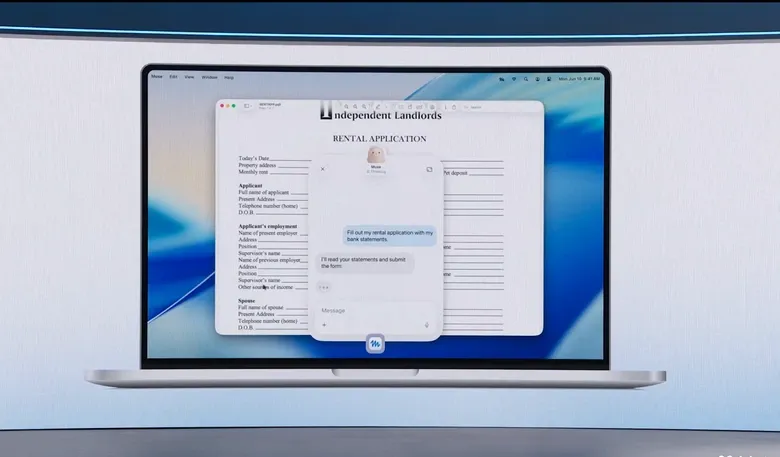
The email feature is also under development. Users can add Muse to an email thread or forward emails to Muse, which will handle them on their behalf.
Connectors are a crucial foundation for Muse's extensibility. Previously, Muse had already integrated with services such as Spotify, OpenTable, Plaid, and Ticketmaster. This time, it has added retailers including Walmart, Best Buy, Gap, Sephora, and Wayfair, travel services like Expedia, and grocery delivery platforms such as Instacart.
In the workplace, new connectors include Box, GitHub, Granola, and Notion. Meta has also partnered with Stripe and Shopify; Muse can access the Shopify product catalog and complete online shopping via Link and Shop Pay, while PayPal payment support is steadily expanding.
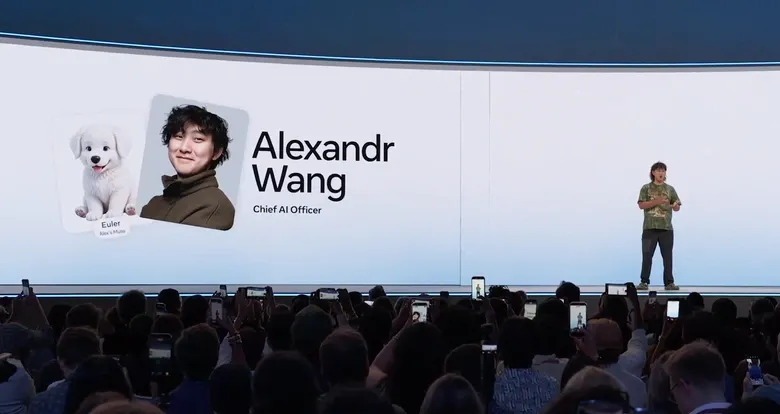
More importantly, Meta has begun opening up its Muse Connector platform. In his keynote, Meta's Chief AI Officer Alexandr Wang described it as an opportunity emerging as the new platform takes shape. The company also announced that Meta's Superintelligence Lab (MSL) is building, from the ground up, models for personal agents, with a focus on optimizing capabilities such as preference‑based memory, personalized decision‑making, long‑term continuity, tool selection, and cross‑application operations.
Meta also revealed that it will soon release its most powerful model to date, using it to enhance the capabilities of its entire model family.
02. A vast eyewear product lineup
At this year's Connect event, Meta virtually overhauled its smart glasses product lineup.
Zuckerberg believes that about 2 billion people worldwide wear glasses, and in the future, a significant portion of them will upgrade to AI glasses. Compared with smartphones, glasses can continuously capture what users see and hear, and serve as an entry point for Muse to connect with the real world.
Meta is first introducing a new category of audio glasses. Without cameras, these devices can adopt a more conventional eyewear design, while further reducing weight and thickness and delivering all-day battery life. Under this category, Meta has launched the thinnest Ray‑Ban Meta to date, and has also added the iconic Ray‑Ban Clubmaster style.
The third-generation Ray-Ban Meta further narrows the frame and temples, adds adjustable temple tips, and features upgraded battery life and enhanced shooting capabilities. It now boasts six microphones and supports Dolby Atmos spatial audio recording.
Meta-branded glasses have expanded from dozens of combinations in June this year to 51, with a starting price of $249, and now feature new designs such as Adventurer, Capri, and Nova.
Co-branded products are also on the rise. Following its earlier launch of a Kylie‑branded line, Meta has now unveiled a collaboration with Lisa. The collection features Lisa's signature star motif at the ends of the temple arms, and each pair of glasses comes with a pendant inspired by her pet and a custom‑designed case. Additionally, the app will offer Lisa World‑themed designs and a virtual try‑on feature.

Ray‑Ban Display glasses are also expanding their sales. These are among Meta's first glasses equipped with a full‑color, high‑resolution display and the company's first product to pair with the Meta Neural Wristband. After being out of stock for an extended period following their launch, they will now be back in supply, sold through Meta.com, and available in international markets.
By the end of this year, Meta expects to offer more than 100 eyewear styles, spanning multiple product lines including audio glasses, smart displays, and brands like Ray‑Ban and Oakley.
Hearing enhancement is also a key feature of this update. Meta Quest glasses will offer hearing‑enhancement capabilities and are slated to be approved by the FDA as over-the-counter hearing aids, designed to address mild to moderate hearing loss. Users can complete a hearing assessment through the app and then fine-tune the amplification settings. According to Meta, roughly one in six adults in the United States experiences some degree of hearing loss, yet factors such as the cost and bulkiness of traditional hearing aids have deterred some users from adopting them.
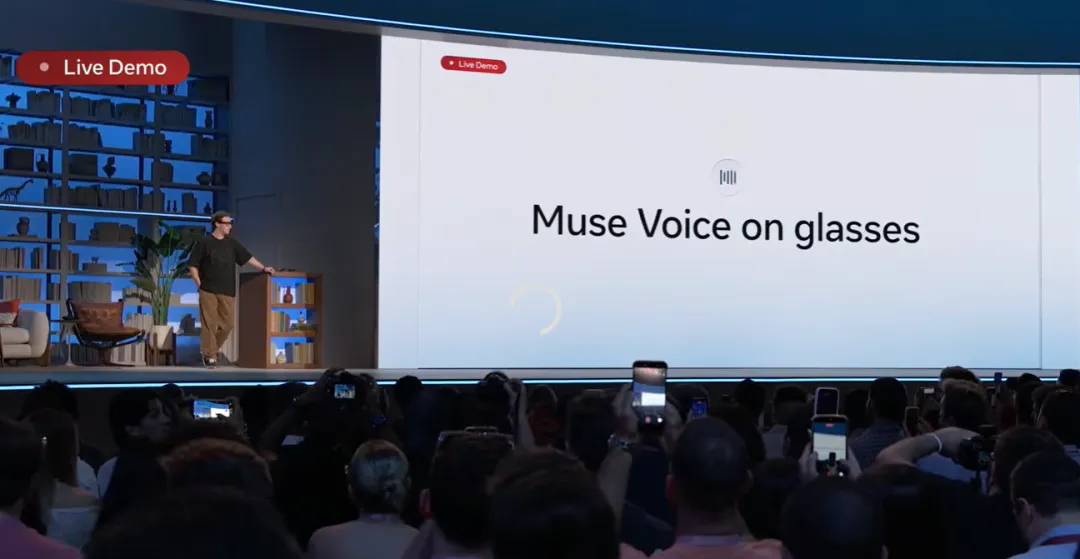
The AI experience will also be enhanced. In the coming weeks, users will be able to directly summon Muse, which will maintain the full conversational context and continue executing tasks in the background, while also supporting customizable voice, speaking speed, and accent.
03. 100 grams, $1,299—Meta VR headset to ship this spring.
The most significant piece of hardware unveiled at this year's Connect event is Meta's VR headset.
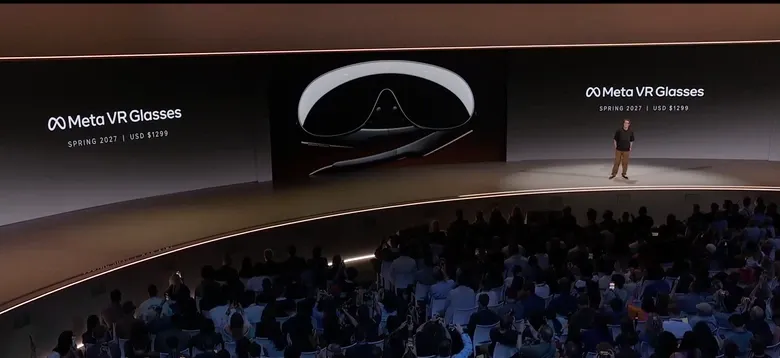
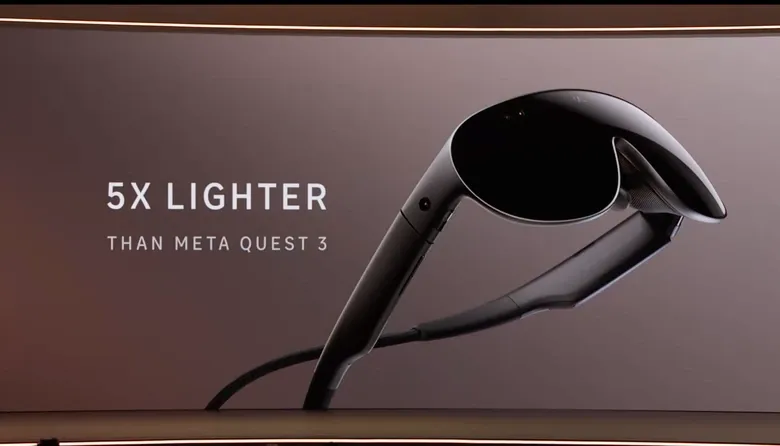
Zuckerberg stated that Reality Labs is currently focusing more on Muse and AI glasses, and that new products in the traditional VR space will only be launched when there are significant breakthroughs. This device represents one such breakthrough. It adopts a glasses form factor rather than a conventional headset, with a facial weight of about 100 grams—less than one-fifth that of the Quest 3. The device features a split architecture and is equipped with Meta's most advanced display system to date.
AI is another core capability of this device. For the first time, Meta has integrated AI agents directly into the operating system, enabling users to perform tasks via voice, eye tracking, and gestures, while also allowing them to transform a flat desktop into a virtual keyboard and touchpad.
The product primarily covers three use cases: home theaters, multi-monitor PCs, and gaming consoles.
In terms of audio and video, it is the first VR device to earn IMAX Enhanced certification, supporting Dolby Atmos and Dolby Vision. Platforms such as Disney, Peacock, Paramount, and HBO Max will offer new 3D or VR content, while YouTube, Prime Video, and Crunchyroll will provide 2D streaming.
In the sports arena, Meta plans to offer more than 100 immersive live events each year and, in partnership with ESPN, will begin providing a front-row, 180-degree view for select college football games starting this fall.
In terms of gaming, it launches with support for 75 gesture‑only titles, is compatible with the Quest game library, and also provides access to hundreds of Xbox Cloud Gaming titles.
In office settings, the AI assistant can directly handle tasks such as drawing updates, hardware version consolidation, material rendering, and calendar management. The device also supports connecting an external DisplayPort display via USB‑C.
Meta also unveiled features such as mixed-reality avatars and holographic calling. Holographic calling will eventually be extended to Ray‑Ban Display glasses as well.
Meta's VR headset is priced at $1,299 and is scheduled to ship next spring.
04. Meta's One More Thing
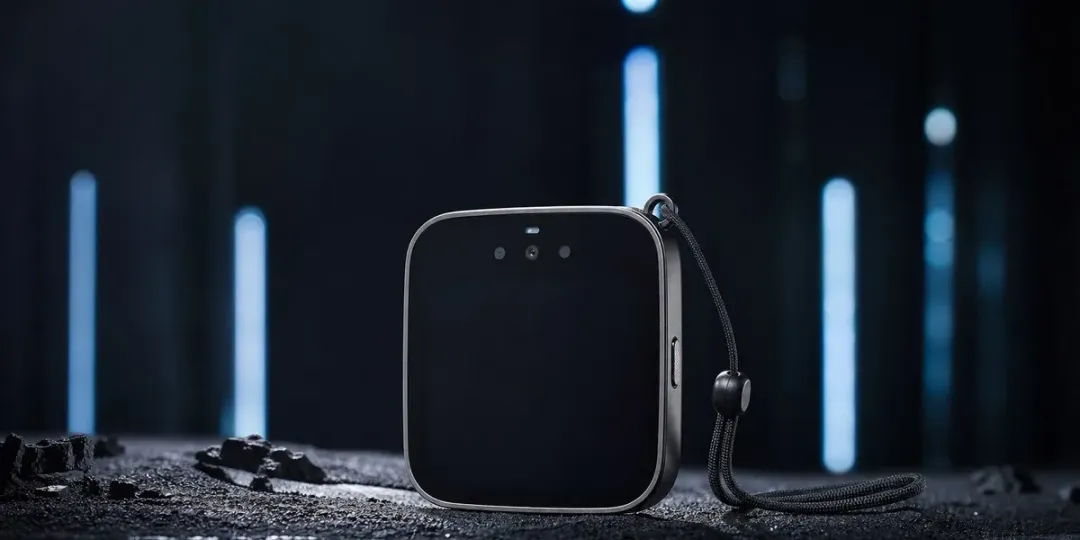
At the conclusion of the event, Meta unveiled a compact AI-powered device called Muse Charm, which can fit in a pocket or be attached to a keychain. For users who do not wear glasses, Muse Charm offers a standalone interface for accessing Muse and also helps the device perceive the user's surroundings.

Currently, Muse Charm remains at the prototype stage, with Meta still finalizing the surface materials and internal component layout, aiming to begin shipments before this year's holiday season in December. According to reports from foreign media, the project was originally slated for a 2027 launch, but Zuckerberg has urged the team to move the target up to this year's holiday season. For Meta, Charm represents a rather toy-like experiment: turning an AI agent capable of handling everyday tasks into a portable companion that you can pick up and chat with anytime.
Its roughly 2-inch OLED touchscreen houses Muse, whose appearance and voice users can customize; a simple tap on the fingerprint sensor at the corner of the device lets you converse with it directly. Charm was co-led by former Apple interface design chief Alan Dye and designer Billy Sorrentino, featuring a translucent shell that makes the circuits on the back and sides clearly visible; it also comes equipped with 5G and front-and-back cameras, enabling Muse to remain responsive even when away from Wi‑Fi and to access information right before the user's eyes.
Judging from the products unveiled at this year's Connect event, personal superintelligence has emerged as the central theme: Muse delivers AI capabilities, smart glasses serve as the primary interface, VR headsets cater to more premium computing and entertainment needs, and the Muse Charm addresses use cases when glasses are not being worn. The roadmap is largely in place—let's hope personal superintelligence doesn't turn into a second metaverse.
Editor/rice