
Market Snapshot
Ahead of Thursday's open, the three major futures were mixed; as of press time, Dow Jones Industrial Average futures were up 0.28%, Nasdaq Composite futures were down 1.17%, and S&P 500 futures were down 0.31%.
At 8:30 p.m., the U.S. will release the September PPI and month-over-month sales figures, with the following data:
In September, the PPI rose 6.3% year-on-year, the highest level since May 2026, compared with expectations of 5.3%; the previous reading was revised from 5.40% to 5.6%.
In September, the PPI rose 1.3% month-on-month, significantly exceeding the market consensus of 0.5%, while the previous reading was revised from 0.40% to 0.5%.
In September, retail sales rose 0.8% month-on-month, exceeding the market consensus of 0.30%, while the previous reading was revised down from 1.20% to 1.10%.
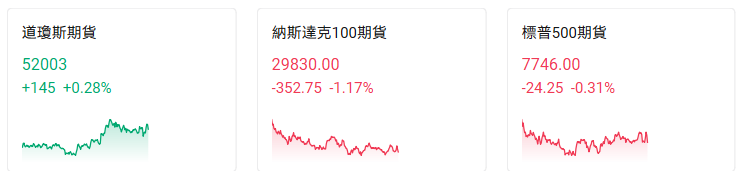
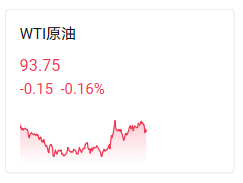
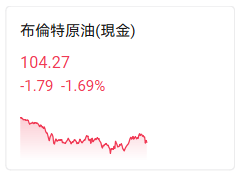
Oil-related stocks declined, with WTI crude down 0.16% and Brent crude down 1.69%.
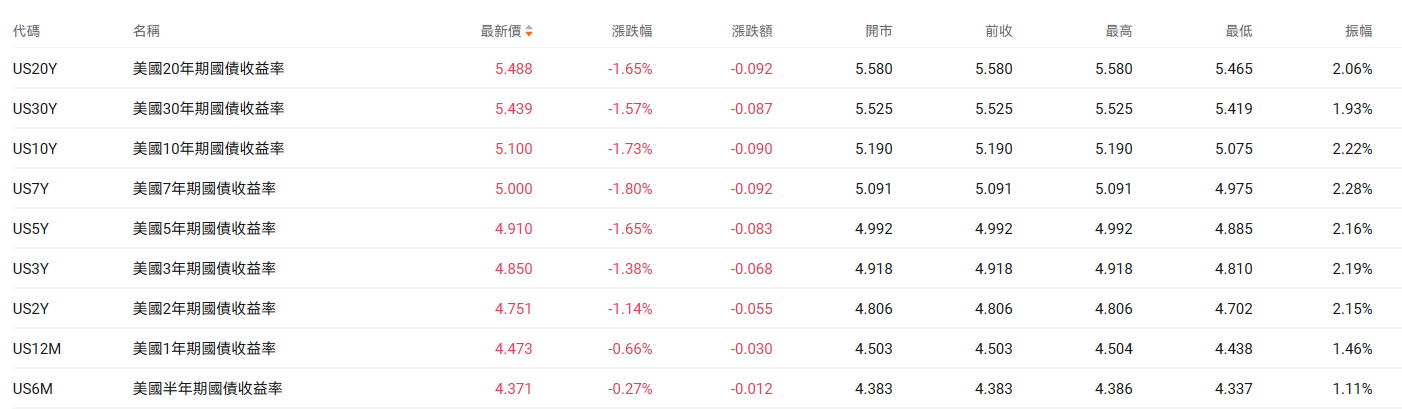
U.S. Treasury yields declined.
Cryptocurrencies are down.
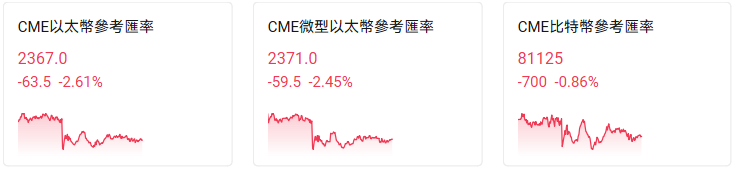
Gold and silver prices rose.
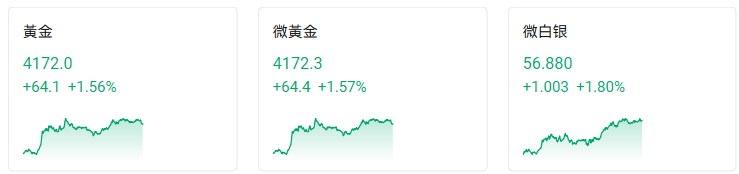
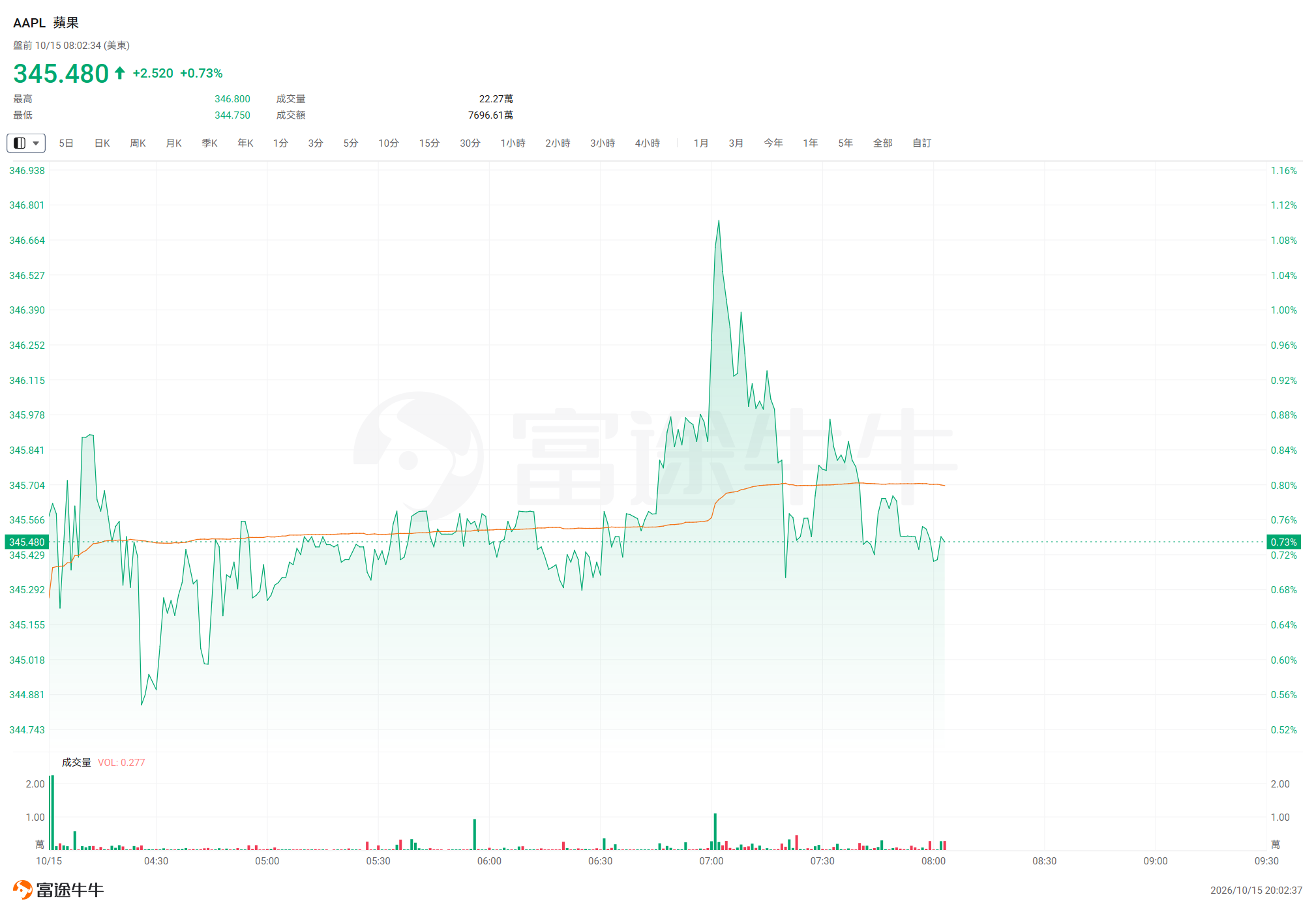
$Star Tech Companies(LIST2518.US)$Pre-market, most stocks declined: Micron Technology fell more than 4%, Intel dropped over 3%, AMD slid nearly 3%, SpaceX slipped more than 2%, Taiwan Semiconductor, Amazon, and NVIDIA each fell close to 2%, Tesla declined by over 1%, Meta dipped nearly 1%, while Apple rose nearly 1%.
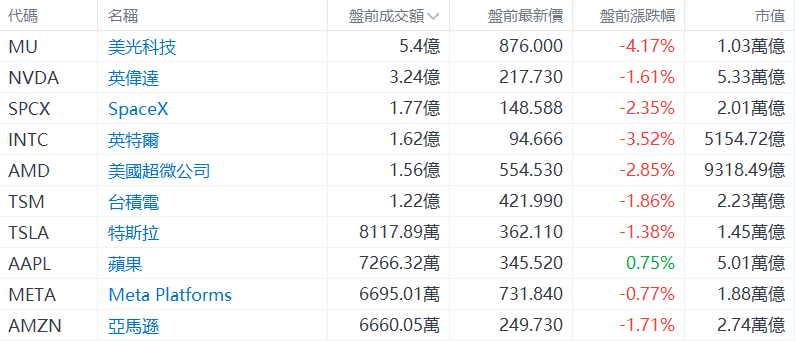
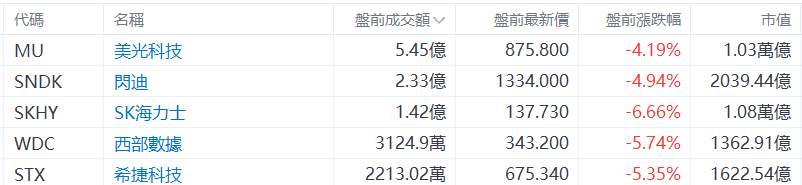
$Data storage stock(LIST23925.US)$Pre-market, stocks fell across the board: SK Hynix dropped nearly 7%, Western Digital fell nearly 6%, SanDisk declined almost 5%, Seagate Technology slid more than 5%, and Micron Technology dropped over 4%.
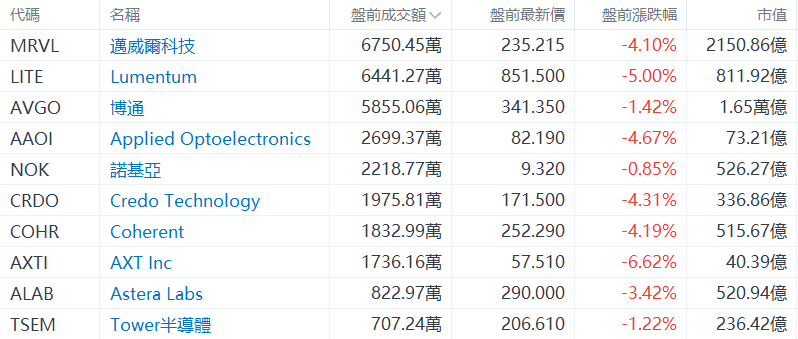
$Optical Communication(LIST23979.US)$Pre-market, stocks fell across the board, with AXT Inc down nearly 7%, Applied Optoelectronics down nearly 5%, Lumentum down 5%, Credo, Coherent, and Marvell Technology each down more than 4%, and Astera Labs down more than 3%.
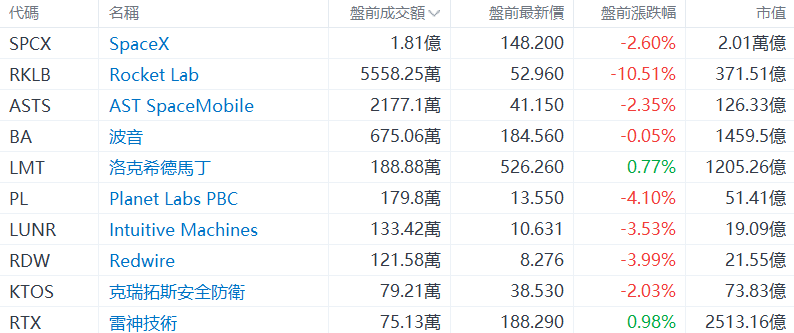
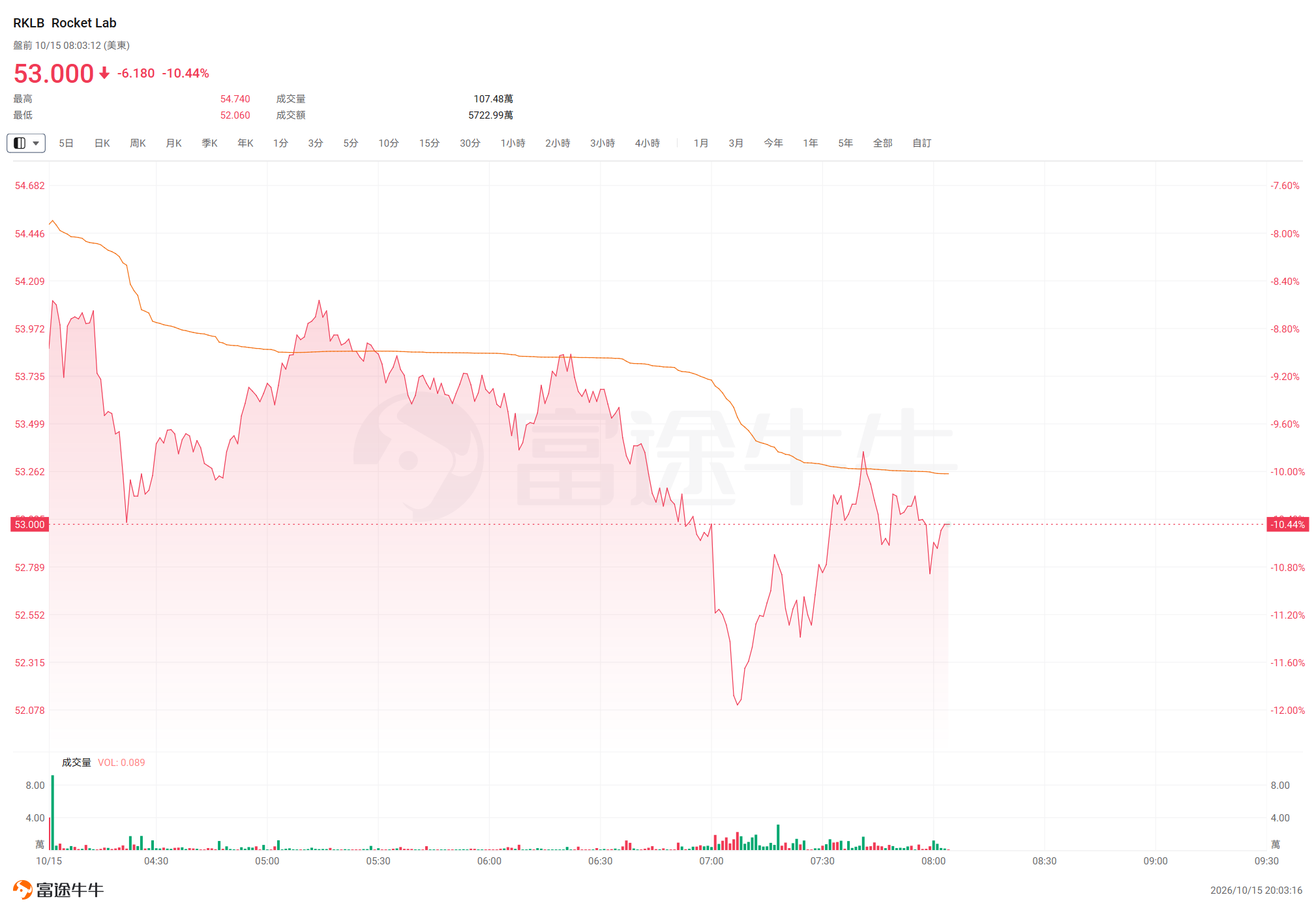
$Space(LIST2556.US)$Pre-market stocks broadly declined, with Rocket Lab down more than 10% in pre-market trading, Planet Labs PBC down over 4%, AST SpaceMobile and SpaceX each down more than 2%, while Lockheed Martin and RTX Corp rose nearly 1%.
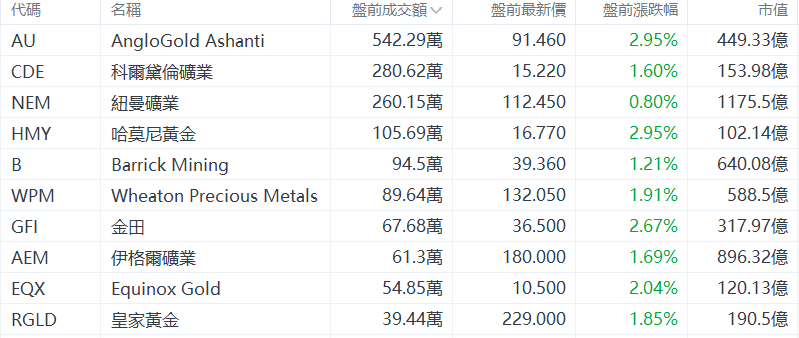
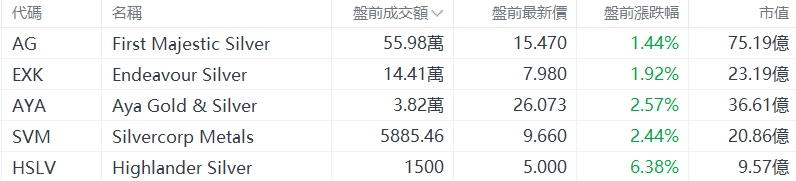
$Gold(LIST2110.US)$、$Silver(LIST2093.US)$Stocks staged a pre-market rally, with Jintian, Harmony Gold, and AngloGold Ashanti each rising nearly 3%, Endeavour Silver up nearly 2%, and First Majestic Silver gaining more than 1%.
Individual Stock News
Cook: Apple will integrate its smart technology with Alibaba's Qwen large model and release a beta version in China by the end of October.
October 15,$Apple(AAPL.US)$Tim Cook, Executive Chairman of the Board, visited Shanghai and granted a media interview. When asked about Apple Intelligence, Cook stated that Apple Intelligence and the related Alibaba Qwen large model have indeed been approved and will release a beta version in late October, featuring an initial set of Apple Intelligence capabilities such as real-time translation, writing tools, and photo‑removal tools; however, Siri AI is not included this time. "But we're very pleased that the first batch of core Apple Intelligence features can gradually be rolled out," Cook said.
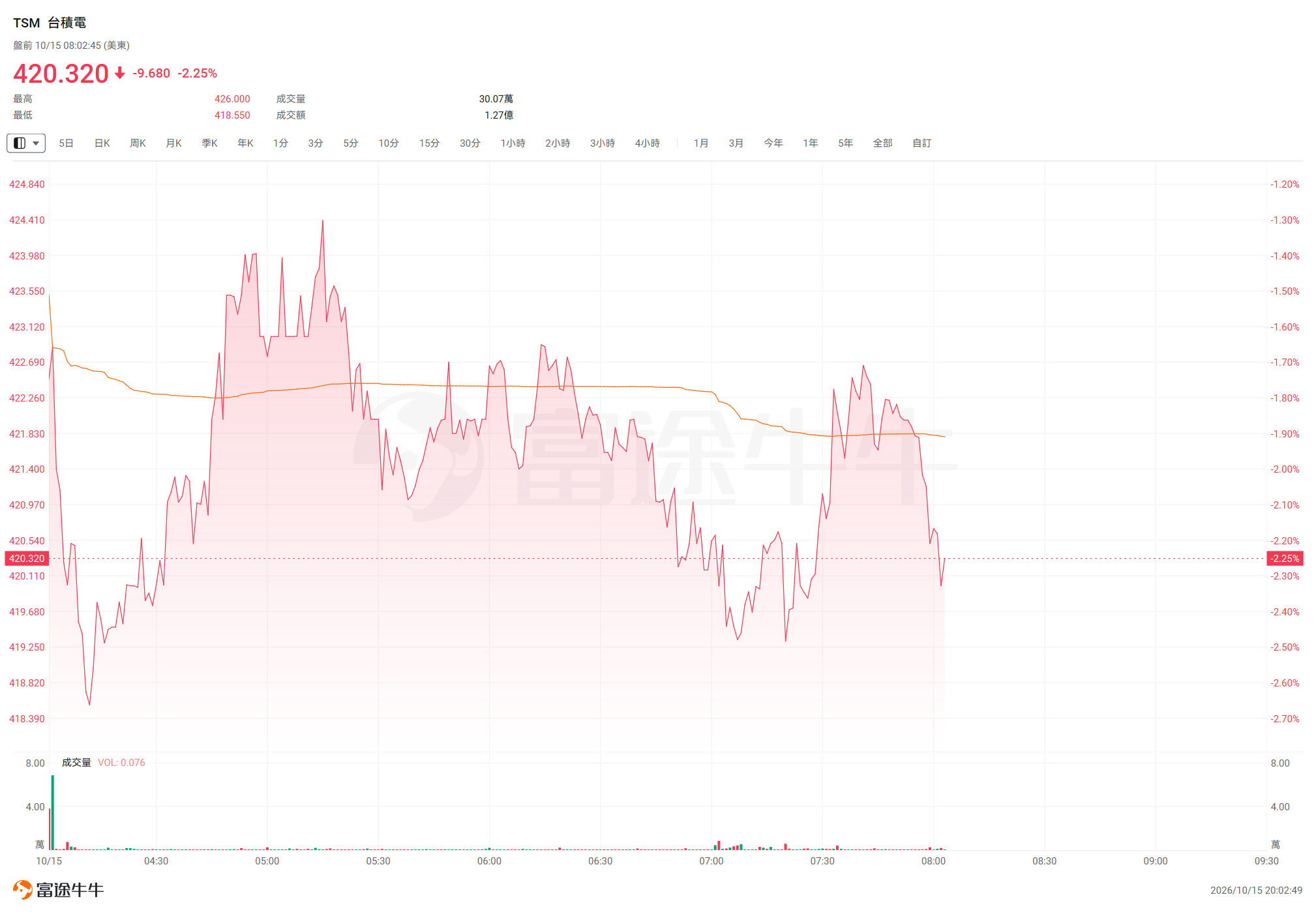
Taiwan Semiconductor fell more than 2% in pre-market trading, with Q3 net profit beating expectations but gross margin falling short of forecasts.
$Taiwan Semiconductor(TSM.US)$The latest financial results show that in Q3 2026, revenue reached NT$1.494 trillion, up 50.9% year over year—exceeding market expectations. Net profit stood at NT$763.1 billion, hitting a record high and surging 68.7% from the same period last year, also surpassing the market's forecast of NT$746.3 billion. Gross margin was 66.4%, down 1.3 percentage points quarter over quarter and below the market's estimate of 66.5%, primarily due to the initial ramp-up of 2-nanometer process production, which weighed on margins.
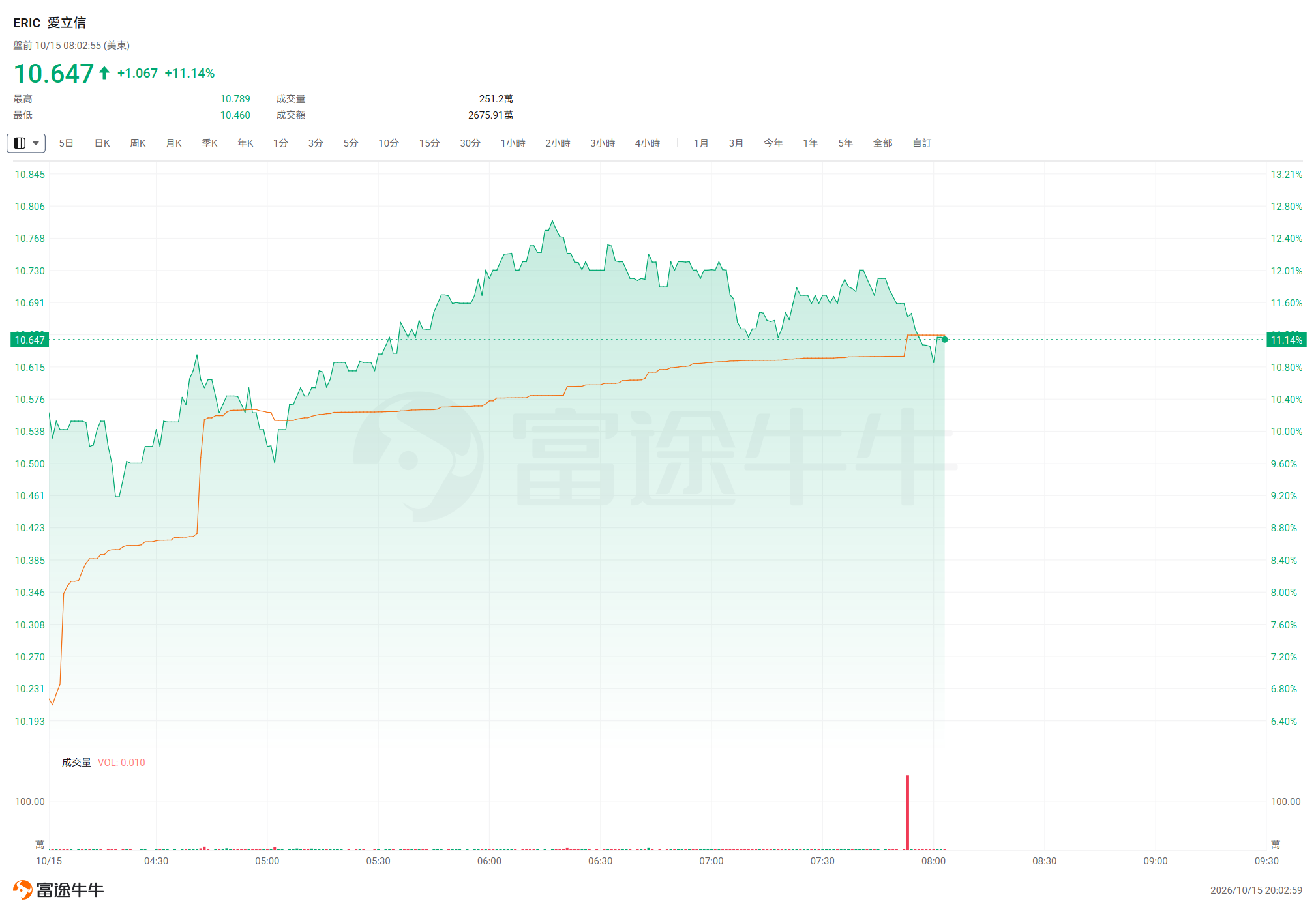
Ericsson surged more than 11% in pre-market trading, with Q3 earnings beating expectations.
$LM Ericsson Telephone(ERIC.US)$In the third quarter, GAAP earnings per share came in at SEK 1.77, above expectations; net sales totaled SEK 59.48 billion, surpassing the estimated SEK 55.39 billion; adjusted gross margin was 47.7%, compared with 48.1% in the same period last year and an estimate of 47.4%; adjusted EBIT reached SEK 9.76 billion, versus an estimate of SEK 7.53 billion; and the network business posted an adjusted operating margin of 23.1%, above the forecast of 19.4%.
In a statement, newly appointed CEO Per Narvinger said, "We delivered strong third-quarter results, driven by disciplined execution, the strength of our product portfolio, and the trust our customers place in Ericsson." He added, "Today, we are also announcing a streamlined operating structure that will reinforce our customer focus and drive efficiency gains over time. This will enable us to move faster, clarify accountability, and better support our customers in an evolving market."
Goldman Sachs raised Meta's price target to $860, forecasting that capital expenditures will exceed $220 billion next year.
On October 14, Goldman Sachs will$Meta Platforms(META.US)$The target price has been raised from $725 to $860, while the "Buy" rating is maintained. The firm expects Meta's third-quarter revenue to grow 24.3% year over year, with revenue reaching $312.623 billion by 2027. Capital expenditures in 2027 are projected at $220.215 billion, up 54.1% year over year and 13.1% above the market consensus. Goldman Sachs believes that AI will continue to drive growth in Meta's advertising revenue, but substantial investments will also put pressure on costs.
Rocket Lab fell more than 10% in pre-market trading, as the first launch of the Neutron rocket has been postponed.
$Rocket Lab(RKLB.US)$It was stated that the first launch of the Neutron rocket is now expected to be delayed until 2027. The vehicle's maiden flight had originally been scheduled for the fourth quarter of 2026, but management had long since warned of potential delays.
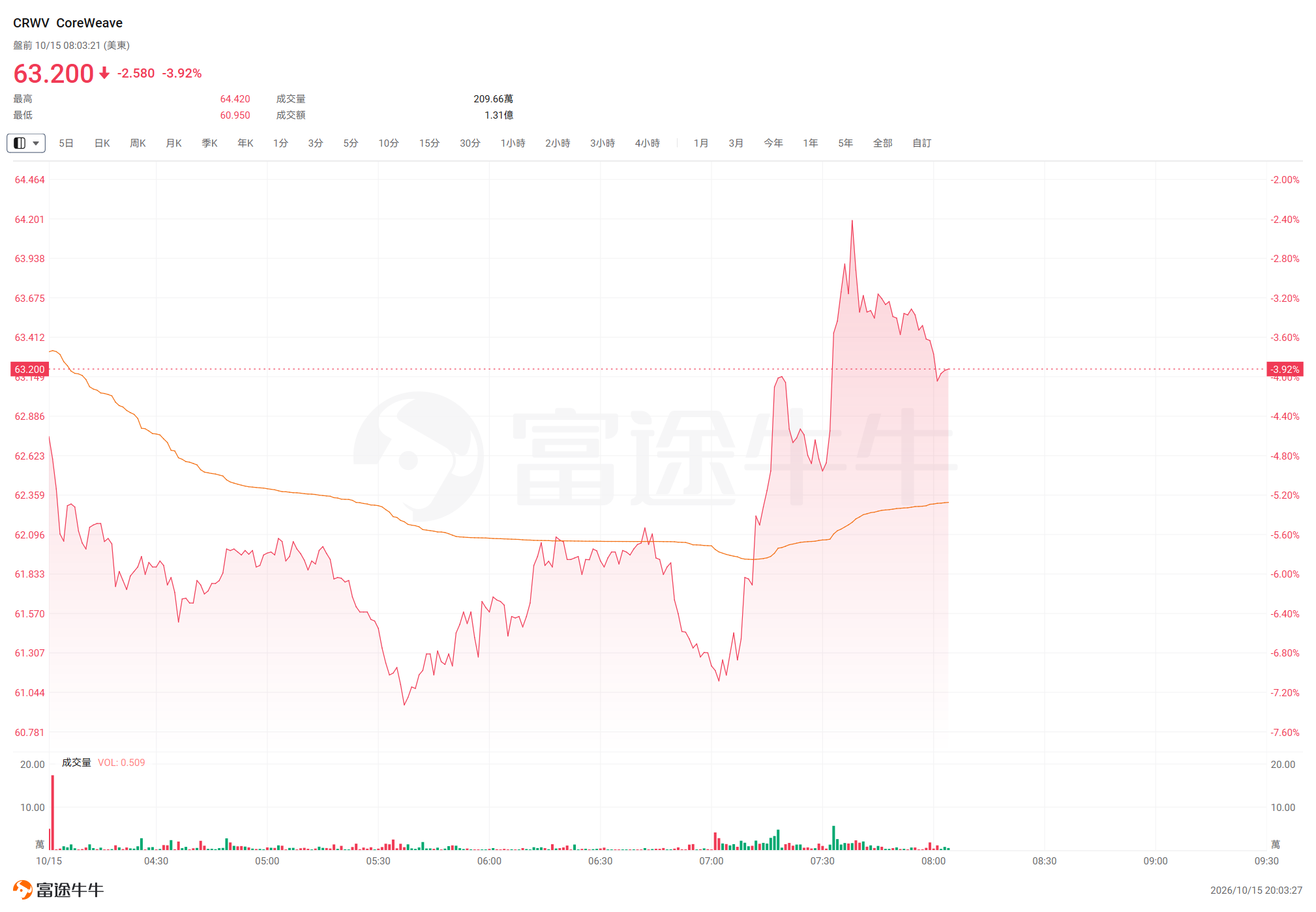
CoreWeave fell nearly 4% in pre-market trading, with the CEO calling the market's reaction "irrational": orders are sufficient to cover its debt.
$CoreWeave(CRWV.US)$CEO Mike Intrator sent an internal memo to employees, describing the market reaction as "irrational" and emphasizing that the company's substantial order backlog is sufficient to support debt repayment. He attributed the decline in CoreWeave's stock and bond prices partly to the IPOs of its peers and obstacles to financing, noting that the resulting negative sentiment has spilled over to his company. He stressed that the company remains confident in its business model, its customer base, its execution capabilities, and the financial framework it has established.
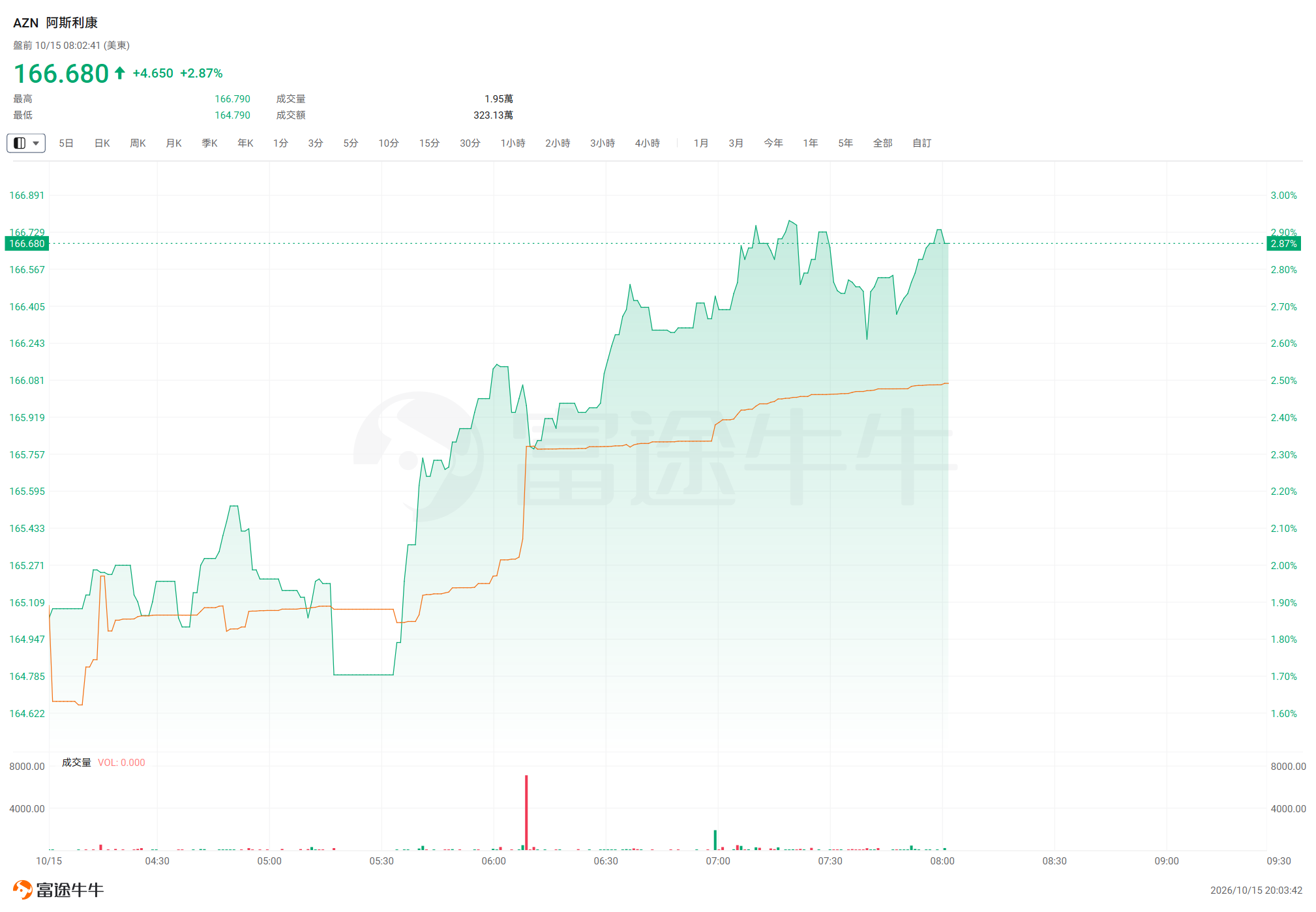
AstraZeneca ramps up AI-driven drug development, paying Insitro a $40 million upfront fee.
$AstraZeneca(AZN.US)$AstraZeneca has entered into a collaboration agreement with the machine-learning biotechnology company Insitro, valued at up to $1.86 billion, aimed at leveraging artificial intelligence to help the British pharmaceutical giant discover new drugs for liver and heart diseases. AstraZeneca said Thursday that it would pay Insitro an upfront payment of $40 million. Insitro will integrate its own data with AstraZeneca's to conduct in-depth research into the pathogenesis of a fatty liver disease and a cardiomyopathy.
Goldman Sachs expects Alphabet's capital expenditures to approach $350 billion next year.
On October 14, Goldman Sachs released a research report, forecasting that$Alphabet-A(GOOGL.US)$Capital expenditures will rise from $203.145 billion in 2026 to $349.896 billion in 2027, a year-on-year increase of 72.2%, and further climb to $414.627 billion in 2028. The firm expects Alphabet's Google Cloud revenue to reach $29.556 billion in the third quarter of this year, 3% above the market consensus. Goldman Sachs maintains its "Buy" rating on Alphabet with a price target of $435.
SpaceX AI has unveiled its voice AI model, Grok Voice 3.0, which resolves approximately 70% of Starlink customer service calls.
$SpaceX(SPCX.US)$AI has launched Grok Voice 3.0, claiming that the new model can now handle roughly 70% of Starlink customer service calls without human intervention, and touting it as "the world's most advanced speech-to-speech model." However, tests conducted by the independent evaluation platform Artificial Analysis show that while the model tops the comprehensive speech-to-speech index with a score of 86.9, it does not consistently outperform competitors in user preference, certain task benchmarks, or first-response speed.
SpaceX AI stated that the system handles approximately 20,000 Starlink customer calls daily, verifying customer identities, diagnosing hardware issues, providing account credit, and arranging for the shipment of replacement devices. Among sales calls processed by the system, one in four results in a purchase being completed before the call ends.
Anthropic reported that its third-quarter revenue rose to $16.8 billion and it achieved profitability.
According to the Financial Times, Anthropic informed investors that its third-quarter revenue surged to $16.8 billion and that it posted a profit for the quarter. At a time when market sentiment toward the AI sector remains cautious, the company is seeking to rally support for its highly anticipated IPO.
Anthropic told investors that, on an adjusted basis, the company has achieved profitability, with quarterly revenue up nearly 50% from $11.5 billion in the second quarter. Chips and data centers are essential for AI labs to train and run models, and they also represent the company's largest expense. Anthropic added that it posted positive cash flow for the quarter. Market observers widely expect the IPO of the Claude model developer to become the highest-valued IPO in history.
Global Macro
Iran: Passage through the Strait must be coordinated with us.
Iran stated that the Strait of Hormuz remains closed and that passage requires coordination. Earlier, Iranian President Masoud Pezeshkian said that bombs and missiles cannot force a country to surrender.
U.S. Media: The United States Has Formulated a New Plan to Strike Iran, Possibly Using the "Mother of All Bombs" for the First Time Against Energy and Nuclear Facilities
According to CNN, citing multiple U.S. officials familiar with the matter, the U.S. military has formulated a new strike plan that could involve using the so-called "mother of all bombs"—the GBU-43/B Massive Ordnance Air Blast bomb (MOAB)—to target Iran's energy infrastructure and nuclear facilities, should President Trump order the resumption of combat operations around the time of the midterm elections.
Although there are still doubts as to whether this weapon can effectively achieve the strategic objectives Trump has claimed or turn the tide of the conflict, several sources familiar with internal U.S. military planning discussions say that deploying the GBU-43/B—the largest non-nuclear weapon in the U.S. arsenal—for the first time in a confrontation with Iran would mark a major escalation in the war.

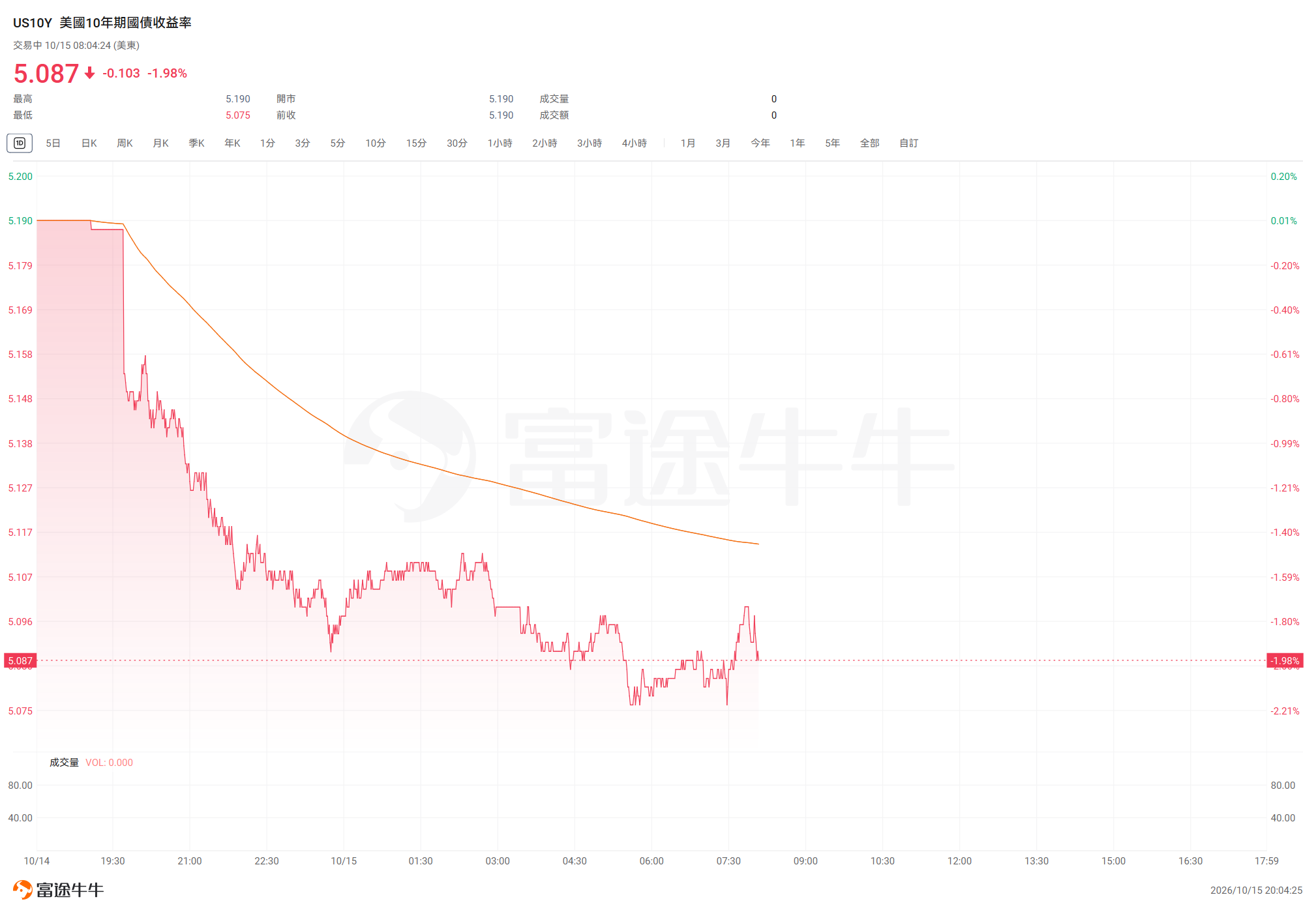
The yield on the 10-year U.S. Treasury note fell as much as 10 basis points to 5.08%, hitting a nearly three-week low.
U.S. Treasury prices have continued to rise recently, pushing yields across all maturities lower. The benchmark 10-year Treasury yield fell as much as 10 basis points during the day to 5.08%, hitting a near three-week low; the 5-year Treasury yield dropped more than 6 basis points to around 4.93%; and the 2-year and 30-year Treasury yields declined by 3 and 10 basis points, respectively.
Analysts note that the recent sustained pullback in U.S. Treasury yields has been driven primarily by three factors:
1. Safe-haven capital is accelerating its inflow: Global equities and other risk assets have broadly come under pressure and retraced recently, leading to a temporary cooling of market risk appetite and prompting a renewed flow of safe-haven funds back into the U.S. Treasury market.
2. Revision of Monetary Policy Expectations: Following the release of inflation data, the market reassessed the Federal Reserve's policy trajectory, prompting a concentrated positive correction and technical buying in long-term U.S. Treasuries after an earlier rally.
3. Liquidity and Allocation‑Driven Buying Provide Support: The Federal Reserve has launched a multi‑billion‑dollar reinvestment bond‑buying program, while institutional investors are locking in yields at elevated levels, both of which have delivered robust funding support to the bond market.
The IMF has revised upward its 2026 economic growth forecast for the Asia-Pacific region.
On October 15, local time, the International Monetary Fund (IMF) released its latest Asia-Pacific Economic Outlook report and held a press conference. The IMF projects that the Asia-Pacific region will grow by 4.8% in 2026, up from the 4.4% forecast it issued in April this year. The report notes that, despite the energy shocks triggered by the conflict in the Middle East putting pressure on the regional economy, robust demand for AI-related technologies and resilient intra-Asian trade are supporting growth in the Asia-Pacific.
South Korea's financial regulator convened an emergency meeting, pledging to safeguard market stability.
South Korea's top financial regulator convened an emergency meeting on Thursday to assess market conditions and pledged to implement proactive measures to ensure market stability and safeguard investor rights. The Financial Services Commission (FSC) also instructed financial institutions to strengthen risk management and investor protection efforts. The FSC stated that it would respond firmly to market‑disrupting activities and, if necessary, stand ready to activate its contingency plans.

People's Bank of China Governor Pan Gongsheng attended the G20 Finance Ministers and Central Bank Governors Meeting.
Pan Gongsheng pointed out that the escalation of geopolitical conflicts remains the greatest source of uncertainty for the global economy. Significant volatility in some countries' government bond markets and the heightened risk of valuation corrections in AI-related assets have exacerbated financial vulnerabilities. Promoting the modernization of financial regulation does not mean relaxing oversight, nor should it undermine the stability of the financial system or its ability to withstand risks. All parties should make full use of the G20's finance and economics cooperation platform, strengthen coordination of macroeconomic policies, and work together to address global risks and challenges. With regard to global imbalances, all stakeholders should adopt a more comprehensive analytical perspective.
We cannot focus solely on the current account; we must also pay close attention to financial channels. In particular, as global financial integration deepens, greater emphasis should be placed on the impact of financial factors—such as capital flows—on imbalances. Global imbalances cannot be resolved through exchange-rate adjustments alone. Exchange rates are influenced by a wide array of factors, including economic growth, monetary policy, financial markets, geopolitics, and unexpected risk events, and they do not exhibit a simple linear relationship with the current account. Both deficit‑and surplus‑countries should work together to achieve a dynamically balanced global economy.
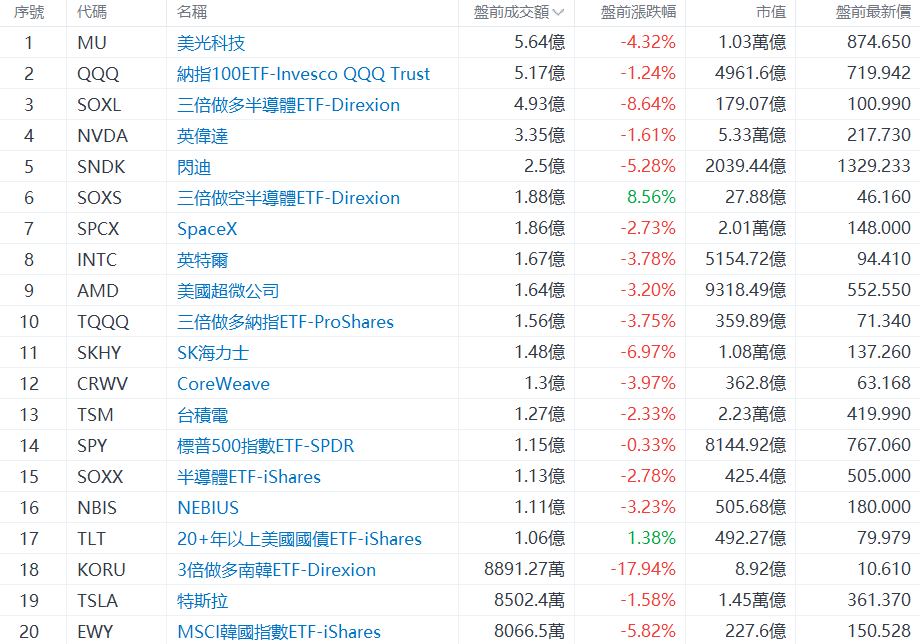
Top 20 Stocks by Pre-Market Trading Volume in the U.S. Market
U.S. Stock Market Macro Calendar Reminder
(The following is in Beijing Time)
22:00 U.S. August Commercial Inventories Month-on-Month
22:30 U.S. EIA Natural Gas Inventories for the week ending October 9 (in billion cubic feet)
The following day at dawn
00:00 U.S. EIA Crude Oil Stocks for the week ending October 9 (in 10,000 barrels), U.S. EIA Strategic Petroleum Reserve Stocks for the week ending October 9 (in 10,000 barrels)
02:00 The Federal Reserve releases the Beige Book on economic conditions.
04:30 2026 FOMC voter and President of the Federal Reserve Bank of Cleveland, Loretta Mester, delivers a speech.
 Want to pick stocks or analyze them? Curious about your portfolio's opportunities and risks? For all your investment questions,Just ask Futubull AI!

Edited by melody