
The United States has deployed a third aircraft carrier and about 10,000 troops to the Middle East, while Israel is stepping up preparations for an attack on Iran, and Iran's foreign minister has warned that a new round of war could erupt. Despite Trump's opposition to restarting hostilities before the midterm elections, Israel's military drills and heightened state of readiness continue. As U.S.-Israel-Iran tensions intensify, the risk of regional conflict escalating rises, with Brent crude breaking $110 and U.S. crude surpassing $100, leaving the energy market facing fresh shocks.
Tensions in the Middle East have once again escalated sharply. The United States has announced the deployment of a third aircraft carrier and approximately 10,000 additional troops to the region, while Israel continues to ramp up its military preparations against Iran. Analysts warn that if a new round of conflict erupts, it could deliver a significant shock to energy prices.
According to CCTV News, citing two U.S. officials, the United States is deploying the USS Theodore Roosevelt carrier strike group and the 13th Marine Expeditionary Unit to the Middle East, with an expected arrival in late November. At that time, U.S. forces in the region will be bolstered by approximately 10,000 additional personnel.
 Meanwhile, according to the British Financial Times, citing three sources familiar with the matter, Israeli Prime Minister Netanyahu has instructed the military to draw up a detailed plan for an offensive against Iran, targeting civilian infrastructure such as power facilities, nuclear sites, and assets linked to the Iranian regime. The scale of the strikes is expected to exceed the intensity of the U.S.-Israel joint military operation in February this year. However, the operation has yet to be carried out, with Trump's explicit opposition being a key reason.
Iranian Foreign Minister Ali Akbar Salehi issued a warning, stating that the United States and Israel might "launch a new war," while asserting that Iran is fully prepared. Analysts note that any new round of strikes against Iran could draw U.S. forces and the Arab Gulf states back into a regional conflict, with significant repercussions for energy prices.
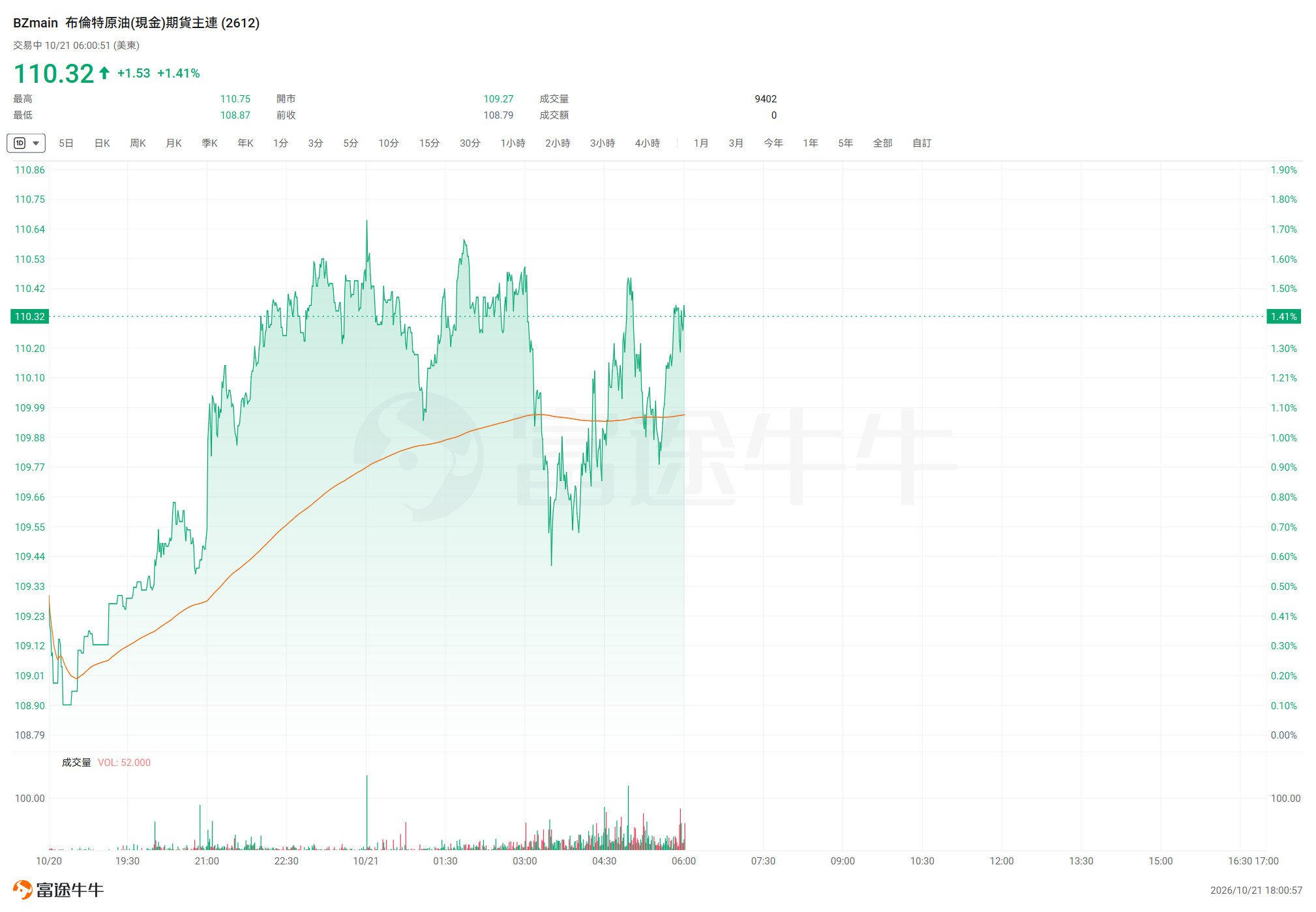
On Wednesday, crude oil prices continued to climb, with Brent crude breaking through the $110 mark and U.S. crude surging above $100.
The third aircraft carrier has been commissioned, and U.S. forces in the Middle East have been significantly expanded.
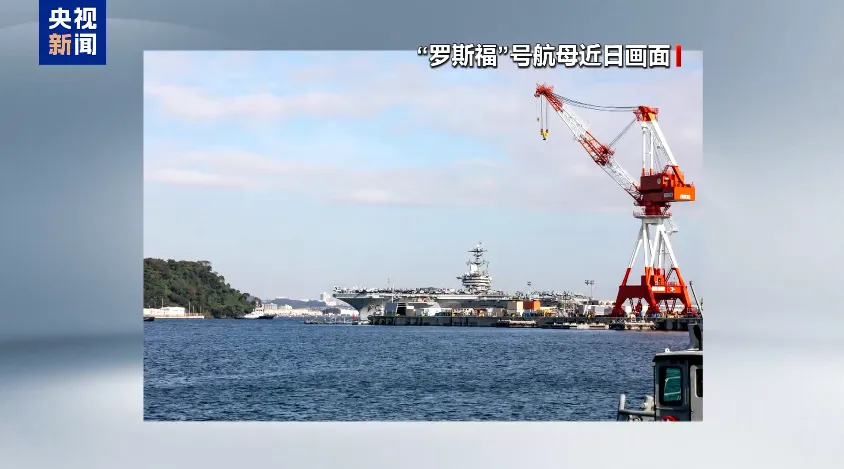
According to CCTV News, the aircraft carrier USS Roosevelt will become the third U.S. carrier deployed in the Middle East, joining the USS Bush and the USS Washington, which have already been carrying out missions in the region. The Roosevelt departed San Diego, California, on September 27, and social media posts from the 20th indicate that the ship has recently arrived in Japan, completed resupply operations, and is now en route to the Middle East.
Meanwhile, the Makin Island Amphibious Ready Group, consisting of three amphibious ships, set sail on September 28, carrying personnel from a U.S. Marine Corps expeditionary force. The addition of a third aircraft carrier will provide the United States with more military options. Reportedly, Trump is considering stepping up pressure on Iran after the midterm elections.
Israel is stepping up its preparations, with military action plans temporarily put on hold due to Trump's opposition.
According to the British Financial Times, citing sources familiar with the matter, the Israeli military had been preparing a multi-day bombing campaign for the weekend of October 10, but the plan was put on hold after Trump explicitly opposed reigniting hostilities before the U.S. midterm elections on November 3.
Nevertheless, Israel's military remains fully prepared for combat. According to China Central Television, citing Israeli sources, recently ten Israeli fighter jets took off from the Nevatim Airbase, crossed over Syria, and entered Iraqi airspace to conduct multiple simulated strike exercises. The aim is to sustain pressure on Iran's air defense systems and blur the line between training and actual operations.
The Israel Defense Forces announced, in an unconventional move, that they would cancel all military leave starting this Thursday and continuing until the conclusion of Israel's parliamentary elections on October 27. On the 20th, Israeli Defense Minister Katz also stated that if Hezbollah were to take part in Iran's attacks against Israel, the IDF would occupy additional territory in Lebanon, according to Xinhua News Agency.
The United States and Israel have escalated their tough stance, while Iran has issued a war warning.
On the diplomatic front, Trump and Netanyahu have recently been escalating their tough rhetoric against Iran, publicly stating that the two countries must jointly "bring an end" to actions targeting the Iranian regime. U.S. Secretary of Defense Pete Hegseth traveled to Israel this past Monday to hold talks with Netanyahu and other senior officials.
In response to Trump's endorsement of his re-election, Netanyahu stated that Trump "also seeks to completely eliminate the Iranian threat," and added that he has issued orders to the Israeli military, Mossad, and military intelligence to "overthrow the Iranian regime."
Iran, for its part, responded with a firm stance.
According to CCTV's International News, Iranian Foreign Minister Ali Akbar Salehi warned in an interview with Iraqi television aired on October 20 that the United States and Israel might once again launch a "new war" against Iran. However, he added that Iran is fully prepared and standing ready.

Markets are wary of the risk of energy price shocks.
Analysts warn that the escalating tensions in the Middle East pose a potential threat to markets. Any new round of strikes against Iran could draw U.S. forces and the Gulf Arab states back into a regional conflict, while also delivering a significant shock to energy prices.
At present, the U.S. military presence in the Middle East has reached a substantial scale—three aircraft carriers, an amphibious ready group, and approximately 10,000 additional troops have been deployed. Coupled with Israel's ongoing combat exercises and the suspension of leave across its armed forces, these developments all point to a potential escalation in regional tensions. Investors should closely monitor the trajectory of U.S.-Israeli policy toward Iran following the midterm elections, as well as the associated risks of volatility in the energy markets.
Edited by melody