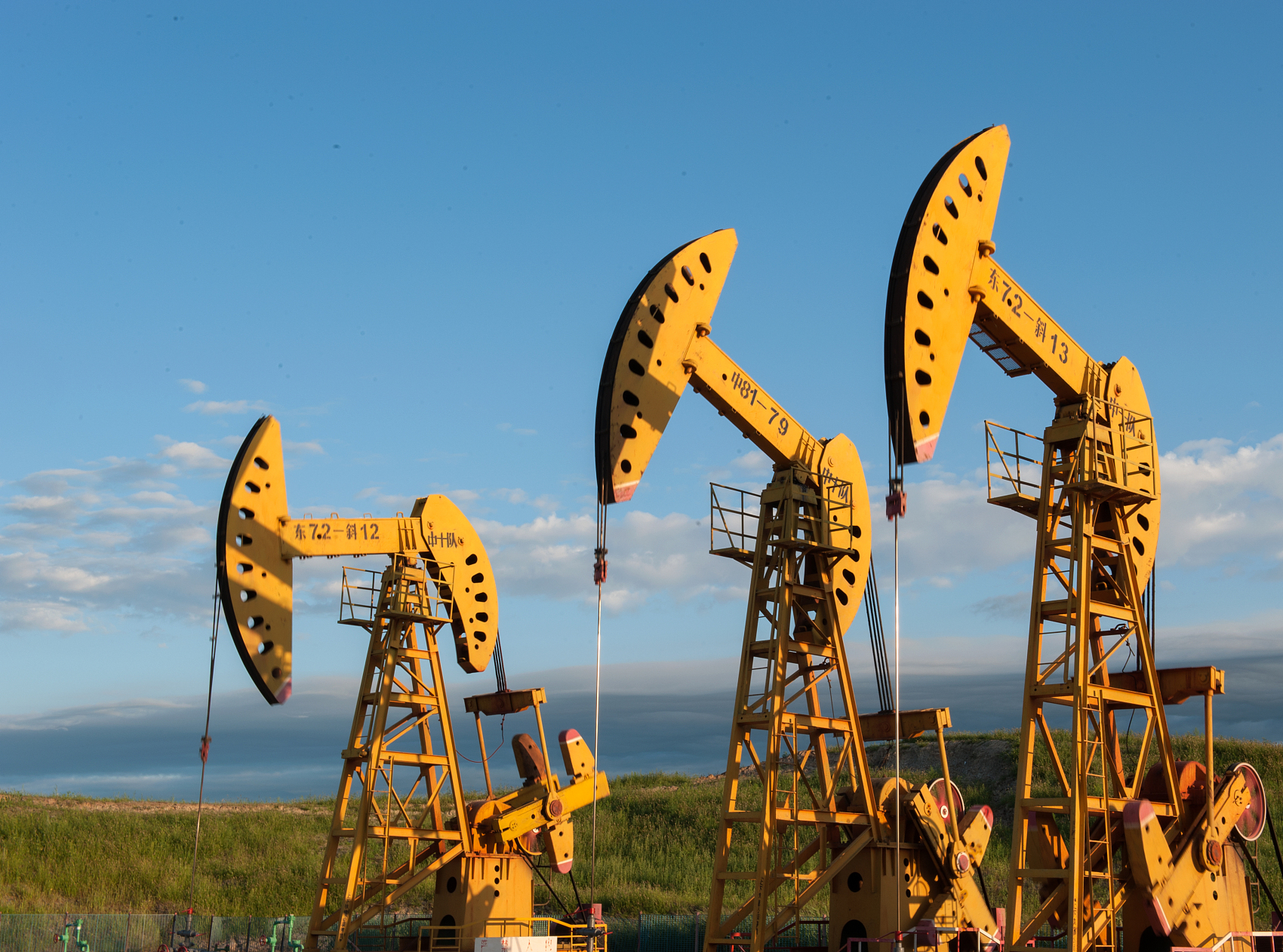
The U.S. Department of Energy plans to lend up to 315,000 barrels of heating oil—roughly one-third of the Northeast's emergency heating‑oil reserve—with deliveries expected to be completed by November 13. A department official said the administration will assess whether further releases from the reserve are necessary.
The U.S. Department of Energy plans to lend out nearly one-third of the Northeast's emergency heating oil reserves, the latest move by the Trump administration to curb fuel prices and ease the burden of household energy costs ahead of the November midterm elections. As the war in Iran disrupts energy supplies and U.S. diesel prices remain persistently high, the White House is boosting fuel supply—by tapping into emergency reserves and relaxing restrictions on the use of red diesel—in an effort to alleviate the political pressure stemming from rising energy costs.
It is proposed to lend 315,000 barrels, with delivery to be completed by November 13.
According to reports, the U.S. Department of Energy announced on Wednesday, October 21, local time, that it plans to lend up to 315,000 barrels of heating oil—nearly one-third of the Northeast's emergency heating‑oil reserve of 1 million barrels—covering Maine, Massachusetts, and Connecticut, with deliveries expected to be completed by November 13.
 The U.S. Department of Energy will, through a competitive bidding process, offer borrowing opportunities to fuel retailers and operators of terminal storage facilities to help deliver fuel to areas experiencing supply shortages. Energy Secretary Wright stated that the administration is committed to doing everything possible to lower energy costs. According to sources at the Department of Energy, the government will also assess whether further releases from the Strategic Petroleum Reserve are necessary.
Established in 2000, this strategic petroleum reserve primarily safeguards the winter heating needs of the northeastern United States, with storage capacity equivalent to roughly ten days' worth of heating oil supply for the region. Since Hurricane Sandy in 2012, the reserve has not been activated again.
Lawmakers from both parties have previously exerted pressure, with winter energy bills becoming a central issue in the election.
This move had previously been championed by lawmakers from both parties. In September, Republican Senator Susan Collins of Maine and independent Senator Angus King wrote to Trump, urging him to release emergency heating oil reserves to ease the burden of household energy costs.
Heating oil and diesel have similar compositions, and their prices are subject to similar refining supply constraints. Following disruptions to Middle Eastern energy shipments caused by the war in Iran, U.S. diesel prices once surged above $6.50 per gallon, reaching an all-time high. The Trump administration also attributed some of the pressure on fuel supplies to Ukraine's strikes on Russian refining facilities.
Soaring fuel costs are emerging as a political risk ahead of the November 3 midterm elections. In particular, in the U.S. Northeast, which relies heavily on heating oil, rising winter energy bills could further strain household budgets and put pressure on Republican lawmakers facing tight races.
Strategic oil reserves and red diesel are both being deployed, but the results remain to be seen.
This is not the first time the Trump administration has used energy policy to drive down prices.
In March this year, the 32 member countries of the International Energy Agency (IEA) unanimously agreed to collectively release a record 400 million barrels of emergency oil reserves to address supply disruptions caused by the war in the Middle East. At the time, the United States pledged to contribute 172 million barrels of crude oil from its Strategic Petroleum Reserve as part of the IEA's internationally coordinated release.
On October 5, Trump also signed an executive order temporarily easing restrictions on the use of red diesel on roads and postponing the payment of related federal fuel taxes, with the measures remaining in effect until the end of the year.
Red diesel is typically used in agricultural and off-road equipment. Although it shares the same chemical composition as regular diesel, it contains a red dye to qualify for preferential tax treatment. The new regulations permit its use in road transport under certain conditions, with the aim of diversifying fuel supply channels and reducing transportation costs.
However, diesel prices remain near historic highs, and the red‑diesel scheme is also grappling with retailers' concerns about tax liabilities, inter‑state transportation, and compliance risks. The global tightness in refined‑product supplies is not merely a tax‑related issue, and it remains uncertain whether temporary releases from strategic reserves or easing of usage restrictions would substantially bring down end‑user prices.
As winter heating demand rises, the Trump administration is seeking to ease pressure on energy costs through a series of short-term measures. However, if disruptions to Middle Eastern supplies persist, whether additional reserve supplies can offset the shortfall in the global refined oil market will remain the key factor determining oil price trends.
Editor/stephen