
Market Snapshot
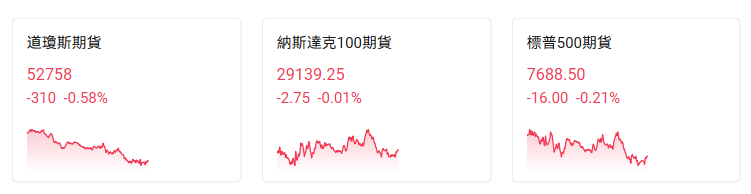
Ahead of Friday's open, futures for all three major indices declined: Dow Jones Industrial Average futures fell 0.58%, Nasdaq Composite futures edged down 0.01%, and S&P 500 futures dropped 0.21%.
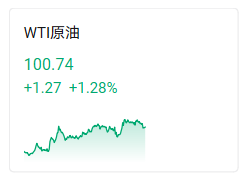
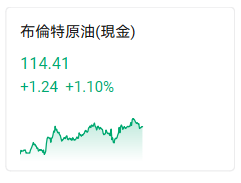
The United States is preparing for a prolonged standoff with Iran, and international oil prices have risen.$WTI Crude Oil Futures Main Contract (2611)(CLmain.US)$Up 1.28%,$Brent Crude Oil (Cash) Futures Main Contract (2612)(BZmain.US)$Up 1.10%.
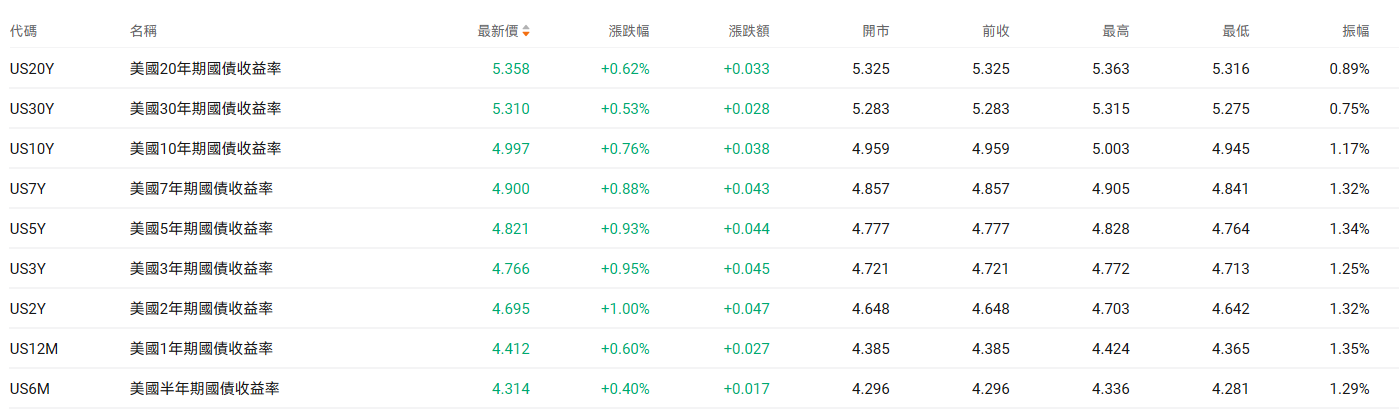
Most U.S. Treasury bonds rose,$U.S. 20-Year Treasury Yield (US20Y.BD)$Maintain at a high level.
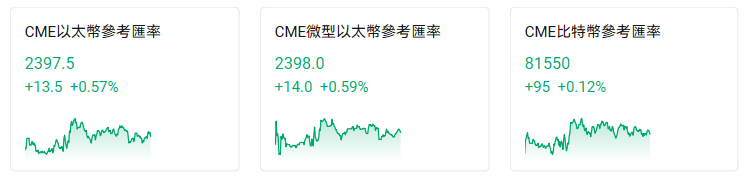
 Cryptocurrencies are rising.
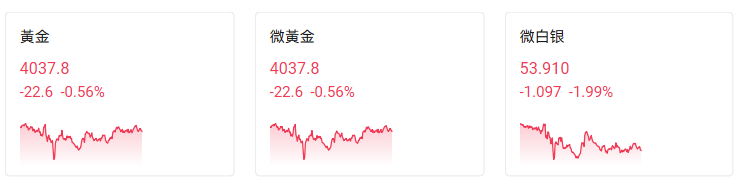
Precious metals declined.
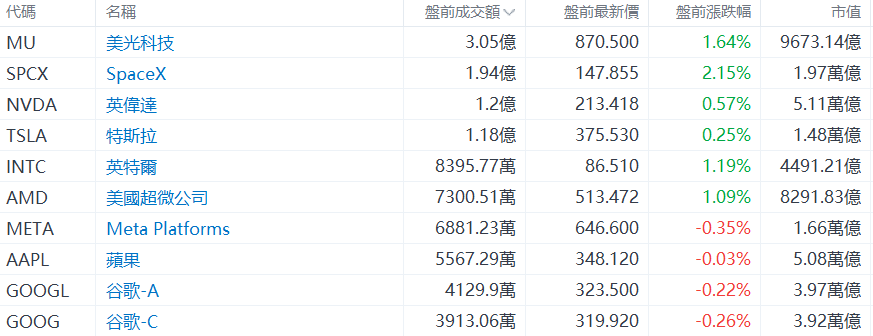
$Star Technology Stocks (LIST2518.US)$Pre-market trading was mixed, with SpaceX up over 2%, Micron Technology up nearly 2%, Intel and AMD up over 1%, Tesla and NVIDIA slightly higher, while Apple, Meta, and Google edged lower.
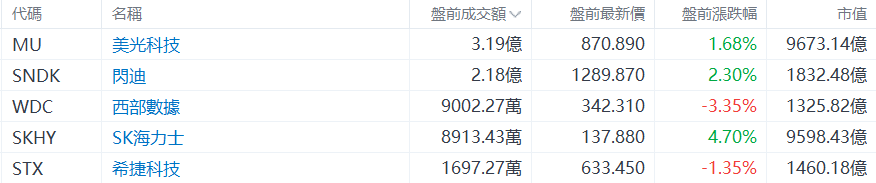
$Storage Concept (LIST23925.US)$Pre-market, most stocks rose, with SK Hynix up nearly 5%, SanDisk gaining over 2%, Micron Technology advancing nearly 2%, while Western Digital fell more than 3% and Seagate Technology dropped over 1%.
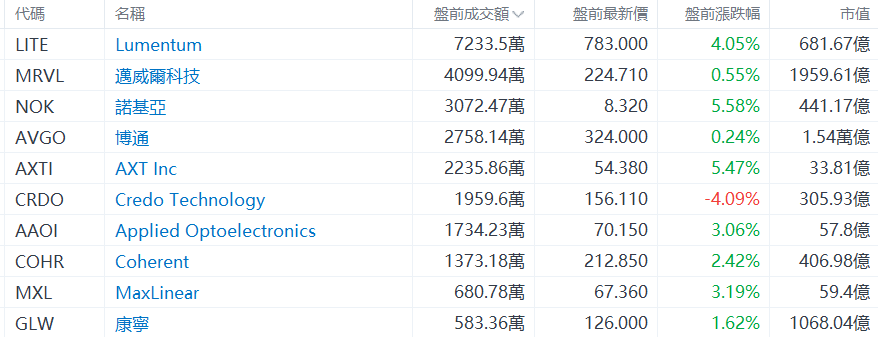
$Optical Communications (LIST23979.US)$Pre-market, concept stocks rose across the board: AXT Inc. gained over 5%, Lumentum rose more than 4%, MaxLinear and Applied Optoelectronics advanced by over 3%, Coherent increased by more than 2%, Corning climbed nearly 2%, while Credo Technology fell by over 4%.
Individual Stock News
Lyon: Raised Tesla's price target to $400 and upgraded the rating to "Hold"
Lyon released a report stating that,$Tesla (TSLA.US)$In the third quarter of 2026, operating profit fell 56% year over year to $718 million, below the firm's forecast of $966 million but above the market consensus of $599 million. Management did not address the potential SpaceX merger, with discussions focusing primarily on projects such as robotaxis, Optimus, and Terafab.
The firm believes that Tesla has shifted from a clean-energy company to one driven by artificial intelligence, similar to SpaceX, making the merger logical. It is confident that the merger will take place and that market sentiment toward the deal outweighs long-term risk concerns. The firm has raised Tesla's price target from $310 to $400 and upgraded its rating from "Underperform" to "Hold."
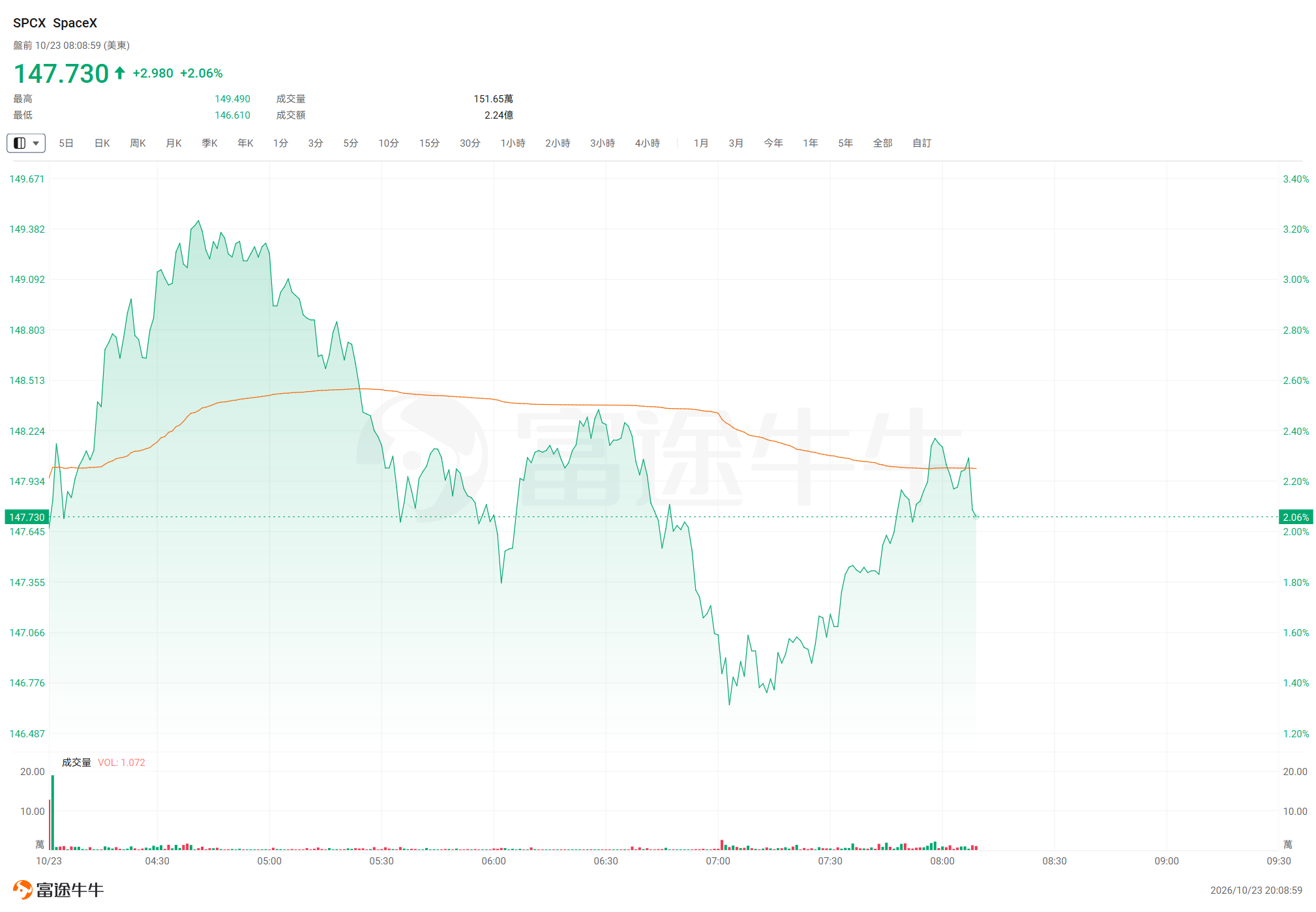
SpaceX rises more than 2% in pre-market trading, planning to acquire 80,000 cellular base stations, presenting new opportunities for telecom tower companies.
According to sources familiar with the matter,$SpaceX(SPCX.US)$The company plans to secure at least 80,000 cellular base station sites in the United States and is currently in negotiations with at least one major cellular infrastructure provider to achieve this goal. These agreements will further solidify the rocket and satellite giant's strategy to build the fourth-largest nationwide wireless carrier in the U.S.
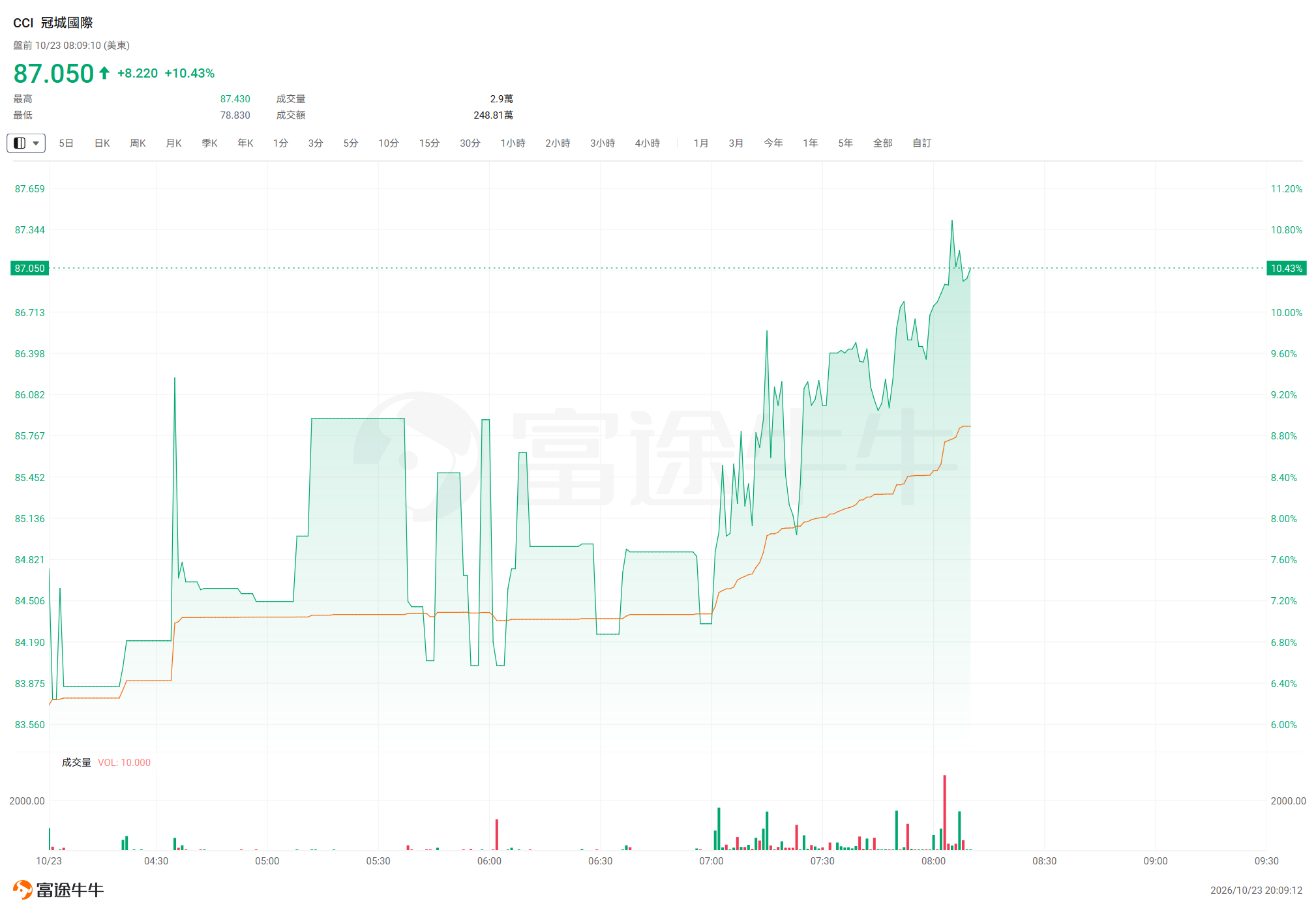
One of the companies currently in talks with SpaceX is$Crown Castle (CCI.US)$, the company and$American Tower Corp (AMT.US)$It is one of the largest owners of cellular communication towers in the United States, alongside Vertical Bridge.
Goldman Sachs summarizes the three major highlights of NVIDIA's GTC Berlin conference, noting that AI deployment is still progressing on track.
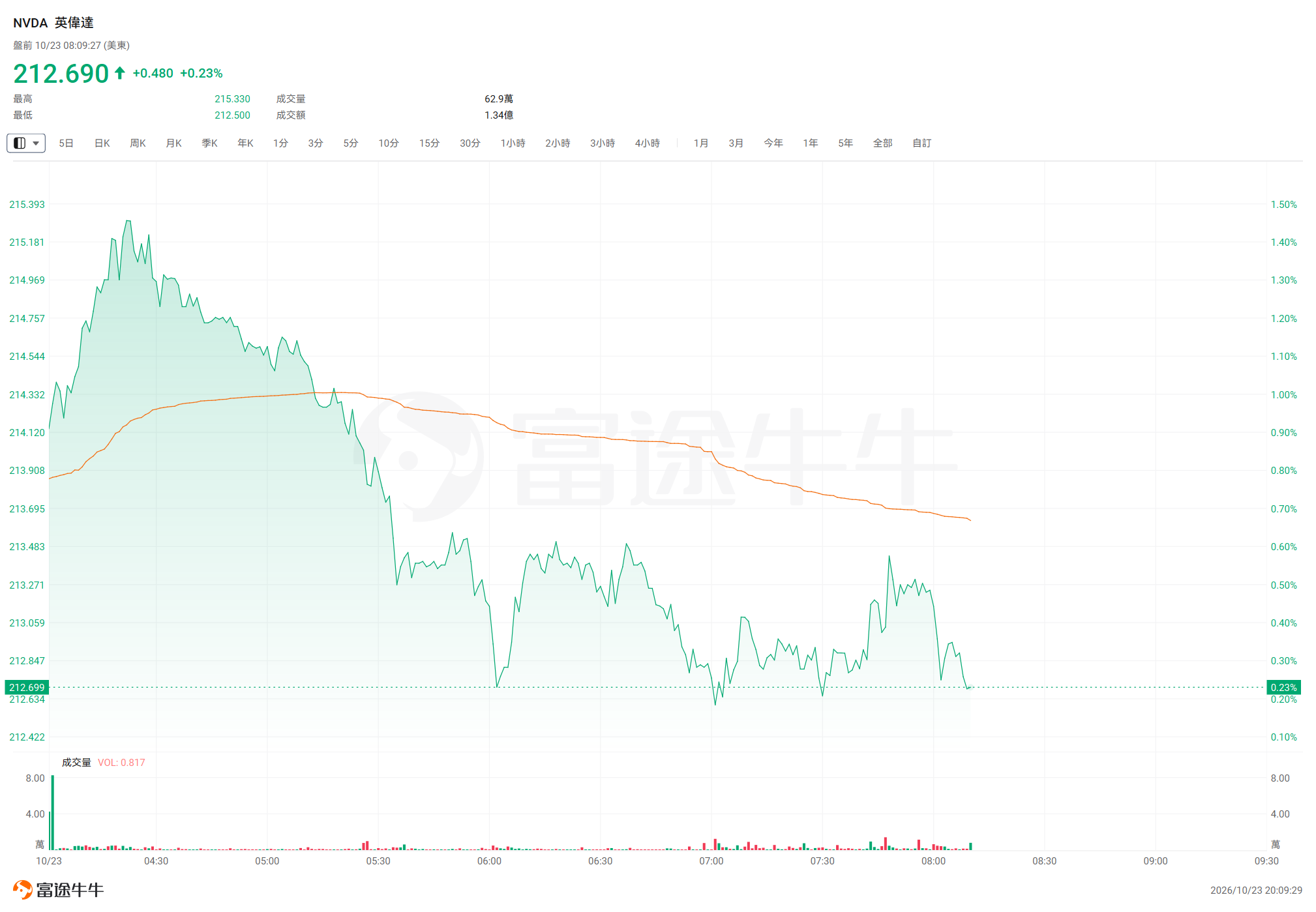
Goldman Sachs' research team released a report stating that,$NVIDIA (NVDA.US)$CEO Jensen Huang's keynote address at GTC Berlin is expected to have only a limited immediate impact on the stock price, but the core message conveyed by NVIDIA reinforces the firm's view that AI deployment remains on track for the foreseeable future.
The report highlights three key takeaways: NVIDIA's supply chain is significantly expanding production across multiple segments, signaling an imminent surge in GPU shipments; the DSX POD reduces data center deployment from several months to just two weeks; and physical AI revenue is expected to reach… by 2027.Fiscal year(FY27) In the first half of the year, revenue reached US$11 billion, surpassing approximately 30% of the full-year forecast for FY2026, underscoring a clear trend toward revenue diversification.
Goldman Sachs maintains its "Buy" rating on NVIDIA, with a 12-month price target of $300. The firm expects NVIDIA's FY27E revenue to reach $412.7 billion, with earnings per share of $9.40; FY28E revenue is projected to rise further to $718.3 billion, with earnings per share of $16.70.
Jensen Huang: It's unlikely that there will be a surplus of memory supply by 2029.
Storage chip stocks have been sold off recently, with the market rife with concerns about oversupply and weak demand. During NVIDIA's GTC conference in Germany on Thursday, CEO Jensen Huang publicly refuted this pessimistic narrative. He stated clearly that it is unlikely there will be a storage supply glut by 2029. He pointed out that what makes storage technology unique is that "you can always use more."
Jensen Huang emphasized that HBM will remain a core component for years to come, and noted that NVIDIA was the first company to bring LPDDR memory—originally used in smartphones—into data centers. This innovation has enabled NVIDIA to achieve twice the energy efficiency of industry standards, and the company plans to continue deploying such memory on a large scale in the future.
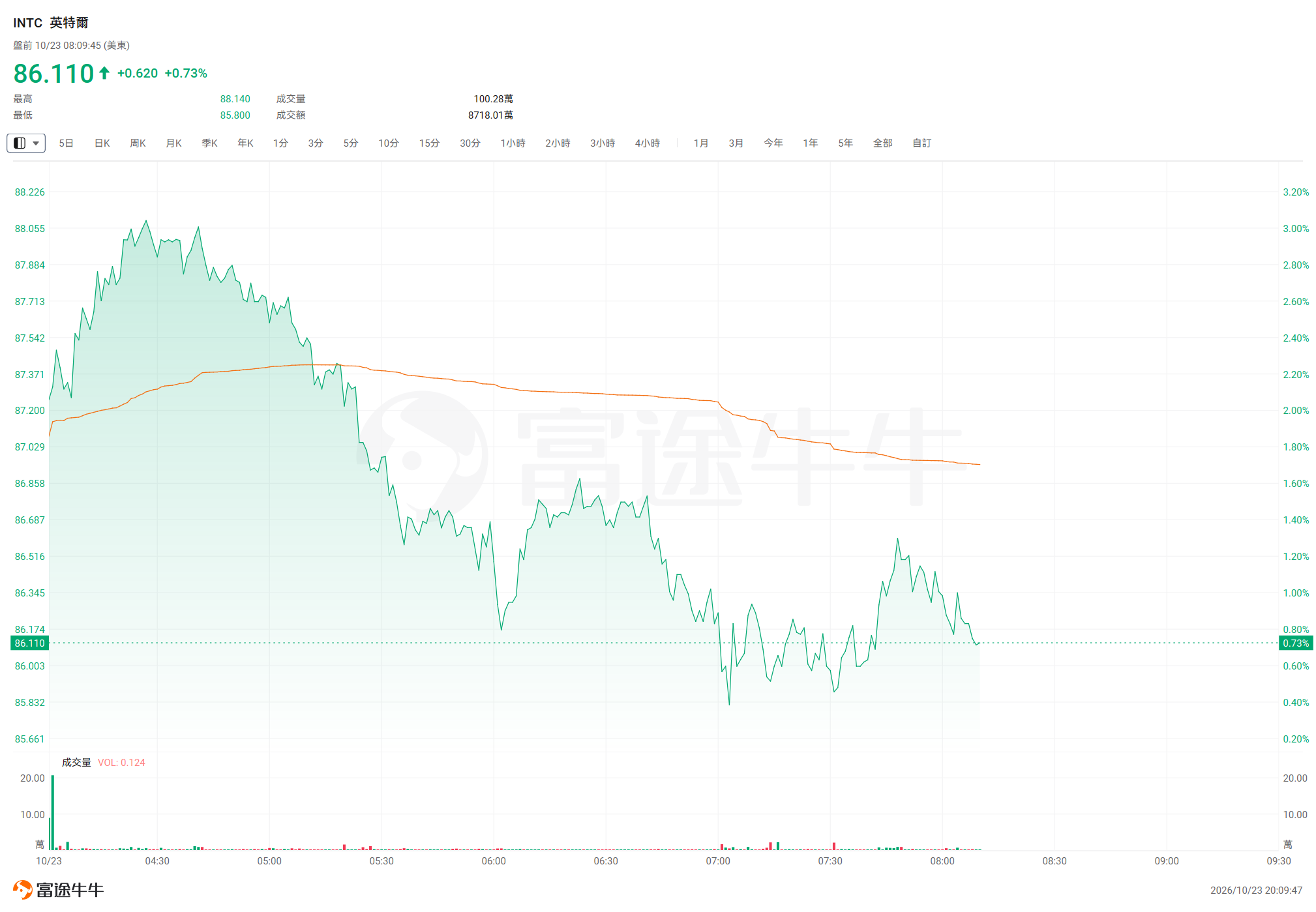
Intel CTO: Chip manufacturing capacity falls far short of chip demand.
$Intel (INTC.US)$The CTO stated that chip‑manufacturing equipment is far from keeping pace with demand. The most advanced workloads can only see throughput roughly double, not tenfold, and the annual tripling of AI compute capacity is unsustainable. Equipment suppliers and their tier‑n partners must ramp up production in concert; otherwise, overall output and compute‑capacity expansion will be constrained by supply‑chain bottlenecks.
Intel rose nearly 1% in pre-market trading after the U.S. FCC approved an exemption request for the "robot import ban."
The U.S. Federal Communications Commission (FCC) stated that it has sent to$Intel (INTC.US)$An exemption has been granted, allowing it to continue using the relevant equipment despite the import ban on certain foreign-made advanced robots. In a statement, the FCC said it would grant Intel a one-year regulatory exemption to prevent "potential disruptions to domestic access by Intel's customers to semiconductor manufacturing services."
Rocket Lab's 19th launch of the year: its 98th Electron rocket once again breaks records, further solidifying its position as the leader in small satellite launches.
$Rocket Lab(RKLB.US)$Its Electron rocket was launched from New Zealand's Launch Complex 1, carrying out an exclusive launch mission for the signals intelligence company HawkEye 360. The mission, codenamed "We're Not Hawking Around," lifted off at 8:11 p.m. New Zealand Daylight Time (NZDT) on October 23, 2026, deploying three HAWK satellites into a low Earth orbit 520 kilometers high.
These spacecraft fly in a three‑satellite formation, collecting radio‑frequency signals for maritime tracking, GNSS interference detection, radar‑activity monitoring, communication‑spectrum mapping, and space‑defense support. This mission marks Rocket Lab's 98th Electron launch and its 19th launch of 2026, further extending the rocket's record in dedicated small‑satellite launches.
Western Digital's Q1 revenue surged 55% year over year, with both its earnings and guidance exceeding expectations.
$Western Digital (WDC.US)$After the market closed on Thursday, the company reported its fiscal first-quarter results for 2027, with revenue reaching $4.381 billion, up 55% year over year and 17% quarter over quarter. GAAP net profit totaled $1.779 billion, an increase of approximately 50% year over year, while GAAP diluted earnings per share were $4.63, up 51% from the same period last year. Non-GAAP adjusted net profit stood at $1.779 billion, a 172% year-over-year jump, and adjusted earnings per share were $4.64, up 161% compared to $1.78 in the prior-year period.
Analysts had previously forecast Western Digital's first-quarter revenue at approximately $4.15 billion and adjusted earnings per share of about $4.10. The company's reported figures for both metrics exceeded market expectations. Looking ahead to the second quarter of fiscal 2027, Western Digital expects revenue to range from $5.0 billion to $5.2 billion, with a midpoint of $5.1 billion—implying year-over-year growth of roughly 66% to 72%. Non-GAAP gross margin is projected at 60% to 61%, while adjusted earnings per share are expected to be between $5.60 and $6.00. These guidance ranges also surpass prior market estimates.
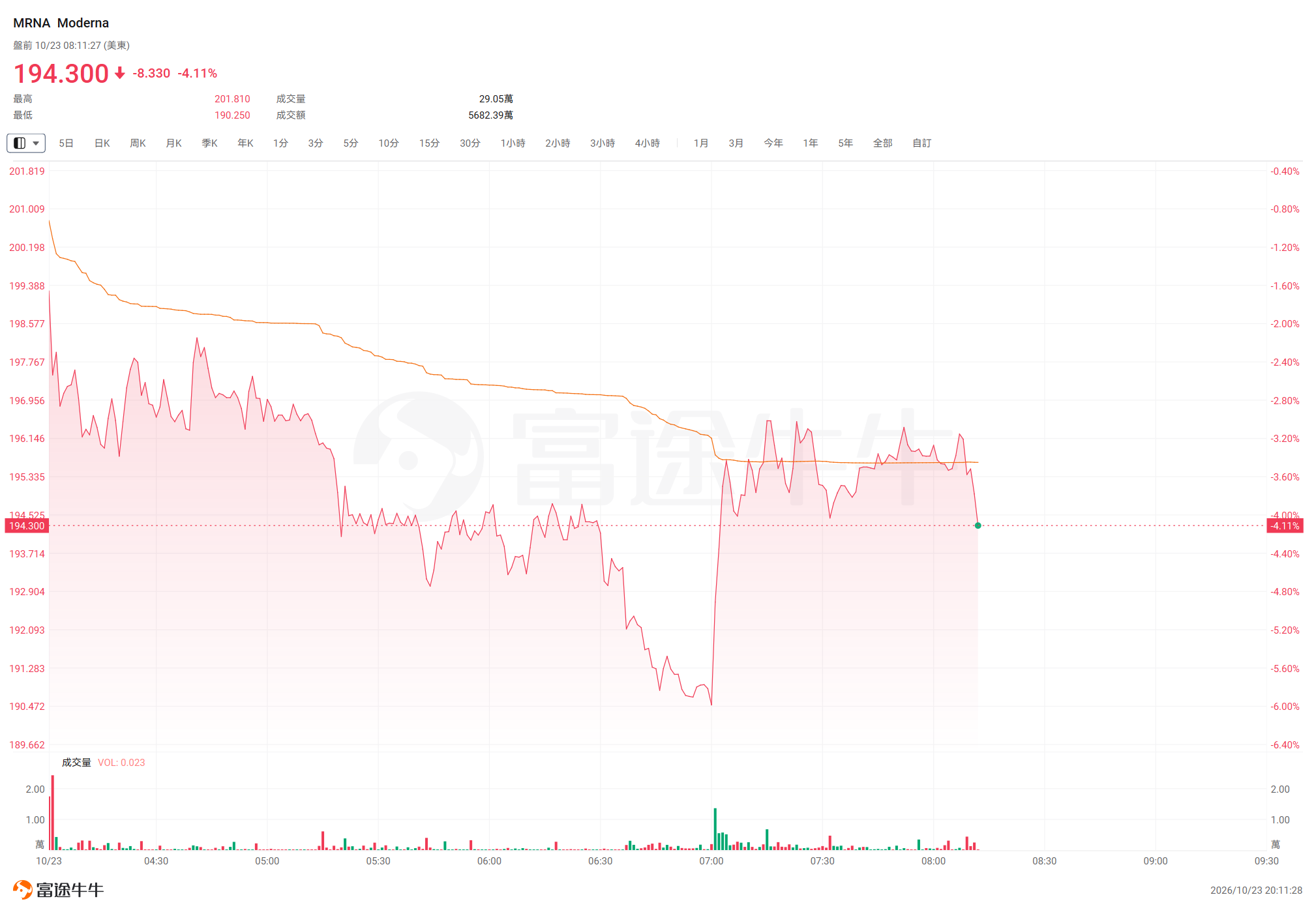
Moderna fell more than 4% in pre-market trading, as the melanoma vaccine data failed to impress the market.
$Moderna(MRNA.US)$and$Merck & Co. (MRK.US)$In August, it was announced that personalized melanoma vaccines, when combined with…$Merck & Co. (MRK.US)$When used in combination with the blockbuster drug Keytruda, it can significantly reduce the risk of recurrence for this deadly cancer, with clinically meaningful results. However, the full trial data released on Thursday fell short of the lofty expectations Wall Street had set earlier this year. Although the findings clearly demonstrated the vaccine's efficacy, they were not dramatic enough to convince the market that Moderna and Merck could achieve their broader goal: pioneering a new approach to treating multiple types of cancer.
Bloom Energy's Q3 revenue surged 138% and turned profitable, with the company raising its full-year guidance.
$Bloom Energy(BE.US)$On Thursday, after the U.S. stock market closed, Bloom Energy reported its third-quarter 2026 results, with revenue reaching $1.236 billion, up 138.1% year over year and hitting a new quarterly record; GAAP net income attributable to common shareholders was $250 million, compared with a net loss of $23.09 million in the same period last year, marking a return to profitability. Looking ahead to the full year 2026, Bloom Energy raised its revenue guidance from the previous range of $3.9 billion to $4.2 billion to $4.4 billion to $4.6 billion, with the midpoint of the new guidance representing an approximate 122% increase over 2025's full-year revenue.
Meanwhile, the company has raised its full-year non-GAAP operating profit guidance from the previous range of $800 million to $900 million to $960 million to $1.03 billion, and increased its non-GAAP adjusted earnings per share forecast from $2.55 to $2.85 to $3.10 to $3.40. The full-year non-GAAP gross margin target remains unchanged at approximately 34%.
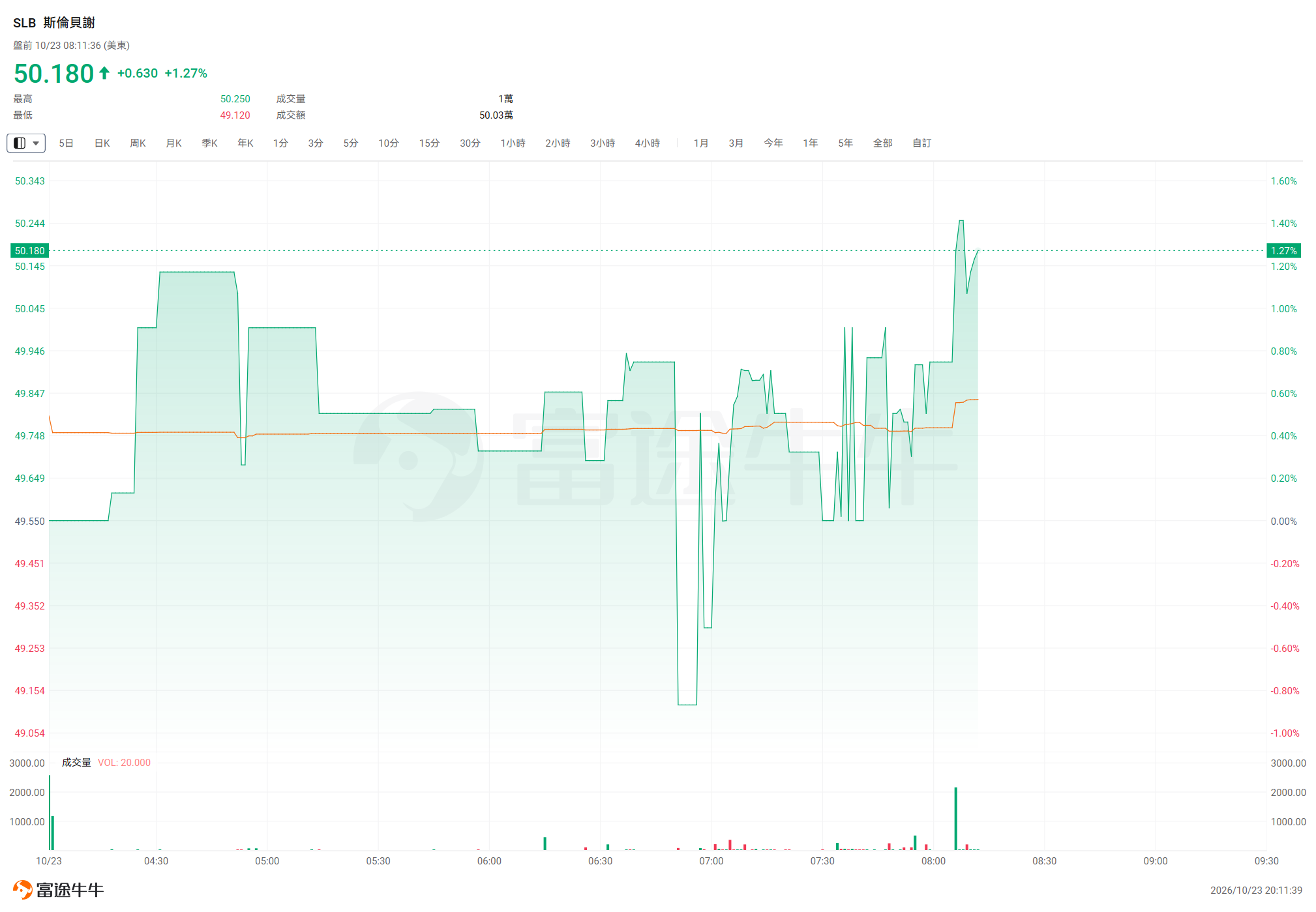
Schlumberger rose more than 1% in pre-market trading, as diesel shortages are driving demand for increased production and its earnings report exceeded expectations.
Oilfield services giant$Schlumberger (SLB.US)$The third-quarter earnings report released on October 23 showed revenue of $9.449 billion, up 6% year over year and 5% quarter over quarter; adjusted earnings per share were $0.64, a 16% increase from the previous quarter, surpassing the market consensus of $0.62, while revenue also exceeded the consensus estimate of approximately $9.27 billion. Revenue from the Middle East business rose 13% quarter over quarter, driven by a recovery in offshore development activities and demand for North American production services; revenue from the production systems segment reached $4.0 billion, up 15% year over year.
Adjusted EBITDA margin rebounded to 21.9%, but remains below the level of the same period last year. This financial report underscores that operational recovery is gaining traction, though profitability has yet to fully return to last year's levels. Excluding the impact of the ChampionX acquisition, revenue grew 2% year over year, which also indicates…Mergers and acquisitionsIt remains a key driver of revenue growth.
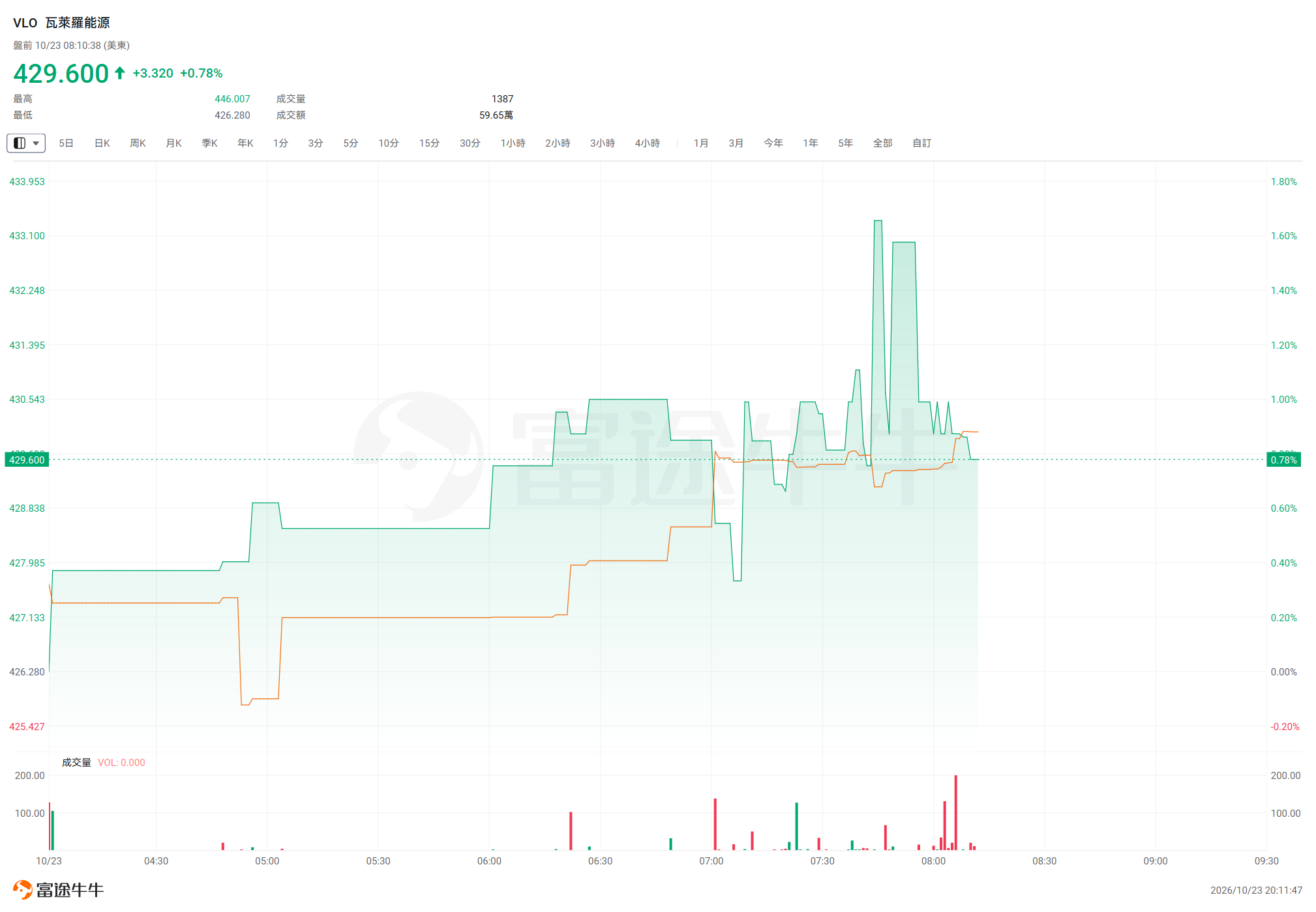
Valero Energy Q3 Earnings Call: Management remains optimistic about the sustainability of cracking spreads, with the Gulf Coast refineries' raw material cost advantages becoming increasingly pronounced.
U.S. refining giant$Valero Energy (VLO.US)$Third-quarter net profit reached a record $6.8 billion, as soaring freight rates have further bolstered the U.S. Gulf Coast's refining advantage. With resilient demand and favorable crack spreads, shareholder returns are expected to be strong. Executive Vice President and Chief Operating Officer Gary Simmons expressed strong confidence in the sustainability of the current crack spread environment.
In certain low‑complexity refining regions of the Far East, after factoring in both crude oil import and refined product export freight costs, profit margins hover around $2 to $3 per barrel. Moreover, rising natural gas prices in these areas are further pushing up the lower threshold for cracking spreads, compelling refineries to maintain high utilization rates—precisely at a time when global demand calls for these capacities to remain operational.
Gilead Sciences acquires the PepStar oral anti-inflammatory drug program for $1.275 billion.
$Gilead Sciences (GILD.US)$It stated that it will acquire PepStar Therapeutics' oral anti-inflammatory drug pipeline, including a Phase‑II investigational therapy for intestinal diseases, for an upfront cash payment of $1.275 billion. Prior to this, Gilead's investigational oral agent emvistegrast, intended for the treatment of chronic intestinal disorders, reported positive interim clinical trial results on Monday; this acquisition further bolsters its product portfolio with another candidate targeting inflammatory bowel diseases.
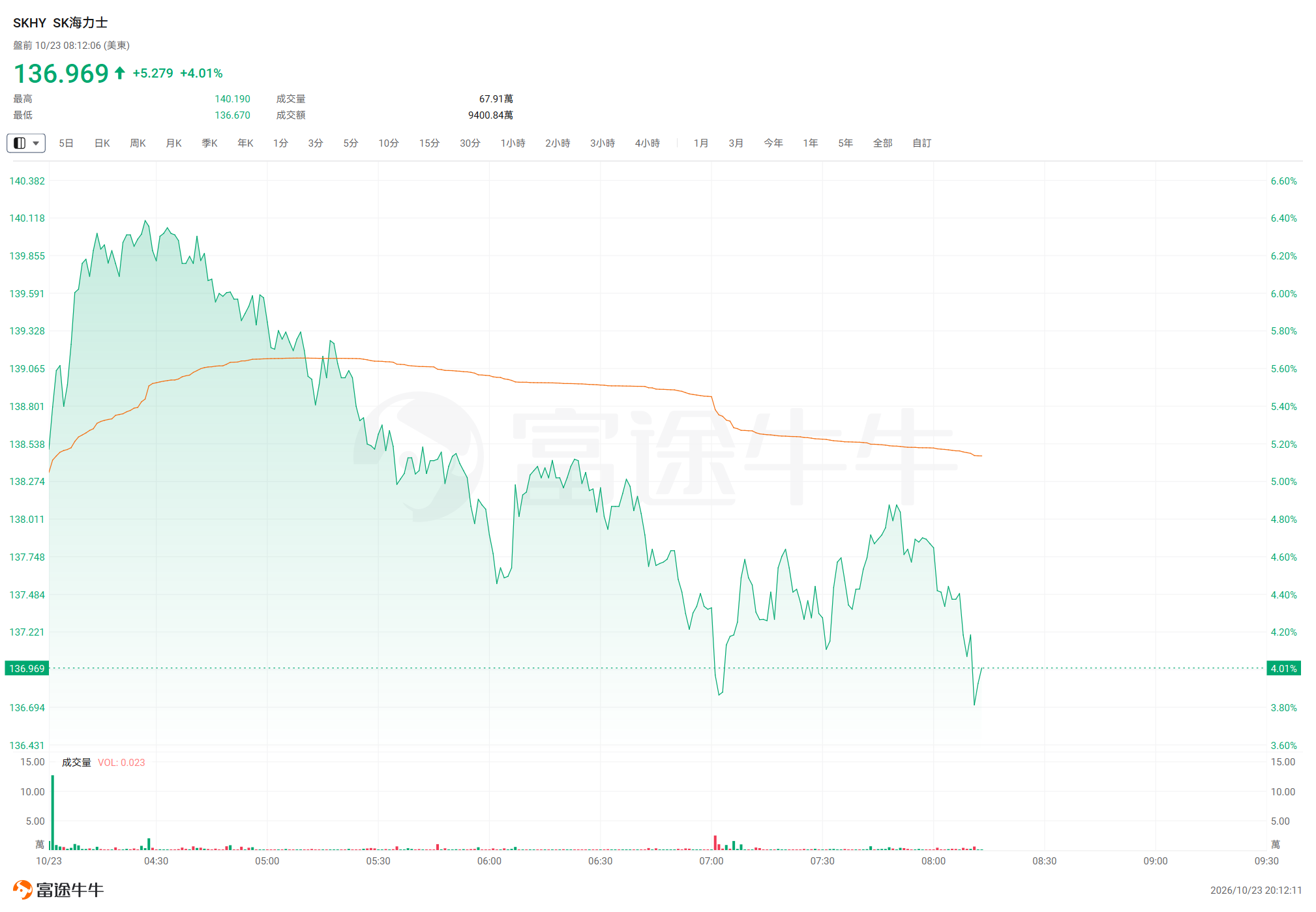
SK Hynix has canceled its subsidiary's plan to list in the U.S. due to shareholder concerns.
October 23,$SK Hynix (SKHY.US)$The company announced that its overseas subsidiary, Solidigm, had previously explored various financing options to expand production capacity and strengthen competitiveness. However, after weighing factors such as the capital market environment, it has decided to discontinue plans for a pre-IPO round and an initial public offering (IPO). Earlier reports had indicated that Solidigm intended to raise up to KRW 5 trillion in a pre-IPO funding round.
Global Macro
The United States is preparing for a prolonged standoff with Iran, with senior U.S. officials stating that a naval blockade is sustainable and that the nuclear agreement remains the central objective.
The United States is preparing for a prolonged standoff with Iran, even as the Trump administration still hopes to compel Tehran to make significant concessions through military strikes and economic sanctions. U.S. Ambassador to the United Nations Mike Waltz stated that even if, one year from now, the U.S. and Iran have yet to reach an agreement on Iran's nuclear program and shipping through the Strait of Hormuz has not returned to pre-war levels, the United States will still be able to maintain pressure on Iran.
This statement underscores that what the Trump administration had initially expected to be a military operation lasting several weeks is now turning into a protracted conflict with an uncertain outlook. The war not only disrupts global energy shipments but also drives up fuel prices and exacerbates supply shortages of fertilizers and other commodities.
Peskov: Trilateral talks among Russia, the United States, and Ukraine will begin in early November.
On October 23, Russian Presidential Press Secretary Dmitry Peskov stated that, in the first half of November, Russia, the United States, and Ukraine will begin negotiations in Abu Dhabi on security guarantees for Russia and Ukraine. He added that a trilateral format is currently under discussion, though European participation cannot be ruled out in the future.
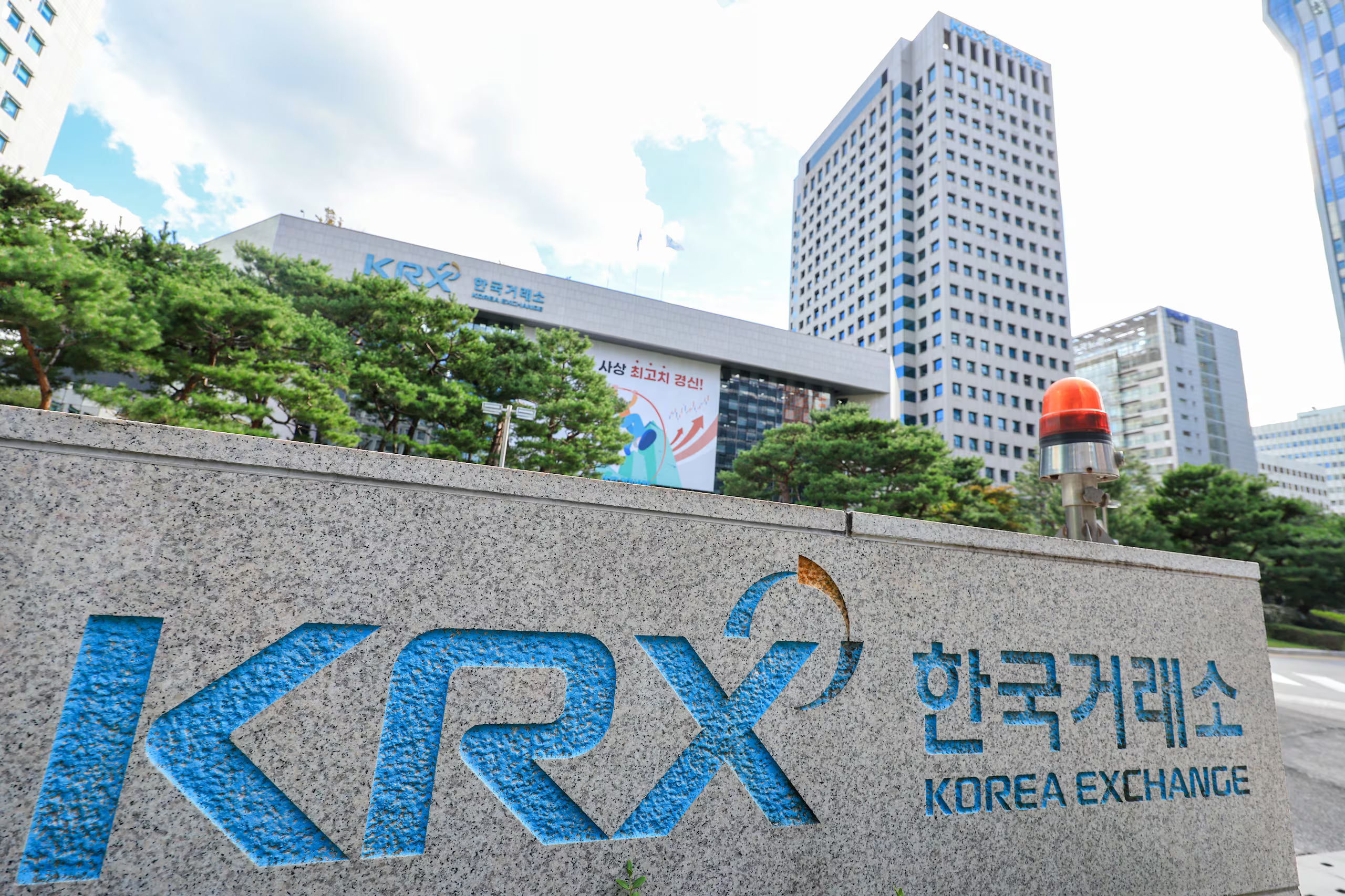
South Korea's stock market is so cheap that it is rare worldwide, becoming the first trillion-dollar market to fall below a price-to-earnings ratio of 5.
Following a brutal sell-off in tech stocks, South Korea's stock market has shifted from being one of the hottest major markets this year to becoming the world's cheapest, with valuations now roughly half those of Indonesia.
Bloomberg data show that the 12-month forward price-to-earnings ratio of South Korea's KOSPI has fallen to around 4 times, the lowest valuation among 18 markets with market capitalizations exceeding $1 trillion since 2006. As a result, the Korean market has become the first trillion-dollar market on record to dip below the 5-times P/E threshold.
Wheat prices have fallen for eight consecutive weeks, marking the longest losing streak since 1997.
Wheat futures are experiencing their longest weekly losing streak in nearly three decades. After leading the agricultural commodities market earlier this year, wheat has now seen a sharp reversal. In September, escalating attacks on ships and infrastructure in the Black Sea region disrupted exports from Ukraine and Russia, sending wheat prices to their highest levels since 2023. Although disruptions in the Black Sea persist, as the Trump administration seeks to facilitate peace talks between Moscow and Kyiv, the risk premium in the market has begun to ease.
In addition, Russian wheat exports have increased, including shipments via Baltic ports. Meanwhile, demand for wheat in several major exporting countries has remained subdued. According to data from the U.S. Department of Agriculture, as of the week ending October 15, export sales of U.S. soybeans, corn, and wheat all declined. Naomi Blohm, an analyst at Total Farm Marketing, noted: "Global importers may be adopting a wait-and-see approach, assessing whether a peace agreement can be reached in the Black Sea region."

As the rally in artificial intelligence stocks slows, U.S. pension giant CalPERS has reduced its holdings of large-cap tech stocks.
According to the UK's Financial Times, the largest public pension fund in the United States—the California Public Employees' Retirement System (CalPERS)—has significantly reduced its holdings in the Mag 7 during the first half of 2026, cutting its direct stake in the "Magnificent 7" by 26%. This move signals that, as global concerns about the sustainability of AI investments mount, major institutional investors are actively mitigating market concentration risk.
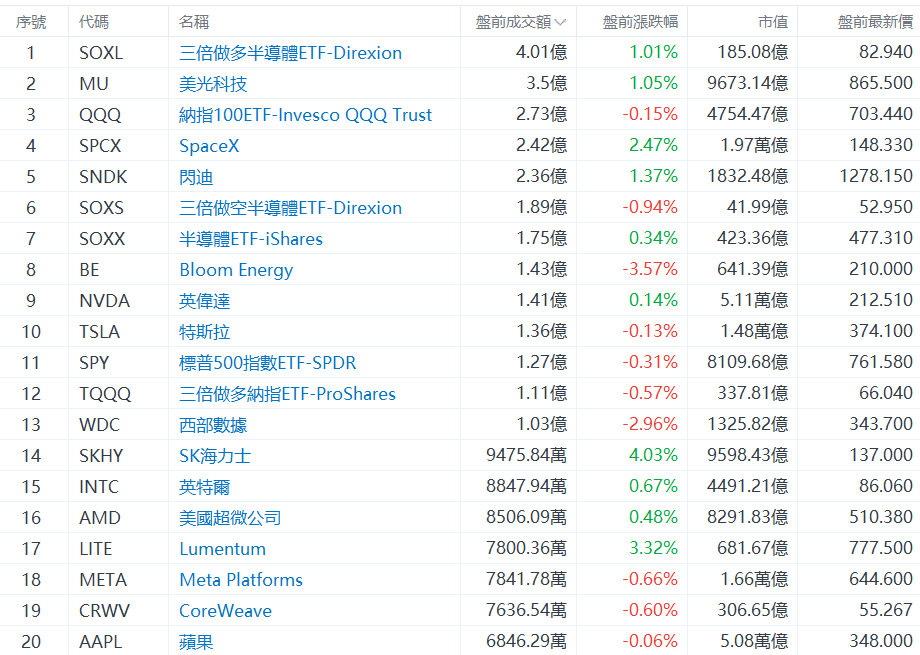
Top 20 Stocks by Pre-Market Trading Volume in the U.S. Market
U.S. Stock Market Macro Calendar Reminder
(The following is in Beijing Time)
21:45 U.S. October S&P Global Manufacturing PMI Preliminary Value
21:45 U.S. October S&P Global Services PMI preliminary reading
22:00 U.S. October University of Michigan Consumer Sentiment Index Final Reading
22:00 U.S. October one-year inflation expectation final reading
The following day at dawn
01:00 U.S. Total Oil Rig Count for the Week Ending October 23 (Rigs)
 Want to pick stocks or analyze them? Curious about your portfolio's opportunities and risks? For all your investment questions,Just ask Futubull AI!

Edited by melody