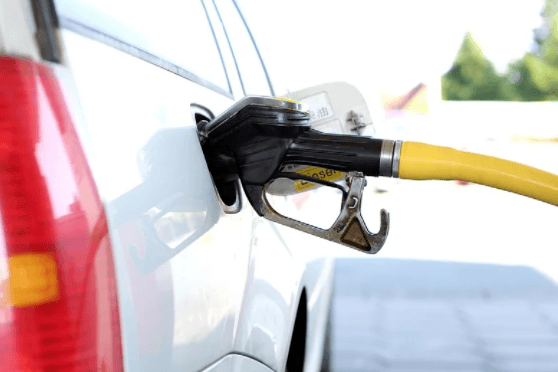
Since Trump took office, the average U.S. retail gasoline price has been $3.472 per gallon, slightly higher than the $3.471 under Biden—far from Trump's campaign pledge to bring oil prices below $2 per gallon. During Trump's term, the average diesel price has already risen about 6% compared with the Biden era, and in September, the U.S. average diesel price hit a record high of $6.53 per gallon.
The average U.S. gasoline price under Trump has already surpassed the overall average during Biden's presidency, putting pressure on the Republican Party ahead of the midterm elections. The Trump administration has invoked the Defense Production Act and allocated funds to boost refining capacity, but the high-oil-price situation is unlikely to reverse in the short term.
According to daily data released by the American Automobile Association (AAA) on Monday, the average retail price of gasoline in the United States under Trump's administration was $3.472 per gallon, slightly exceeding the $3.471 recorded during the Biden era—by less than one cent. This falls far short of Trump's campaign pledge to bring oil prices below $2 per gallon.
 As of last Sunday, the national average price of gasoline in the United States had reached $4.286 per gallon, marking a record high for the same period. Meanwhile, the sharp surge in diesel prices has drawn particular attention and has become a key factor influencing the trajectory of the midterm elections.
Following the outbreak of war between the United States, Israel, and Iran this year, oil exports from the Middle East have been severely disrupted, further straining global refining capacity and driving a sharp rise in gasoline prices.
Gasoline prices have surged, with supply shortages in the Middle East being the primary driver.
Since the beginning of this year, the average U.S. gasoline price has risen by more than $1 per gallon, while diesel prices have surged nearly $3 per gallon, surpassing all-time highs.
Susan Bell, Senior Vice President of Downstream at energy consultancy Rystad Energy, stated that the global market is currently experiencing a daily shortfall of approximately 400,000 barrels of gasoline that would normally be exported from the Middle East, and the supply-side disruptions stemming from the region are being directly reflected in retail fuel prices.
According to historical records, Biden still holds the record for the highest average national gasoline price in a single day—back in June 2022, amid the Russia-Ukraine conflict, prices surged to $5.02 per gallon. However, when it comes to the average price over an entire presidential term, the average gasoline price during Trump's tenure has already surpassed that of the Biden era as of this week.
Diesel prices hit a record high, becoming a pre-election political flashpoint.
Compared with gasoline, the trend in diesel prices kept the Trump administration on edge in the weeks leading up to the election. Last month, the average U.S. diesel price hit a record high of $6.53 per gallon.
AAA data shows that during Trump's term, the average diesel price has been about 6% higher than during Biden's tenure. The more substantial and widespread rise in diesel prices has directly driven up logistics and transportation costs, intensifying inflationary pressures.
Rising fuel prices, which have left inflation-weary voters bitterly discontented, are becoming a major political liability for Trump's Republican Party ahead of the midterm elections.
Government intervention has been implemented, but its effectiveness remains to be seen.
Faced with high oil prices, the Trump administration took a series of executive actions last week.
Last Thursday, Trump invoked the Defense Production Act to boost domestic fuel production capacity; the U.S. Department of Energy subsequently announced on Friday that it had allocated $150 million in special funds for refinery investments.
However, the structural supply-side gap is unlikely to be closed in the short term. As the midterm elections draw near, whether soaring fuel prices can be effectively brought under control before the vote remains a key concern for both the market and voters.
Editor/stephen