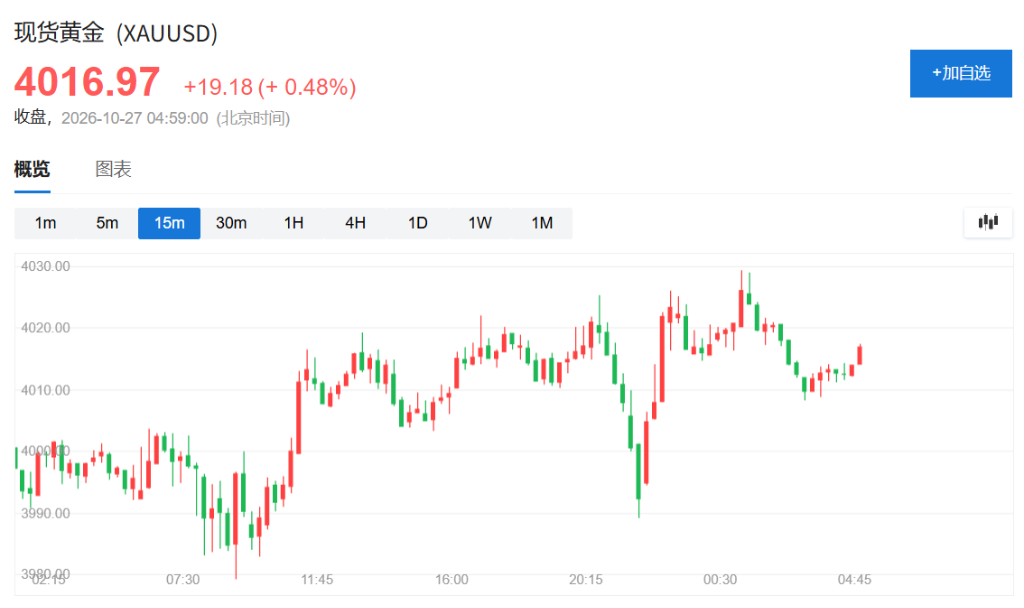
The S&P 500 rose 0.70%, and the Nasdaq gained 0.82%, both snapping two-day losing streaks. NVIDIA advanced 2.4%, while Micron climbed 2.98%. CoreWeave increased by 1.76%. Brazil's stock index closed down more than 15%, and the Brazilian real at one point fell over 11%. The yield on the 10-year U.S. Treasury note briefly surged above 5% before eventually easing 1.23 basis points in tandem with falling oil prices. Gold dipped to $3,978.18 during the session before rebounding to post a 0.48% gain. Spot silver rose 0.09%. WTI crude oil declined by about 1.6%.
Anthropic filed its IPO application, reigniting the AI‑related financing narrative in a pivotal week. On Monday, major U.S. stock indexes all closed higher, though trading volume remained subdued and gains were unevenly distributed.

On the eve of the Federal Reserve's decision, the U.S. Treasury market remained calm. Oil prices edged lower, but the Middle East risk premium has yet to dissipate.
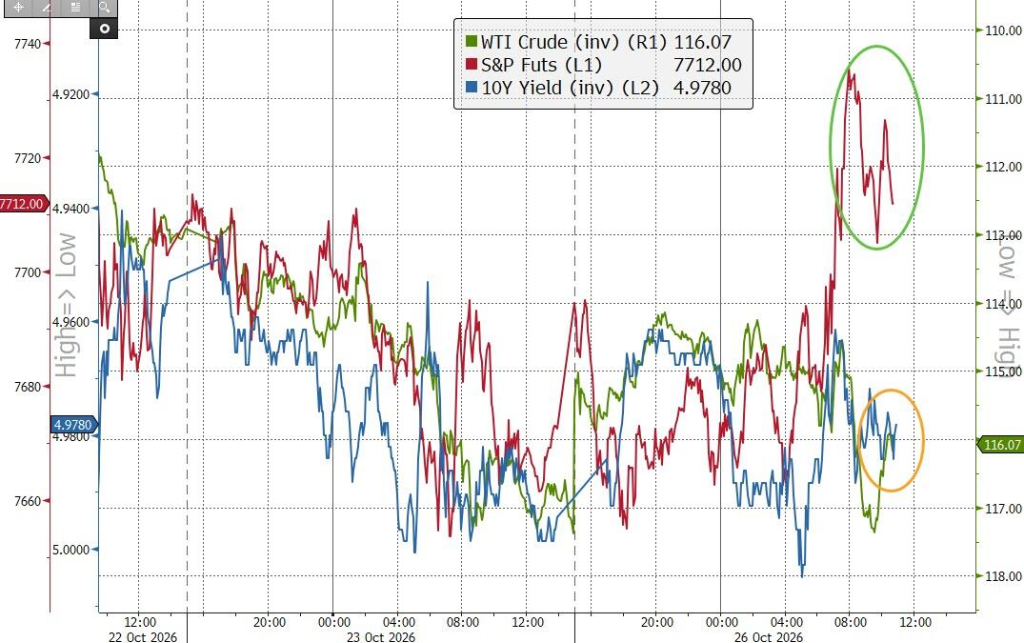
 Anthropic PBC officially filed its IPO application, rekindling investor confidence in the AI infrastructure narrative and driving the Philadelphia Semiconductor Index up about 3% in a single day, while the Nasdaq 100 rose 1.1% and the S&P 500 closed up 0.7%, ending a two-week pullback.
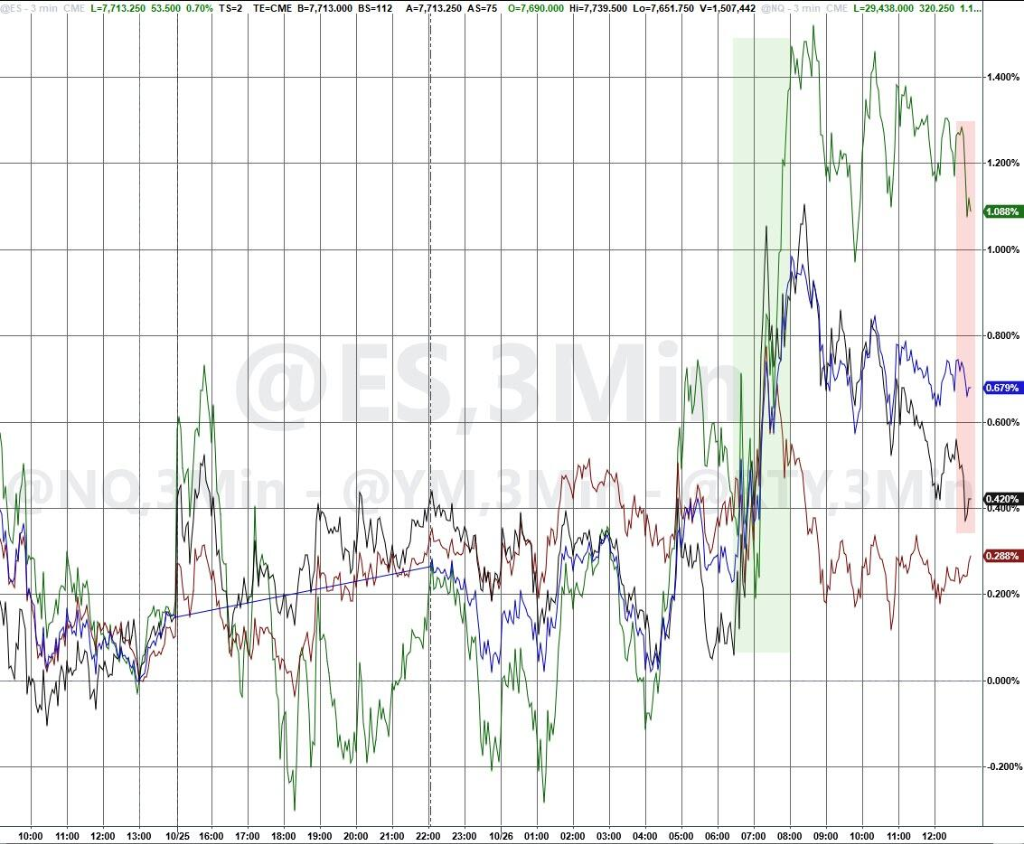
Meanwhile, Meta announced an equity‑financing plan worth up to $95 billion, providing a new source of funding for its AI‑related capital expenditures. The combined impact of these two developments spurred a broad rally among cloud‑computing and chip stocks, which had previously suffered sharp losses.
However, the severe turmoil in the Brazilian market has captured global attention. Following Lula's unexpected election victory, Brazil's stock market, bonds, and the real all plunged simultaneously, with many individual stocks posting single-day declines exceeding 30%, and some falling by more than 50%. Investors are concerned that the new government will expand fiscal spending, driving up inflation expectations, causing the spread on Brazil's five-year credit default swaps (CDS) to surge sharply.
This week, the market faces a series of critical tests: the Federal Reserve will announce its interest-rate decision on Thursday, and major tech companies Alphabet, Microsoft, and Amazon will release their earnings reports one after another. Investors will closely scrutinize the sustainability of AI-related capital expenditures and corporate profitability.
Anthropic's IPO ignites AI-related sentiment, with chip stocks leading the rally.
On Monday, the three major U.S. stock indexes all closed higher. The S&P 500 rose 0.70% to 7,677.33, snapping a two-day losing streak; the Nasdaq gained 0.82%, with the Nasdaq 100 up 1.09%; the Dow Jones Industrial Average advanced 0.28%, and the Russell 2000 climbed 0.38%.$Philadelphia Semiconductor Index (.SOX.US)$It led the gains with a 2.82% increase.
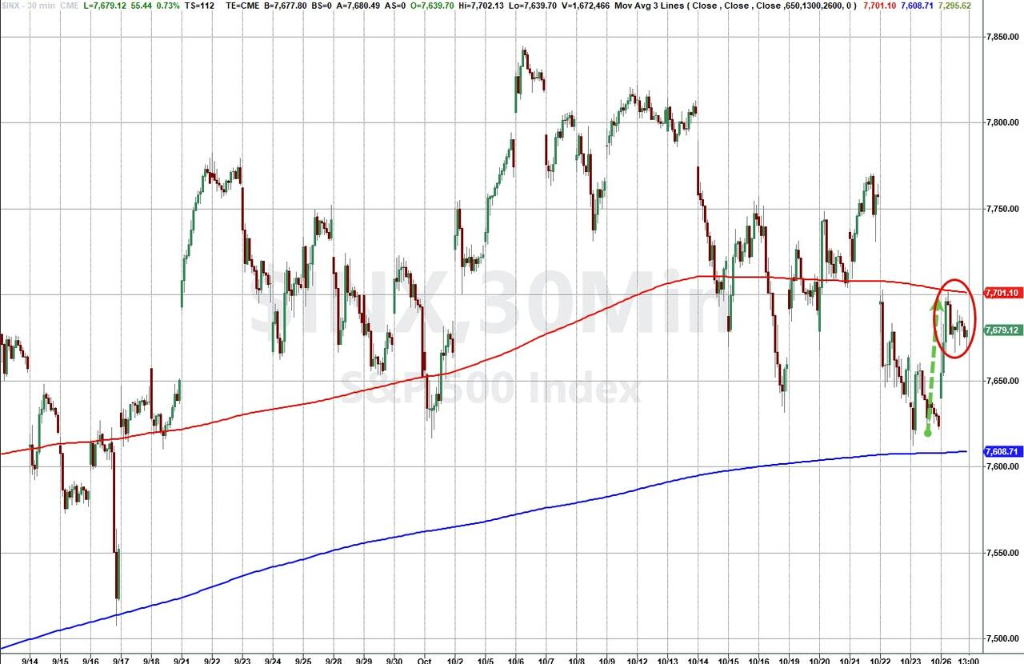
Notably, the S&P 500 remains capped near its 50-day moving average.
Goldman Sachs' U.S. Broad AI Index rose 2.49% on the day, while the S&P 500, excluding AI-enabled stocks, gained only 0.02%.
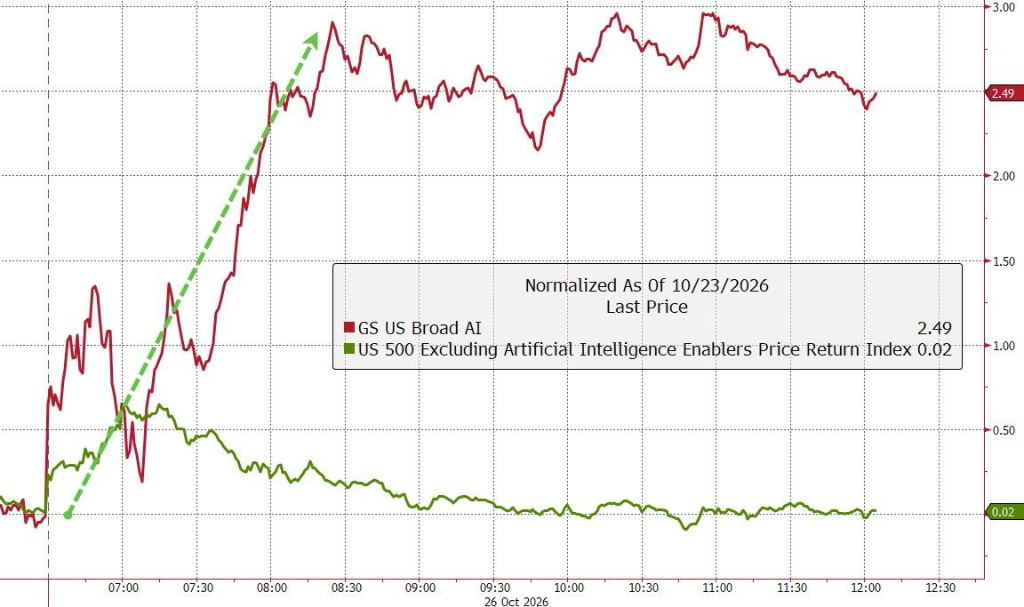
Anthropic's S‑1 filing was the primary catalyst driving Monday's market rally.
The company's prospectus shows that it achieved its first operating profit in the second quarter of this year; however, due to the revaluation of notes, its net loss for the first half of the year reached as high as US$8.07 billion, while revenue posted rapid growth. The company plans to list on Nasdaq's Global Select Market under the ticker symbol "ANT."
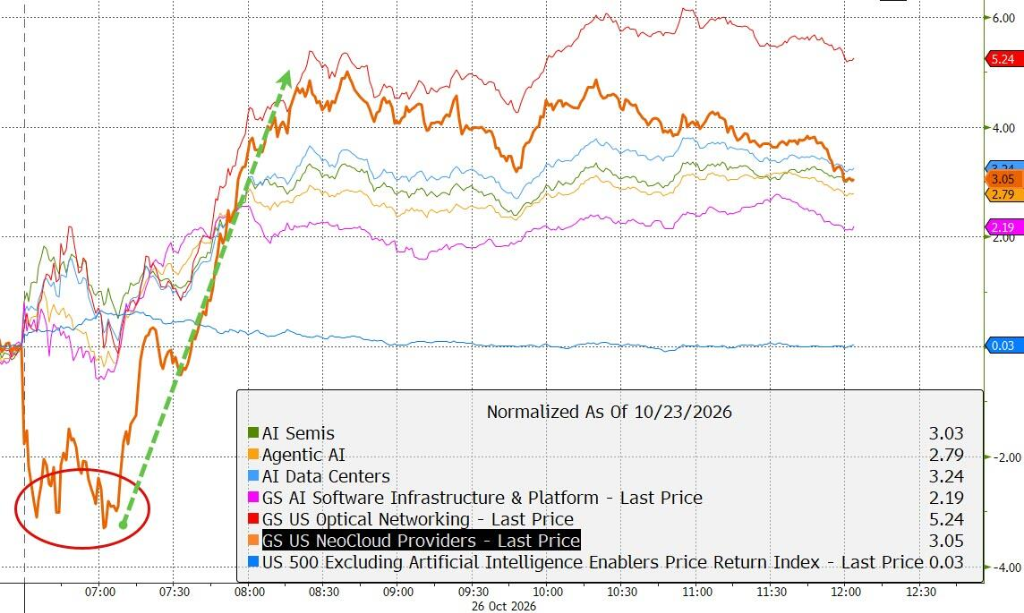
Following the announcement,$Lumentum(LITE.US)$Up over 8%,$SK Hynix (SKHY.US)$Up over 4%,$NVIDIA (NVDA.US)$Up 2.40%,$Micron Technology (MU.US)$Up 2.98%,$Broadcom (AVGO.US)$It rose 2.33%. Even the emerging cloud service providers that suffered the steepest declines last week have stabilized,$CoreWeave(CRWV.US)$At one point during the session, prices dipped to $51.24, but by the close they had reversed course, up 1.76%. IREN gained 2.11%, while Nebius, in the same sector, ended the day down 3.45%.
Optical communications, AI semiconductors, intelligent agents, and the data center sector led the day's gains.
Interactive Brokers strategist Steve Sosnick stated:
Anthropic's IPO has clearly rekindled market enthusiasm for all AI‑related assets, a sentiment that had been absent over the past few weeks. This offering will serve as a crucial test of market sentiment and risk appetite.
Strategist Jay Woods said the market needs news like this—just as it needed SpaceX's IPO—which would significantly boost confidence. He expects strong subscription demand, as investors have been eagerly anticipating and discussing this IPO for a long time.
However, analysts also caution that the structural risks associated with AI‑driven trading have yet to dissipate. According to Bloomberg, for positive AI‑generated earnings guidance to materialize, multiple factors—including pricing, equipment utilization, equipment lifespan, and financing costs—would need to improve simultaneously, and each of these variables is subject to ongoing pressure from rapid technological change. Michael Ball noted:
The decline in token prices ultimately benefits users more than infrastructure builders; in other words, a correct assessment of the AI application landscape no longer automatically translates into a correct prediction of who will capture the economic value.
Meta's equity financing answers the question: "Who will foot the bill?"
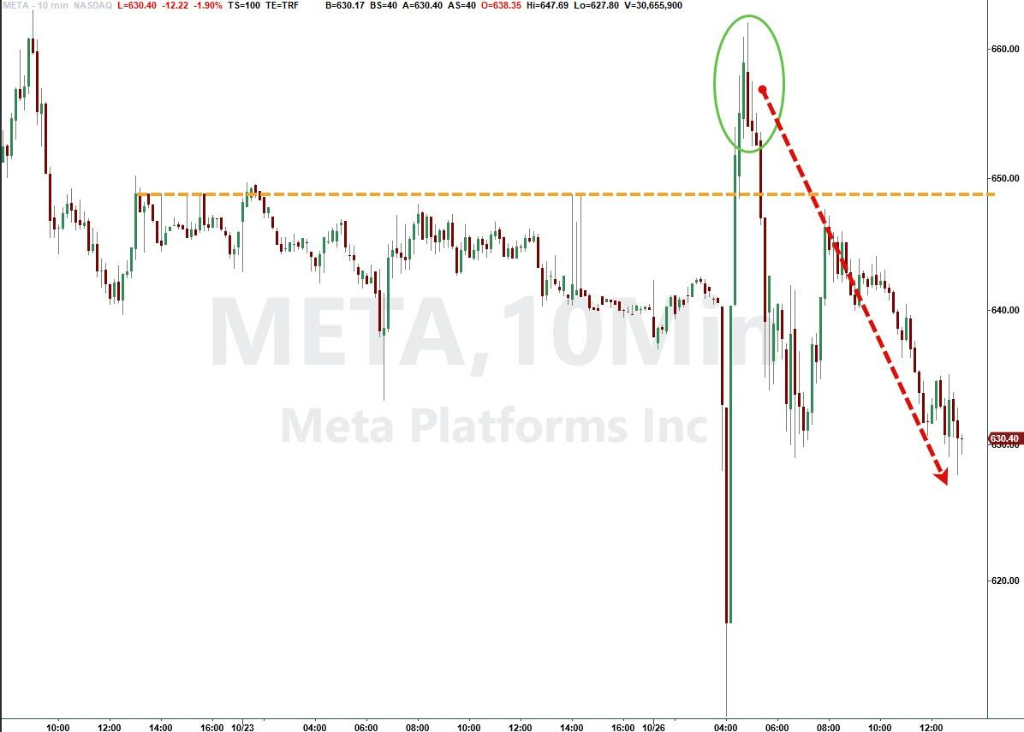
$Meta Platforms(META.US)$On the same day, a public offering was launched, with $22.5 billion in Class A common stock and $12.5 billion in mandatory convertible preferred stock, underwritten by Morgan Stanley and Goldman Sachs. NVIDIA, AMD, and Broadcom have indicated interest in collectively subscribing for up to $5 billion worth of Class A shares.
The company also announced that, following the listing of its non-voting Class C shares in the first quarter of 2027, it will launch an on‑exchange, phased equity offering program with a cap of US$60 billion, thereby establishing a dedicated funding channel for long-term AI‑related capital expenditures.
This move directly addresses the market's longstanding concerns about the sources of capital spending for AI infrastructure. Meta's stock briefly turned higher during the day but ultimately closed down 1.88%.
Richard Saperstein of Treasury Partners stated:
The key focus is on the projected scale of these companies' future AI-related spending, and whether such expenditures can be consistently funded by operating cash flow or will require equity and debt financing.
Bank of America has$Meta Platforms(META.US)$The target price has been raised from $810 to $845, while the buy rating is maintained, as the financing is expected to ease pressure on capital expenditures.
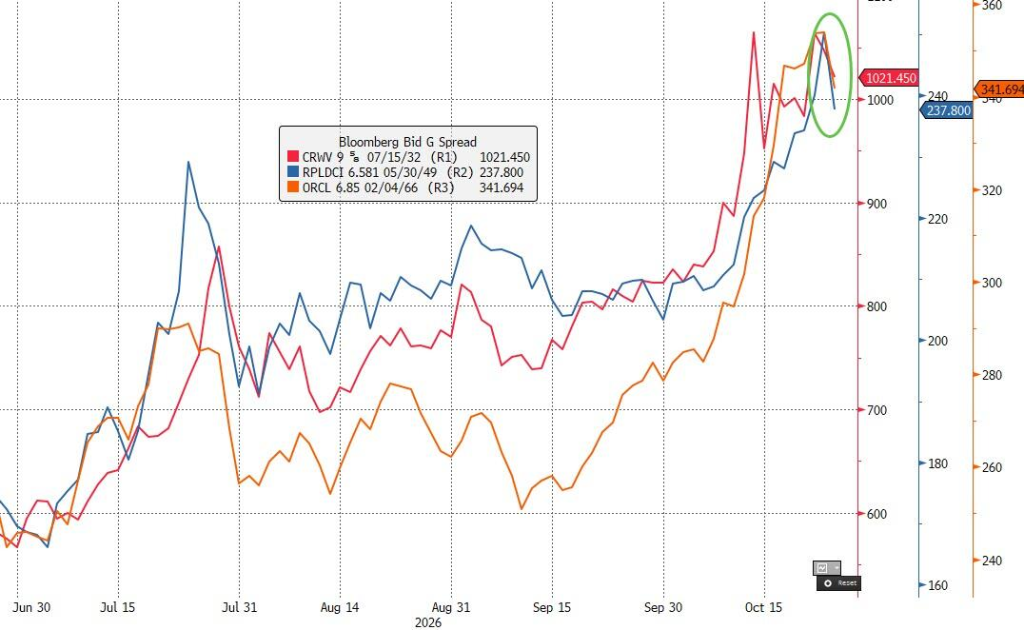
In the credit market, spreads on data-center bonds have narrowed, and CDS spreads for ultra-large tech firms have tightened slightly. The investment-grade credit market has seen a modest recovery overall, though the extent of the rebound remains limited.
Key Test This Week: The Fed and Super Earnings Week
The market's current technical dynamics are also worth watching. According to Bloomberg, MenthorQ data show that the S&P 500's net Gamma is slightly negative, while Nasdaq's Gamma is even more markedly negative, suggesting that market makers' hedging mechanisms will amplify price volatility within the index's current range.
Analysts note that the S&P 500's key support and resistance levels are clustered around the 7,690–7,700 range. If the index can sustain itself above this zone, the overall gamma profile will improve markedly; conversely, a break below it would leave the index vulnerable to mechanical instability, even if individual AI stocks stage a rebound.
"Key tests begin on Wednesday—first, the Federal Reserve's policy decision, followed by mega‑cap tech stocks, which must deliver earnings that justify Meta's equity‑financed capital spending," analysts told Bloomberg, outlining this week's central narrative. "For traders holding short Gamma positions, the long‑awaited short squeeze may finally be upon us."
Lula's victory sends shockwaves through Brazilian assets, with Brazil‑listed companies on U.S. exchanges suffering sharp losses across the board.
The results of the second round of Brazil's presidential election were announced on the evening of the 25th, local time. Luiz Inácio Lula da Silva, the Workers' Party candidate and incumbent president, defeated Jair Bolsonaro, the Liberal Party candidate, by a vote of 51.77% to 48.24%, securing his re-election. Bolsonaro has refused to acknowledge the outcome and is seeking to annul the runoff.
Previously, the market had widely bet on fiscal consolidation following a right-wing victory, and the Brazilian stock market promptly gave back all of its gains after the first round of voting.
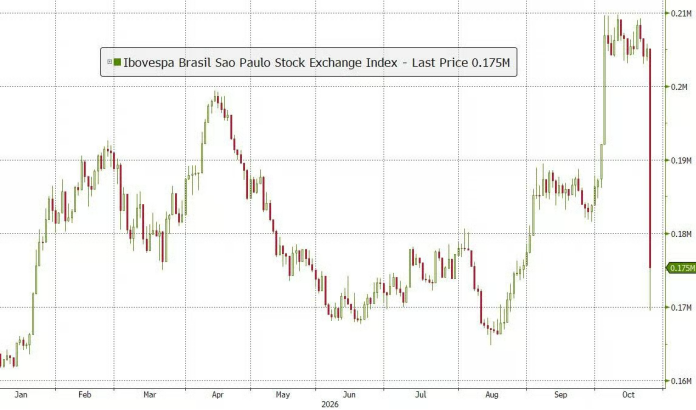
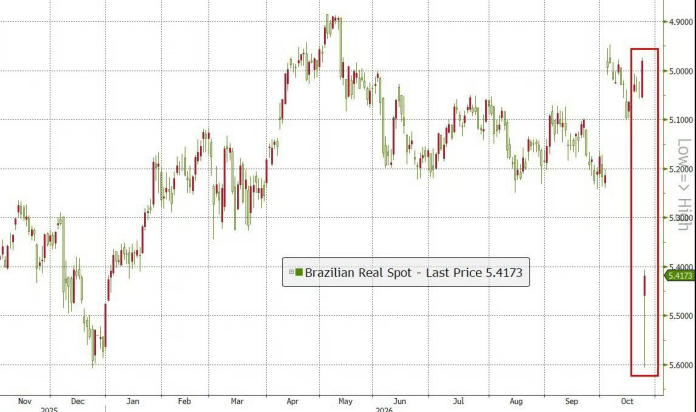
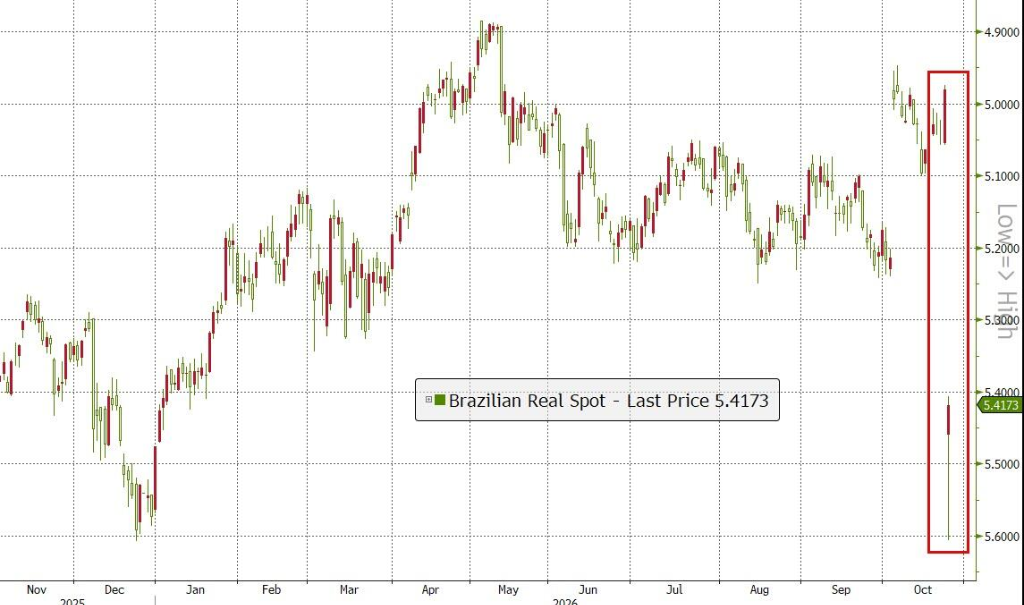
The Ibovespa index closed down more than 15%, with intraday losses at one point widening to 17.34%, triggering the exchange's 10% circuit breaker and prompting a 30-minute trading halt. The Brazilian stock and futures exchange twice widened its daily price‑fluctuation limits. In the spot market, the real plunged by over 11% during the session before paring its losses to around 8% by the close.
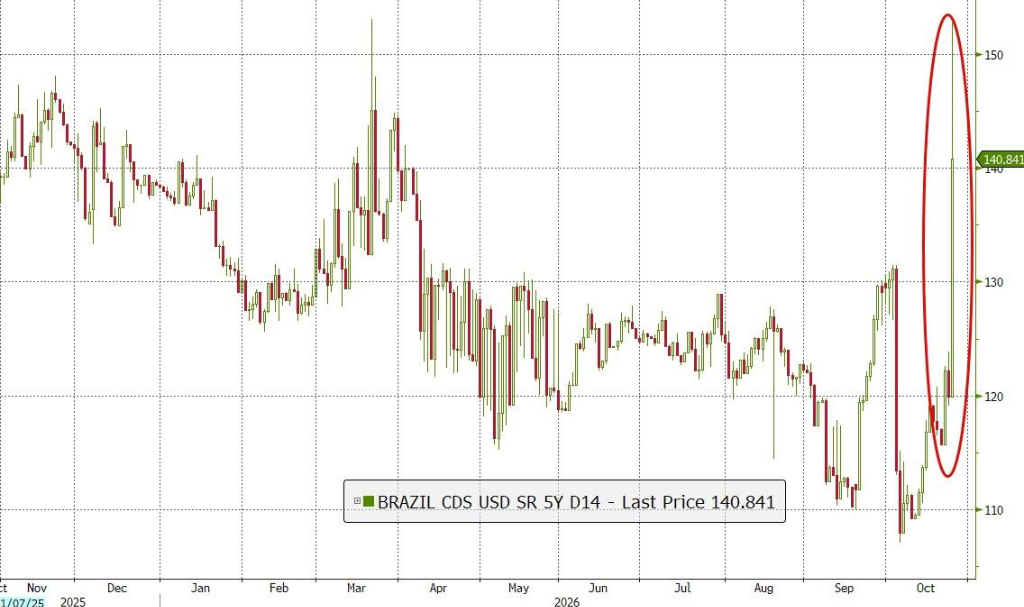
Brazil's 5-year credit default swap spread jumped from 120.21 basis points to 151.67 basis points, while the yield on its local-currency government bonds maturing in 2037 rose to 15.23%.
Brazilian companies listed in the U.S. also tumbled sharply. Brokerage firm XP fell 48.36%, while the payment company…$PagSeguro Digital(PAGS.US)$Down 25.17%, Itaú Unibanco fell 20.37%,$Petroleo Brasileiro SA Petrobras (PBR.US)$Down 13.99%, tracking the Brazilian stock market's…$MSCI Brazil Index ETF - iShares (EWZ.US)$Down 19.82%.
The depreciation of the real has benefited exporters. Vale SA,$Suzano(SUZ.US)$ 、 $Embraer (EMBJ.US)$It rose against the market trend that day. Brazil's oil giant's CEO described the sell-off as speculative and instead saw it as a buying opportunity.
Jim Reid, head of global macro research at Deutsche Bank, said the market had been gradually pricing in a Bolsonaro victory, making this outcome unexpected. Alejo Czerwonko, chief investment officer for emerging markets at UBS Group, believes that the rally following the first round of voting will be largely reversed, and sentiment will remain subdued until a clear fiscal plan emerges.
On the eve of the Federal Reserve's decision, the U.S. Treasury market remained calm.
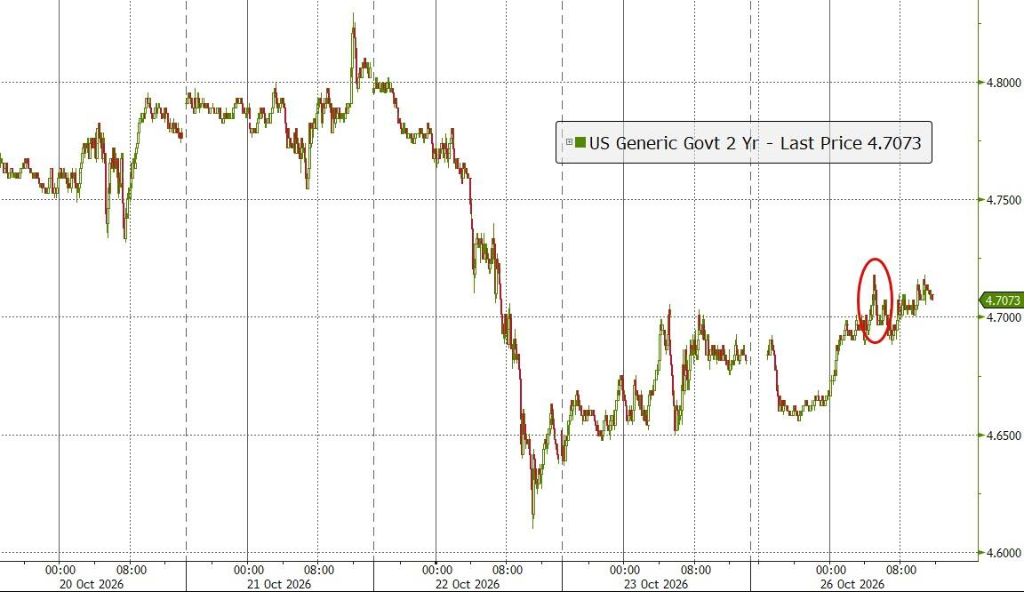
Following last week's sharp volatility in the bond market, U.S. Treasury yields were broadly subdued on Monday, with limited macroeconomic catalysts. Over the course of the day, the yield curve edged slightly flatter, as short-term rates underperformed longer-term rates. The 10-year Treasury yield slipped by 1 basis point to 4.98%.
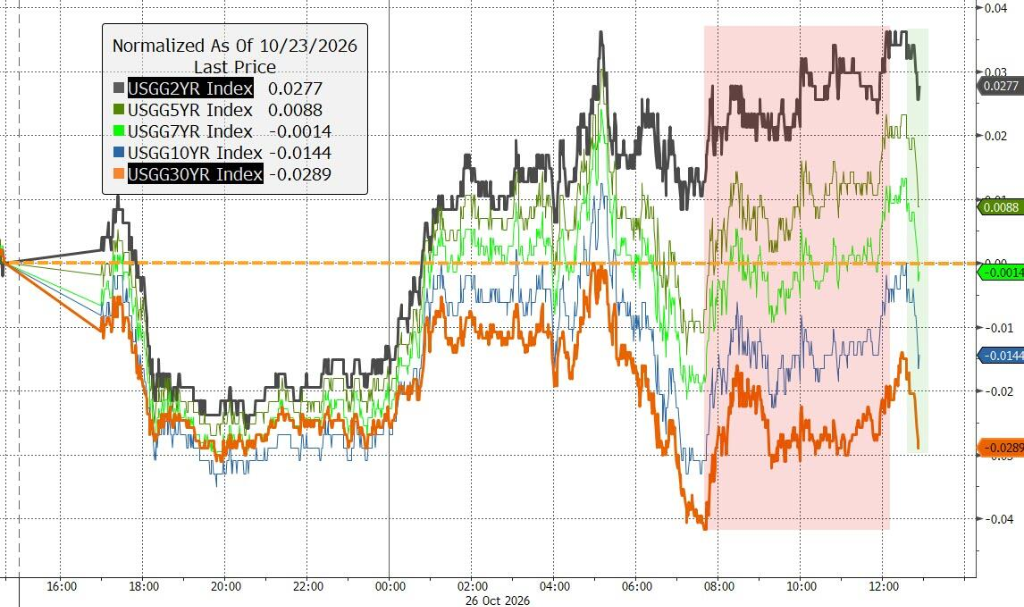
On the day, the auction of 2-year U.S. Treasury notes revealed somewhat subdued demand, with indirect bidders—including overseas investors—accounting for only 45.7% of the total subscription, a marked decline from 57.7% at the previous auction, reflecting market caution ahead of the Federal Reserve's policy decision.
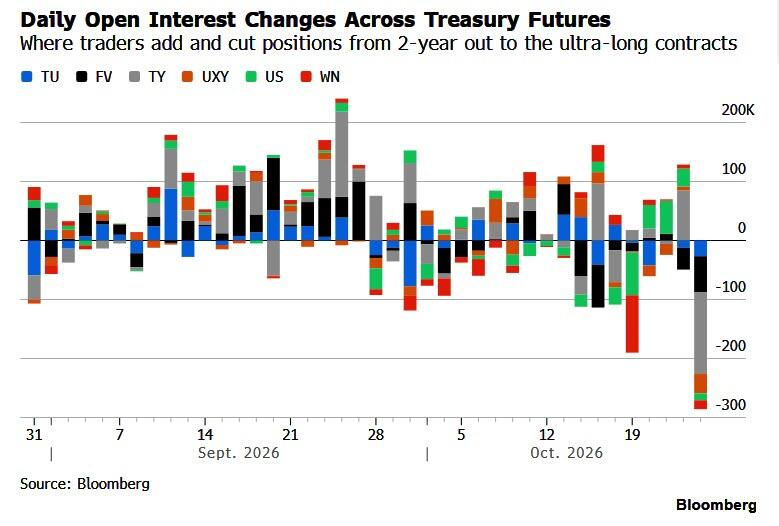
Analysts note that the bond market was relatively quiet on the day, which is understandable, as CME's final open interest data released last Friday showed a large-scale liquidation of U.S. Treasury futures contracts—marking the largest de‑risking move in the 10-year Treasury futures since late August, when the December contract was at its most active.
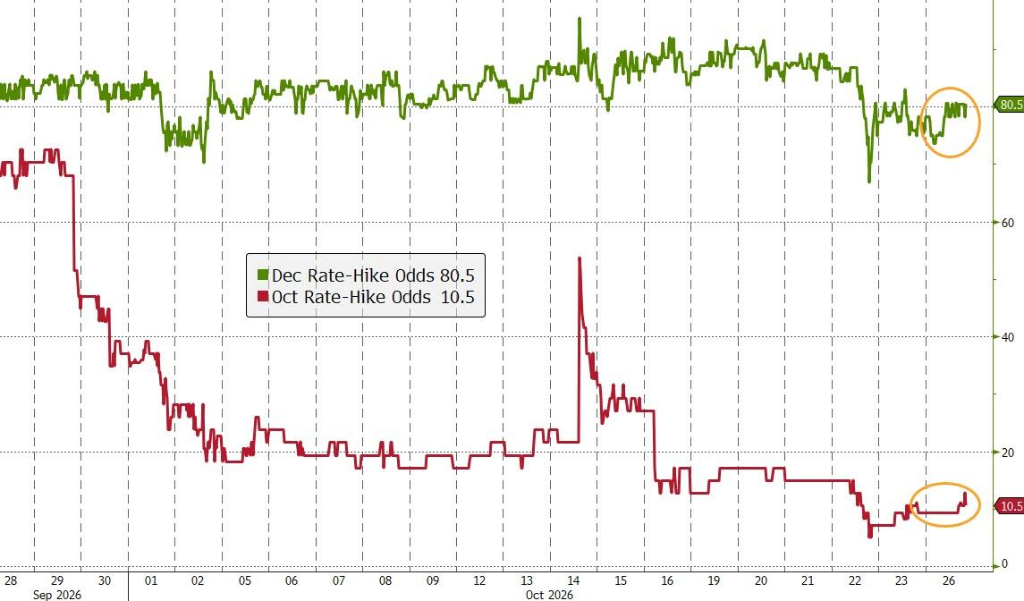
According to CME Group's FedWatch data, the market currently prices in roughly a 12.7% probability of a rate hike by the Federal Reserve on Wednesday, though the outlook for a December rate increase remains highly uncertain.
Saperstein stated:
We expect the Federal Reserve not to raise interest rates this time, as bond-market yields have already tightened credit conditions since the last meeting; we anticipate that its rhetoric will lean hawkish while its actions remain dovish.
Seema Shah of Principal Asset Management believes that, given this round of inflationary pressures stems primarily from energy and exchange-rate factors rather than overall economic overheating, the current tightening cycle is likely to be relatively shallow. She expects the Federal Reserve to raise interest rates once in December and again in 2027.
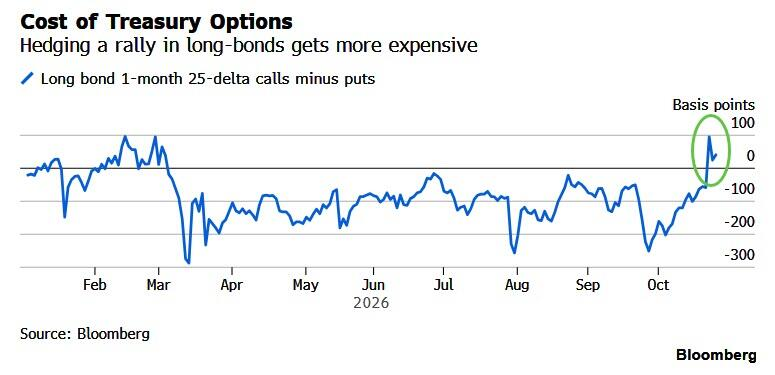
According to Bloomberg, bullish call‑option demand for long‑dated bonds has picked up in the options market, with call‑option premiums on long‑term Treasury futures at their highest level since February this year, signaling that some traders are beginning to hedge against a potential decline in yields.
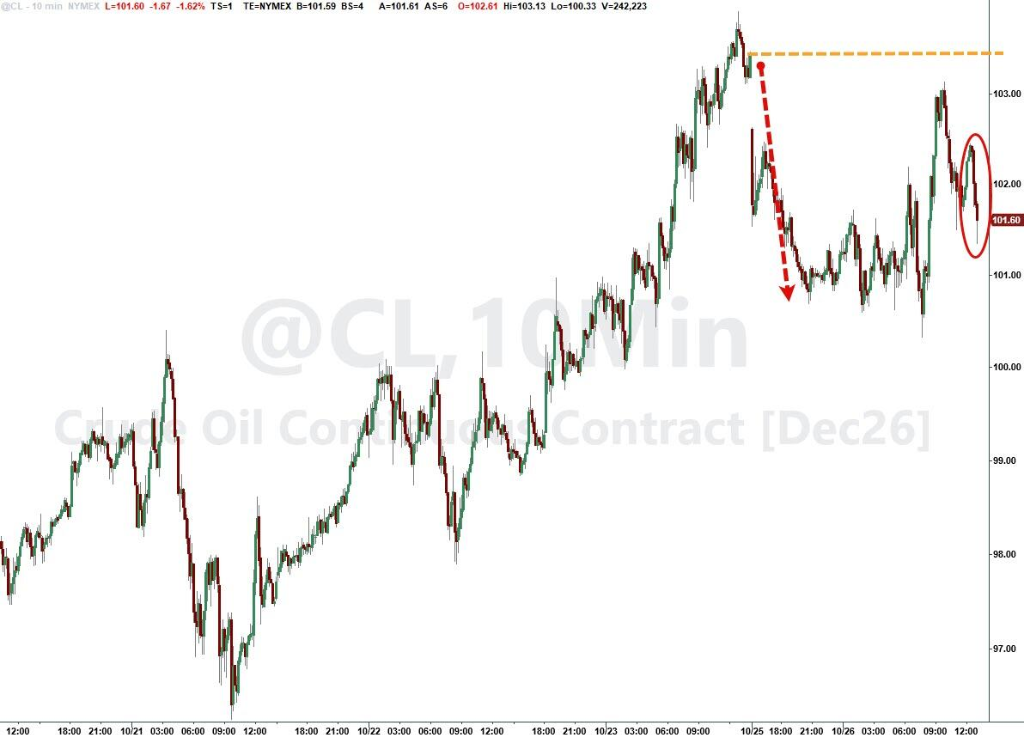
Oil prices edged lower, with the Middle East risk premium remaining in place.
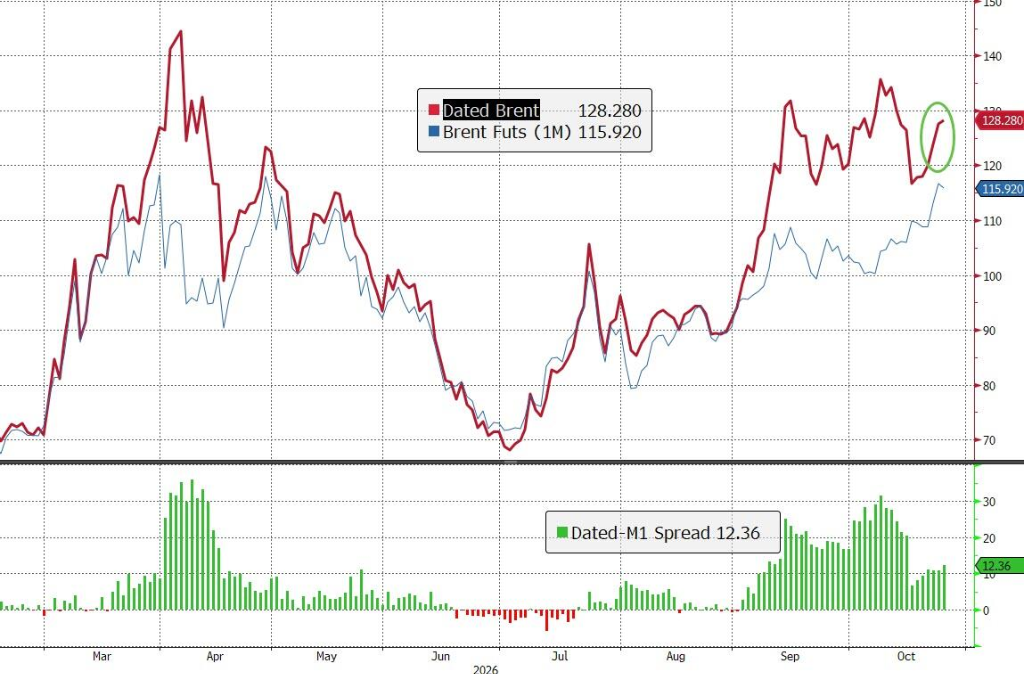
International crude oil prices edged lower on Monday but remained near six-month highs. WTI crude settled down about 1.6% at around $101.57 per barrel, while Brent crude closed near $116.
Notably, the spot price of Brent crude oil rose on the day, indicating that physical crude oil supplies remain tight.
Multiple Middle East risk factors continue to underpin oil prices. Trump stated that the "time for a decision is drawing ever closer" regarding whether to reach an agreement with Iran or resume military strikes; the Saudi-led coalition announced it had destroyed three drones over Riyadh; and, according to Reuters citing Lebanese security sources, Hezbollah is preparing for a new round of regional conflict with financial backing from Iran.
Jorge Leon, Head of Geopolitical Analysis at Rystad Energy, stated:
The market is pricing in the risk of escalating tensions following the U.S. midterm elections, when Washington's direct political pressure from rising oil prices is expected to ease. This risk could keep oil prices elevated even as supply conditions improve.
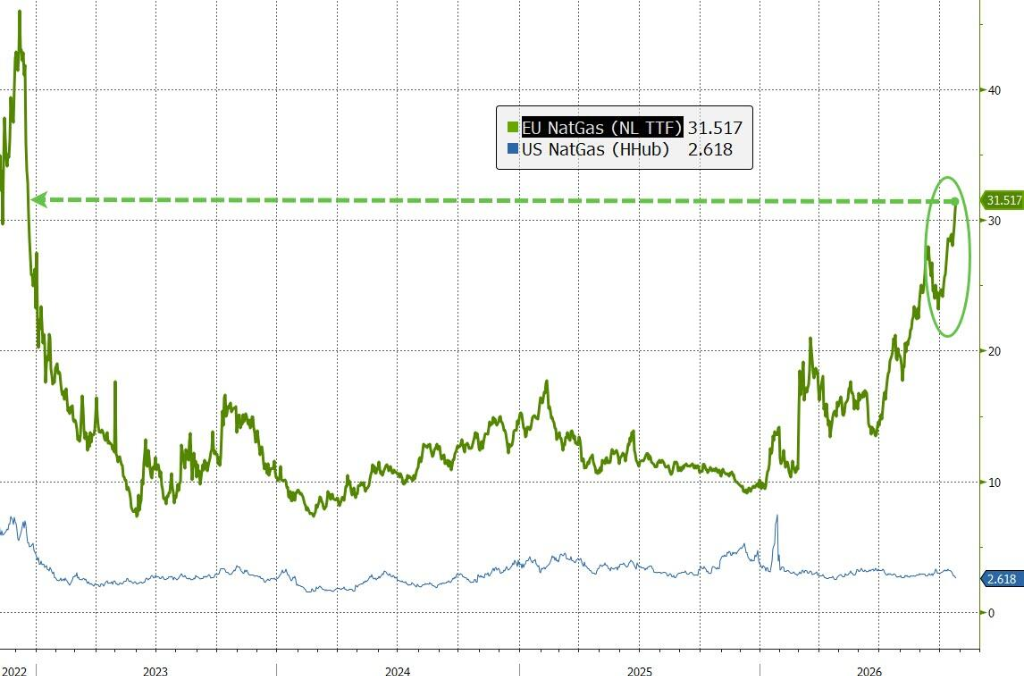
European natural gas prices have also continued to climb, reaching €97 per megawatt-hour—the highest level since 2022. EU gas storage levels stand at around 75%, the lowest for this time of year since records began in 2009, while Germany's storage is just above 61%.
The U.S. dollar is trading sideways, and Bitcoin has fallen below the $80,000 mark.
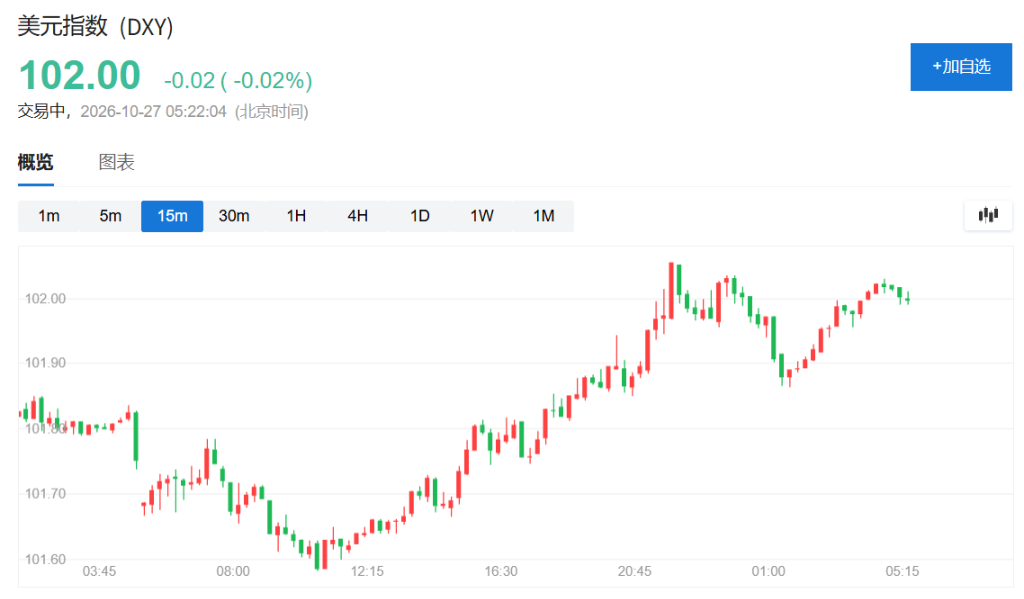
The U.S. dollar index fluctuated throughout the day, dipping below 101.50 at one point. The index, which measures the dollar against six major currencies, edged down 0.02%, closing at 101.959 in late trading. The euro fell to $1.1183, while the dollar rose to 157.43 per yen.
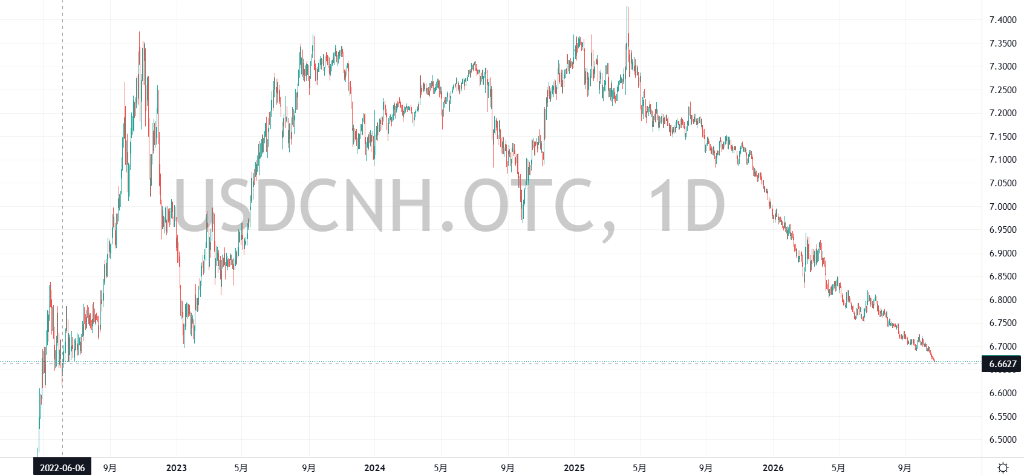
In late New York trading, the U.S. dollar was quoted at 6.6676 yuan per offshore renminbi, down 14 pips from Friday's close in New York, with intraday trading ranging between 6.6698 and 6.6670 yuan.
On the daily chart, the offshore renminbi has been steadily approaching its closing levels of 6.6570 on June 6, 2022; 6.6223 on May 4, 2022; 6.5868 on April 27, 2022; and 6.3777 on April 18, 2022.
Spot gold dipped as low as $3,978.18 during the session before rebounding to trade up 0.48%. Spot silver was at $53.75, up 0.09%.
After falling below $80,000, Bitcoin staged a modest rebound, closing at $79,803.20, down 0.30%.
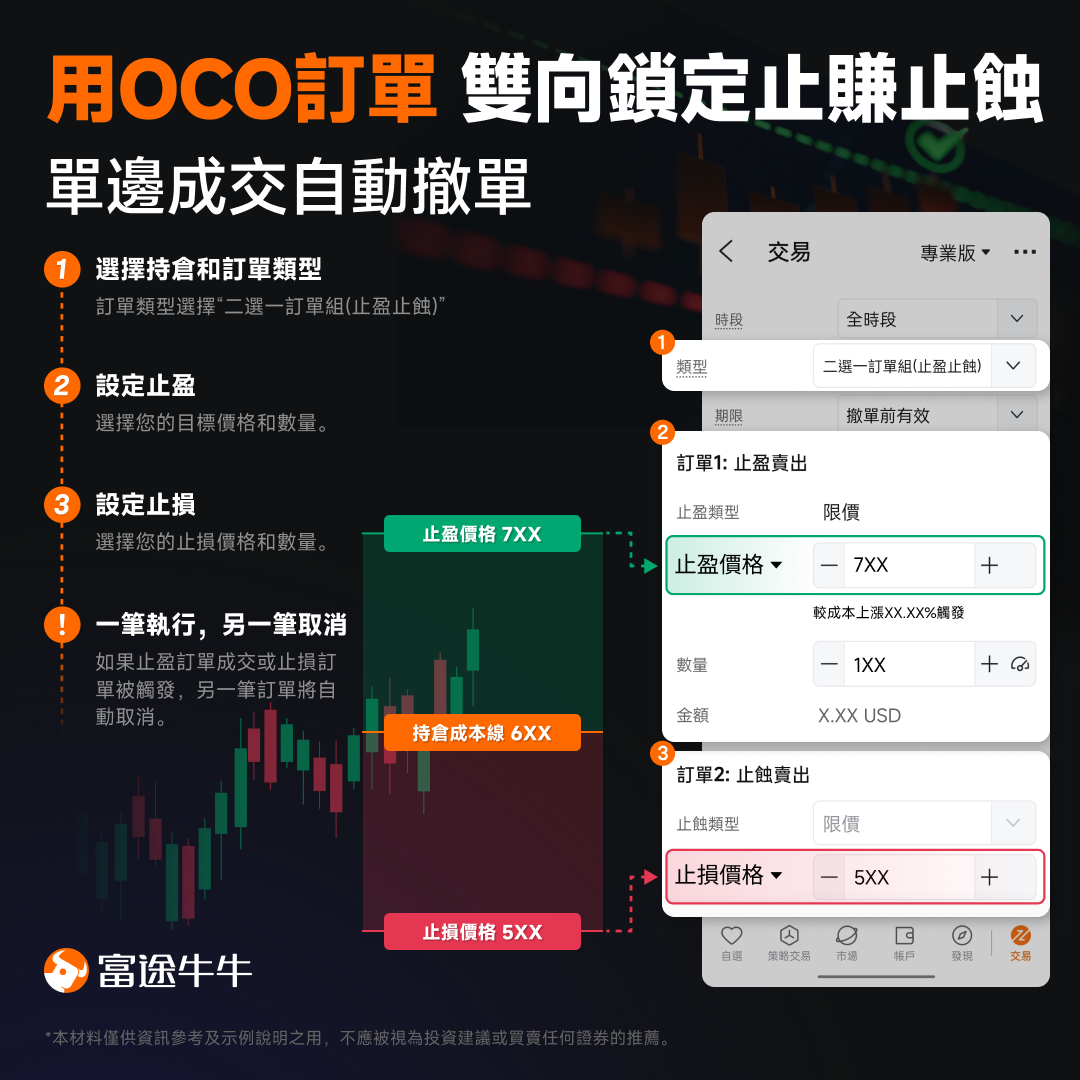
Market conditions can be highly volatile. Rather than rushing to sell once the trend becomes clear, it's better to prepare for both scenarios in advance. OCO (One Cancels the Other) orders let you place two linked orders simultaneously: when one is executed, the other is automatically canceled, giving you the flexibility to adapt to a wide range of market movements.
Editor/stephen