
Goldman Sachs believes that the energy shock brought about by the U.S.-Iran conflict is only a 'moderate stagflation,' and it is unlikely to repeat the 2022-style runaway inflation. The rise in oil prices mainly erodes consumption and suppresses growth but will not stimulate shale oil capital expenditures to form a counterbalance. Within this framework, Goldman Sachs has raised its inflation forecast while lowering GDP and employment expectations, while maintaining its projection of two interest rate cuts within the year (in September and December).
As the US-Iran conflict continues to escalate, Goldman Sachs believes that this energy price shock will not replay the nightmare of surging inflation in 2022 and maintains its forecast of two interest rate cuts within the year.
The negotiations between the United States and Iran failed to reach a peace agreement in Islamabad last weekend. According to reports, the blockade operation led by the United States, consisting of 15 warships, began early Monday in the Strait of Hormuz. Against this backdrop, Goldman Sachs analyst Jessica Rindels provided clients with an economic analysis framework to navigate the current fog of war and energy turmoil, with the core judgment being: this conflict will bring about a moderate stagflationary shock, but its intensity will be far less than that of the Russia-Ukraine war.
 The direct implication of Rindels' framework for markets is: inflation will rise somewhat, economic growth will slow down, and unemployment will increase slightly, but the shock will not be severe enough to trigger a full-scale supply chain crisis or force Fed Chair Powell into panic rate hikes. Based on this, Goldman Sachs raised its inflation forecast, lowered its GDP forecast, and slightly increased its unemployment forecast.
Oil Price Shock Mechanism: Eroding Purchasing Power Without Triggering a Capital Expenditure Boom
Rindels' analytical framework first clarifies the transmission path of rising oil prices. Higher oil prices will erode household purchasing power, push up overall inflation, and compress consumer spending—this is the core logic behind Goldman Sachs' decision to raise its inflation forecast and lower its GDP forecast.
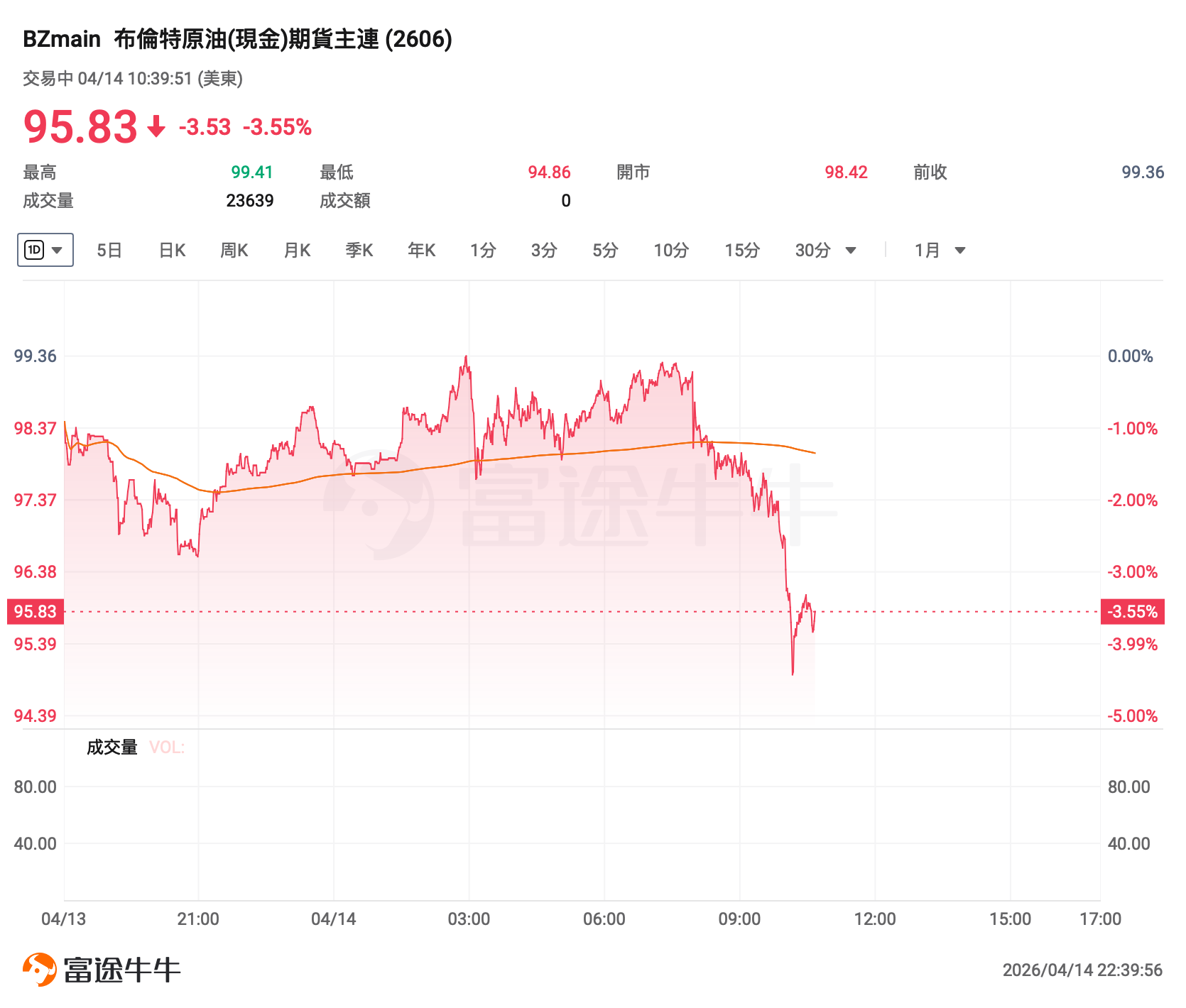
Notably, Rindels explicitly stated that she does not expect the rise in energy prices to trigger a capital expenditure boom in the US shale oil sector. She believes that oil and gas producers are too cautious to respond aggressively with capacity expansion to what is expected to be only a temporary spike in oil prices. This means that the economic impact of this round of energy shocks will manifest more as downward pressure on the consumption side rather than upward support on the industrial side—resulting in less economic cushioning and greater drag.
Interest Rate Cut Path: Once in September and Once in December, Each by 25 Basis Points
Within the above macro framework, Goldman Sachs has maintained its forecast of two interest rate cuts within the year. Rindels stated that the rise in unemployment and the mild further decline in core inflation—with the tariff effect gradually fading from year-on-year calculations—are expected to outweigh the upward pressure from energy price transmission, providing strong grounds for the Federal Reserve to cut rates by 25 basis points each in September and December.
However, Rindels also acknowledged uncertainties. She stated that it would not surprise her if some members of the Federal Open Market Committee (FOMC) opposed rate cuts due to concerns over still-high inflation at the time, and the final decision of the committee could remain uncertain—especially considering factors such as the leadership transition at the Fed and the potential departure of Powell.
Key Differences from 2022: Varying Intensity of Shocks
A core judgment of Goldman Sachs' current framework is to distinguish the present situation from the inflationary shock triggered by the Russia-Ukraine war in 2022. Rindels believes that as the US-Iran conflict has now entered its seventh week, its disruption to the global supply chain does not reach the same magnitude as the Russia-Ukraine war, and therefore lacks the conditions to trigger a comprehensive inflation surge similar to that of 2022.
In Goldman Sachs' view, the nature of this shock is closer to 'moderate stagflation' rather than 'runaway inflation,' which is the fundamental reason for maintaining its interest rate cut forecast instead of shifting to an expectation of rate hikes. Meanwhile, another Goldman Sachs analyst, Shreeti Kapa, also noted in a separate report that the 'final showdown' in the stock market is approaching, indicating a high level of consensus within Goldman Sachs regarding the critical juncture at which the current market stands.
Editor/Doris