Top News
Last-minute reversal! Trump announces extension of ceasefire, maintains naval blockade while awaiting Iran's proposal
After Tuesday's U.S. stock market close, Trump stated that given the 'serious divisions' within the Iranian government, the U.S. has decided to extend the ceasefire until Iran presents a unified negotiation proposal and completes the talks. During this period, the U.S. military will continue to enforce a naval blockade on Iran while maintaining military readiness.
Iranian media reports that Iran has formally rejected attending the U.S.-Iran negotiations on the 22nd. The White House stated that subsequent arrangements for the talks remain uncertain. Iran believes that the U.S. is obstructing any substantive agreement, and participating in the talks would be a waste of time. The White House also announced that following Trump’s decision to extend the ceasefire and await Iran's negotiation proposal, U.S. Vice President Vance and the U.S. negotiating delegation will not travel to Pakistan on Tuesday.
Earlier on Tuesday, Trump indicated he would not extend the ceasefire and threatened to resume bombing Iran. Reports suggested Iran would not participate in the negotiations on the 22nd, and Vance postponed his trip. Following Trump's threat to bomb, the three major U.S. stock indexes turned negative. Sources indicate that Iran accused the U.S. of breaking promises and maintaining excessive demands. According to U.S. media, Vance remains in Washington and will attend a White House meeting. His delay in traveling to Islamabad is due to ongoing internal disagreements in Iran over whether to participate in peace talks.

Trump: A 'major agreement' between the US and Iran is expected, and he will be disappointed if Wash does not cut interest rates quickly.
On the issue of the Federal Reserve Chair, Trump stated that he would be disappointed if Kevin Warsh, his nominee, were to take office after Senate approval but fails to immediately lower interest rates. Additionally, Trump mentioned, 'We must investigate' the construction cost of the new Federal Reserve building.
Wash's testimony emphasized the Federal Reserve's independence, stating that it would never become Trump's 'puppet on a string' and that there had never been a request to make a commitment to cut interest rates.
Wash argued that statements by the president and lawmakers on interest rates do not threaten the Federal Reserve’s independence. The Fed must adhere to its core responsibilities, and venturing into fiscal and social policies beyond its legal authority poses the greatest risk to its independence.
Wash hopes for 'institutional reform' at the Fed, advocating for a new inflation framework and communication approach. He criticized Fed officials for making too many public statements and argued that four interest rate meetings per year are insufficient. AI could enhance economic productivity without triggering inflation, creating room for interest rate cuts. The Fed bears responsibility for the expansion of the U.S.'s 'K-shaped economy,' as its bloated balance sheet amplifies its impact on the economy.
The 'New Fed Wire': Whether Wash’s nomination is confirmed hinges on whether Trump or lawmakers yield in the investigation of Powell.
During the hearing, key Republican lawmaker Tillis insisted that unless the Department of Justice concludes its investigation into Powell, he would not support the nomination. After the hearing, Tillis noted that if Congress takes over the DOJ’s investigation of Powell, he might support advancing Wash’s nomination process.
U.S. retail sales rose 1.7% month-over-month in March, marking the largest increase in over a year, driven primarily by soaring oil prices.
The surge in oil prices due to the Iran war led to a 15.5% spike in gas station spending, acting as the primary driver. Meanwhile, tax rebates from the 'Beautiful America' bill and stabilization in U.S. stock markets also supported consumer resilience. Economists warn that as the rebate effect fades, sustained high oil prices and slowing hiring exacerbate K-shaped consumption disparities. Whether this strong momentum can persist awaits confirmation from GDP data at the end of April.
IEA Annual Report: Data centers accounted for 'half of the increase' in U.S. electricity demand last year, while battery storage is the fastest-growing power technology globally.
Data centers are becoming a key variable in the growth of U.S. electricity demand, contributing to nearly half of the national electricity consumption increase by 2025. This trend is driving electricity demand to outpace overall energy demand, accelerating the “electrification of the economy.” On the supply side, photovoltaics became the largest source of global energy increment for the first time, with battery storage installations reaching record highs and surpassing natural gas, while the growth rate of fossil fuel demand has slowed across the board.
Field Investigation of Shanghai’s Real Estate ‘Golden March, Silver April’: The Upward Transmission of the Second-Hand Housing Replacement Chain Activates Demand for New Homes through ‘Selling Old, Buying New.’
Brokerage data shows that the average transaction price rose month-on-month in April, with daily online signings peaking at 1,632 units, setting a new high over the past five years. The new home market benefited simultaneously, with customers’ decision-making cycles significantly shortened and improvement-oriented projects continuing to gain popularity. Experts believe that, supported by the active forces of second-hand housing transactions and proactive marketing by real estate developers, the short-term market momentum driven primarily by刚需 (first-time homebuyers) and initial improvement demands is likely to persist.
The Middle East crisis has not impacted South Korea's strong export momentum at the beginning of April, with chip exports surging by 182.5%.
The latest data shows that in the first 20 days of April, South Korea's total exports reached US$50.4 billion, a year-on-year increase of 49.4%, setting a new record high for the same period. Semiconductors have been the primary driver of this export surge. Driven by a strong wave of investments in artificial intelligence and data centers, semiconductor exports accounted for 36.3% of total exports, an increase of 17.1 percentage points compared to the same period last year, also setting a new historical record for the same timeframe.
U.S. stock market recap
The three major U.S. stock indexes fell for two consecutive days. Following Trump's threat to bomb Iran, the three major U.S. stock indexes reversed course during trading hours and turned negative.
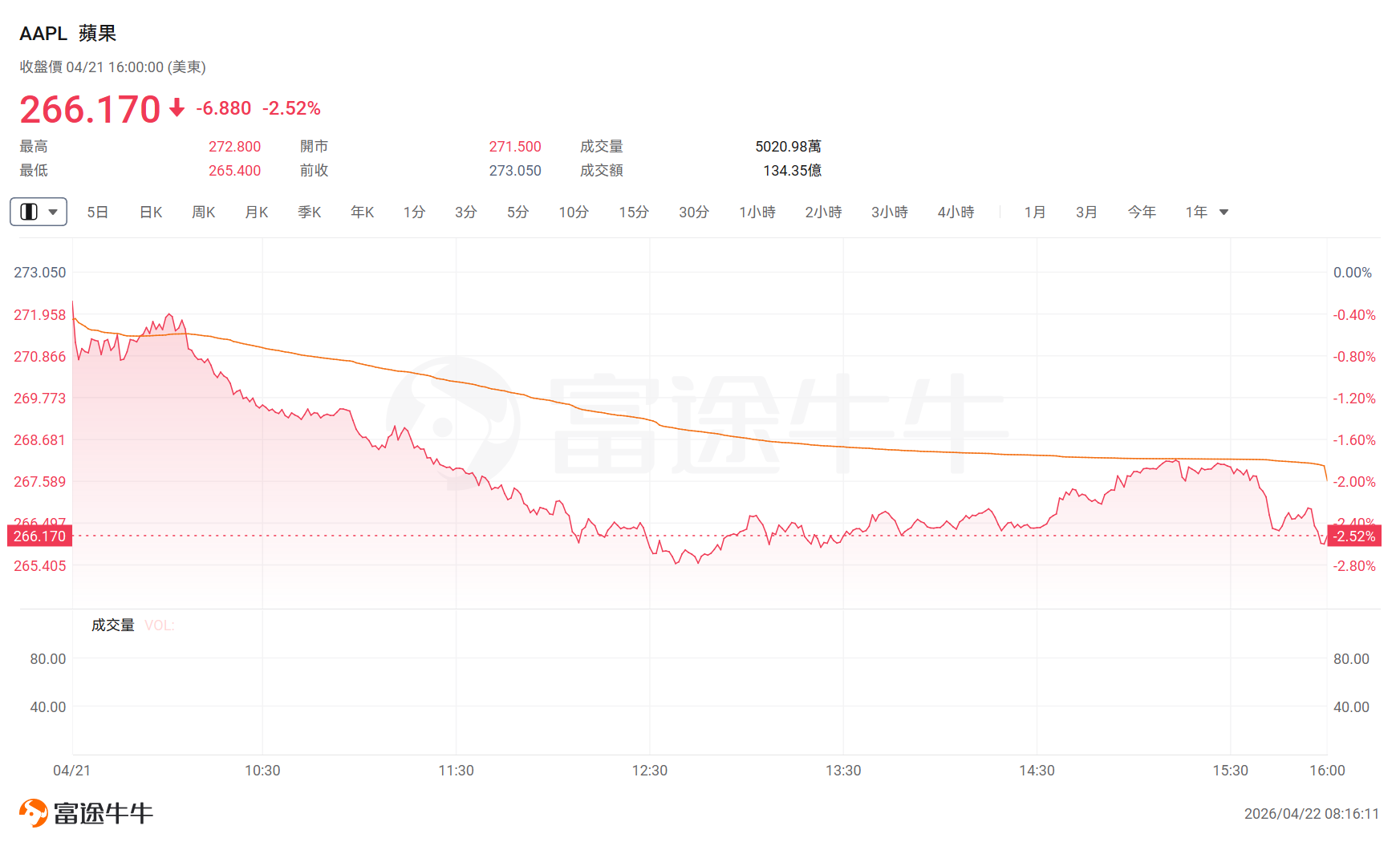
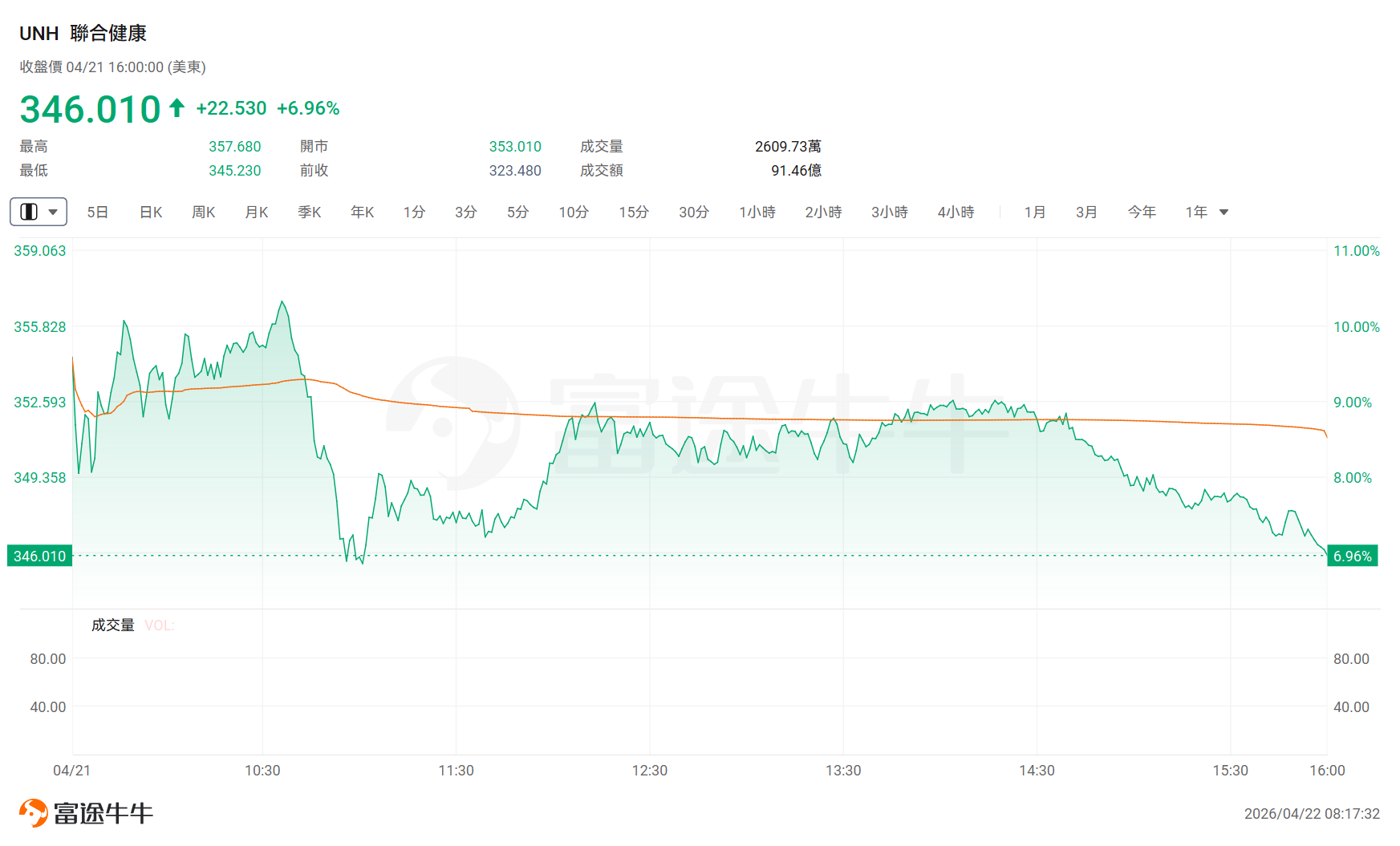
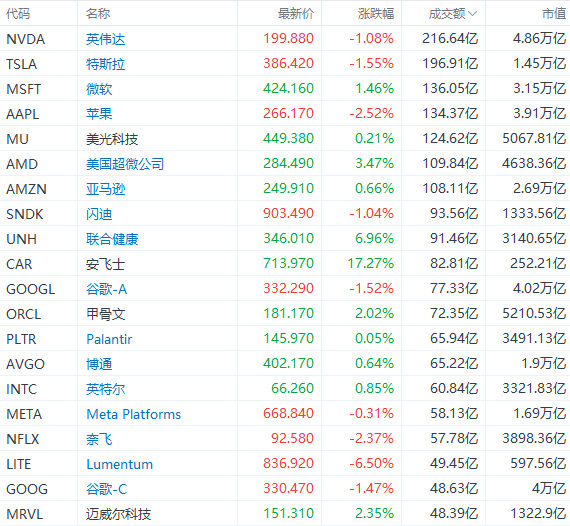
The chip index rose for 15 consecutive days, with AMD gaining nearly 3.5%. ASM, which issued Q2 guidance far exceeding expectations, closed up more than 3%, while NVIDIA fell over 1%. After announcing that CEO Cook would step down, Apple dropped 2.5%, while UnitedHealth, which reported better-than-expected Q1 results, surged nearly 7%.

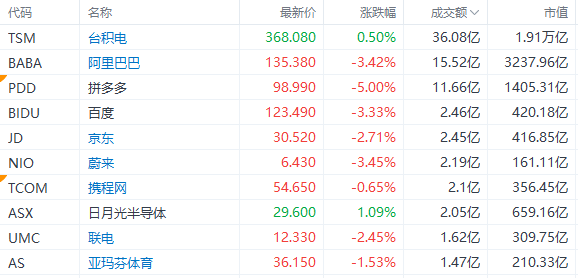
In commodities, following Trump's threat to resume bombing Iran, crude oil reversed course during trading and rebounded for two consecutive days after last Friday’s crash, with WTI crude rising more than 5% at one point. Gold and silver fell for two consecutive days, accelerating their decline and hitting fresh intraday lows after Trump announced an extension of the ceasefire. Spot gold fell more than 3%, while silver futures dropped nearly 6%.
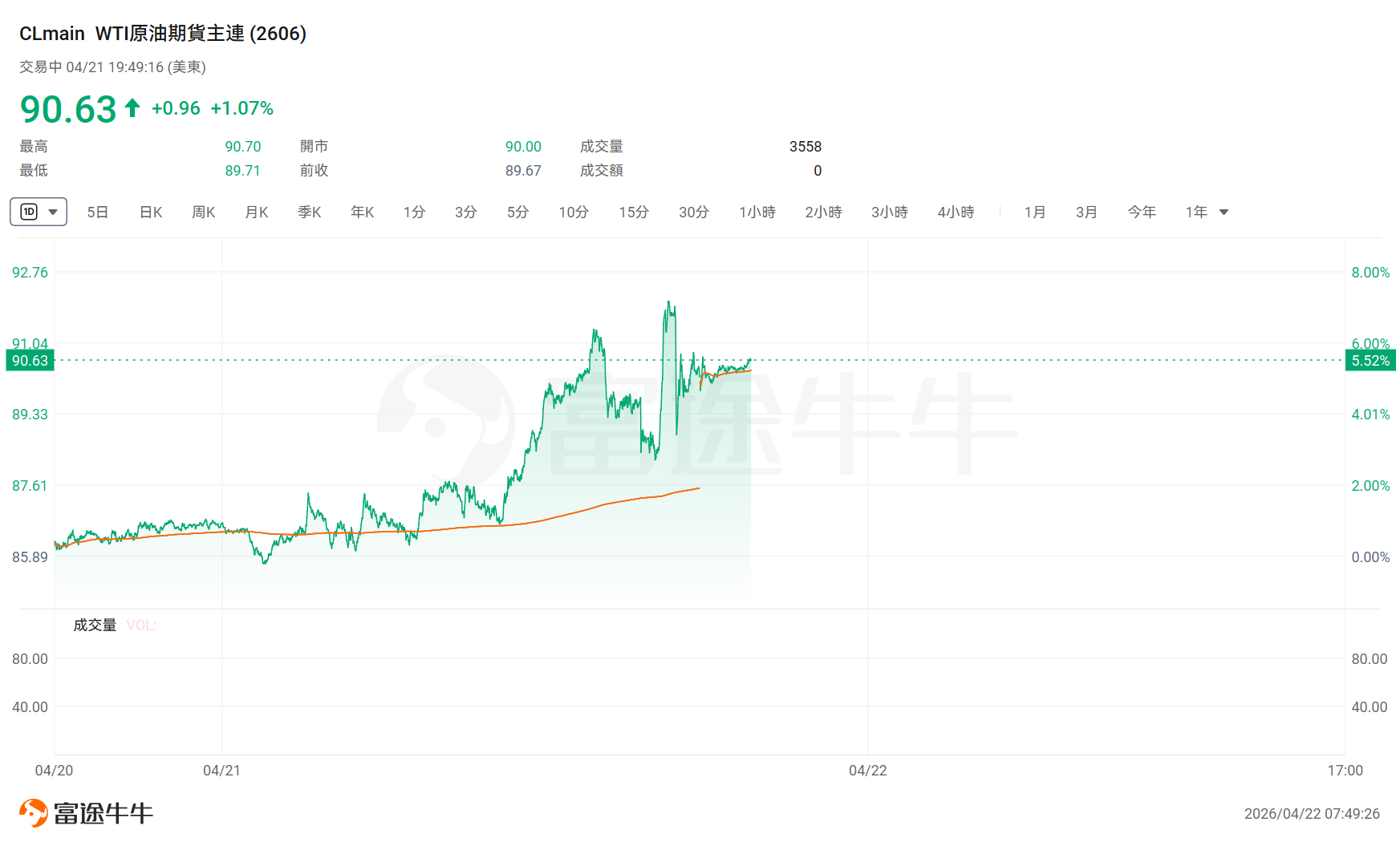
Among popular tech stocks, as of yesterday's close, AMD gained 3.47%, NVIDIA fell 1.08%, Tesla declined 1.55%, and Apple dropped 2.52%.
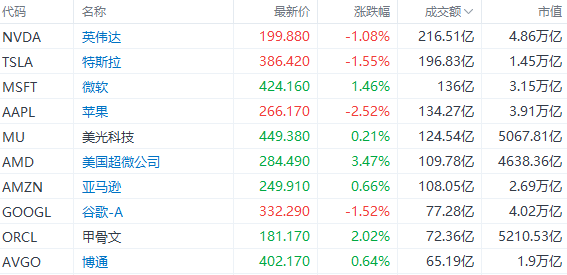
Among popular Chinese stocks, Taiwan Semiconductor rose 0.50%, Alibaba fell 3.42%, PDD Holdings dropped 5%, and JD.com declined 2.71%.
U.S. storage-related stocks strengthened in late trading, with Seagate Technology rising 3.73%, Rambus gaining 2.82%, and Silicon Motion Technologies increasing 2.70%.
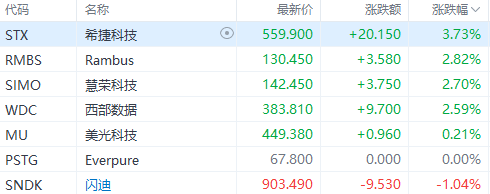
Individual stock information
Why is Ternus Apple’s new CEO?
Hardware engineer John Ternus will succeed Tim Cook as CEO on September 1st — marking the first hardware-focused leader at Apple in three decades. $Apple(AAPL.US)$ He spearheaded major initiatives such as the transition to self-designed chips and projects like the iPhone Air, earning strong internal acclaim. However, the question remains: with Apple clearly lagging behind in the AI race, can this engineer, known for maintaining product excellence, lead Apple to a breakthrough?
The end of the Cook era begs the question: what will Ternus bring to Apple?
As the Cook era concludes, hardware veteran Ternus is set to take the helm at Apple in September. Morgan Stanley believes that neither the vertical integration strategy spanning hardware, services, software, and chips, nor the annual stock repurchase program of $80 billion to $100 billion, nor the mid-single-digit dividend growth strategy, will undergo fundamental changes in the short term. Yet, precisely because of the new CEO, investors now have renewed room to reimagine Apple’s long-term narrative. Since Jobs stepped down in 2011, Apple has outperformed the S&P 500 by more than 57%. Will history endorse this leadership transition once again?
What qualifies the new hardware-focused CEO to lead Apple to victory in the AI war?
Apple has handed the reins to a hardware engineer known for decisiveness, impartiality, and hands-on expertise. This appointment itself signals a clear direction: rather than chasing cloud-based computing power, Apple will focus on terminal integration. However, questions arise: does this hardware executive, renowned for his steadiness and execution capabilities, possess the adventurous spirit required to launch innovative product offensives in the AI era?
Apple reassures the market as Cook states he is in good health and will serve as executive chairman for the long term.
The next CEO, Tenus, stated that AI will create nearly unlimited potential, bringing entirely new opportunities for our products and services, and Apple will once again change the world.
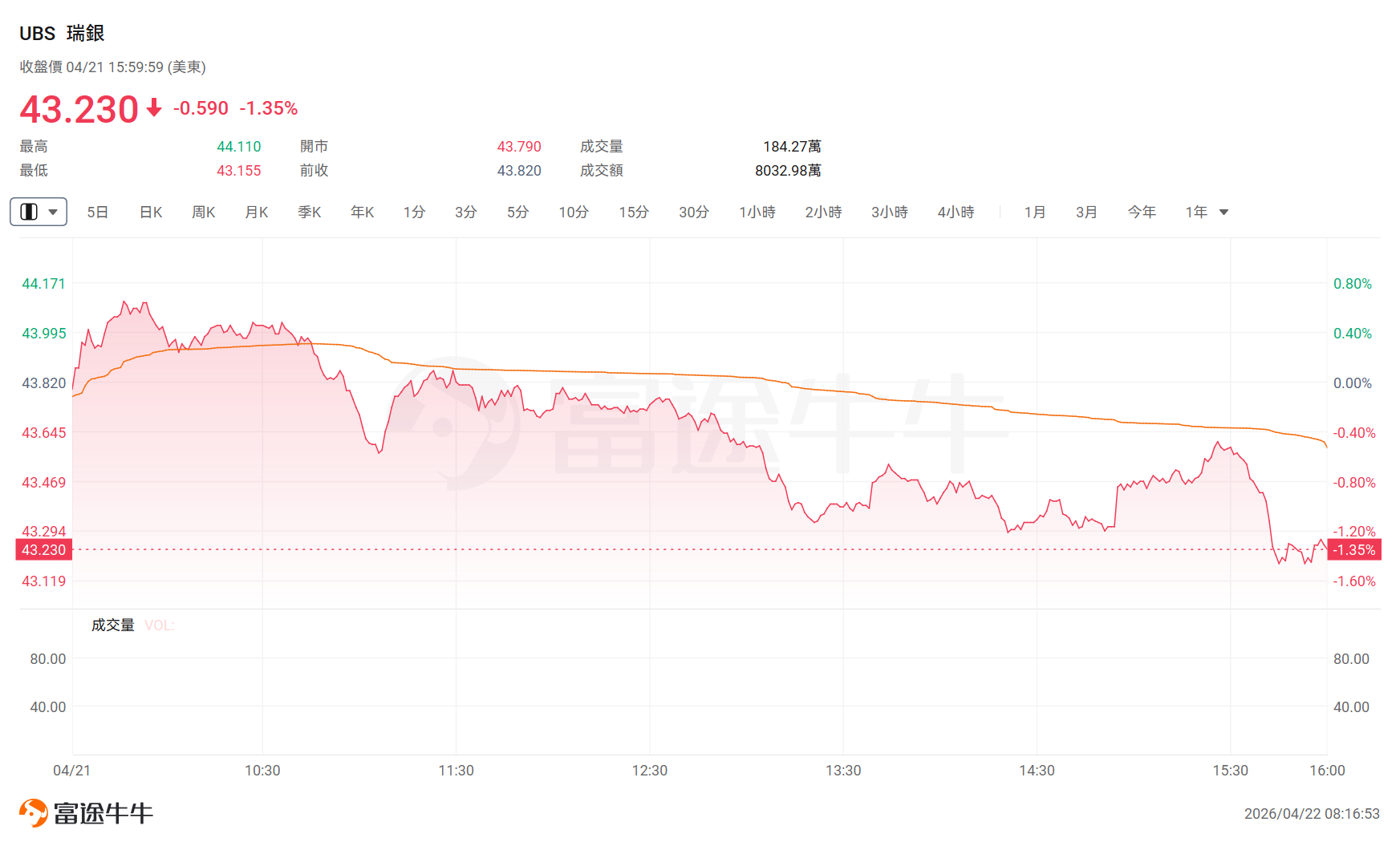
The shadow of Credit Suisse's collapse may give rise to the strictest capital regulations yet! UBS Group is approaching a pivotal moment that will determine its capital adequacy fate.
Swiss financial giant $UBS Group(UBS.US)$ is finally nearing clarity on how many billions of dollars the Swiss government will strip from its capital buffer. This week, the Swiss government will issue an executive order or key regulation specifying which assets UBS must exclude from its cumulative regulatory capital statistics. Additionally, the government will propose a draft of the second cornerstone of its planned overhaul of Swiss banking rules — a law determining how much additional capital UBS must hold domestically for its overseas operations.
This will become a key milestone for Switzerland's financial industry and its largest commercial bank, UBS Group. Three years ago, when UBS’s long-time rival Credit Suisse collapsed, the Swiss government was forced to confront the precipice; now it seeks to build a solid capital barrier to prevent future financial meltdowns.
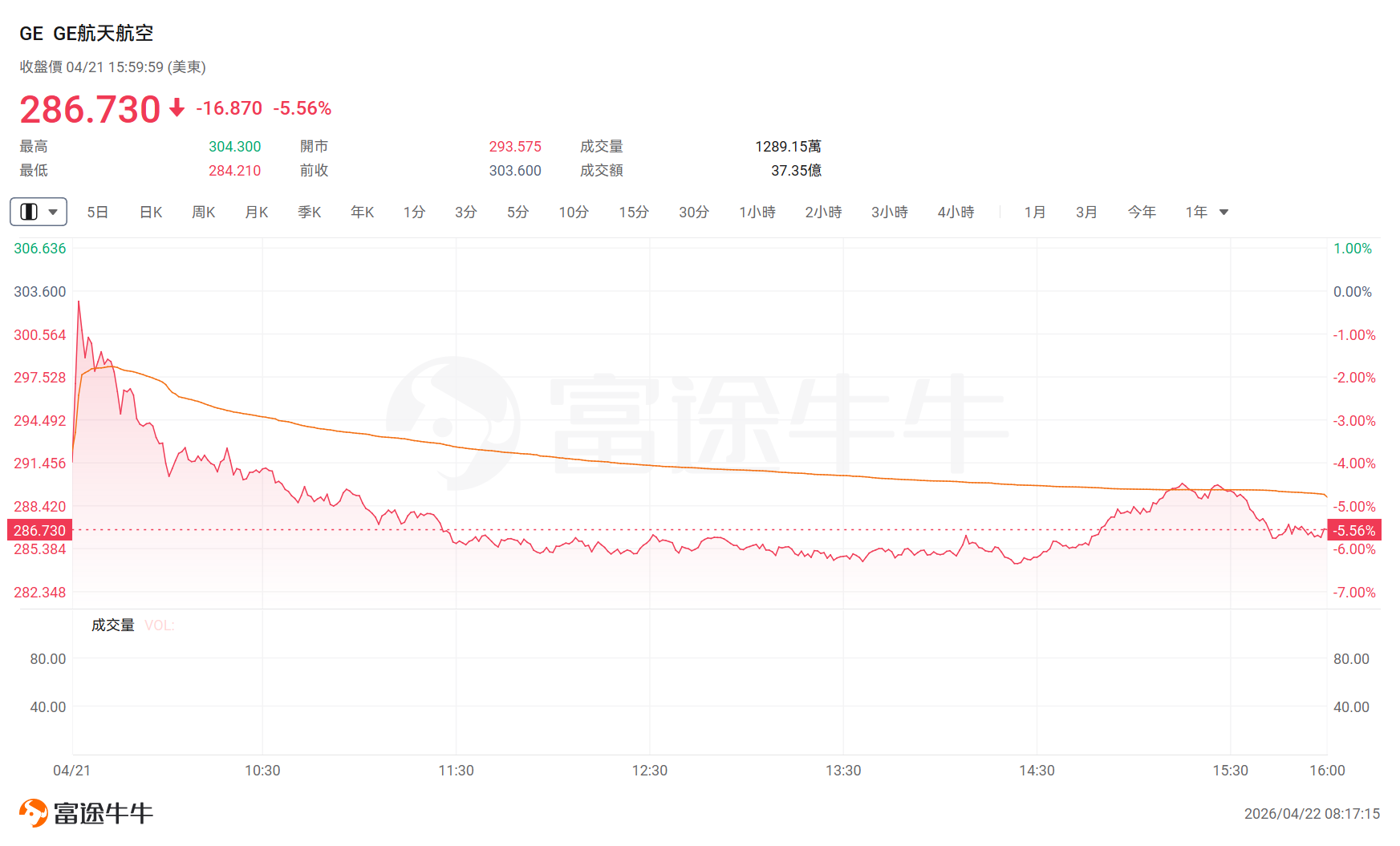
Engine maintenance demand offsets oil price shocks as GE Aerospace Q1 earnings exceed expectations, with full-year profit forecasted to reach the high end of guidance.
Despite the surge in fuel costs and supply chain disruptions triggered by the conflict in Iran, $GE Aerospace (GE.US)$ delivered stronger-than-expected quarterly results driven by robust demand for air travel. The company also forecasted that its full-year profits could reach the higher end of guidance but warned that high oil prices, fuel supply constraints, and a global economic slowdown might create short-term headwinds.
Data showed that GE Aerospace's total revenue in the first quarter surged 25% year-over-year to $12.39 billion, with adjusted sales reaching $11.6 billion, up nearly 30% compared to the same period last year, surpassing market expectations of $10.7 billion. Operating profit grew 18% year-over-year to $2.5 billion, exceeding analysts' average forecast of $2.24 billion. Adjusted earnings per share were $1.86, above the expected $1.60 and better than $1.49 in the same period last year.
Goodbye to the 'crash' gloom! UnitedHealth's Q1 profit far exceeds expectations, and the raised full-year guidance restores investor confidence.
$UnitedHealth(UNH.US)$ The first-quarter profits announced far exceeded Wall Street expectations, and the full-year performance outlook was raised. This indicates progress in rebuilding investor confidence after the health giant experienced a collapse in performance a year ago.
The earnings report showed that UnitedHealth's revenue for the first quarter reached $111.72 billion, representing a year-on-year increase of 2.0% and surpassing expectations by $2.06 billion. Adjusted earnings per share were $7.23, higher than the highest analyst estimate in the survey. Key metrics measuring medical costs performed better than expected, prompting the company to raise its full-year profit target by 50 cents per share.
SpaceX IPO filing reveals: Elon Musk plans to consolidate control with super voting rights, tying astronomical performance incentives to a $6.6 trillion market cap target.
Following SpaceX's confidential submission of its IPO application, more details regarding the company’s governance structure and financials have emerged. According to the summary prospectus, SpaceX plans to ensure absolute voting control for founder Elon Musk and a small group of internal core members through a dual-class share structure after the completion of its initial public offering (IPO). Public investors will only have limited voting rights and legal recourse.
Meanwhile, the draft prospectus also reveals that Musk purchased SpaceX shares worth $1.4 billion from current and former employees last year to increase his ownership stake. Additionally, the board has approved a substantial equity incentive plan tied to ambitious market capitalization targets.
Top 20 by trading value
Hong Kong Market Outlook
On April 21 (Tuesday), southbound capital recorded a net purchase of HKD 3.738 billion in Hong Kong stocks today.
$China Mobile(00941.HK)$、$ICBC (01398.HK)$、$China Construction Bank (00939.HK)$Net inflows amounted to HKD 1.067 billion, HKD 799 million, and HKD 789 million respectively.
$Alibaba-W (09988.HK)$、Changfei Fiber Optic Cables (Stock Code: 06869.HK)、$Akeso Biopharma (09926.HK)$Net outflows reached HKD 606 million, HKD 196 million, and HKD 180 million respectively.
China Unicom reported Q1 revenue of 102.8 billion yuan and net profit of 2.1 billion yuan, with an 8% year-on-year increase in computing power business revenue.
$China Unicom (00762.HK)$ The Q1 2026 report shows revenue of RMB 102.8 billion and net profit attributable to shareholders of RMB 2.1 billion. The company is advancing its transformation around four core areas: connectivity, computing power, services, and security. Connectivity remains stable, with IoT connections surpassing 750 million. Computing power business revenue reached RMB 15.4 billion, becoming a growth driver. Nearly 10,000 5G factories have been implemented, international operations grew by double digits, and security business accelerated. Initial results of the transformation are evident.
Fuyao Glass reported a 5% year-over-year increase in Q1 revenue, with core profits up nearly 10% after excluding foreign exchange gains and losses.
Fuyao Glass Industry Group Co., Ltd. (03606.HK) The Q1 2026 report shows revenue of RMB 10.413 billion, a year-on-year increase of 5.08%, and net profit attributable to shareholders of RMB 1.712 billion. Profit fluctuations were mainly due to exchange rates: foreign exchange losses for this period totaled RMB 439 million, compared to gains of RMB 236 million in the same period last year. Excluding these effects, total profit actually increased by 9.63%. Cost management remained robust, with revenue growth far exceeding cost growth. Capital expenditures stayed at a high level of RMB 8.3 billion, while R&D expenses rose by 19.6%, indicating proactive investment in capacity and high-value-added products.
CATL has launched its third-generation Shenxing ultra-fast charging battery, which can be charged to 98% in six minutes, and its sodium-ion battery will be mass-produced within the year.
$宁德时代(03750.HK)$ At the "2026 Super Tech Day" launch event, the third-generation Shenxing ultra-fast charging battery was unveiled, setting a new industry record for charging speed—reaching 98% charge from 10% in just 6 minutes and 27 seconds, surpassing the same metric for BYD’s second-generation Blade Battery released in March this year. Meanwhile, Wu Kai, the company’s chief scientist and academician of the Chinese Academy of Engineering, announced that key manufacturing challenges for sodium-ion batteries have been resolved, with mass production planned within the year.
Zijin Mining’s Q1 2026 profit surged by 98%, with lithium set to become the core profit engine.
On the evening of April 21, $Zijin Mining (02899.HK)$ Zijin Mining released its Q1 2026 report, showing that the company achieved revenue of 98.5 billion yuan, representing a year-on-year increase of 25%; net profit attributable to shareholders reached 20.1 billion yuan, with a year-on-year growth of 98%. On a quarter-on-quarter basis, Zijin Mining's single-quarter revenue and net profit increased by 4% and 44%, respectively, compared to the previous quarter.
Zijin Mining attributed its performance growth to two key factors: First, the company continuously optimized production organization and operational management, adhering to a strategy of maximizing production and sales. The output of mined gold and lithium carbonate grew year-on-year, while the output of mined copper declined slightly due to lower equity copper production from Kamoa-Kakula. Second, prices for the company’s main metal products rose year-on-year, fully unleashing pricing benefits and significantly boosting operating results.
Today's Focus
Keywords: Tesla earnings report, Google Cloud Next conference
In terms of economic events, the Google Cloud Next conference will be held from the 22nd to the 24th, with expectations of unveiling a new generation TPU architecture and disclosing key advancements in AI computing power technologies such as Optical Circuit Switches (OCS).
In terms of economic data, the EIA crude oil inventory for the week ending April 17 in the U.S. will be released at 22:30.
In terms of new stocks, $Huqin Technology(03296.HK)$ will conduct grey market trading.
In terms of performance, U.S. stocks$Tesla(TSLA.US)$ will release the Q1 2026 earnings report after the market close on April 22, followed by a conference call. The market will focus on its delivery volume and profit margin, as well as $Boeing (BA.US)$ 、 GE Vernova (GEV.US) 、 $Vertiv Holdings(VRT.US)$ will release its earnings report before the market open on the 22nd, $IBM Corp(IBM.US)$ 、 $Lam Research (LRCX.US)$ will also release its earnings after the market close; in Hong Kong stocks, $Hengrui Pharma(01276.HK)$ will publish its financial results.

Futubull AI Morning Reading:
When everyone goes mad, you must remain calm.
— Jim Rogers
 Looking to pick stocks or diagnose stock performance? Want to know the opportunities and risks in your portfolio? For all investment-related questions,just ask Futubull AI!

Editor/Lee