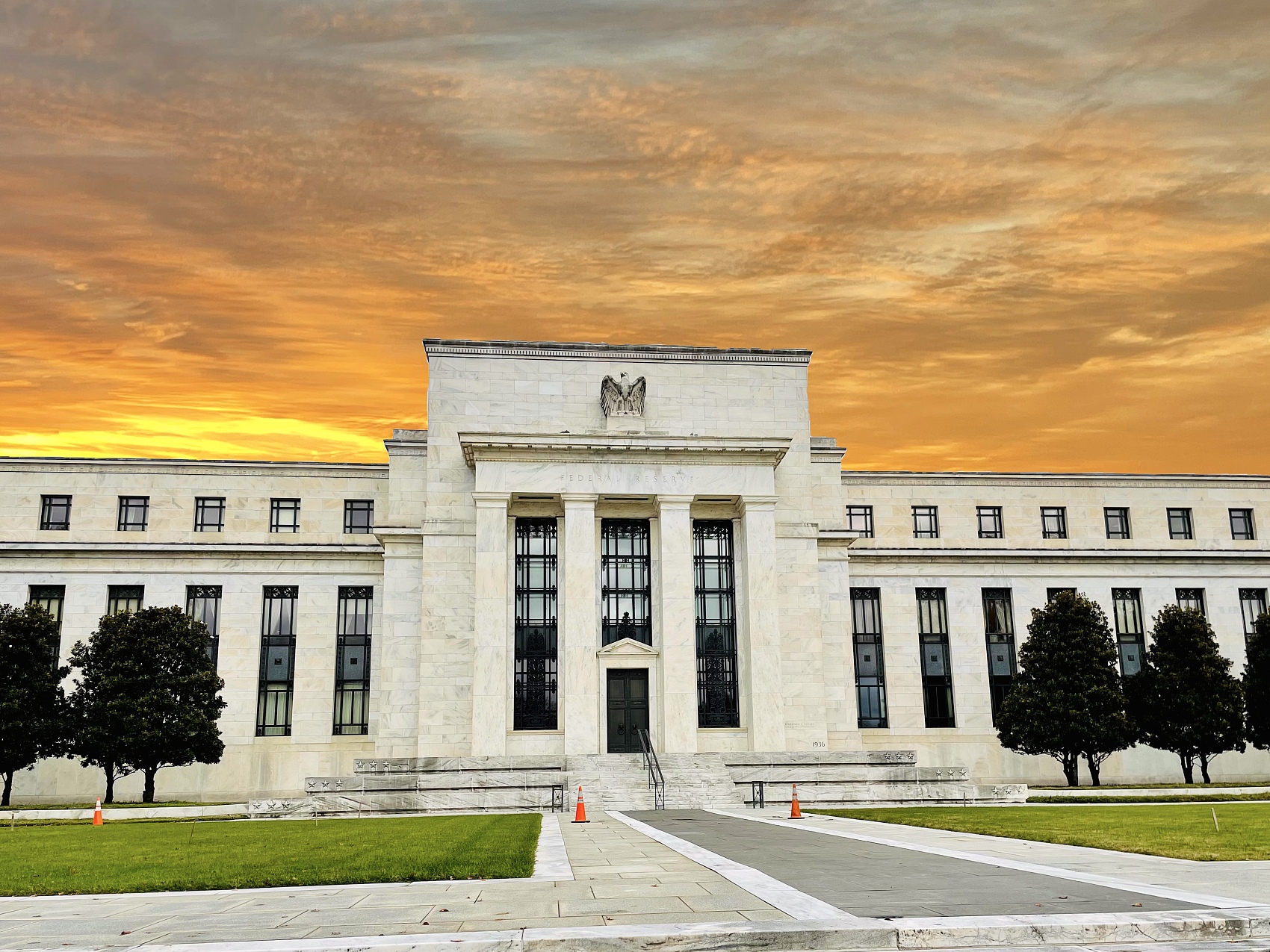
Kevin Warsh, a candidate for the chairmanship of the Federal Reserve, has publicly expressed his expectation to see vigorous internal debates on monetary policy. However, even before he formally assumes office, the 'tension' within the Federal Reserve has already become palpable...
At the policy meeting held on Wednesday local time, four of the twelve voting members of the Federal Reserve expressed dissent, marking the largest scale of disagreement since 1992.
Among them, three members supported the decision to keep interest rates unchanged but dissented on the wording of the post-meeting statement, arguing that the existing text failed to adequately reflect the accumulating inflation risks, which might eventually require rate hikes to address. Before Kevin Warsh officially assumes his role as chairman, the intense 'family debate' over monetary policy he anticipated has already erupted ahead of schedule.
 Heather Long, Chief Economist at Navy Federal Credit Union, commented: 'Welcome to the Fed’s new era of dissent.'
This public display of internal division occurred against the backdrop of ongoing tensions between the United States and Iran due to the blockade of the Strait of Hormuz, which disrupted oil exports from the Middle East and caused widespread impacts on global industrial supplies. Global benchmark Brent crude prices surged to $126 per barrel, reaching their highest level since the Russia-Ukraine conflict in March 2022. That earlier conflict had driven U.S. inflation to a 40-year high, reshaping the political narrative ahead of the 2024 presidential election.
Now, with core prices rising again, data from the American Automobile Association shows that the national average gasoline price has reached $4.30 per gallon, the highest since hitting $5 in the spring of 2022. Although prices have retreated somewhat from their peak, the sharp volatility itself has exposed the risk landscape Warsh will face.
'The conflict with Iran has made the Fed's job extremely tricky, with significant internal divisions over what to do next,' Long admitted. 'For now, the Fed has chosen to stay put, but good luck to incoming Chairman Kevin Warsh in achieving consensus going forward.'
Powell’s term as chair will conclude on May 15. Warsh has cleared a key procedural hurdle and is expected to preside over the next Federal Reserve policy meeting scheduled for June 16-17. Addressing the impact of the oil crisis in policymaking will be among his first major challenges upon taking office.
Trump selected Warsh after losing patience with Powell. Previously, Trump had been pressuring Powell to cut interest rates and expressed hope that Warsh would meet his demands. Warsh responded by stating that he made no commitments to Trump.
Debate Focus: Whether to Remove the 'Dovish Bias'
The debate during the meeting was described by Powell as 'intense.' The crux of the argument revolved around whether to revise the post-meeting policy statement to signal that the central bank’s next move could be a rate hike, thereby eliminating the 'dovish bias' that has consistently suggested future interest rate adjustments would lean toward cuts.
Cleveland Fed President Hamak, Dallas Fed President Logan, and Minneapolis Fed President Kashkari all advocated for a shift to more neutral language. Powell revealed that several members at the meeting originally supported this change due to inflationary pressures driven by rising oil prices amid the Iran conflict. Federal Reserve Governor Milan cast a dissenting vote in favor of rate cuts, consistent with his stance at every meeting since joining the Fed last fall.
Ultimately, the majority decided to maintain the existing guidance, which leans toward potential future interest rate cuts.
At the post-meeting press conference, Powell stated: 'A number of us, including myself, felt there was no need to rush into revising the statement.' However, he also noted, 'The other perspective is quite reasonable. It's definitely a good point worth discussing, a deep conversation worth having.' He added that among the Fed’s 19 policymakers, the number advocating for changes in interest rate guidance is increasing, and 'it could happen as early as the next meeting.'
Wash’s 'Chaos' Philosophy and Guidance Stance
During last week’s confirmation hearing, Wash promised lawmakers that he would bring 'institutional reform' to the Federal Reserve, bluntly stating that he finds the Fed too rigid. He remarked: 'I prefer meetings that are slightly more 'chaotic,' rather than everyone reading from a pre-rehearsed script. If central banks can engage in this kind of high-quality debate internally, I believe they will make more informed decisions; even if mistakes are occasionally made, they can be corrected more quickly.'
However, on the issue of 'forward guidance,' Wash’s stance implies that once the guidance shifts to raising rates, the situation will become more complicated. Wash generally disfavors 'forward guidance,' whether it comes from individual statements about interest rates or collective guidance from the decision-making team. He told lawmakers: 'I don’t think I should spoil upcoming decisions for you in advance.' However, drafting the Fed’s post-meeting statement is not solely the chairman’s prerogative.
Powell also emphasized the essence of the chairman’s role within the large committee. He pointed out that the current macroeconomic environment is highly complex: after experiencing last year’s tariff shocks, inflation has already exceeded the Fed’s 2% target, and the duration of the oil price surge, along with its transmission path to consumer spending, inflation, and the broader economy, remains uncertain.
"Every new Federal Reserve Chair faces the same situation: you have 18 colleagues on the Federal Open Market Committee, 11 of whom hold voting rights during the year. Your job is to build consensus," said Powell. During his tenure, the vast majority of meetings were passed unanimously. "This is
a required course for every Fed Chair. I believe Kevin Warsh... he has exceptional ability and skill, and can perform this task exceptionally well."
Editor /rice