
The main reason for Jensen Huang's reduced compensation is the decline in the value of stock awards. The equity award, which constitutes the largest portion of his compensation, dropped to $24.8 million, a 36% decrease from $38.8 million in the previous fiscal year. The calculation of stock awards is typically tied to the stock price at the time of grant, and the slowdown in stock price growth directly impacted the value of equity incentives, thereby reducing the total compensation.
NVIDIA CEO Jensen Huang's compensation saw a notable decline in the 2026 fiscal year, reflecting the reality of slowing stock price growth for the world’s most valuable company by market capitalization.
According to NVIDIA's 2026 proxy statement (DEF 14A) filed on Tuesday, Jensen Huang's total compensation for the 2026 fiscal year dropped to $36.3 million, marking a 27% decrease year-over-year. The reduction was primarily driven by a decline in the value of stock awards, with equity-based compensation—the largest component of his pay—falling to $24.8 million from $38.8 million the previous fiscal year, representing a 36% drop.
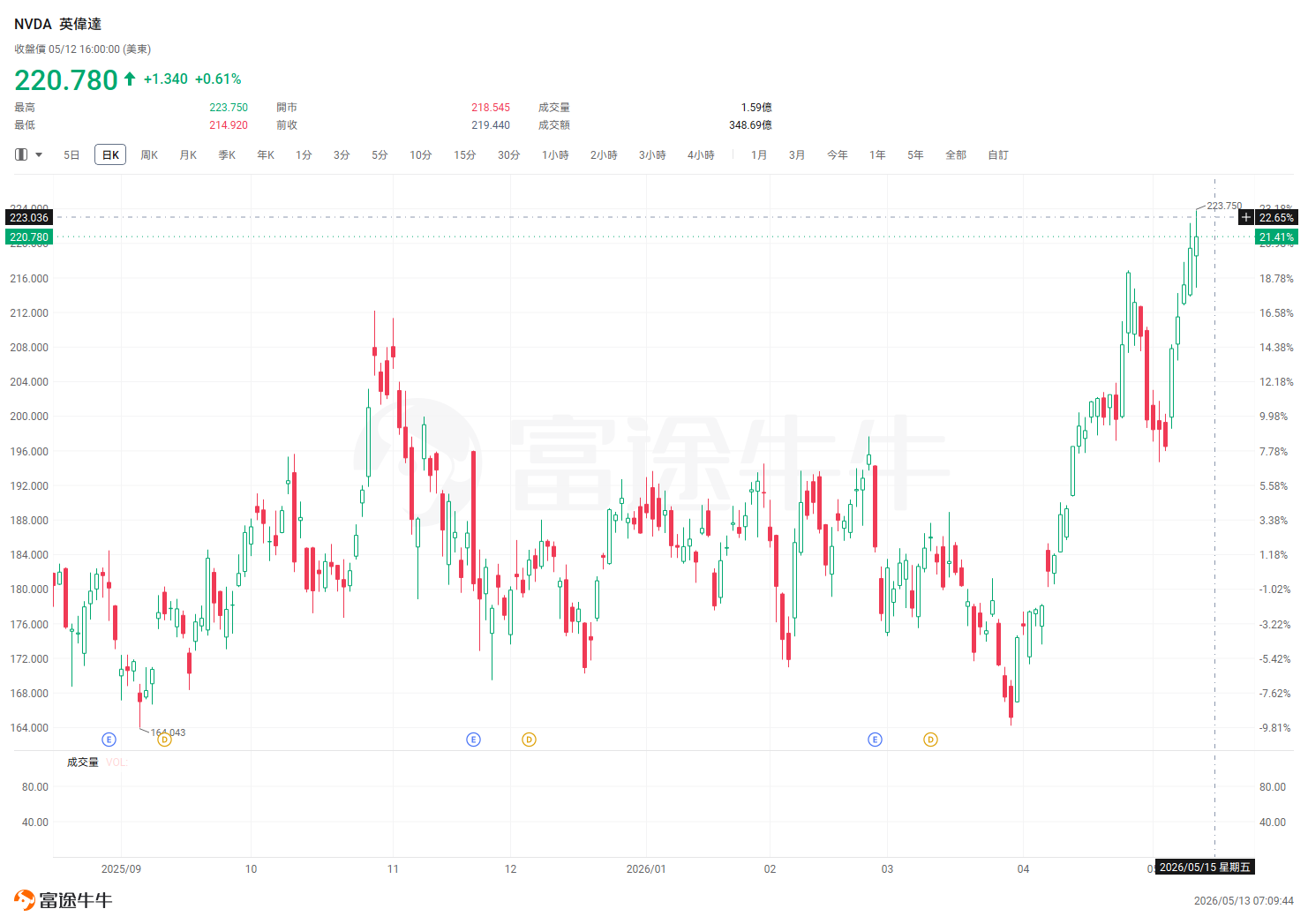
 This shift is directly linked to the deceleration in NVIDIA's stock price momentum. After experiencing a threefold increase in 2023 and doubling in 2024, the company’s stock growth moderated to 39% last year.
As of now, NVIDIA's stock has risen by 18% since the beginning of 2026, placing it among the slower-growing shares within major chip companies.
Slower Stock Price Growth Leads to Reduced Equity Awards
In the 2026 fiscal year, Jensen Huang’s equity awards totaled $24.8 million, a significant decline of approximately $14 million from $38.8 million in the previous fiscal year, serving as the primary factor behind the overall compensation decrease. His total compensation fell by over $13.6 million, from $49.9 million in the 2025 fiscal year to $36.3 million this fiscal year.
Jensen Huang’s compensation structure includes a fixed salary of $1.5 million, which remained largely unchanged from the prior fiscal year, and non-equity incentive plan compensation that stayed constant at $6 million. These two components, totaling approximately $7.5 million in cash compensation, remained stable, indicating that nearly all fluctuations in total compensation stemmed from changes in equity awards.
The calculation of stock awards is typically tied to the stock price at the time of issuance, and the slowdown in stock price appreciation directly impacted the value of equity incentives granted, thereby reducing the total compensation figure.
This mechanism creates a natural alignment between executive compensation and stock performance. The decline in Jensen Huang’s compensation reflects, to some extent, NVIDIA’s transition from a phase of hypergrowth to a more normalized state.
Editor /rice