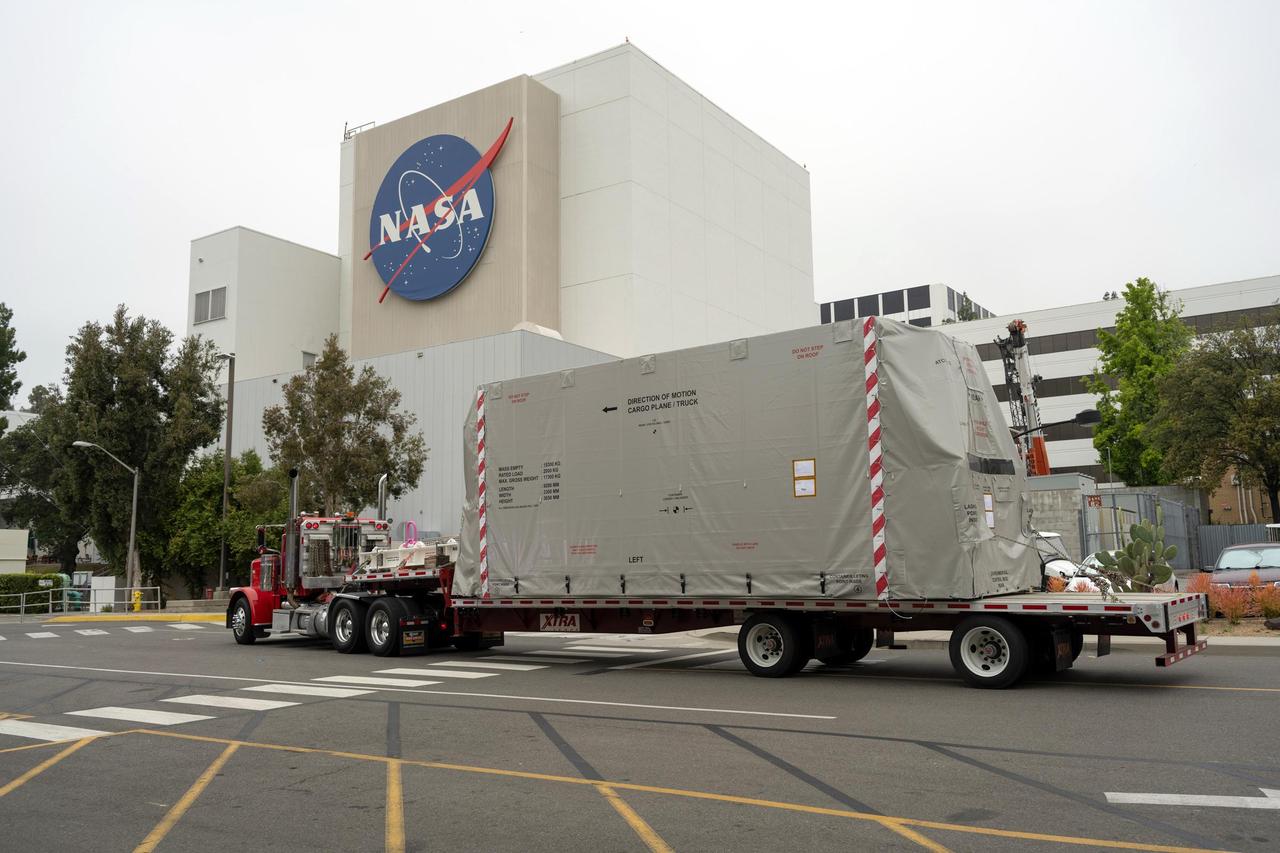
① Last week, Blue Origin's massive New Glenn rocket exploded during a hot-fire test, destroying the launch pad; ② NASA Administrator stated that repairs to the launch complex could extend into 2028. Since New Glenn currently has only one launch pad, the damage is severe; ③ The incident not only affects NASA’s Artemis program but also impacts Blue Origin client Amazon’s low Earth orbit (LEO) satellite internet project.
Caixin News, June 2 (Editor: Ma Lan) — Last week, Blue Origin, the space company owned by billionaire Bezos, was conducting a hot-fire test of its massive New Glenn rocket at a launch site within the U.S. Space Force base at Cape Canaveral, Florida, when the rocket suddenly exploded, destroying the launch infrastructure.
NASA Administrator Jared Isaacman said on Monday that repairing the launch pad damaged in last week’s explosion will take a considerable amount of time and could continue until 2028.
 The New Glenn rocket, designed by Blue Origin, is intended to compete with SpaceX’s Falcon 9 and United Launch Alliance’s Vulcan Centaur heavy-lift launch vehicles.
Blue Origin currently has only one New Glenn launch pad, making last Thursday’s explosion particularly devastating. The company plans to operate another New Glenn launch pad at Vandenberg Space Force Base in California, but that facility is still under construction.
A Major Setback
As part of NASA’s Artemis program—which aims to land American astronauts on the lunar surface by 2028—NASA has awarded Blue Origin multiple contracts. NASA has tasked Blue Origin with launching the uncrewed 'Blue Moon' MK1 lander later this year using the New Glenn rocket.
However, delivering the lander to the Moon requires a rocket capable of carrying a substantial payload. The New Glenn explosion is undoubtedly a significant setback for the Artemis program. Meanwhile, SpaceX, another NASA partner, is also facing serious delays with its Starship reusable rocket, casting doubt on whether the U.S. can meet its lunar landing schedule.
Some space industry analysts believe this explosion will set back Blue Origin’s development timeline by at least one year. The company will effectively be excluded from the Artemis program over the next 12 months, with no involvement in any lunar base missions. This may force NASA to rely solely on SpaceX’s uncertain Starship rocket.
This accident has severely disrupted Blue Origin’s rocket testing schedule and also affected other clients, such as Amazon. This week, Blue Origin had originally planned to launch 48 satellites for Amazon’s emerging low Earth orbit (LEO) satellite internet project, Leo, as part of an upcoming series of missions.
Amazon is currently facing a deadline set by the U.S. Federal Communications Commission to deploy approximately half of its satellite constellation by next month. The company is also working to launch its low Earth orbit (LEO) satellite service for commercial customers later this year, aiming to compete with SpaceX's Starlink.