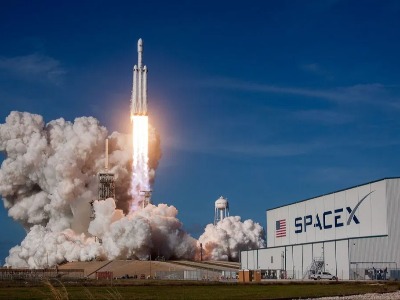
Source: Yuanchuan Research Institute
Here’s a surprising fact: from now on, you are closer to being a billionaire than Elon Musk. With a fundraising target of approximately $75 billion, SpaceX has become the largest IPO in U.S. stock market history, and Musk has become the first trillionaire in human history. We are republishing an older article to revisit how Musk built $SpaceX (SPCX.US)$ . The original article was published in October 2024. The full text is as follows:
If SpaceX’s Falcon 9 reusable rocket were compared to a pencil, the technical challenge of launching it into space and returning it safely would be equivalent to making the pencil fly over the 453-meter-tall Empire State Building and then land precisely on a shoebox-sized landing pad.
 Starship, the heavy-lift launch system intended to succeed Falcon 9, sets an even more extreme goal: catching that tiny pencil firmly with a pair of chopsticks.
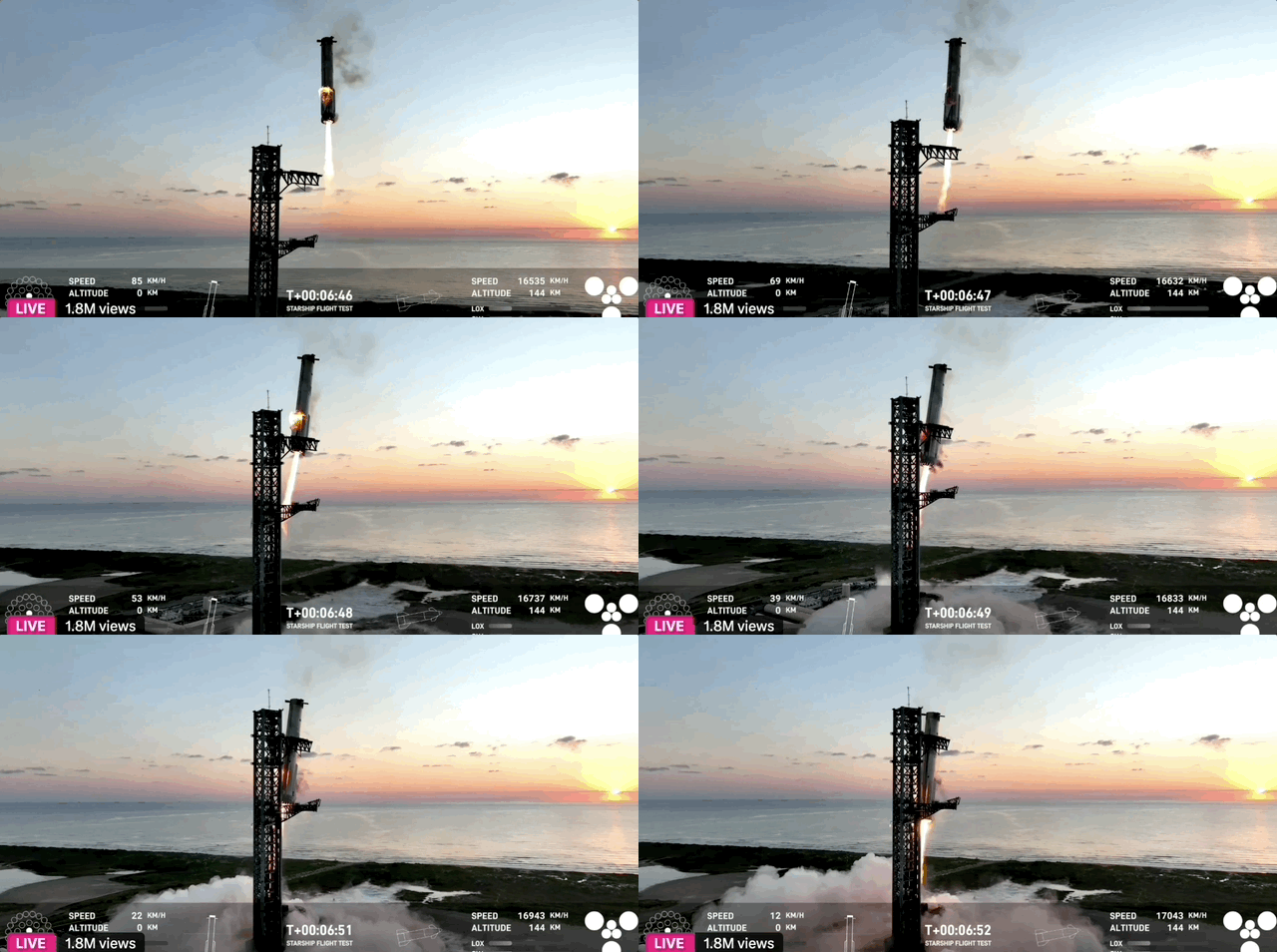
If the mechanical arms can securely catch the booster, damage to rocket components during landing can be minimized. After minimal maintenance and refueling, the rocket could quickly return to service, significantly improving launch efficiency.
Following Starship’s inaugural test flight in 2023, SpaceX’s first three attempts ended in two explosions and one loss of contact. During the fourth test flight in June this year, Starship achieved a 'soft landing' on the ocean surface after flying for one hour.
In a July interview this year, Musk confidently predicted that the fifth test flight had a strong chance of success because, as he put it, 'We are not violating the laws of physics.'
Physics rewarded Musk. On October 13, during Starship’s fifth test flight, massive mechanical arms successfully caught the Super Heavy booster—standing 69 meters tall, with a diameter of 9 meters, an empty weight of 200 metric tons, and a fully loaded mass of 3,600 metric tons. With this milestone, human spaceflight entered a new chapter, and the concept of a 'space shuttle bus' is no longer an unattainable fantasy.
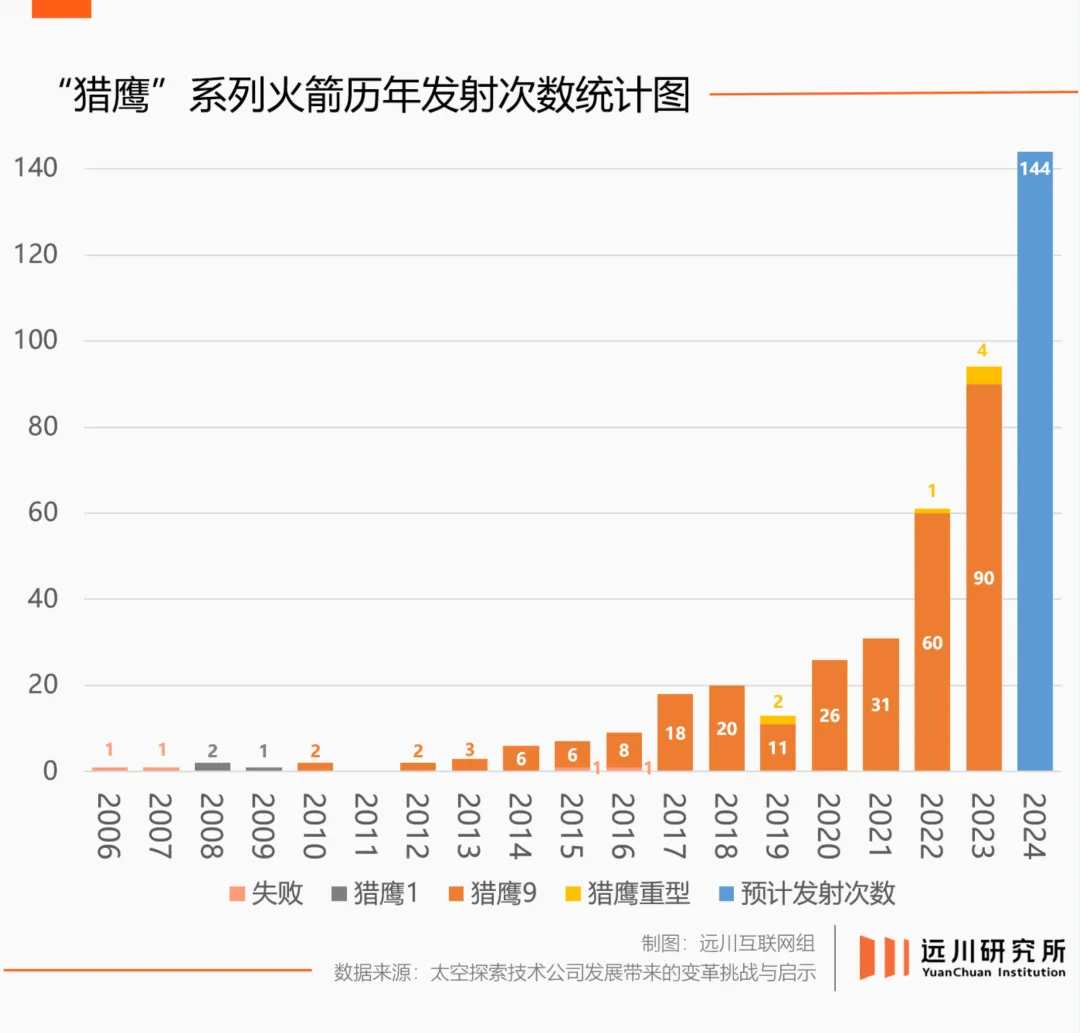
In all of 2023, SpaceX successfully completed 98 rocket launches, accounting for 44% of global launch activity. These missions deployed 1,984 Starlink satellites and delivered 1,600 metric tons of payload to designated orbits, representing 80% of the world’s total orbital payload capacity.
According to Bloomberg, SpaceX is expected to generate USD 9 billion in revenue from rocket launches and its Starlink business in 2024.
SpaceX’s vision and implementation roadmap were clearly articulated in a public letter titled “The Facts About SpaceX Costs,” published by Musk in May 2011 [2]. Thirteen years later, the vast majority of its content remains valid:
· Fully reusable launch vehicles represent the long-term goal of the aerospace industry, and until this goal is achieved, SpaceX will not rest satisfied with its current progress.
· Globally, SpaceX is the only company that publicly lists its launch prices on its website. SpaceX’s pricing strategy is neither aimed at capturing market share nor based on using low initial prices to ‘educate’ the market before raising them later; rather, it relies on innovation to outcompete overseas providers leveraging cheap labor.
· Over time, SpaceX’s performance will continue to improve while its prices decline—a trajectory consistent with the developmental pattern observed across all technology sectors.
The best component is no component.
A space launch broadly consists of two components: the launch vehicle and the spacecraft delivered into orbit (e.g., satellites, space stations, deep-space telescopes, etc.).
The launch vehicle provides the propulsion necessary for the spacecraft to escape Earth’s gravity. Throughout humanity’s relatively brief history of space exploration, launch vehicles have been single-use, expendable assets—after completing their mission, they re-enter the atmosphere and burn up.
This is analogous to the commercial aviation industry operating aircraft that crash immediately upon reaching their destination.
The first stage of an expendable launch vehicle accounts for more than 50% of total launch costs [6]. No commercial entity can sustain such expenses, which is why space launches have historically been funded by government budgets and executed by designated contractors.
Musk's approach is actually quite simple: make rockets reusable and as large as possible, so they can carry a substantial payload in a single launch, thereby significantly reducing the per-kilogram transportation cost.
The first manifestation of this concept was not Starship, but NASA’s Space Shuttle Program. The shuttle was originally designed to achieve reusability of the launch system, relying instead on aerodynamics—which explains its airplane-like appearance.
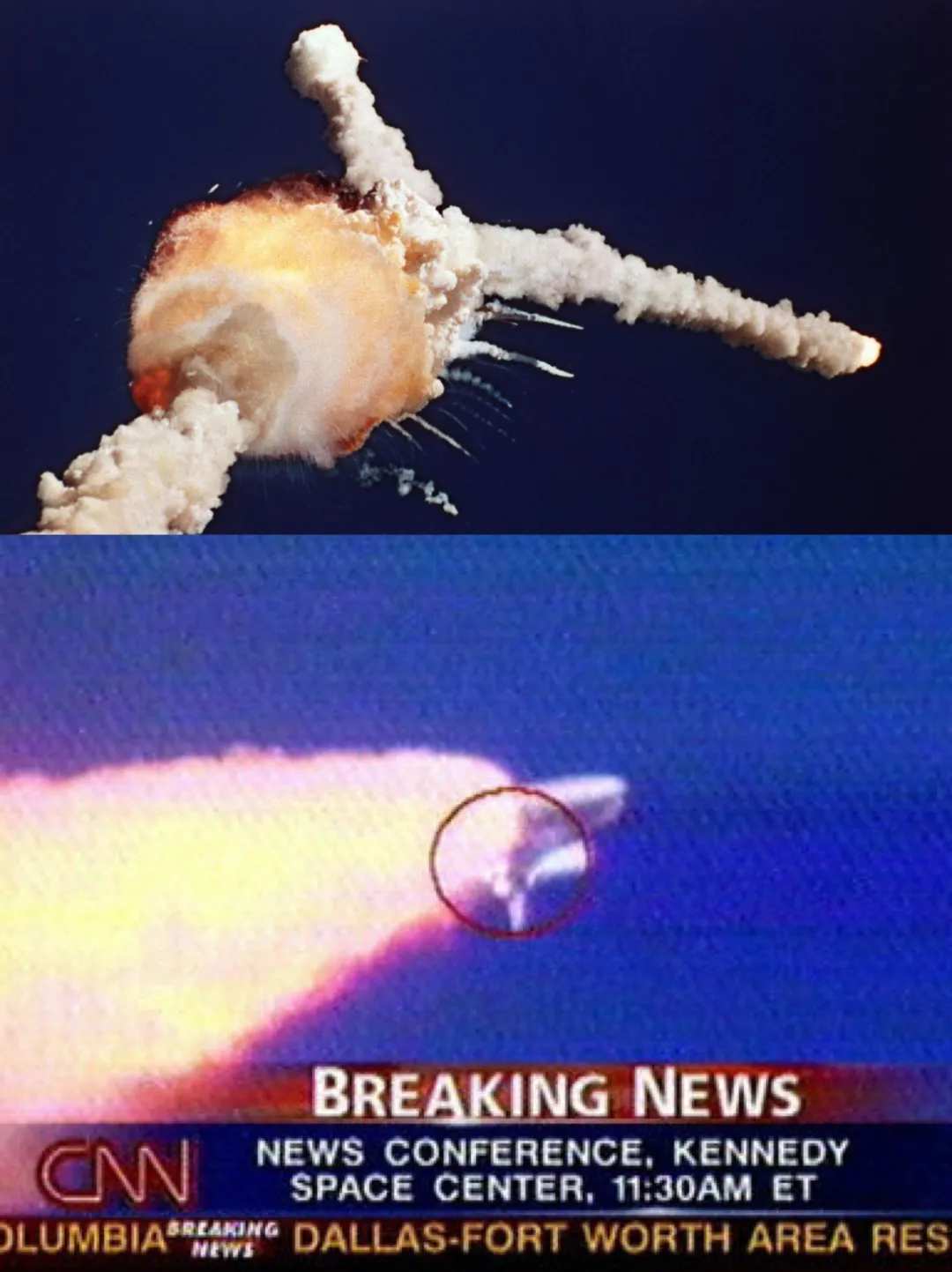
However, throughout the Space Shuttle’s brief operational lifespan, its safety was persistently questioned. Both the Challenger and Columbia disasters ended in tragedy, and after multiple accidents, a more conservative mindset took hold at NASA—after all, no one wanted to see astronauts’ lives and taxpayers’ money explode into fragments mid-air.
Moreover, although the Space Shuttle achieved 'reusability,' it failed to resolve the issue of cost.
The Space Shuttle program operated over 650 facilities, utilized more than 1.2 million pieces of equipment, and employed over 5,000 personnel. Additionally, more than 1,200 suppliers across the United States supported the program.
Despite such massive investment, the incremental cost of transporting payloads to low Earth orbit via the Space Shuttle remained as high as $409 million; according to estimates, the cost of delivering each kilogram of cargo to the International Space Station reached $270,000.
By comparison, SpaceX charges approximately $1,410 per kilogram, while other commercial space companies can achieve rates as low as $5,000 per kilogram.
Musk endorsed the concept of reusable rockets, but he believed that since the aerodynamic approach had already been disproven by history, SpaceX needed to pursue a fundamental shift—an idea once deemed implausible was brought to the forefront: powered vertical landing.
As the name suggests, powered vertical landing does not rely on winged gliding; instead, it uses multiple engine ignitions to decelerate—a brute-force yet effective method. This non-destructive landing technique has already been employed in deep-space missions to the Moon and Mars, though few had previously considered applying it on Earth.
Earth not only has stronger gravity and intense atmospheric friction, but also vast regions of biological activity and complex geopolitical terrain, which means that powered vertical landing has found its largest application on Earth in science fiction films—Elon Musk is the first person attempting to turn that cinematic vision into reality.
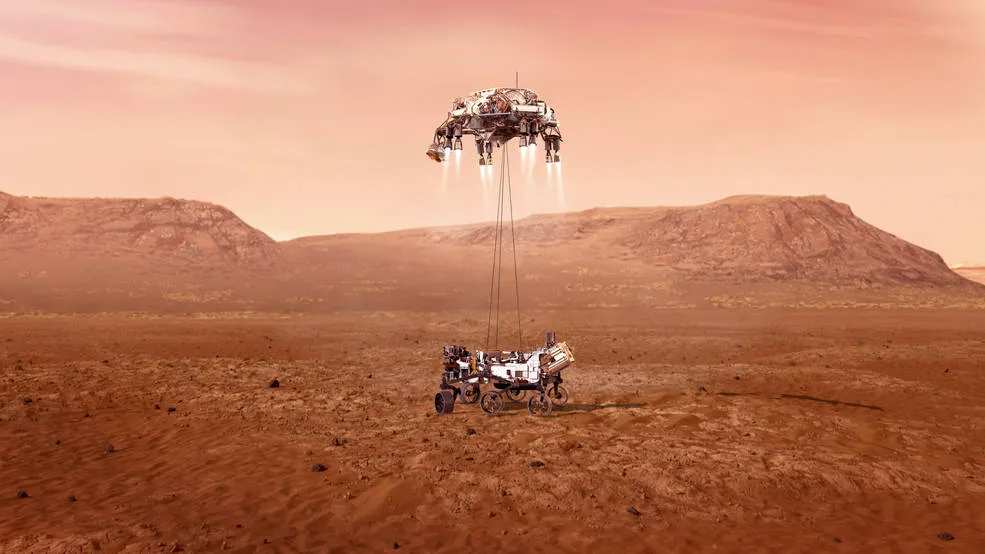
Currently, SpaceX’s Falcon 9 is the world’s only rocket to achieve large-scale reusability, with its recovery technology now highly mature. However, Musk believes the Falcon 9’s landing-leg vertical touchdown approach remains too costly, so he opted instead to simply catch the booster with mechanical arms resembling chopsticks.
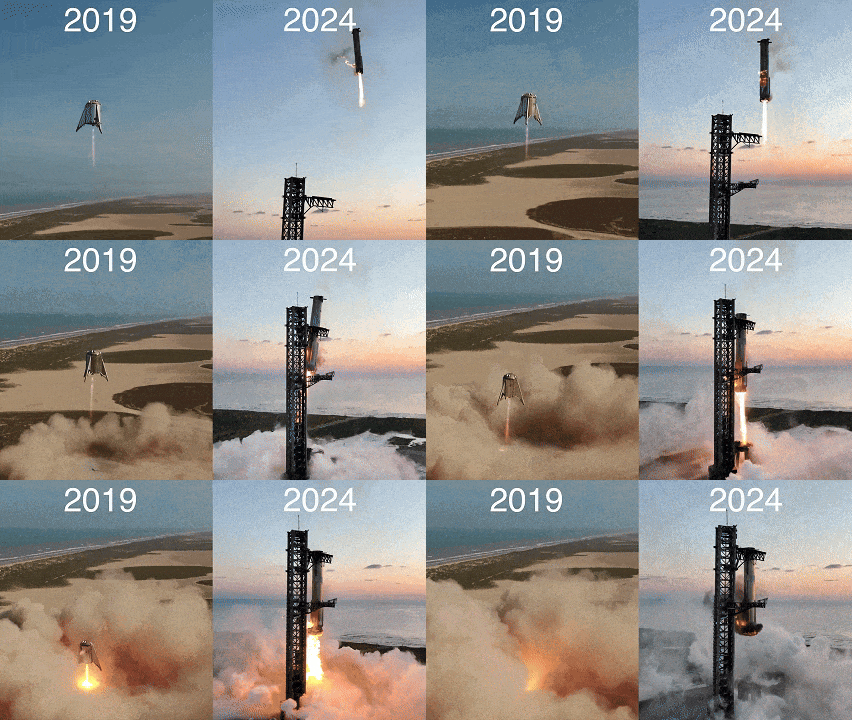
The Starship system is equipped with 33 booster engines capable of delivering over 100 metric tons of payload into orbit—five times the capacity of the Falcon 9. Musk believes that one day, it will carry 100 passengers to Mars.
Physics doesn’t say it’s impossible.
To achieve ambitious goals with limited resources, Musk has aggressively introduced mass-production principles from the consumer electronics industry into the heavily entrenched aerospace sector, centered on rapid prototyping, fast failure cycles, and iterative improvement.
In July 2024, SpaceX unveiled the third-generation Raptor engine (Raptor 3) for Starship—an engine more powerful and complex than the renowned Merlin, utilizing a highly efficient methane (a resource readily available on Mars) and liquid oxygen propellant combination. With no exhaust nozzle, all combustion gases remain contained within the engine, enabling it to generate 230 metric tons of thrust at sea level.
Musk stated: 'Only God Himself could do better than the Raptor combustion chamber when it comes to molecular integration.'[3]
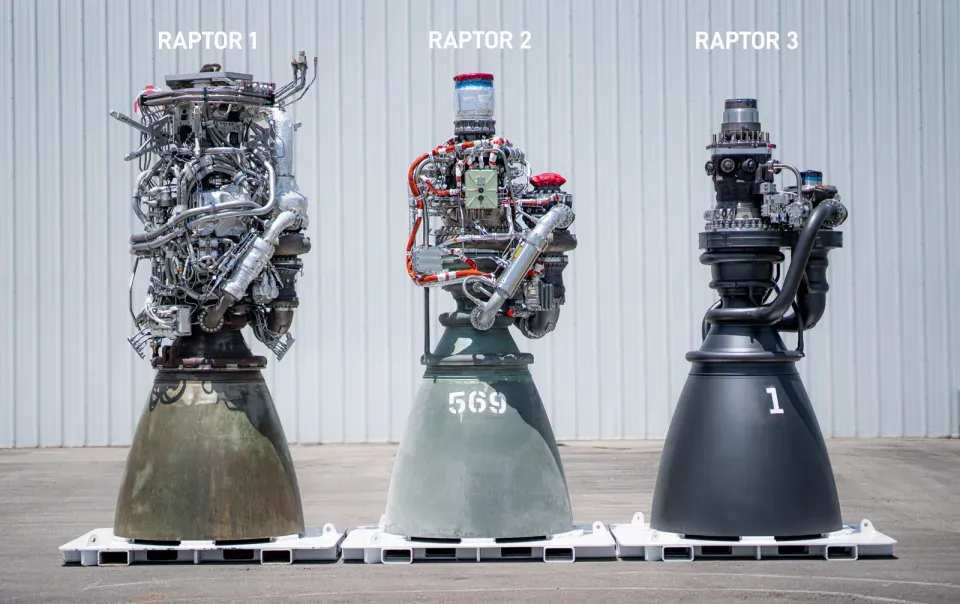
Compared to the first two generations, the third-generation Raptor appears remarkably clean—even compact. After iterative optimization of manufacturing processes and engineering design, numerous external fluid lines have been integrated internally using metal 3D printing technology, eliminating the need for specialized thermal shielding previously used to protect those lines.
The third-generation engine exemplifies SpaceX's engineering philosophy: it does not need to be perfect at the outset, but must undergo targeted improvements throughout development to ultimately achieve a simple, clear, and efficient future.
In rocket launches, SpaceX similarly adopts a 'blow it up if it blows up' design approach—rapidly building prototypes of rockets and engines, testing them, letting them explode, making modifications, and trying again until a functional version is achieved.
Tom Mueller, Chief Technology Officer of SpaceX’s Propulsion Department, summarized this mindset: 'You don’t need to perfectly avoid every problem; what matters is how quickly you can identify an issue and resolve it [4].'
In contrast to NASA’s cautious, risk-averse mindset, Musk strongly instills in his engineers the belief that anything not violating the laws of physics is achievable.
This same approach has also been applied to Tesla’s vehicle manufacturing.
In 2018, Musk unexpectedly noticed that the underside of a toy model of the Model S was die-cast as a single metal piece, complete with a suspension system. During a meeting that day, Musk proposed that Tesla could adopt the same method, though engineers objected, arguing that a real car chassis would be far larger.
Musk countered, 'Isn’t it just a matter of building a bigger casting machine? It’s not as if we’re breaking the laws of physics [5].'
He and senior executives subsequently contacted six casting companies, only one of which—Idra—accepted the challenge. Idra’s GigaPress transformed the traditionally complex production process—which required machining and assembling 70 individual parts and performing 1,000 to 1,500 welds—into a single, simple die-casting operation, reducing welding time from two hours to two minutes and cutting Model Y production costs by 20%.
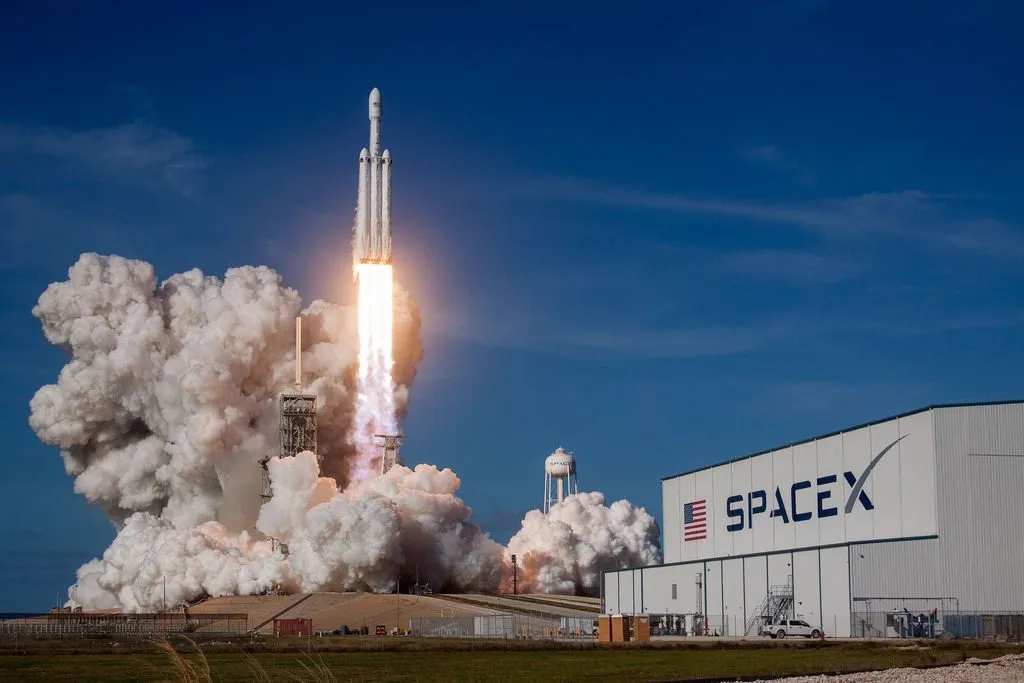
Guided by the belief that 'perfection isn’t required,' SpaceX tackles many engineering challenges with boldness, embodying a kind of elegant effectiveness reminiscent of overwhelming an expert with unorthodox yet effective tactics.
To demonstrate its correctness to NASA, SpaceX conducts launch tests using both industry-standard equipment and its own custom-designed hardware. Once SpaceX's design performs equivalently to or better than the industry standard, it becomes the company's new benchmark.
Under U.S. regulations, all aircraft launches must comply with Federal Aviation Administration (FAA) guidelines. During the first uncrewed test flight of the Super Heavy booster (an early version of Starship) in 2020, FAA inspectors determined that high-altitude wind conditions did not meet launch requirements. However, SpaceX’s weather model indicated that a launch was feasible. Engineers looked to Musk, who silently nodded—and the rocket lifted off.
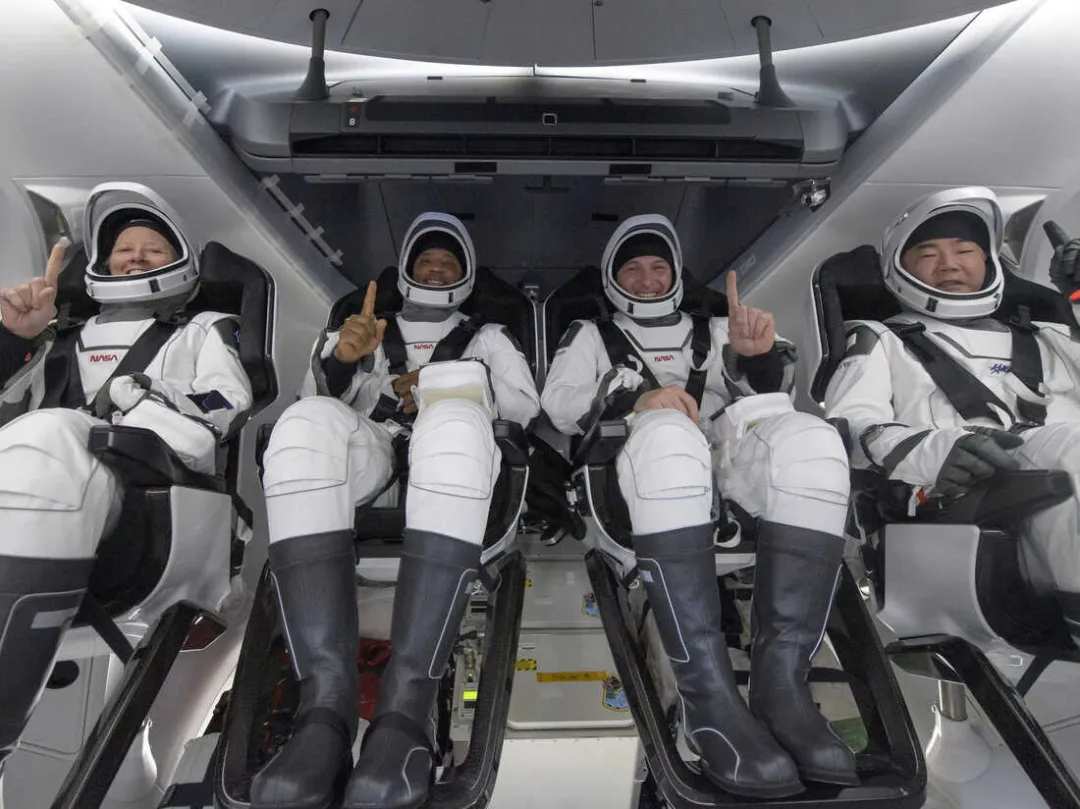
In 2022, three scholars from the University of Oxford analyzed a total of 203 space missions conducted by NASA and SpaceX and found that the latter’s rocket development costs were only one-tenth of NASA’s, while its development speed was twice as fast [16].
NASA receives over USD 20 billion in annual appropriations. SpaceX, founded 21 years ago, has raised only approximately USD 10 billion in total funding. With roughly half of NASA’s annual budget, SpaceX has successively developed the Falcon 1, Falcon 9, Falcon Heavy, and Starship rockets, as well as two rocket engines: Merlin and Raptor.
It took just four and a half years—and an average cost of around USD 300 million—for the Falcon 9 rocket to go from concept to its first launch. By comparison, each Space Shuttle developed under NASA’s leadership cost more than USD 2 billion.
Bathroom door handle on the Dragon spacecraft
When the first batch of SpaceX employees joined the company, they were told that its goal was to become “the Southwest Airlines of the space industry” (the U.S. equivalent of Spring Airlines).
Although it appears highly advanced, SpaceX’s rockets actually incorporate a large number of inexpensive, consumer-grade components [11]:
Falcon rockets use ordinary computers costing USD 5,000 instead of aerospace-grade computers priced at USD 1 million; rocket recovery operations are contracted to standard commercial salvage companies; and the door handles on the Dragon spacecraft are assembled by engineers from bathroom fixtures, costing only USD 30—compared to NASA’s equivalent latch, which costs USD 1,500.
The air cooling system for the Falcon 9 payload fairing originally cost over $3 million, but was later replaced with a slightly modified commercial air conditioning unit. Upon learning that a single tube inside the Raptor engine cost $20,000, Musk said he 'wanted to gouge his eyes out' and demanded that the engine’s cost be reduced from $2 million to $200,000 within 12 months.
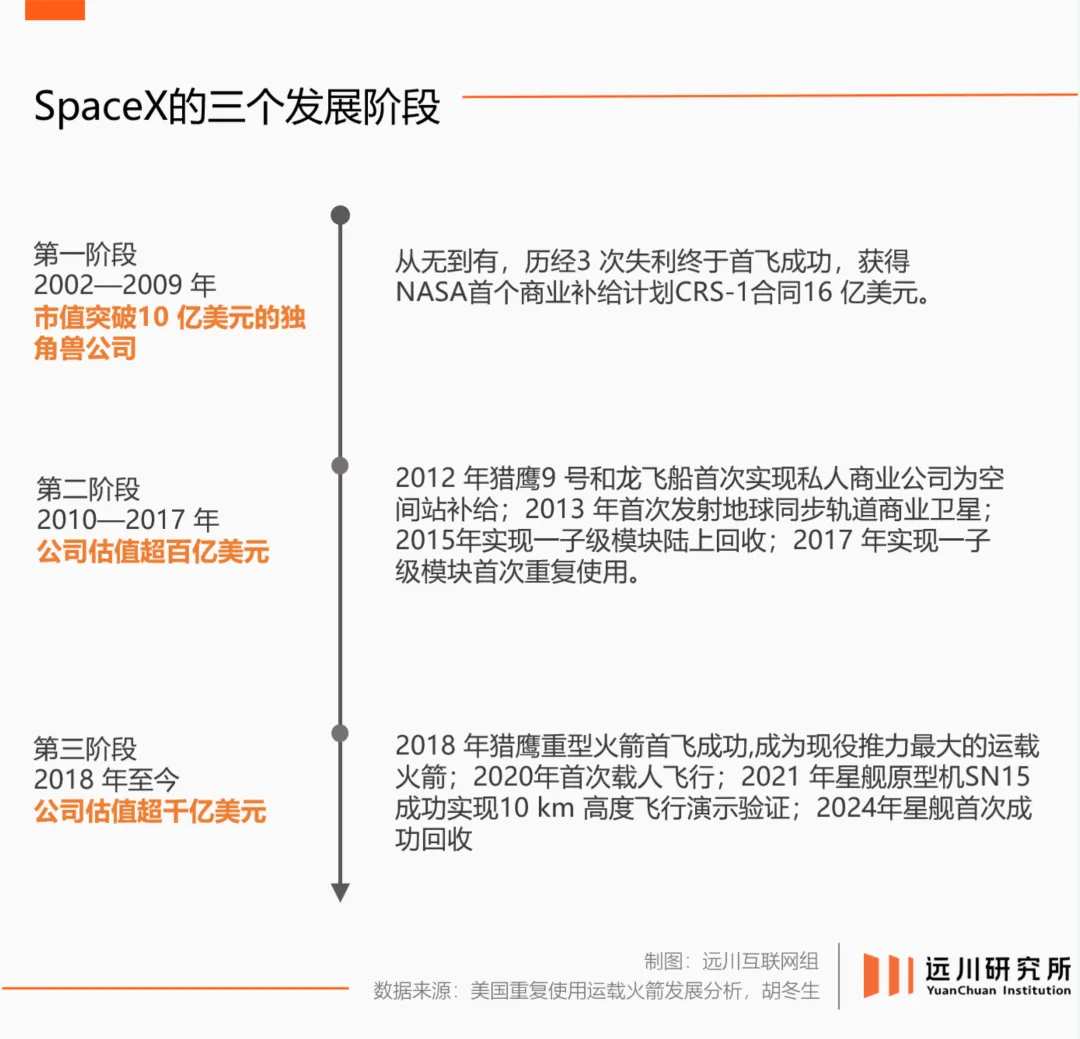
Aside from physics, the only thing Musk truly cares about seems to be cost. SpaceX’s real breakthrough was transforming spacecraft manufacturing processes by producing rockets the way cars are made.
Musk introduced a concept he called the 'idiot index,' defined as the ratio of an industrial product’s total production cost to its raw material cost. For example, if a component costs $1,000 to produce but the raw aluminum used costs only $100, the idiot index would be as high as 10, indicating excessive costs added during production.
Before SpaceX emerged, the total cost of rockets was fully 50 times higher than the combined cost of raw materials like carbon fiber, metals, and fuel—sending the idiot index off the charts. When the Starship program began, Musk compelled SpaceX’s financial analysts to identify, overnight, the 20 components with the highest idiot index—such as pumps and nose cones—and set targets to minimize machining steps as much as possible.
In Musk’s words: 'If what you’re making has a high idiot index, then you’re an idiot.'
Musk has always tackled cost issues with what might be called 'the most expensive method to reduce costs': if ten accountants would take a month to complete a calculation, he would hire twenty programmers to write software that automates the process, finishing it in a single day. This is also why Musk has said, 'Compared to the intellectual effort required to design a factory, designing a car is trivial.'
From the Model 3 Gigafactory to SpaceX’s Starship, this approach has proven consistently successful.
SpaceX introduced friction stir welding into rocket manufacturing—a technique that uses a rapidly rotating tool to generate friction at the joint between metal plates, causing their crystalline structures to fuse together.
Because conventional welding alters the mechanical properties of metal sheets, aerospace companies typically use rivets or other fasteners for reinforcement—at the cost of limiting panel size. SpaceX was the first to apply friction stir welding to massive structures like rocket bodies, resulting in stronger welds and enabling the use of lighter alloys, which reduced the Falcon rocket’s weight by hundreds of pounds.
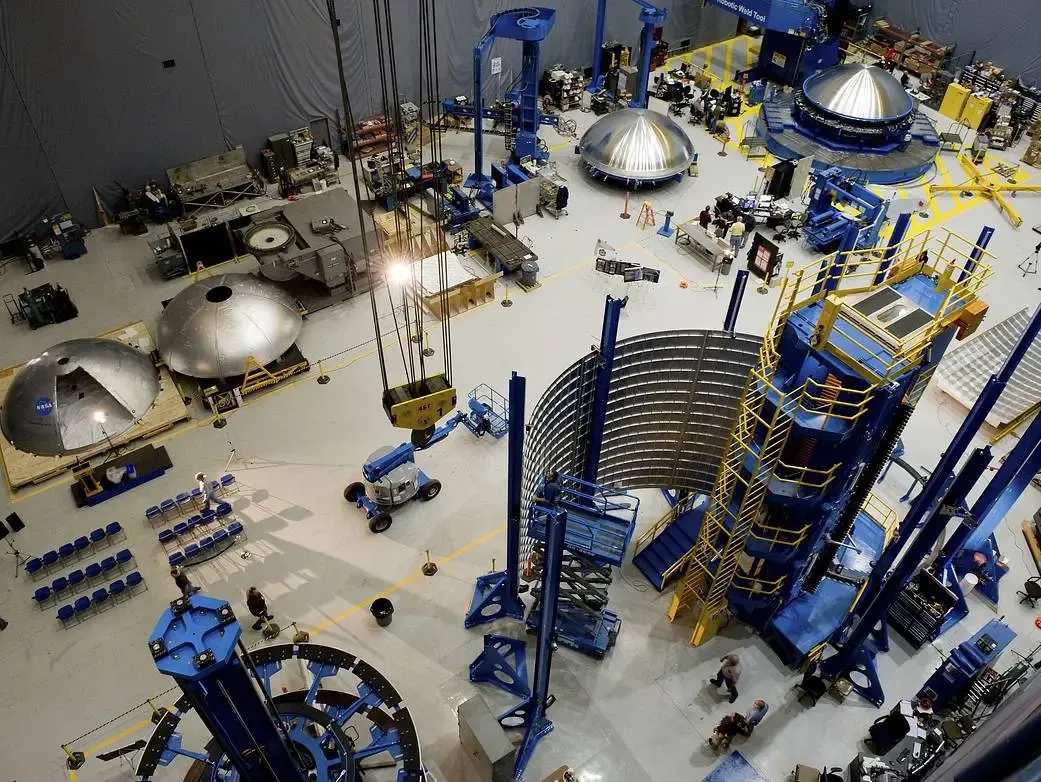
Unlike most spacecraft manufacturers, SpaceX houses its core factory within its corporate headquarters, where all critical components of rockets and spacecraft are manufactured and assembled. In the center of the factory, nestled among massive welding and fabrication areas, stands a three-story transparent office building that serves as the workspace for rocket engineers.
This is SpaceX’s implementation of a 'vertical integration' production model, enabling designers and manufacturers to work side by side, allowing new ideas to be rapidly implemented and production-line issues to be resolved immediately.
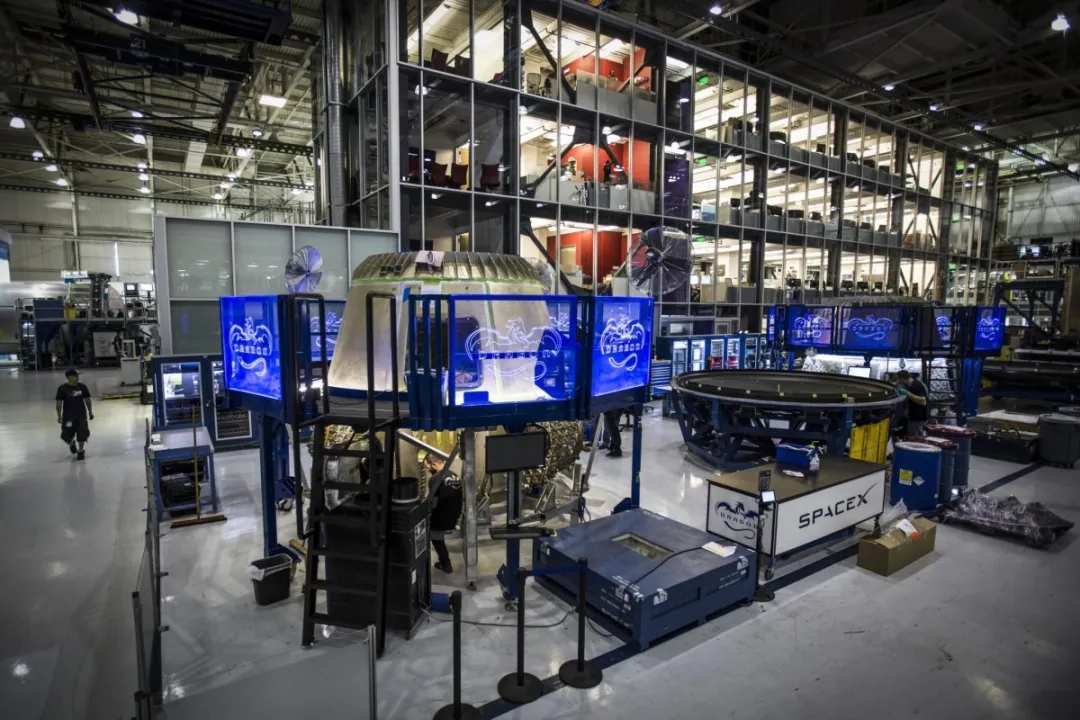
Using this approach, SpaceX carries out 80% to 90% of its manufacturing in-house—including rockets, engines, and critical electronic systems. All of SpaceX’s technical managers are required to work on the production floor, including Elon Musk himself.
This extreme level of control over the production process is key to improving efficiency—a concept Tesla once described as 'arriving at the red light.' Franz von Holzhausen, Tesla’s chief designer, once said: 'We aim to cultivate a group of designers who think like engineers, and a group of engineers who think like designers.'
By Thanksgiving 2022, the Starship factory was already producing more than one Raptor engine per day, with the entire manufacturing process becoming nearly as seamless and efficient as automobile assembly.
While overcoming engineering challenges, SpaceX has also upended the traditional cost structure of the space industry. Even NASA has acknowledged [8]: 'We do recognize the need to reduce costs and believe our commercial partners have outperformed us in this regard.'
The Visible Hand
According to Elon Musk’s biography, SpaceX engineers once explained to Musk the administrative requirements for safety reviews related to rocket launches and the complexities involved in obtaining launch permits.
This infuriated Musk, who expressed frustration that despite dedicating immense effort to enabling human settlement on Mars, he still had to deal with 'all this bureaucratic nonsense.' He then delivered a philosophical remark:
“Civilizations decline because they abandon adventure. When they give up adventurous endeavors, the arteries of civilization harden.”
In SpaceX’s story, NASA often appears to play the classic cinematic villain: inefficient, bureaucratic, and frequently using administrative power to hinder market-driven innovation. Yet in reality, NASA has been one of SpaceX’s most crucial supporters.
After the Space Shuttle program ended, the U.S. government began supporting private space companies to reduce costs. SpaceX’s initial contracts came from NASA and DARPA. Senior DARPA officials once praised Elon Musk highly: “There are many visionary people, but Musk is the only one who is both visionary and understands rockets.”
Throughout SpaceX’s growth, the visible hand of government has always been present.
NASA provided SpaceX with technology transfers, including access to technical documentation, on-site technical personnel, patent licensing, and research and development equipment and test facilities. The current U.S. National Space Policy explicitly states that commercial space development should be promoted through procurement policies and institutional innovation.
Compared with commercial contracts and limited personal investments, government contracts have been the cornerstone of SpaceX’s operations. SpaceX has received over $8 billion in funding from the U.S. government, of which approximately $7.2 billion came from NASA and about $960 million from the U.S. Air Force.
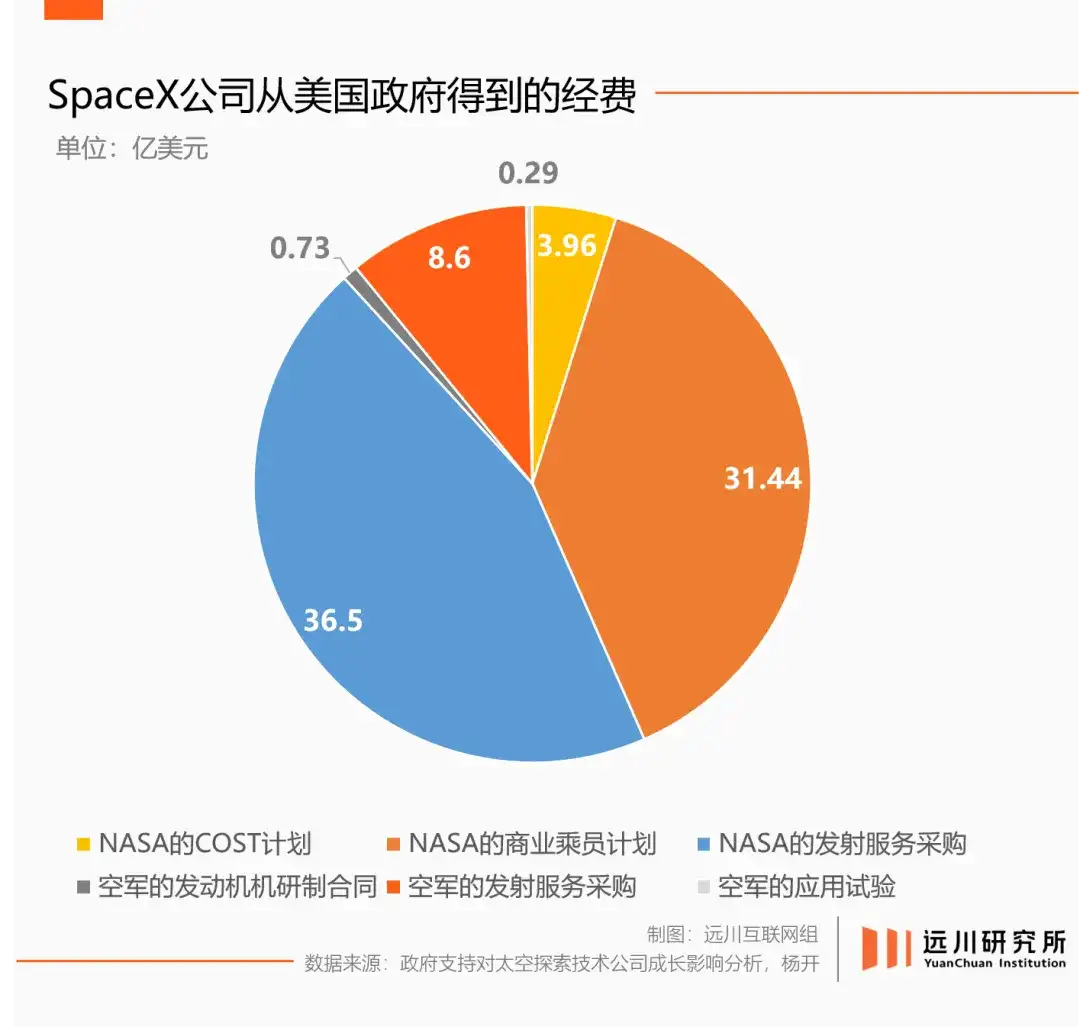
SpaceX’s success was never achieved alone. Every economy that champions the free market fully understands both the strengths and limitations of markets—and leverages them wisely.
Epilogue
During the maiden flight of the Falcon Heavy rocket, a Tesla sports car was used as a test payload. The launch was highly successful, and Musk optimistically estimated that the car could orbit between Earth and Mars for hundreds of millions of years.
“Eventually, it will come extremely close to Mars, with a tiny chance—vanishingly small hope—that it might land on Mars.”
Many SpaceX engineers entered the space industry inspired by a book published in 1998, *Rocket Boys*. The author, Homer Hickam, formerly served as a NASA engineer responsible for astronaut training and participated in servicing the Hubble Space Telescope.
The book was adapted into the film October Sky in its second year of publication, telling the story of Homer Hickam, the son of a coal miner, who developed an interest in space exploration, launched 31 self-designed rockets in his hometown, and subsequently won first place at the National Science Fair.
There is a dialogue in the film that takes place when Homer Hickam and his friends are arguing and considering giving up the competition.
One of the protagonist’s friends asks, 'Honestly, what are the chances that a bunch of kids from a coal mining town like us could actually win the science fair?'
The protagonist replies, 'About one in a million.'
His friend says, 'That high? Why didn’t you say so earlier?'
Technological progress has many causes. One important reason is that there are always some people who regard a one-in-a-million probability as a cause worth pursuing for their entire lives.
Editor/Jayden