① Newly appointed Federal Reserve Chair Kevin Warsh will preside over his first FOMC meeting, facing mounting pressure to raise interest rates and questions about the implementation of his promised reforms; ② Economists are closely watching Warsh’s communication style during the press conference and his stance on inflation risks; ③ Possible strategies Warsh might adopt include opposing rate hikes, downplaying inflation concerns, or proposing a reduction in the Fed’s balance sheet to curb inflation.
This week, newly appointed Federal Reserve Chair Kevin Warsh is set to preside over his firstFederal Open Market CommitteeFederal Open Market Committee (FOMC) meeting, facing not only a more 'hawkish' Federal Reserve but also mounting pressure from various quarters for further interest rate hikes.
However, economists still seem uncertain about what to expect from Warsh’s ‘debut.’ Rate cuts—long advocated by Warsh during his campaign and consistently championed by U.S. President Trump as a key criticism of former Chair Powell—have become less likely following the outbreak of the U.S.-Iran war.
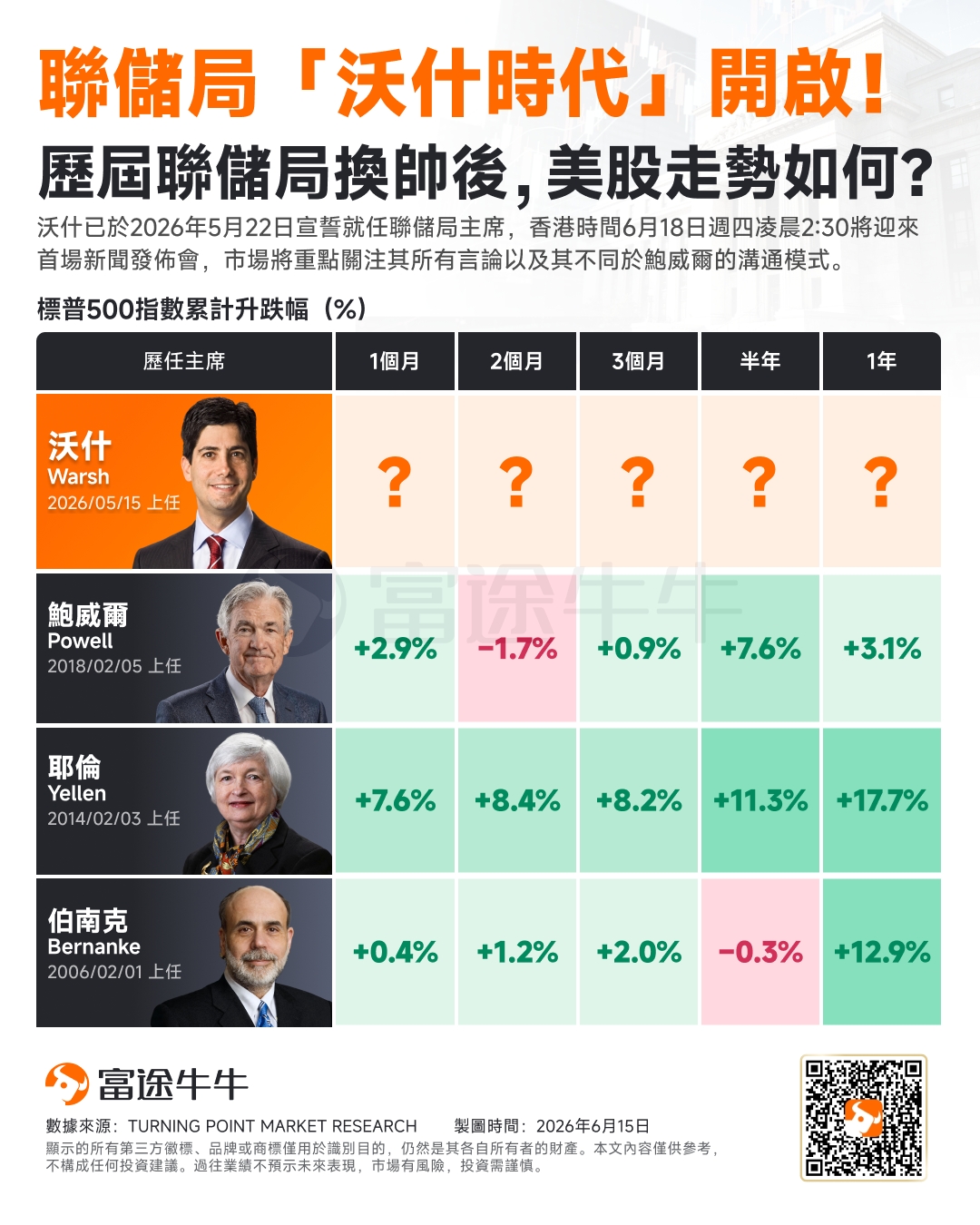
 Moreover, Warsh has previously pledged to implement ‘institutional reforms’ at the Fed, including changes to its communication approach and the size of its balance sheet. Economists will now closely monitor whether there are any signs that these promised reforms will be implemented, starting with the press conference itself.
Michael Gregory, Deputy Chief Economist at BMO Capital Markets, stated in a client report: ‘The post-meeting press conference will be “must-watch TV.”’
James McCann, Senior Economist at financial services firm Edward Jones, remarked, ‘We really don’t know. There could be surprising outcomes this week. I’m open-minded about his remarks and his policy positions on a range of issues.’
Three Key Points of Focus
Analysts believe that one of the quickest ways Warsh can make an impact is through the post-meeting press conference—a privilege traditionally reserved exclusively for the Fed Chair. Will his remarks be more concise and direct? How will he respond when asked about inflation risks—given that inflation has remained above the Fed’s target for more than five consecutive years? These are among the key issues capturing attention on Wall Street and in Washington this week.
On the other hand, economists genuinely do not know how Warsh will formulate monetary policy. His 18 colleagues on the Federal Reserve leadership team and the other 11 voting members of the rate-setting committee appear to be gradually moving toward raising interest rates to combat persistent inflation.
Economist Julia Coronado said she expects six Federal Reserve officials to signal rate hikes this year—a significant shift. Just three months ago, not a single central bank official anticipated tightening monetary policy.
‘All of this has put Waller in a difficult position. He campaigned on a promise to cut rates, and the Trump administration has consistently called for rate cuts as well. However, recent price increases and broader inflationary pressures have made any rate cut extremely challenging. It is precisely this dilemma that will define the beginning of Waller’s tenure at the Federal Reserve,’ said Joseph Brusuelas, chief economist at RSM US, an audit, tax, and consulting firm headquartered in Chicago.
The latest data show that the U.S. Consumer Price Index (CPI) rose 4.2% year-over-year in May, surpassing the 4% mark for the first time in three years and posting its fastest pace since May 2023—outpacing wage growth. However, core CPI, which excludes food and energy costs, increased by just 0.2% month-over-month, below market expectations.
Additionally, another key point to watch is the Federal Reserve’s projections for 2027. Some economists believe that a significant shift under Waller could involve discontinuing the release of the ‘dot plot’—a chart showing each policymaker’s forecast for the benchmark interest rate over the next three years.
Currently, the median dot plot from the Federal Reserve indicates a rate cut next year. Analysts suggest that if the Fed’s projections remain unchanged, Waller could find a ‘reasonable middle ground’: on one hand, policy is currently well-positioned to address higher inflation; on the other, the Fed stands ready to cut rates if inflation cools next year.
How might Waller act?
Some experts believe Waller may oppose potential rate hikes and downplay inflation concerns, echoing recent remarks by White House officials.
Richard Moody, chief economist at Regions Financial Corp., believes that once inflationary pressures begin to ease, Waller could start laying out the case for resuming rate cuts. He might reiterate his view that artificial intelligence could drive faster productivity growth, potentially enabling lower interest rates.
However, some economists say Waller could also shift his stance, accept the possibility of rate hikes, and thereby break with Trump.
Moreover, Waller might propose another strategy to cool the economy. In an interview, Ben Emons, founder of FedWatch Advisors, stated that Waller would likely advocate for shrinking the Federal Reserve’s balance sheet—a process commonly known as quantitative tightening—which could help curb inflation without raising rates.
According to Gregory, overall, Waller’s reforms at the Federal Reserve are more akin to ‘an evolutionary process than a revolution.’
Coronado stated that she expects Waller to announce a comprehensive review of the monetary policy strategy and communication, including a reassessment of the dot plot and economic projections.
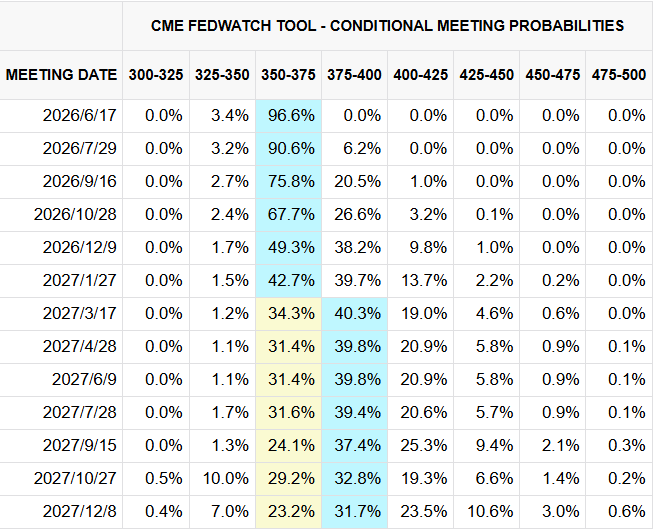
The Federal Reserve is expected to remain on hold at this month’s meeting. Coronado anticipates no dissenting votes at the meeting, as Fed officials 'will give him some leeway at this meeting' and agree that the central bank has time to monitor how inflation evolves.
Editor/Lambor