
① Citing sources familiar with the matter, Gurman reported that Apple aims to launch its new AirPods alongside the next-generation foldable iPhone and a new model commemorating the 20th anniversary of the iPhone; ② The new AirPods will be Apple’s first wearable device centered on artificial intelligence as a core selling point, featuring a computer vision camera that provides Siri with real-time visual information.
Caixin News, June 17 (Editor: Zhao Hao) — Renowned Apple leaker Mark Gurman stated in a post that Apple plans to launch camera-equipped AirPods in the second half of 2027, marking a significant step in the company’s entry into the AI hardware market.
Citing informed sources, Gurman noted that Apple intends to release these new AirPods simultaneously with the next-generation foldable iPhone and a new device celebrating the 20th anniversary of the iPhone. Together, these products will constitute Apple’s largest product launch to date.
 In recent months, all three products have entered advanced development stages. A report in May indicated that development of the new AirPods has accelerated, with hardware and software designs of current prototypes nearing their final versions.
Meanwhile, Apple is also developing a series of new chips for future products, which will utilize next-generation semiconductor manufacturing processes. Apple is currently testing devices slated for release next autumn, paired with the iOS 28 system codenamed “Bell.”
According to the roadmap, iOS 28 will be released in 2027. Last week, Apple unveiled iOS 27 and announced that the new version of Siri will become available to users later this year.
AI-Powered AirPods
According to Gurman, the new AirPods will be Apple’s first wearable device with artificial intelligence as its core feature. The integrated computer vision camera is not intended for photography or video recording but rather functions as an environmental perception sensor, providing Siri with real-time visual data.
Apple envisions users directly asking Siri about objects in their field of view or their surrounding environment—for example, when looking at a table full of ingredients, a user could ask, “Siri, what can I cook tonight?”
Sources familiar with the matter said the AirPods, internally codenamed B798, were originally scheduled for a 2026 launch. However, the release has been delayed due to slower-than-expected progress in Apple’s AI software development and the need to train visual AI models capable of recognizing users’ surroundings.
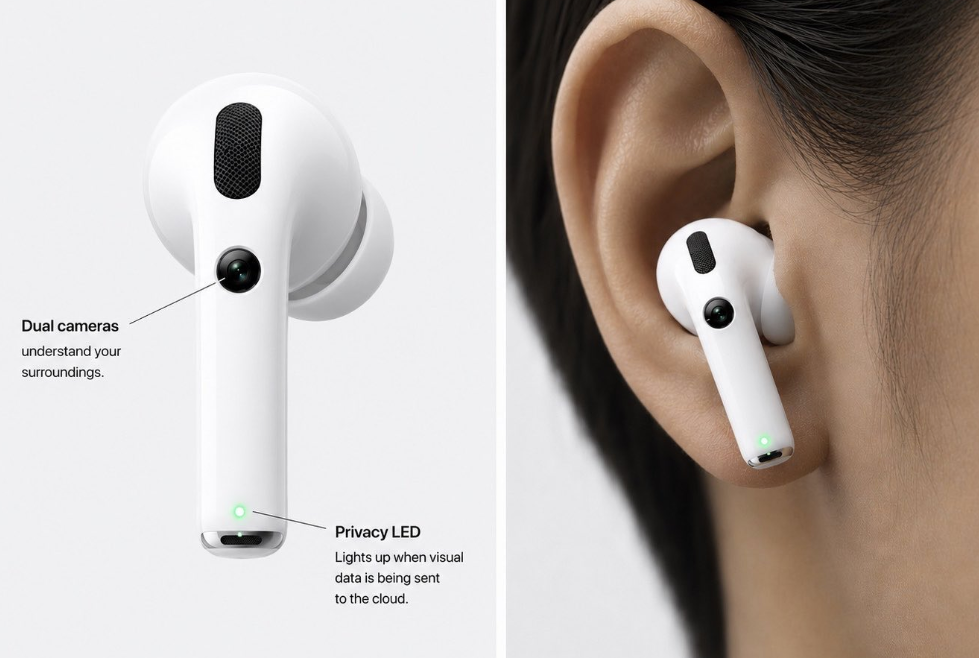
Image for reference only; not the final design.
However, the related plans may still be subject to adjustment, and the final launch timing has not yet been fully confirmed.
At last week’s developer conference, Apple already demonstrated a similar feature for Vision Pro. However, compared to Vision Pro, AirPods have a significantly larger user base, making the success or failure of this technology even more critical for Apple.
The new AirPods will further reinforce Apple’s 'Visual Intelligence' strategy. This technology can analyze image content and instantly provide contextual information. Apple has already integrated Visual Intelligence into the new Siri and the Camera app in iOS 27.
In terms of appearance, the new product closely resembles the existing AirPods Pro, with the primary difference being the integration of a camera inside the earbud stem. Additionally, an indicator light will be added to the outer surface of the earbuds to notify people nearby that the device is transmitting data to the cloud for processing.
Apple is also exploring the use of these cameras to enable contextual alerts and enhance real-time turn-by-turn guidance during walking navigation.
Smart Glasses and AI Hardware Strategy
In addition to AI-enabled AirPods, Apple is expected to launch its first smart glasses as early as late next year. Internally codenamed N50, the device will feature more advanced cameras capable of capturing photos and recording videos, positioning it as a competitor to Meta Platforms’ offerings.
However, at present, the AirPods project is progressing ahead of the smart glasses initiative. Apple is also evaluating the development of an AI-powered pendant device equipped with a camera, which users could clip onto clothing or wear as a necklace.
Foldable iPhone to receive annual updates
On the other hand, Apple is also accelerating its plans to enter the foldable smartphone market. Previous reports indicated that the first foldable iPhone is expected to debut in September this year.
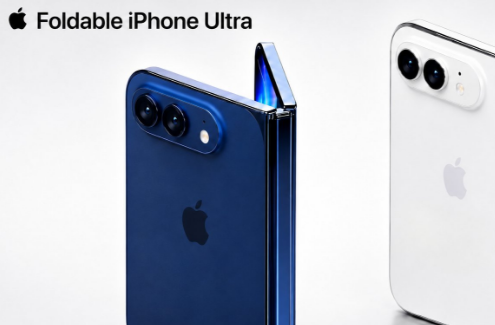
Image for reference only; not the final design.
One year later, Apple plans to launch a second-generation foldable model, internally codenamed V78. This indicates that Apple now views foldable devices as a key product category and intends to update them annually, similar to its traditional iPhone lineup.
20th Anniversary Edition iPhone
Apple is also expediting development of a special edition iPhone commemorating the 20th anniversary of the iPhone’s launch, scheduled for release by the end of next year. The device will feature a nearly bezel-less display with curved glass extending toward both sides of the chassis.
The commemorative models, internally codenamed V73 and V74, will succeed this year’s iPhone 18 Pro and Pro Max and will be similar in size. Both commemorative models and the second-generation foldable iPhone will be powered by the A21 chip manufactured using a 2-nanometer process, internally codenamed “Naxos”.
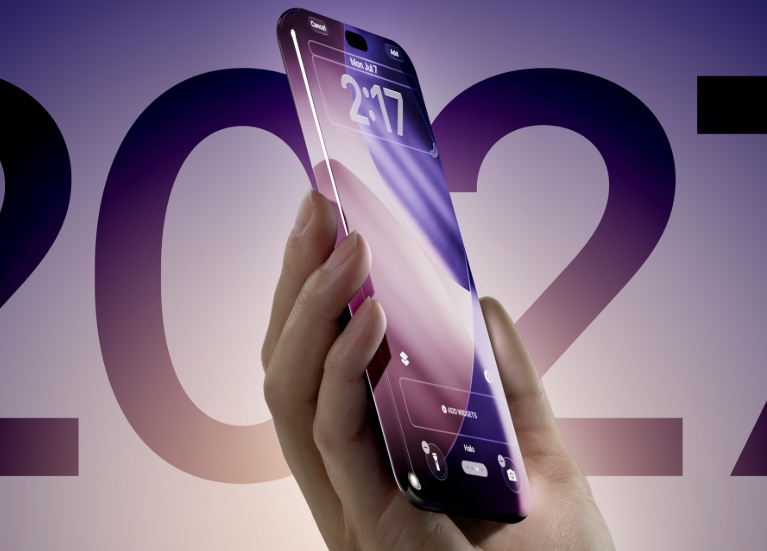
Image for reference only; not the final design.
According to current plans, Apple will still proceed with its annual fall update for the Pro series this year, but the standard iPhone 18 will be delayed until next year, resulting in an approximately 18-month product cycle for that model.
This year’s iPhone 18 Pro, iPhone 18 Pro Max, and the first-generation foldable iPhone will be equipped with the A20 Pro chip, codenamed “Borneo,” while next year’s standard iPhone 18 will feature the A20 chip, codenamed “Banda.”
Apple is also developing successor models to the iPhone 18, which will use the standard A21 processor, codenamed “Nimos.”
Looking ahead to 2028, Apple plans to launch a new high-end iPhone featuring the A22 Pro chip and further advance its chip manufacturing process to 1.4 nanometers. For chip foundry services, Apple will continue to rely primarily on Taiwan Semiconductor, while also evaluating the possibility of Intel taking on a portion of production capacity.
Editor/Liam