① Google has released Android 17, introducing multiple enhancements—including multitasking, social media video creation, and more—while laying the groundwork for agentic AI capabilities; ② however, new features such as Gemini Intelligence, redesigned emojis, intelligent voice input, and the “Vibe Coding” widget will roll out in phases starting this summer.
According to Caixin News on June 17 (edited by Zhao Hao), Google announced the release of Android 17 on its official website on Tuesday, June 16—the latest major upgrade to this widely used mobile operating system.
However, some of the most anticipated artificial intelligence features will not be officially available until several months from now. Google stated that the initial rollout will prioritize Pixel devices, with updates reaching other brands’ smartphones gradually over the coming months.
 Android 17 introduces a range of improvements across multitasking, social media video creation, and gaming experiences, while also establishing a foundation for agentic AI capabilities slated for later this year.
However, many of Android 17’s most eye-catching new features—including Gemini Intelligence, newly designed emojis, smarter voice input, and the “Vibe Coding” widget—will be rolled out in stages beginning this summer.
“Bubble Mode” enhances multitasking
One of the most significant new features in Android 17 is “Bubbles.” This functionality allows users to minimize any running app into a floating bubble that remains fixed on-screen for quick and easy access at any time.

For example, users can place Google Keep into a bubble to quickly check a shopping list or take notes during a phone call; they can also keep the messaging window always visible without repeatedly switching between apps.
Multiple bubbles can be stacked and freely dragged to any location on the screen. On foldable devices, where demand for multitasking is higher, Google has added a dedicated Bubbles section to the taskbar.
Native support for “screen reaction” recording
For content creators, Android 17 introduces a new feature called “Screen Reactions.” Users can record a selfie video and overlay it on top of the current screen content on their phone.

This “watch-and-react” video format has gained significant popularity on major social media platforms in recent years, prompting Google to integrate it directly into the Android operating system to reduce users’ reliance on third-party apps such as CapCut and Instagram Edits.
Enhanced Security and Privacy
Android 17 also includes several security and privacy enhancements:
Users can now grant apps one-time access to location data, eliminating the need to choose between permanent permission and outright denial;
The “Approximate Location” feature will automatically expand the obfuscation radius in sparsely populated areas to further protect user privacy;
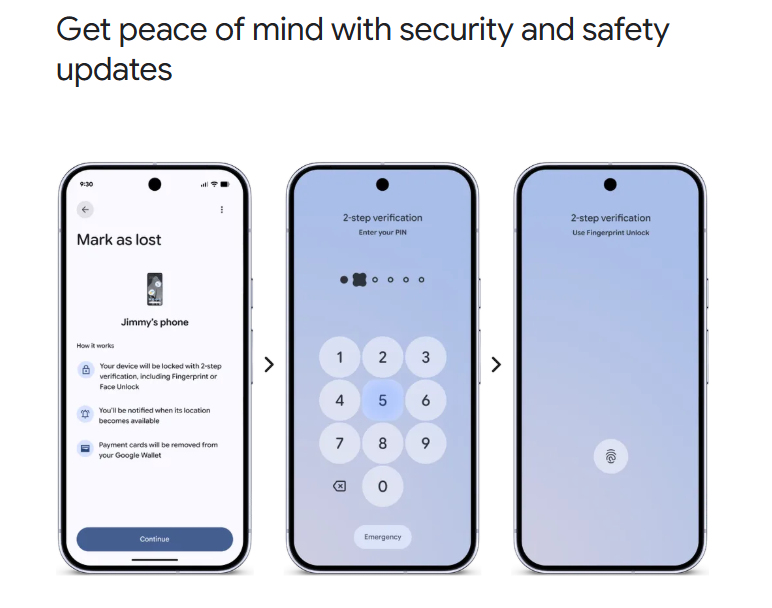
“Lost Mode” now imposes stricter restrictions—unlocking the device requires both a PIN and biometric verification, enhancing theft deterrence.
Other Key Updates
In addition, Android 17 also includes: support for enabling dark mode on a per-app basis; and a more intuitive redesign of the split-screen multitasking interface.
Hearing aid users can now exercise greater control over audio routing, freely choosing which sounds are transmitted to their hearing aids and which are played through the phone’s speaker.
Wear OS simultaneous upgrade
Google has also updated its smartwatch operating system, Wear OS, delivering longer battery life, real-time updates, and improved interoperability with devices such as smart glasses.
The company plans to launch its first audio-centric smart glasses this fall and is therefore proactively optimizing compatibility between these glasses and Android ecosystem devices.
Similar to Android smartphones, Wear OS 7 will receive new Gemini Intelligence features later this summer, including Create My Widget (AI-generated widgets), multi-step app automation, and a redesigned Gemini AI assistant interface.
These upgrades demonstrate Google's accelerated integration of Gemini artificial intelligence deeply into the Android ecosystem, further intensifying its competition with tech giants like Apple in the AI domain.
Editor/Liam