
Microsoft was recently reported to have been in talks with Oracle regarding the leasing of cloud infrastructure, but the deal—valued at over USD 3 billion—ultimately collapsed because Oracle’s public cloud lacks FedRAMP security certification and Oracle refused to add it. The news, released after market hours on Tuesday, further weighed down Oracle’s stock and chip-related equities. The U.S. equity market is currently highly sensitive—and somewhat jittery—about narratives surrounding AI-related capital expenditures; this marks the second market-moving incident in less than a week triggered by news concerning AI infrastructure.
News of a collapsed negotiation sent already pressured chip stocks lower once again.
According to Business Insider, after market hours on Tuesday, June 16 local time, Microsoft recently held talks with Oracle regarding the rental of the latter’s cloud infrastructure, but the discussions ultimately broke down over security and compliance issues involving more than USD 3 billion. The report immediately triggered a decline in Oracle’s share price and the broader semiconductor sector, further exacerbating an already weak market session that day.
 The core obstacle to the deal was a security certification framework known as FedRAMP—the standard mandated by the U.S. government for cloud service providers handling federal data. Citing sources familiar with the matter, the report stated that Oracle’s public cloud lacks this certification and was unwilling to undertake the necessary modifications. An Oracle executive acknowledged that implementing FedRAMP on its public cloud would 'be a massive engineering undertaking.'
Oracle promptly denied the report. A spokesperson stated: 'The details cited in the article are inaccurate. Microsoft is both a partner and a customer of our OCI platform. We maintain an exceptionally close and productive relationship and frequently explore ways to expand upon our existing collaboration.' However, the spokesperson declined to specify which details were incorrect. Microsoft declined to comment.
This marks the second incident within the past week in which news related to AI infrastructure has triggered market volatility. Previously, AI infrastructure firm Crusoe suspended its 1.8 GW data center project in Wyoming at a client’s request, causing related stocks to plunge intraday.
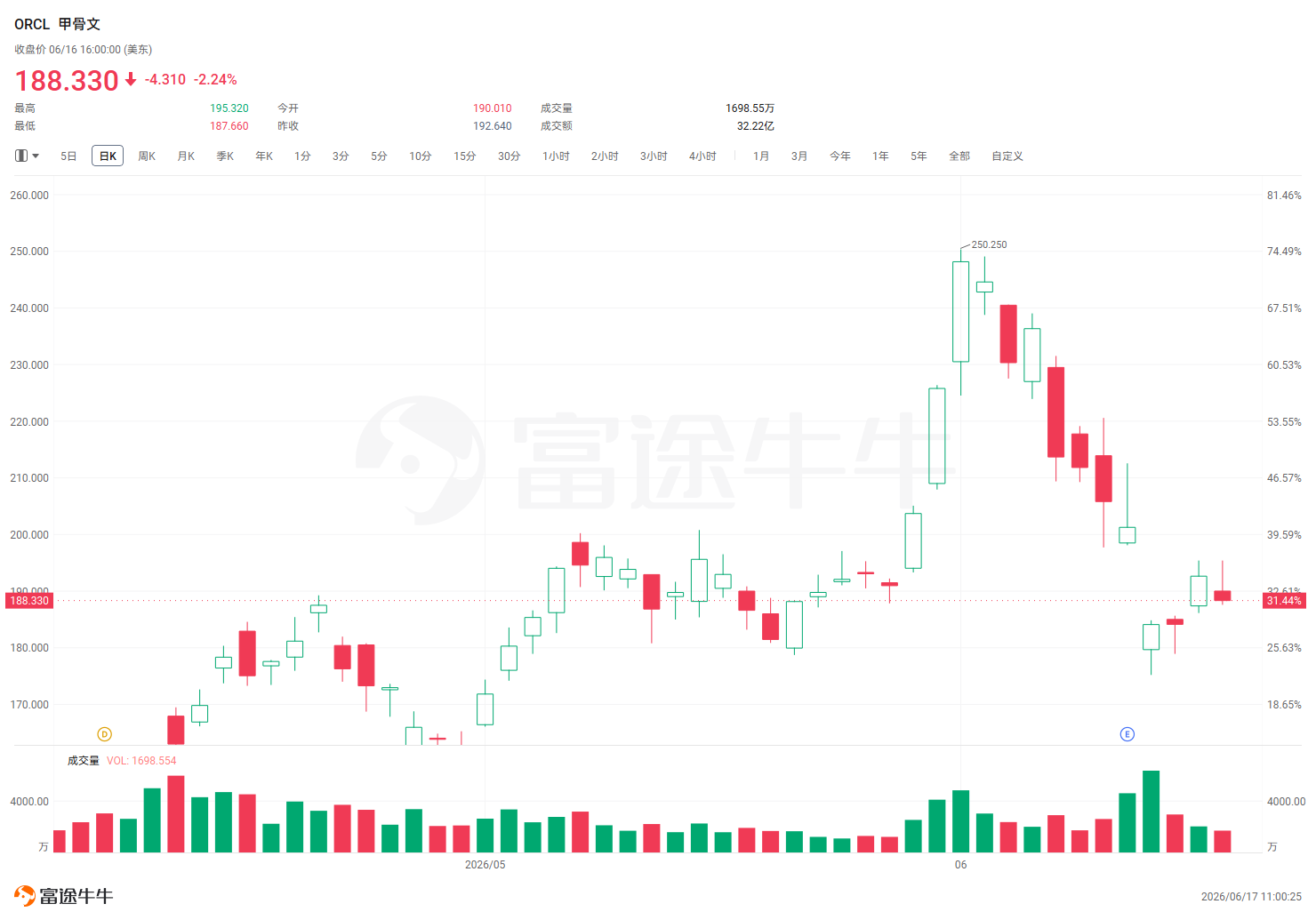
Why this deal emerged: Microsoft is 'scouring for compute capacity'
Microsoft forecasts capital expenditures of USD 190 billion for calendar year 2026, primarily allocated to data center expansion. Even so, its own capacity remains insufficient—earlier, the company had turned to Amazon to supplement compute resources for its GitHub code development services in response to recent service outages.
Sources familiar with the matter told media outlets that Microsoft is seeking agreements with other cloud providers to prioritize Azure cloud resources for its customers. Microsoft stated, 'We are scouring for compute capacity.'
Beyond Oracle, Microsoft has other options. The public clouds of both Amazon and Google already hold FedRAMP certification. According to informed sources, Microsoft continues to evaluate and explore options for leasing cloud infrastructure.
This phenomenon of 'major tech firms leasing compute capacity from one another' is becoming the new norm in the AI era. Google and SpaceX recently disclosed that Google will pay SpaceX USD 920 million per month from October 2026 through June 2029 to purchase AI compute capacity. Just two months ago, Google Cloud entered into an agreement with Anthropic to sell it AI compute capacity.
The second 'seeing enemies everywhere' episode recently
This is not the first time recently that news concerning AI infrastructure has triggered a market chain reaction.
Just one week earlier, on June 10, AI infrastructure company Crusoe announced it was pausing its 1.8-gigawatt large-scale data center project (codenamed "Project Jade") in Cheyenne, Wyoming, at the request of an undisclosed client. The announcement immediately sent shares of Bloom Energy—a supplier linked to the project—plunging more than 9% that day, while both the Nasdaq and S&P 500 also declined.
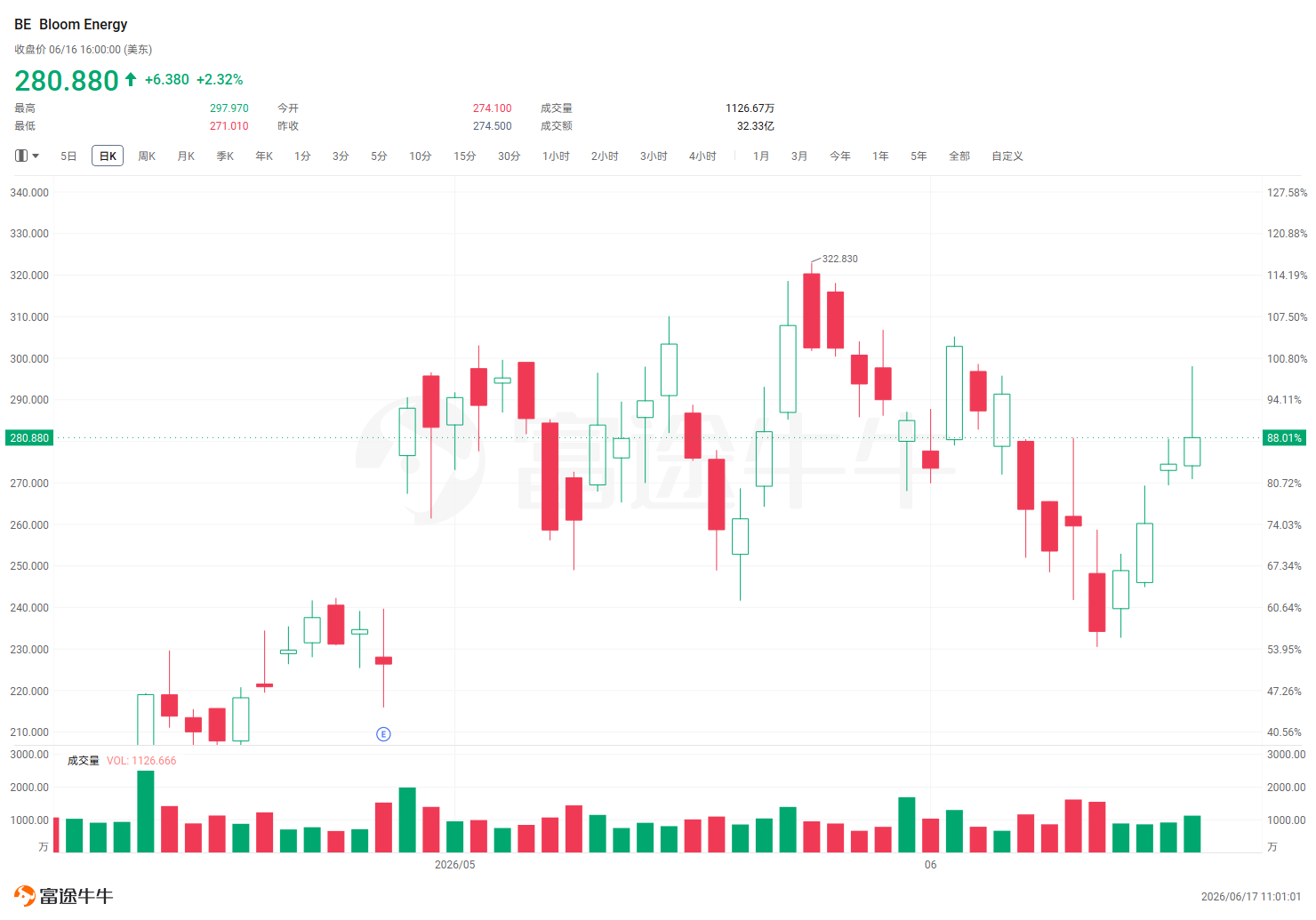
The incident continued to escalate. According to Bloomberg, the direct reason Crusoe was forced to exit the project was Google’s concerns over the project’s costs and timeline under Crusoe’s leadership. Energy company Black Hills subsequently stated that the project would proceed without Crusoe’s involvement, and that Google is finalizing agreements with the remaining partners to purchase computing capacity from the site. The project remains on track for operations to begin in early 2028.
Why the market is so sensitive: positions and narratives are all aligned in the same direction
These two incidents, occurring just one week apart, followed a highly similar trigger logic: any sign of weakness in one segment of AI infrastructure immediately prompted the market to reassess the entire chain’s delivery timeline.
Goldman Sachs partner Rich Privorotsky promptly highlighted this event, pointing directly to the market’s core vulnerability: "In a market where everything is tied to AI capital expenditure, even isolated delays, postponements, or shifts in priorities are enough to force investors to reevaluate their assumptions about future demand."
He provided a set of data points: current market momentum returns are at the 90th percentile of the past five years, total exposure sits at the 99th percentile, financing spreads have widened amid rising leverage demand, and retail participation through leveraged ETFs remains substantial.
"Everything is becoming increasingly tied to AI spending. It is part of the hardware long trade, driving a portion of GDP and much of market performance. The feedback loop is becoming harder to ignore," he wrote.
This high degree of interdependence means that any "pause" or "abandonment" in a single link is amplified by the market. Microsoft’s decision to walk away from its $3 billion deal with Oracle was, in essence, a failed negotiation due to technical compliance issues—but under current market sentiment, it was interpreted as a broader signal: Can AI capital expenditure really continue to materialize at its previously expected pace?
Editor/Lambor