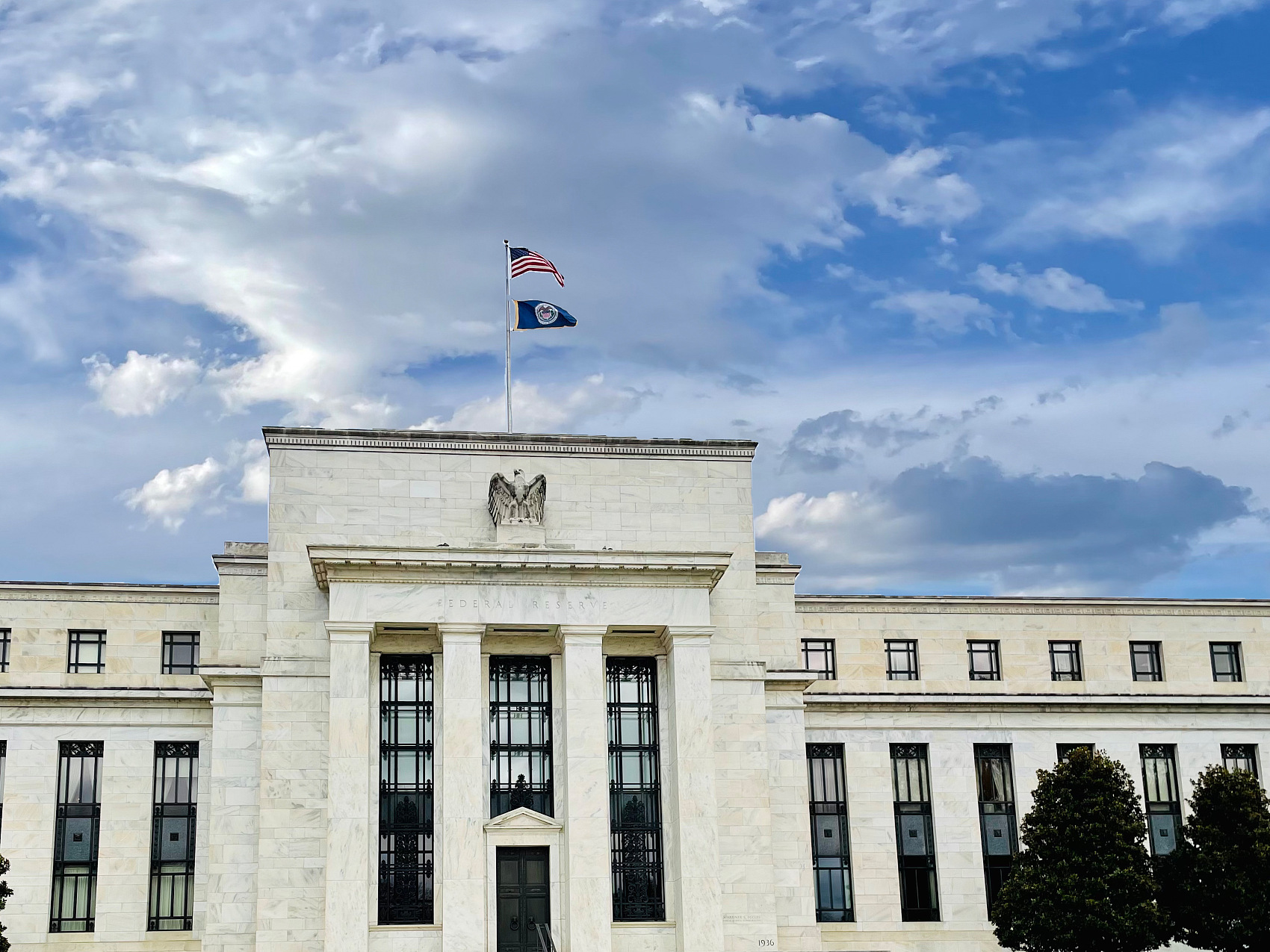
① When the Federal Reserve concludes its policy meeting on Wednesday, one important element may be missing—a 'dot' on the dot plot. ② Most Wall Street Fed watchers expect new Chair Kevin Warsh to decline to provide a dot plot forecast, breaking a roughly 14-year-old Fed tradition. ③ Analysts warn this could send the wrong signal to markets.
The Federal Reserve will announce its interest rate decision on Wednesday Eastern Time. The market widely expects the central bank to hold rates steady. However, when the Fed wraps up its policy meeting, one important element may be missing—a 'dot' on the dot plot.
Federal ReserveFederal Open Market Committee(FOMC) will release its quarterly update showing officials’ projections for the path of interest rates this year and through 2028 or beyond. Markets closely scrutinize this chart—commonly known as the “dot plot”—for insights into how Fed officials view the economic outlook and its implications for monetary policy.
 However, most Wall Street Fed watchers expect new Chair Kevin Warsh not to participate, possibly because he feels unprepared—he assumed office on May 22 and has served for less than a month—or simply because he dislikes the dot plot.
Long skeptical of the Fed’s forward guidance framework
The dot plot is part of the Summary of Economic Projections (SEP), which also includes forecasts for unemployment, inflation, and gross domestic product (GDP). The SEP is updated quarterly and presents median projections across these categories; thus, it does not constitute an official forecast but rather reflects the median of FOMC participants’ individual projections.
Warsh has previously voiced opposition to the dot plot and other forms of forward guidance, arguing that such tools constrain the Fed’s policymaking flexibility.
During his Senate confirmation hearing in April, Warsh cited the SEP as part of a broader issue of excessive Fed communication. He specifically referenced the Fed’s erroneous inflation assessments during 2021–22, which compelled the central bank to subsequently implement a series of aggressive interest rate hikes to combat the worst price surge in four decades.
At the time, Warsh remarked: “The Fed tells the world what their dot plot is, what their forecasts are. But the Fed is made up of people. And then they stick with those forecasts longer than they should.”
He further noted that if the Federal Reserve could wait until its meeting to make decisions, such additional deliberation might help avoid compounding errors. 'I believe this is an important change the Fed needs to make,' he said.
Breaking a 14-year precedent
Aditya Bhave, an economist at Bank of America, expects Waller not to submit dot plot projections. David Mericle, an economist at Goldman Sachs, also stated in a report: 'Given Waller’s past criticism of forward guidance, we expect he will not submit dot plot projections, though we are not certain about this.'
"In my view, he (Waller) is likely reluctant to submit interest rate projections," said Bill English, former head of monetary policy at the Federal Reserve and now a professor at Yale University. "There may be others on the Committee who are also not fond of the dot plot and might be willing to follow suit."
If Waller declines to provide dot plot projections, it would break a roughly 14-year precedent established by the Fed since the global financial crisis and could distance him from other Fed officials who support this form of communication with the public. However, for a chairperson who has pledged fundamental reforms to the Fed’s operational practices, this could be an effective first step.
Markets are watching closely
Markets have long relied heavily on the dot plot and other components of the Summary of Economic Projections (SEP).
"The SEP always stirs market movements, which seems somewhat irrational given that its forecasting accuracy is, at best, only moderate," said Liz Ann Sonders, chief investment strategist at Charles Schwab. "But it is indeed one of the ways the Fed communicates its policy outlook, and markets often react accordingly."
Claudia Sahm, chief economist at New Century Advisors, warned that if Waller and other officials opt out of submitting dot plot projections, it could send the wrong signal to markets. She said investors might interpret this as Waller attempting to 'conceal a hawkish shift within the Committee toward maintaining higher rates to combat inflation.'
She noted that while downplaying the importance of the SEP could address some of Waller’s concerns, it would almost certainly create new problems.
‘A Federal Reserve that appears to be concealing internal disagreements may be perceived as overly complacent about inflation risks—the very credibility it can least afford to lose,’ Sahm wrote in the research report.
This meeting is seen as the first major test of Waller’s communication strategy.
In addition to the dot plot and the Summary of Economic Projections, markets will also watch for any changes in the post-meeting policy statement and whether Waller will continue holding press conferences after each meeting.
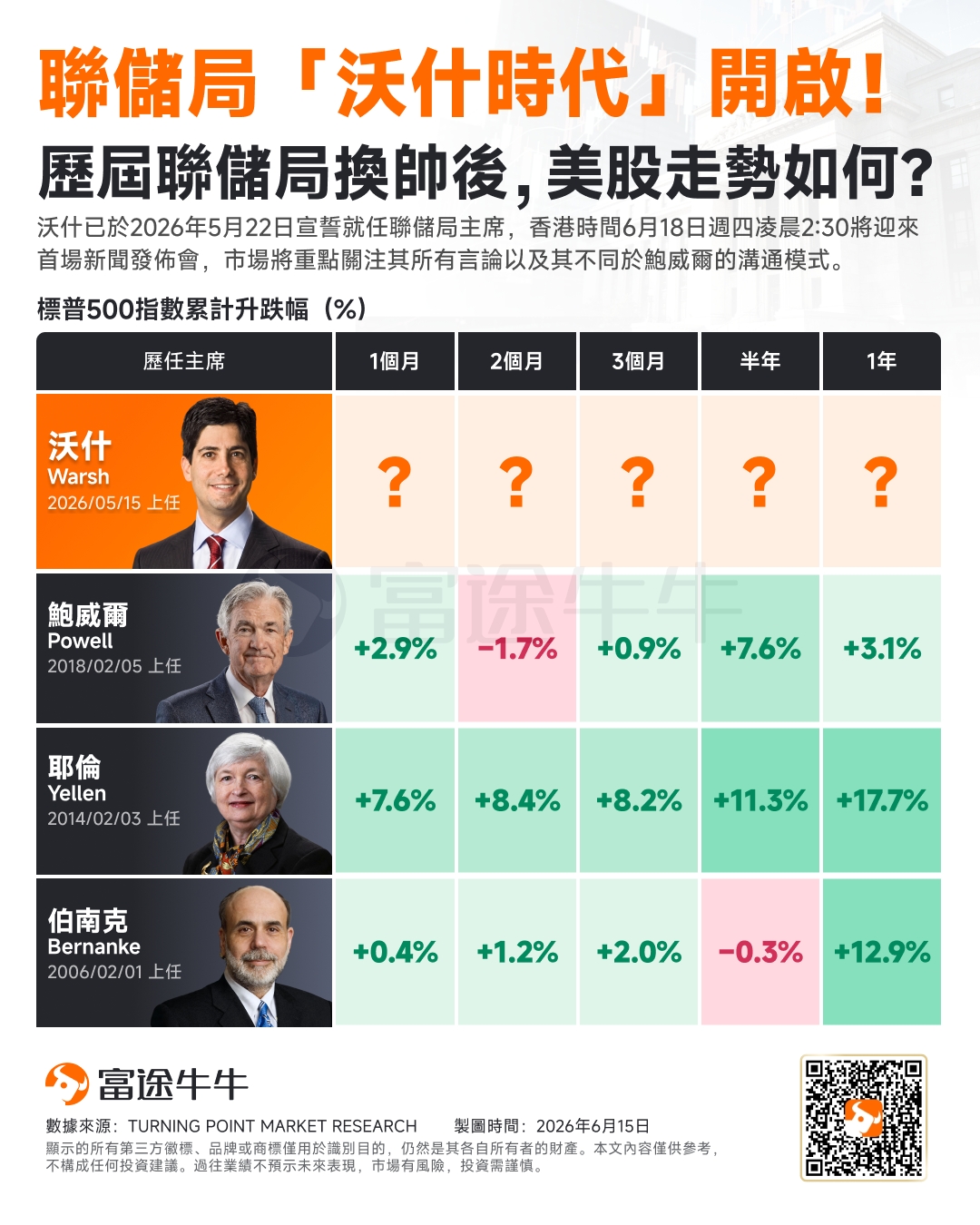
 Stay ahead on major financial events and discover investment opportunities early! Open Futubull > Market > US Stocks >Financial Calendar/selected macroeconomic data, seize the investment opportunity!

Editor/Lambor