Macroeconomic Highlights
The U.S. Trade Representative hinted that new tariff policies will be introduced soon.
According to Xinhua News Agency, U.S. Trade Representative Jamison Greer hinted in a media interview on the 21st that the U.S. federal government will soon introduce new tariff measures to replace the expiring 10% global import tariffs. Greer stated he could not specify an exact timeline for the new policy’s implementation, noting that prior to its formal announcement, the administration must brief Congress and other stakeholders. He added that the U.S. government is expected to impose additional tariffs of 10% to 12.5% on 60 countries and regions under Section 301 of the Trade Act of 1974, citing alleged 'forced labor' as the justification, thereby replacing the soon-to-expire global import tariffs.
Previously, on June 2, the Office of the U.S. Trade Representative announced plans to impose tariffs of 10% or 12.5% on 60 economies, citing their failure to prohibit imports linked to forced labor—a move that drew widespread opposition from trading partners. On February 20 of this year, President Trump declared a 10% global tariff on all countries under Section 122 of the Trade Act of 1974, effective for 150 days.
 Trump: Iran Wants Talks but U.S. 'Not Interested'; Plans Imminent Strike on Fordow Nuclear Facility
On July 21, Trump stated that Iran is eager to negotiate with the United States, but Washington has no interest in engaging unless Iran first makes substantial concessions. He further threatened an imminent, forceful strike on Iran’s Fordow underground nuclear facility. In response, Iran has deployed a new air defense system, with senior officials declaring an end to the current state of 'neither war nor peace' and calling for national unity. Mediators have proposed a 10-day ceasefire plan, but given the U.S. priority on military retaliation, the prospects for implementing the truce appear slim. Meanwhile, Yemen’s Houthi rebels have threatened to blockade Saudi shipping lanes in the Red Sea, prompting Trump to warn that the U.S. would intervene if such a blockade occurs. Currently, both the Strait of Hormuz in the Persian Gulf and the Red Sea—two critical energy shipping corridors—are under mounting pressure. U.S.-Iranian tensions continue to escalate, diplomatic maneuvering space is narrowing, and any U.S. airstrike on nuclear facilities or Houthi maritime attacks would significantly strain global crude oil supply chains and shipping costs.
Trump: The zero-tariff policy on generic drugs will be implemented for two years, followed by tariffs of 100% and 200%.
President Trump stated that, effective August 1, 2026, all generic drugs imported into the United States will continue to enjoy a two-year zero-tariff treatment. Thereafter, tariffs will first increase to 100% (for one year) and subsequently rise to 200%. This measure aims to incentivize the onshoring of generic drug manufacturing to the U.S. and penalize companies that fail to establish production facilities and equip them with necessary equipment within the stipulated timeframe. The policy is intended to protect American citizens. Existing policies regarding patented, branded, or innovative pharmaceuticals—which have already yielded significant results—will remain unchanged. Pharmaceutical manufacturing facilities are currently being constructed across the United States at an unprecedented scale.
Moonshot AI's Kimi to negotiate pre-IPO final funding round at a pre-money valuation of $50 billion
According to the Science and Technology Innovation Board Daily, Chinese AI unicorn Moonshot AI plans to initiate negotiations for its final pre-IPO funding round in August, targeting a pre-money valuation of USD 50 billion. According to informed sources, the company expects to finalize a funding round—launched ahead of the release of Kimi K3—in the coming days at a pre-money valuation of approximately USD 31.5 billion. Upon closing this round, Moonshot AI will immediately begin discussions for a subsequent financing round, which will serve as its last private equity fundraising before listing in Hong Kong. The company could list on the Hong Kong stock exchange as early as within six months.
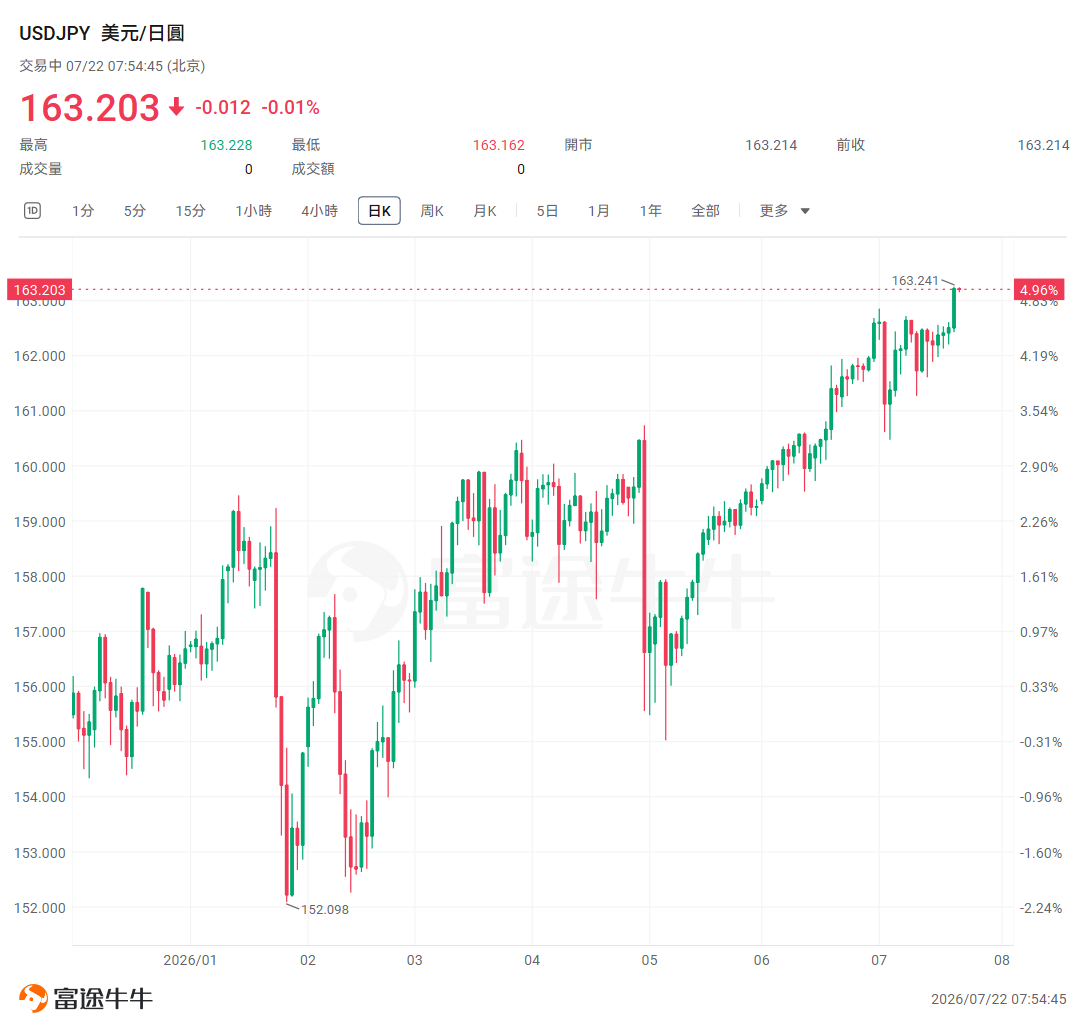
The Japanese yen breached the 163 level against the U.S. dollar, hitting its lowest point since 1986.
$USD/JPY (USDJPY.FX)$ The exchange rate fell below the 163 mark for the first time since 1986, heightening the risk of official intervention to support the currency. The pair briefly dropped to 163.24, driven by a stronger U.S. dollar and rising U.S. Treasury yields. Renewed hostilities between the U.S. and Iran have pushed up oil prices, further bolstering both the dollar and Treasury yields. Although Japanese authorities spent JPY 11.73 trillion (USD 71.9 billion) between April 28 and May 27 to defend the yen, geopolitical risks, fiscal concerns, and wide interest rate differentials continue to weigh on the currency. Finance Minister Satsuki Katayama issued her strongest warning in weeks regarding potential foreign exchange market intervention.
U.S. Stock Market Update
Leading memory stocks surged by double digits, driving a chip-sector-led rebound that lifted the Philadelphia Semiconductor Index by more than 5%.
On Tuesday, July 21, U.S. equities opened and closed higher, with all three major indices ending a three-session losing streak. At the close, the Dow Jones Industrial Average rose 0.74% to 52,224.64; the S&P 500 gained 0.89% to 7,509.20; and the Nasdaq Composite climbed 1.29% to 25,837.21.

The semiconductor sector provided broad-based support to the overall market, $VanEck Semiconductor ETF (SMH.US)$ rose 4.52%, $iShares Semiconductor ETF (SOXX.US)$ gained 5.45%, helping the Nasdaq outperform the other two indices.
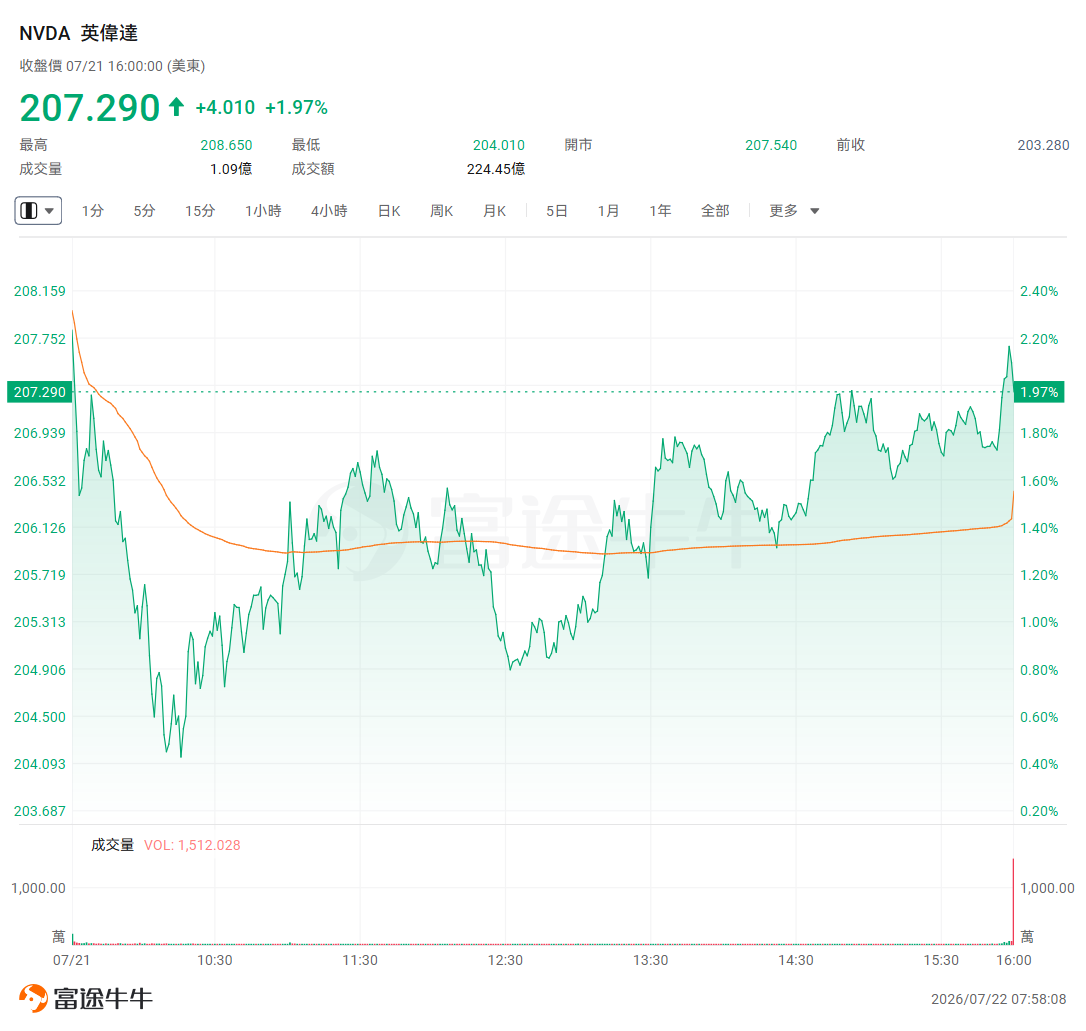
$PHLX Semiconductor Index (.SOX.US)$ rose 5.21%, marking its largest single-day gain since June 22, with all 30 constituent stocks closing higher. Intel climbed 8.64%, AMD rose 8.11%, and ARM gained 7.46%; Qualcomm, the weakest performer, advanced 1.87%, while NVIDIA rose 1.97%.
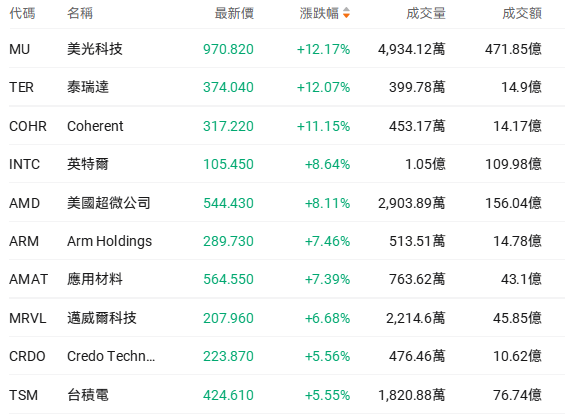
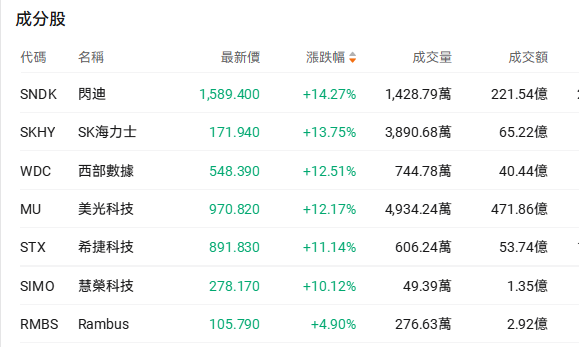
$Storage Concept (LIST23925.US)$ memory stocks surged violently, with the Roundhill DRAM ETF (DRAM) closing up 10.91%. SanDisk jumped 14.27%, SK Hynix rose 13.75%, Western Digital gained 12.51%, Micron Technology increased 12.17%, and Seagate Technology climbed 11.14%. Boosted by the sharp rally in memory stocks, $3x Leveraged Korean ETF-Direxion (KORU.US)$ soared 18.03%, $MSCI Korea Index ETF-iShares (EWY.US)$ rose 6.16%.
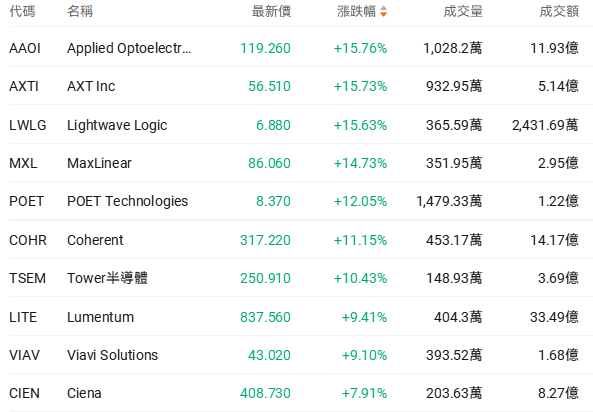
$Optical Communications (LIST23979.US)$ related concepts also strengthened collectively, with Applied Optoelectronics up 12.76%, Coherent rising 11.15%, Lumentum gaining 9.41%, Marvell Technology advancing 6.68%, and Corning increasing 6.08%.
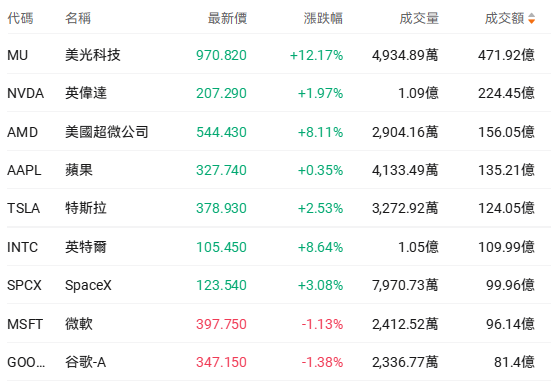
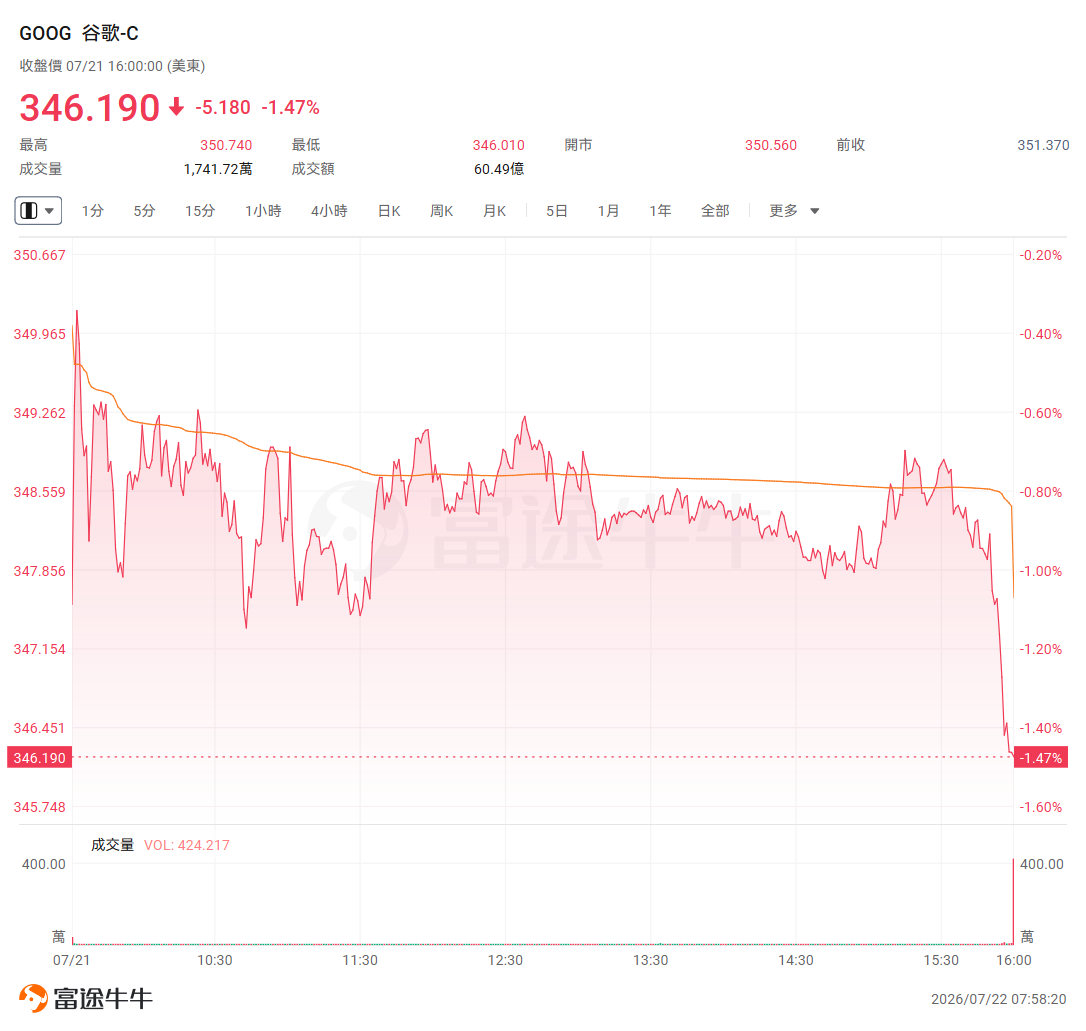
$Star Tech Stocks (LIST2518.US)$ Apple rose 0.35%, Alphabet Class C fell 1.47%, Microsoft declined 1.13%, Amazon dropped 0.98%, Meta slipped 0.32%, and Tesla gained 2.53%. SpaceX rose 3.08%, ending a seven-day losing streak.
$Cloud Computing Service Provider (LIST2540.US)$ most moved higher, with CoreWeave up 8.92%, Hut 8 rising 7.98%, and IREN gaining 2.71%. NEBIUS surged 18.78% after NVIDIA disclosed a passive 9.3% equity stake in the company.
$Popular Chinese ADRs (LIST2517.US)$ performance was mixed: Pony AI rose 2.98% and XPeng Group gained 1.06%; Tencent Music fell 2.51%, Alibaba declined 1.97%, Baidu dropped 1.45%, and PDD Holdings slid 1.42%.
Stock-specific news
NVIDIA Announces Progress on Vera Rubin Platform: CoreWeave Tests Show 10x Increase in Token Throughput per Unit of Power
NVIDIA (NVDA.US) announced that the Vera Rubin platform, designed for 'gigascale AI factories,' is expanding its global deployment, with CoreWeave, Google Cloud, Microsoft Azure, and Oracle Cloud already adopting the Vera Rubin NVL72 system. NVIDIA stated that CoreWeave’s tests showed the Vera Rubin NVL72 delivers a tenfold increase in token throughput per megawatt compared to the Grace Blackwell NVL72.
The platform integrates Vera CPUs, Rubin GPUs, NVLink 6, ConnectX-9 SuperNICs, BlueField-4 DPUs, and Spectrum-6 switching systems to enhance AI training and inference efficiency. NVIDIA stated that Vera Rubin is now deployed across more than 350 facility nodes in 30 countries, aiming to reduce AI infrastructure costs and improve energy efficiency.
NVIDIA Launches Spectrum-6 Ethernet Switching System for Next-Generation Hyperscale AI Factories
On July 21, NVIDIA launched its next-generation Spectrum-6 Ethernet switching system to support hyperscale AI infrastructure based on the Vera Rubin platform. The system delivers a per-switch capacity of 102.4 Tbps—double that of its predecessor—and is designed to interconnect hundreds of thousands of GPUs and CPUs, providing network support for large-scale AI training, agent applications, and inference workloads. NVIDIA stated that Spectrum-6 will serve as a core component of the next-generation Spectrum-X Ethernet platform, enhancing overall computational efficiency in AI factories through high bandwidth, intelligent traffic management, and fault recovery capabilities. AI infrastructure builders including CoreWeave, Microsoft, NEBIUS, SpaceX AI, and Tesla will be among the first to deploy the system.
Apple Implements Major Shift in Sales Model, Introducing Device Leasing Program to Lower Entry Barriers and Stimulate Sales
$Apple (AAPL.US)$ The company is preparing to launch the 'Apple Upgrade' leasing program, which will support most iPhone, Mac, iPad, and Apple Watch models. The Apple Upgrade service operates similarly to a subscription model, allowing users to either pay off their device early, upgrade to a newer model ahead of schedule, or retain the device at the end of the lease term. Apple plans to market this program as a lower monthly payment alternative to its existing financing options and will discontinue new enrollments in the current iPhone Payment Plan to make way for Apple Upgrade.
Google Releases Multiple Gemini Models; Flagship Pro Version Release Date Still Undetermined
Google-C (GOOG.US) Google has launched three lower-cost Gemini AI models: Gemini 3.6 Flash, Gemini 3.5 Flash-Lite, and Gemini 3.5 Flash Cyber, tailored for cybersecurity use cases, aiming to serve applications that do not require top-tier performance. However, the much-anticipated flagship model, Gemini 3.5 Pro, still lacks a confirmed release date. Originally scheduled for June, its launch was reportedly delayed by several weeks due to underperformance in internal testing—particularly in code generation capabilities. Google stated the model is currently undergoing testing with partners and will be released 'soon.'
Microsoft and Mistral Expand AI Collaboration, Sign Multi-Billion-Dollar European AI Infrastructure Agreement
$Microsoft (MSFT.US)$ On July 21, Microsoft and French AI startup Mistral AI announced an expanded strategic partnership, finalizing a multi-billion-dollar agreement focused on building AI infrastructure in Europe to enhance regional AI computing capacity. Under the agreement, Microsoft will leverage Mistral’s expanded European GPU infrastructure—powered by thousands of NVIDIA Vera Rubin GPUs—to support its cloud and AI services.
SpaceX Faces Massive Lockup Expiry, Unlocking Over $100 Billion in Tradable Shares
$SpaceX (SPCX.US)$ SpaceX has initiated one of the largest stock lockup expiries in capital market history, with up to $116 billion worth of shares becoming eligible for sale next month. Restrictions preventing insiders from selling up to 911.5 million shares will expire on August 6—two days after the rocket, satellite, and AI company reports its first-ever quarterly earnings. This is only the beginning: billions more shares will become tradable by year-end.
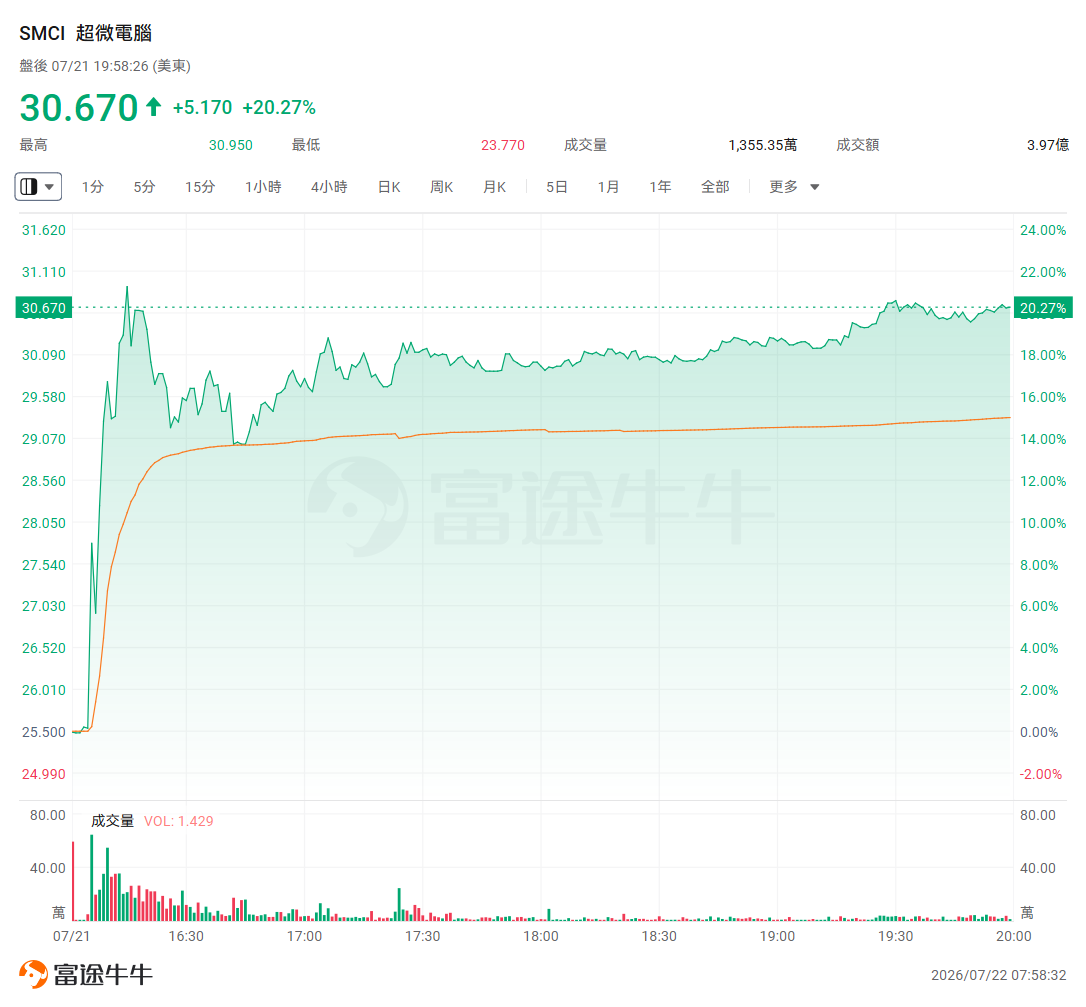
Super Micro Computer expects fourth-quarter revenue to be near the low end of its guidance range of $11 billion to $12.5 billion and has significantly raised its gross margin outlook.
$Super Micro Computer(SMCI.US)$ The company expects fourth-quarter revenue to be near the low end of its guidance range of $11 billion to $12.5 billion. It now forecasts a gross margin of 15%–17%, up from its previous guidance of 8.2%–8.4%. At fiscal year-end, backlog reached a record high, with over $60 billion in new orders booked during the quarter. Following the announcement, Super Micro Computer’s after-hours share price surged by 20%.
Novo-Nordisk A/S sues Eli Lilly and Co: GLP-1 advertising allegedly constitutes 'bullying by the big against the small.'
July 21 $Novo-Nordisk A/S (NVO.US)$ Filed a lawsuit in the United States Eli Lilly and Co (LLY.US), , accusing it of engaging in unfair competition through its GLP-1 weight-loss drug advertisements. In one comparative ad, Eli Lilly deliberately used a high dose of its own drug against an older, lower dose of Novo-Nordisk’s product and omitted the latest clinical data, misleading consumers into believing that Eli Lilly’s drug is more effective. Novo-Nordisk had previously sent a letter demanding the ad’s removal, which was refused. This lawsuit marks a key part of Novo-Nordisk’s new CEO’s aggressive competitive strategy; the company has already filed multiple lawsuits against rival firms. With both pharmaceutical giants now launching oral weight-loss drugs, competition in this trillion-dollar market has escalated from R&D and production capacity to marketing and legal battles.
Oklo Inc and X-Energy shares soared amid reports they were selected for the White House’s AI nuclear power acceleration initiative.
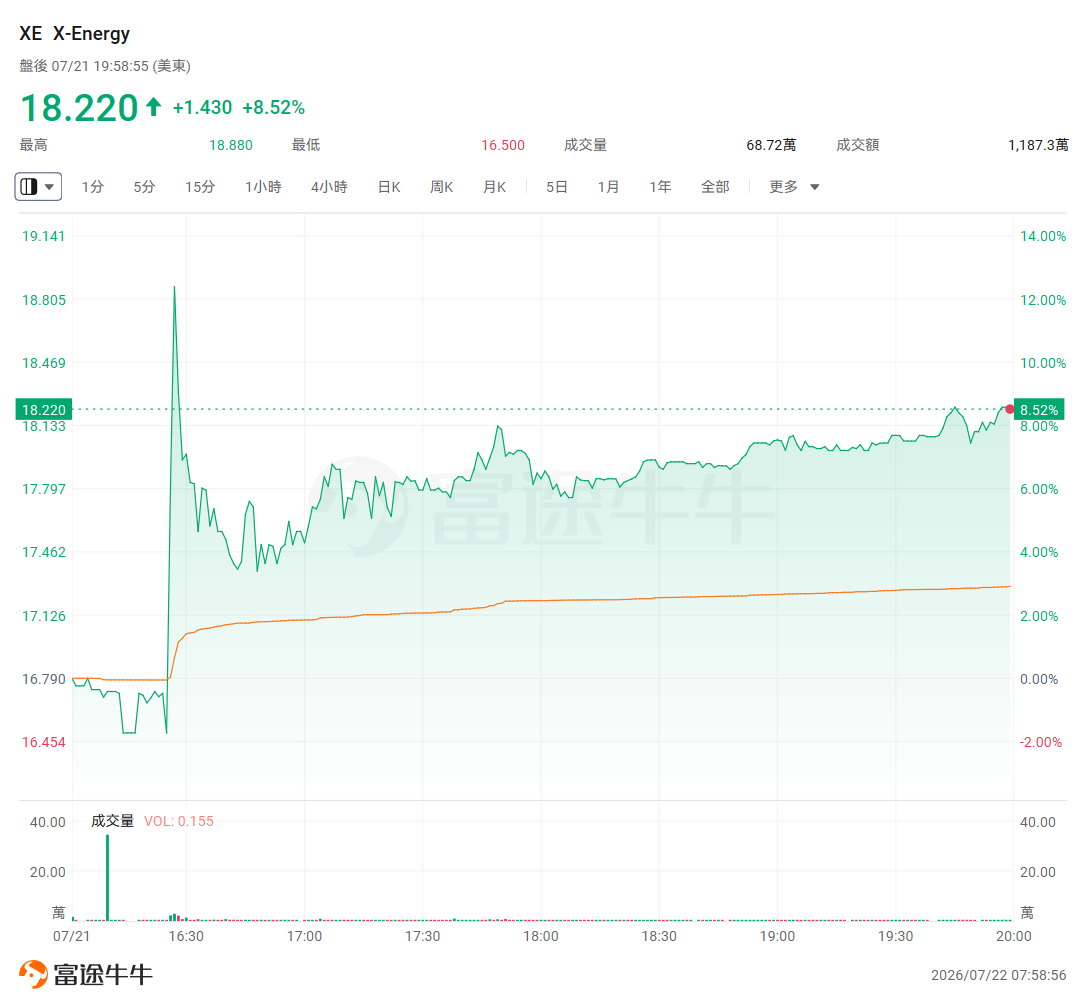
On July 22, the Trump administration unveiled a $200 million AI nuclear power acceleration program, with advanced nuclear energy companies $Oklo Inc (OKLO.US)$ 、 $X-Energy(XE.US)$ selected, $Microsoft (MSFT.US)$ 、 NVIDIA (NVDA.US) participating concurrently. The Department of Energy will disburse $60 million over three years to support research and development at laboratories and universities. The initiative aims to address power shortages for AI data centers and rising electricity prices nationwide. Nuclear energy, with its ability to provide 24/7 zero-carbon power, has become the cornerstone of the plan, which targets a shortened approval and construction timeline for new nuclear plants. The news triggered sharp stock gains: Oklo rose 6.31% during regular trading and added nearly 6% after hours, while X-Energy closed up 7.22% and gained over 8% after hours. The U.S. Department of Energy estimates that 300 gigawatts of new nuclear capacity will be needed by 2050, but next-generation reactors have yet to reach commercialization. Related policies have also become a focal point in the U.S. midterm elections.
SK Hynix is reportedly in talks to acquire Intel's Ohio campus for memory chip production.
According to South Korea's JoongAng Ilbo, $SK Hynix (SKHY.US)$ is partnering with $Intel (INTC.US)$ negotiations are underway for a proposed acquisition of the latter's large semiconductor campus in Ohio, United States, with the goal of commencing front-end production of memory chips at the site within five years. It is reported that SK hynix is currently conducting internal evaluations regarding this acquisition and proceeding with government approval procedures; specific details regarding the purchase price and timeline are still being coordinated. If the deal is finalized, SK hynix would be able to meet U.S. government requirements for domestic production, while also providing much-needed financial support to Intel, helping its struggling foundry business navigate through current difficulties.
Lip-Bu Tan's first deal since taking office: Intel Foundry secures chip order from Fortinet
July 21 $Intel (INTC.US)$ officially announced a collaboration with cybersecurity leader $Fortinet (FTNT.US)$ to co-develop the next-generation security chip SP6, manufactured using Intel 4 (equivalent to 7nm) process technology. This marks the first publicly disclosed major external customer order for Intel’s foundry business since Lip-Bu Tan assumed the role of CEO. Fortinet’s previous-generation chips were previously manufactured by Taiwan Semiconductor, meaning Intel has effectively taken this order from Taiwan Semiconductor. Intel’s foundry segment has reported losses exceeding $10 billion for two consecutive years, with external customer revenue remaining minimal and heavily reliant on in-house chip demand and government contracts. This deal signals a potential recovery in client acquisition for its foundry business. Intel is currently also engaging with potential major clients such as Google, Meta, and Apple, focusing on advanced packaging and mature process technologies in an effort to catch up with Taiwan Semiconductor and Samsung and rebuild its competitiveness in wafer foundry services. Cybersecurity demand, fueled by AI, remains robust, and Fortinet’s stock price has already doubled year-to-date.
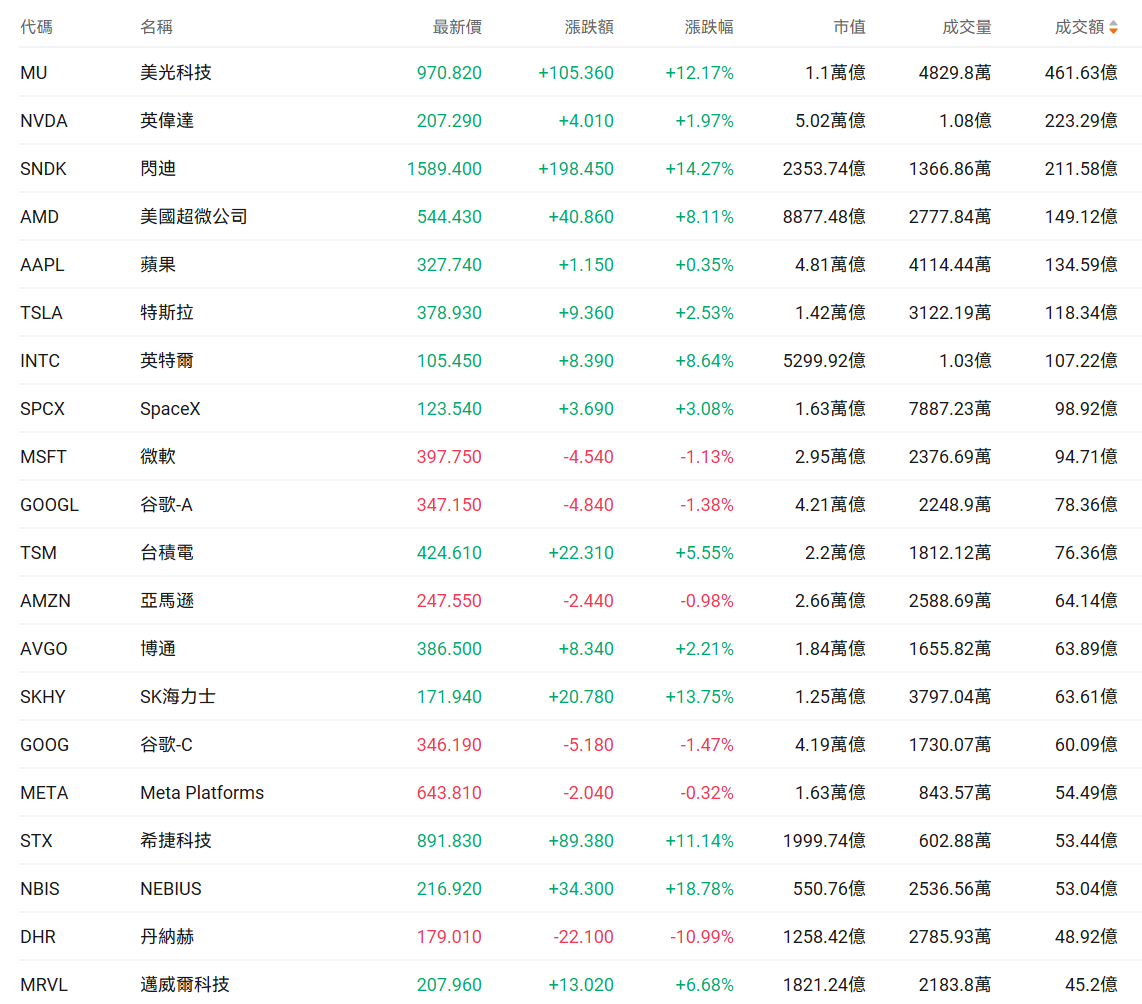
Top 20 by Trading Volume
Hong Kong Market Outlook
Southbound capital increased holdings of Hong Kong-listed stocks by nearly HK$7.2 billion, with Hua Hong Hongli and SMIC seeing net purchases of over HK$2.2 billion and HK$1.9 billion, respectively.
On Tuesday, July 21, southbound capital recorded net purchases of HK$7.167 billion in Hong Kong-listed equities.
$Huahong Hongli (01347.HK)$、$SMIC (00981.HK)$、$Zhipu AI (02513.HK)$received net purchases of HK$2.251 billion, HK$1.926 billion, and HK$1.141 billion, respectively;
$Tencent (00700.HK)$、Montage Technology (06809.HK)recorded net sales of HK$1.025 billion and HK$575.8 million, respectively.
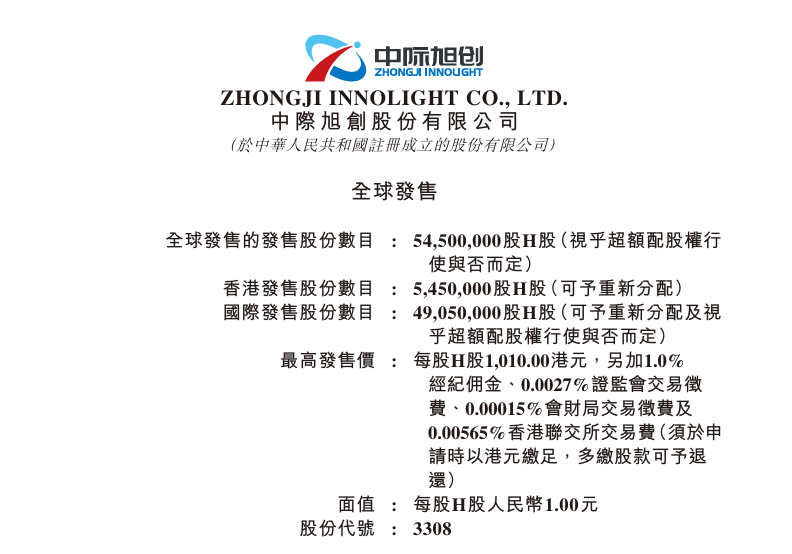
InnoLight Technology: maximum IPO price for Hong Kong listing not to exceed HK$1,010 per share
$InnoLight Technology (03308.HK)$ According to an announcement filed with the Hong Kong Stock Exchange, the company will issue 54.5 million shares in Hong Kong at a maximum offer price of HK$1,010 per share. The offering is expected to raise up to HK$55 billion (approximately USD 7 billion), with trading commencing on July 30. Goldman Sachs, CICC, Morgan Stanley, and GF Securities are serving as joint global coordinators.
According to reports, InnoLight Technology’s fundraising scale has significantly exceeded its initial expectation of USD 5 billion, primarily driven by strong institutional investor demand, which led to the upward revision of the offering size. If fully subscribed, InnoLight Technology is poised to become the largest IPO in Hong Kong this year.
Today's Focus
Key highlights: Weekly API crude oil inventories; earnings reports from Google, Tesla, IBM, and Texas Instruments
On the economic data front, the U.S. weekly API crude oil inventories (in 10,000 barrels) for the week ending July 17 will be released at 04:30. At 22:30, the U.S. will release the weekly EIA crude oil inventories (in 10,000 barrels), EIA Cushing, Oklahoma crude oil inventories (in 10,000 barrels), and EIA Strategic Petroleum Reserve inventories (in 10,000 barrels), all for the week ending July 17.
Regarding market trading, the NYMEX WTI Crude Oil August futures contract will be affected by the roll-over process. The last trading session on the trading floor will conclude at 02:30 on July 22, and the final electronic trading session will end at 05:00. Please pay close attention to exchange announcements regarding contract expiration and roll-over to manage risk accordingly. Additionally, some trading platforms typically set the expiration date for U.S. crude oil contracts one day earlier than the official NYMEX schedule—please take note.
In terms of performance,CME Group (CME.US)、$GE Vernova (GEV.US)$、$Moody's (MCO.US)$、$Philip Morris International (PM.US)$will report earnings before the U.S. market opens;Google-A (GOOGL.US)、$IBM Corp (IBM.US)$、$ServiceNow(NOW.US)$、$Tesla (TSLA.US)$、Texas Instruments (TXN.US) will report earnings after the U.S. market close.
 Looking to select stocks or analyze your holdings? Want to understand the opportunities and risks in your portfolio? For any investment-related questions,just ask Futubull AI!

Editor/Rocky