
Market Snapshot
Ahead of Thursday's market open, Microsoft's earnings eased investor concerns about AI, leading to a decline in the VIX and a rise in index futures following a sell-off triggered by hawkish comments from the Federal Reserve.
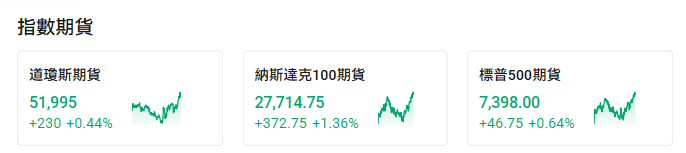
As of the time of writing, Dow Jones Industrial Average futures were up 0.44%, Nasdaq 100 futures rose 1.36%, and S&P 500 futures gained 0.64%.
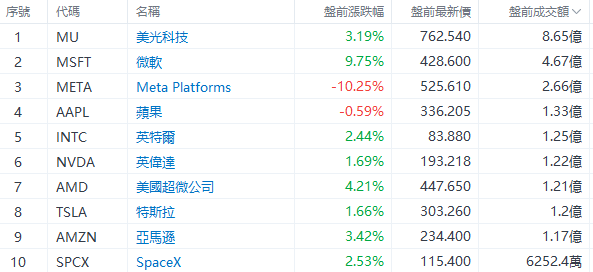
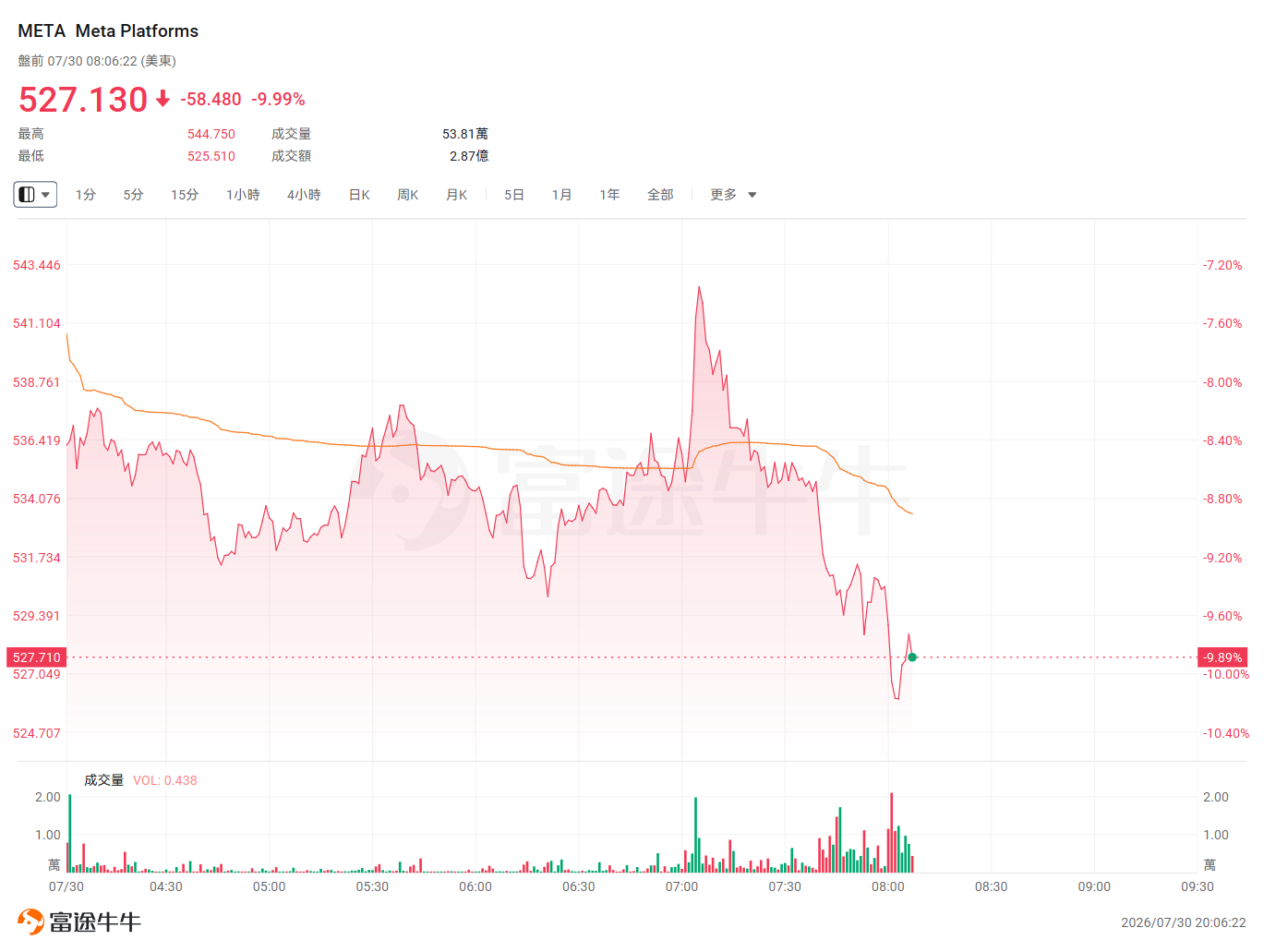
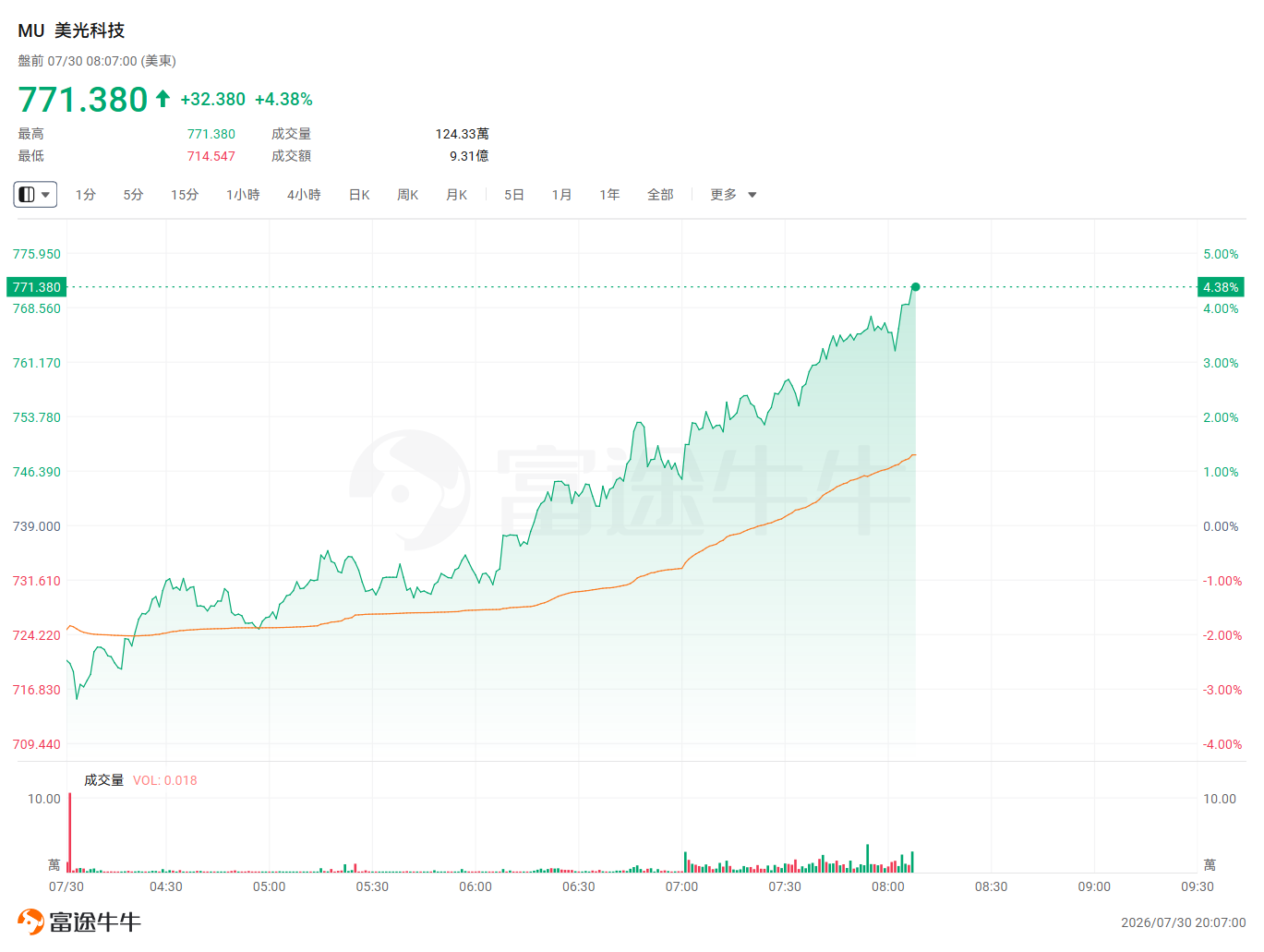
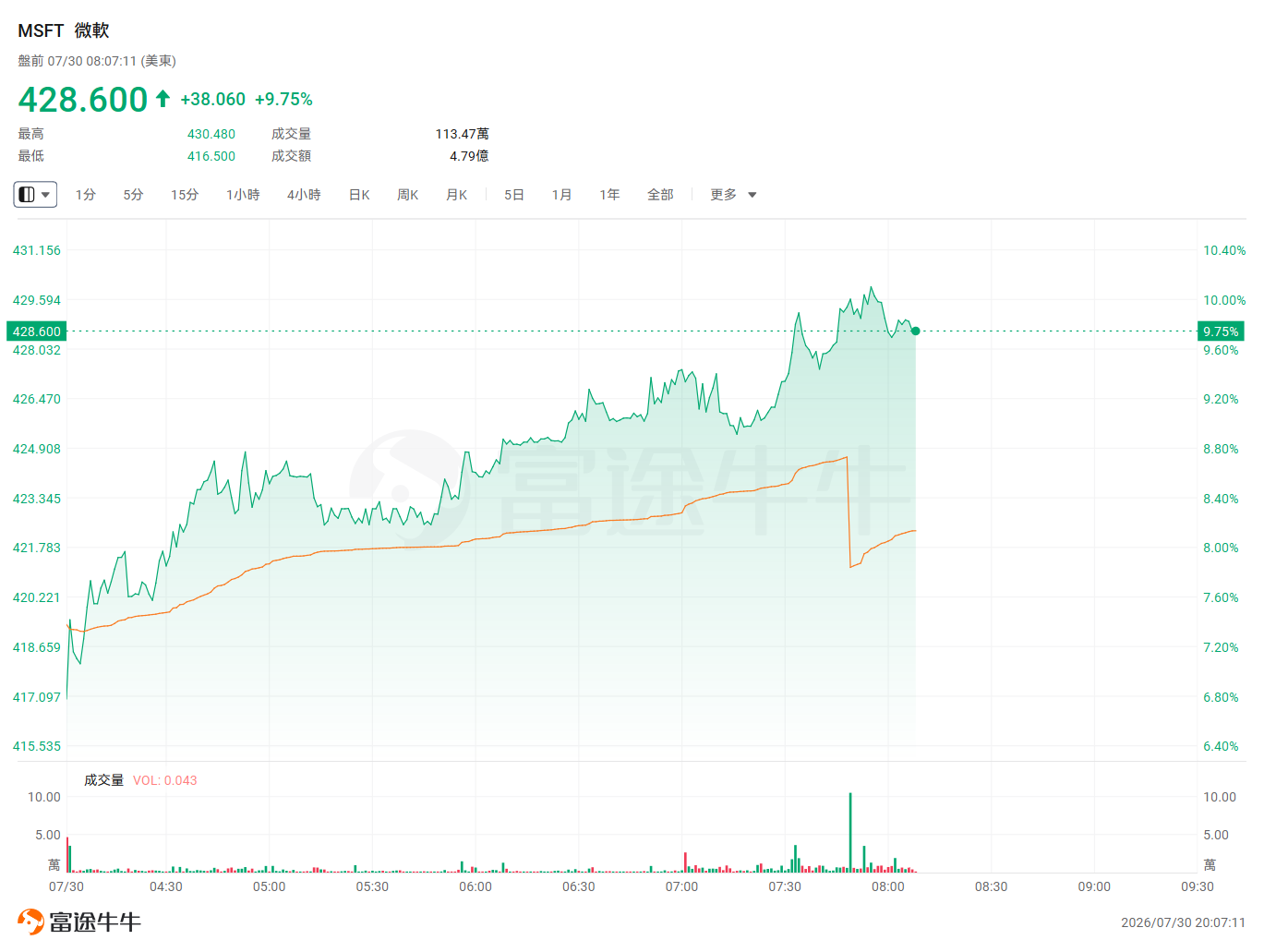
$Star Tech Stocks (LIST2518.US)$Most stocks traded higher in pre-market action, with Microsoft rising nearly 10% after earnings, Meta Platforms falling over 10% post-earnings, AMD climbing more than 4%, and Micron Technology gaining over 3%.
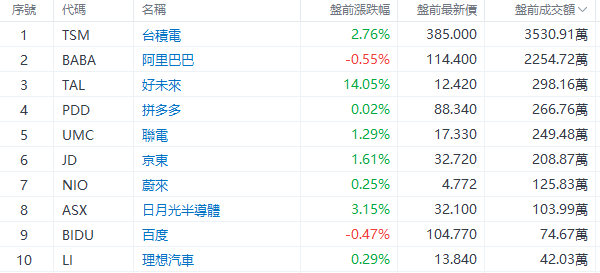
 $Popular Chinese ADRs (LIST2517.US)$Most stocks traded higher in pre-market action, with TAL Education surging over 14% after earnings and JD.com rising over 1%.
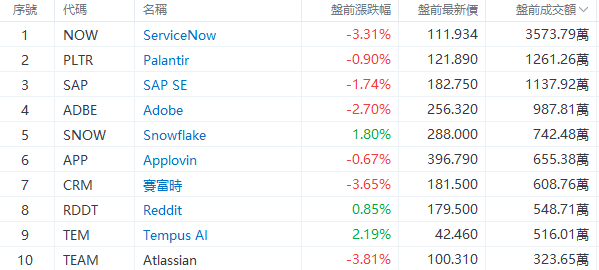
$AI Application Software Stocks (LIST23492.US)$Pre-market trading was mixed, with ServiceNow down over 3%, SAP falling nearly 2%, and Snowflake up over 1%.
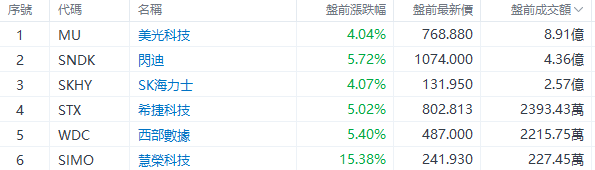
$Storage Concept (LIST23925.US)$ The group rebounded collectively, with SanDisk rallying nearly 6%, Seagate Technology and Western Digital both rising over 5%, and Silicon Motion surging 15% after earnings.
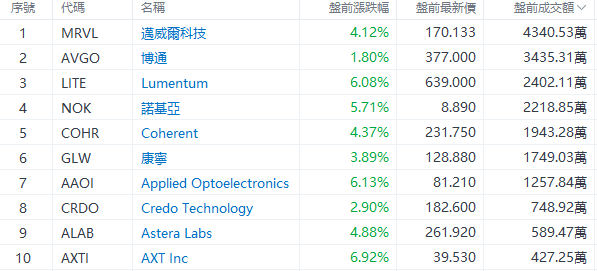
$Optical Communications (LIST23979.US)$ Trading strengthened in the pre-market session, with Lumentum up 6% and Marvell Technology gaining over 4%.
Individual Stock News
Amazon Discovers AI Projects Spiraling Out of Control, Incurring Millions in Cost Overruns
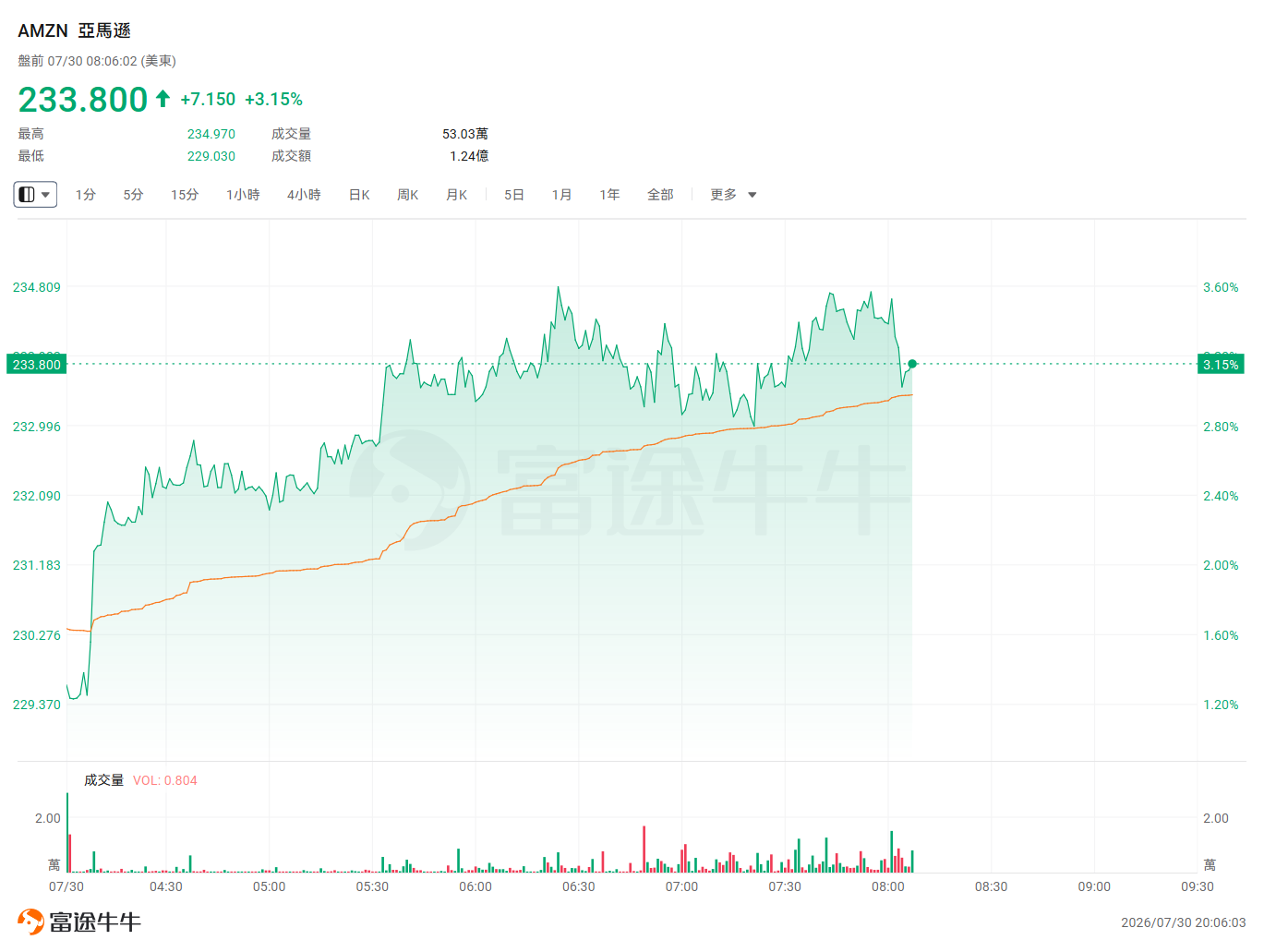
According to the Financial Times, $Amazon (AMZN.US)$ Employees discovered that certain projects incurred what they described as 'catastrophically high' cost overruns due to missteps in how the company deployed AI and a lack of spending controls. Multiple sources familiar with the matter revealed that senior engineers informed colleagues during an employee meeting on Tuesday that shifting tasks from traditional programming to using artificial intelligence models had led to 'unplanned' expenditures. The sources said engineers are now implementing several measures—including creating automated safeguards—to control costs in future projects. This incident highlights the challenge even the world’s largest tech companies face in avoiding runaway costs when integrating AI into day-to-day operations. A senior Amazon employee remarked, 'It’s very difficult to figure out exactly how much anything related to AI actually costs.' Amazon is scheduled to release its latest earnings results early Friday Beijing time.
‘Capital-Light AI’ Strategy Faces Earnings Test! Apple Reports Tonight; Options Market Remains Cautiously Bullish
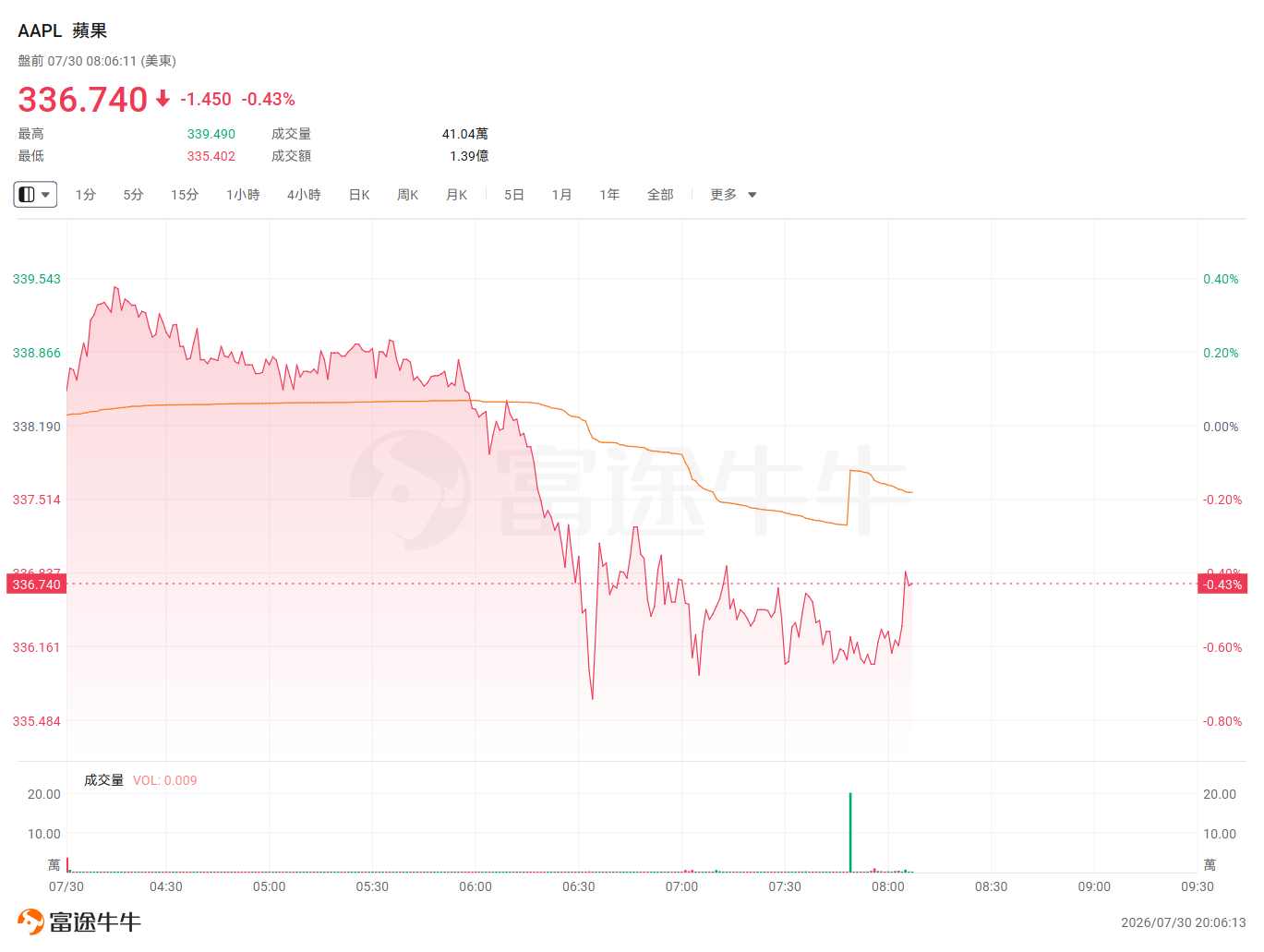
Early Friday Beijing time, $Apple (AAPL.US)$ will release its fiscal third-quarter earnings for fiscal year 2026. This report represents not only a critical window for the market to assess the company’s earnings resilience and AI strategy, but also marks Tim Cook’s final earnings call before handing over the chief executive officer (CEO) role to hardware chief John Ternus on September 1. With its share price near an all-time high and market capitalization approaching $5 trillion, the derivatives market is sending strong signals of risk aversion at elevated levels and profit-taking. Currently, Apple’s stock trades near $338, with the at-the-money $340 straddle priced at approximately $12.05, implying a short-term trading range of $328.45 to $352.55 and an expected post-earnings stock price volatility of about 3.5% to 3.8%.
Meta Earnings Call: Zuckerberg Emphasizes 'It Would Be Foolish to Sell Compute Capacity for Short-Term Profit'
During the earnings call, Zuckerberg noted that advertising revenue growth has outpaced peers year-over-year and that AI investments are beginning to yield returns. Regarding the sale of compute capacity, he stated it would be foolish to simply sell off all computing power for short-term profit, expressing confidence that the margins from selling intelligence will remain significantly higher than those from directly selling compute capacity. He also remarked that current open-source models are not as powerful as cutting-edge proprietary models, $Meta Platforms (META.US)$ As a 'full-stack technology company,' it must possess the capability to develop its own models.
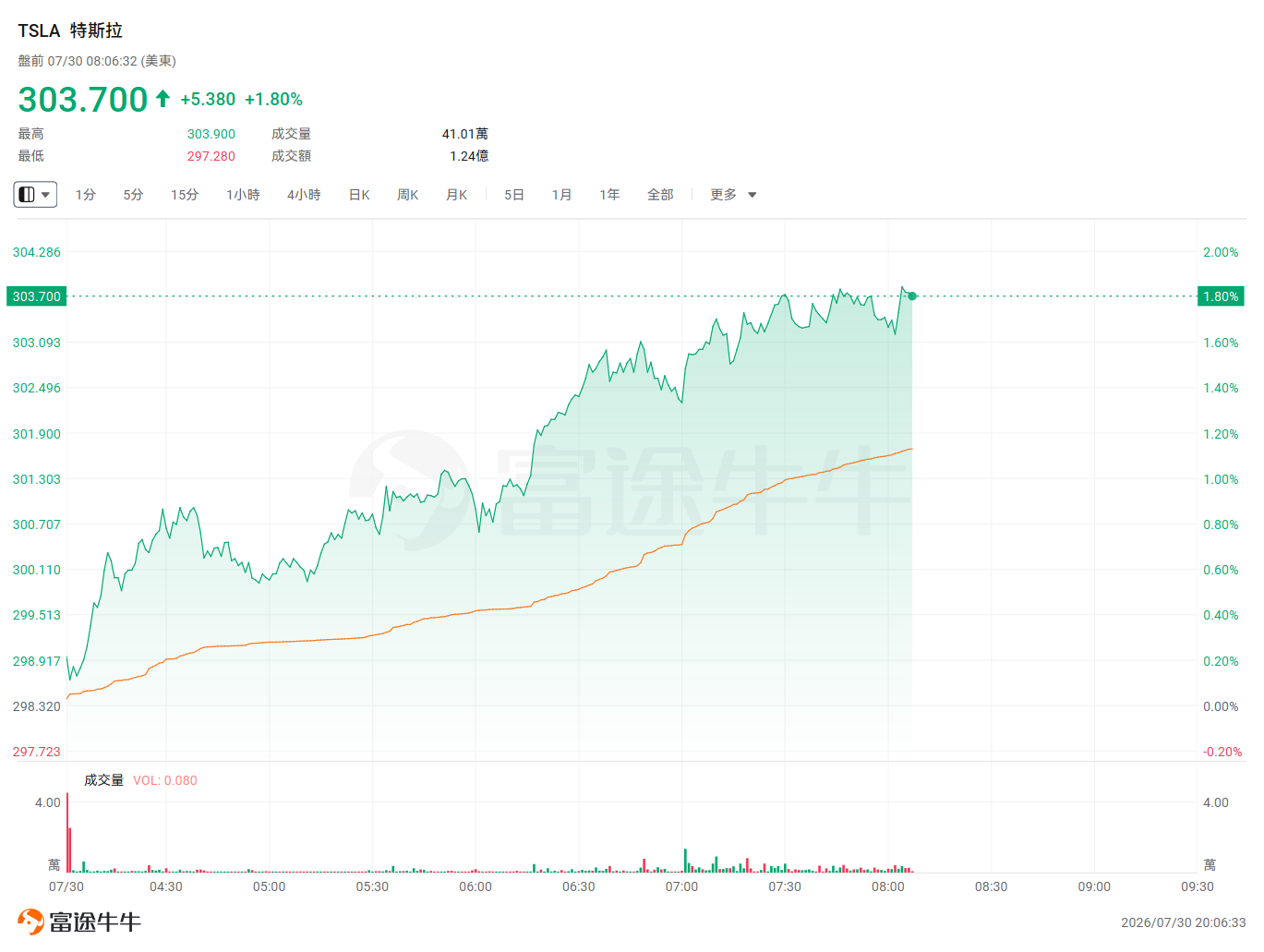
Tesla's 10 millionth electric vehicle rolls off the production line globally
On July 30, $Tesla (TSLA.US)$ Became the world’s first automaker to cumulatively produce 10 million electric vehicles. More than half of Tesla’s globally popular vehicle orders are delivered by its Shanghai Gigafactory. In the first half of 2026, Tesla delivered over 830,000 vehicles globally—equivalent to selling one car every 9 seconds on average (based on global store operating hours). Of this, second-quarter global deliveries exceeded 480,000 units, setting a new record for Tesla’s second-quarter deliveries. As of the end of Q2, Tesla’s backlog of undelivered orders reached its highest level since 2023. According to CleanTechnica, from January to May 2026, the Model Y led global new energy vehicle sales with 408,000 units—more than double the volume of the second-place model—while the Model 3 ranked third with 164,000 units sold.
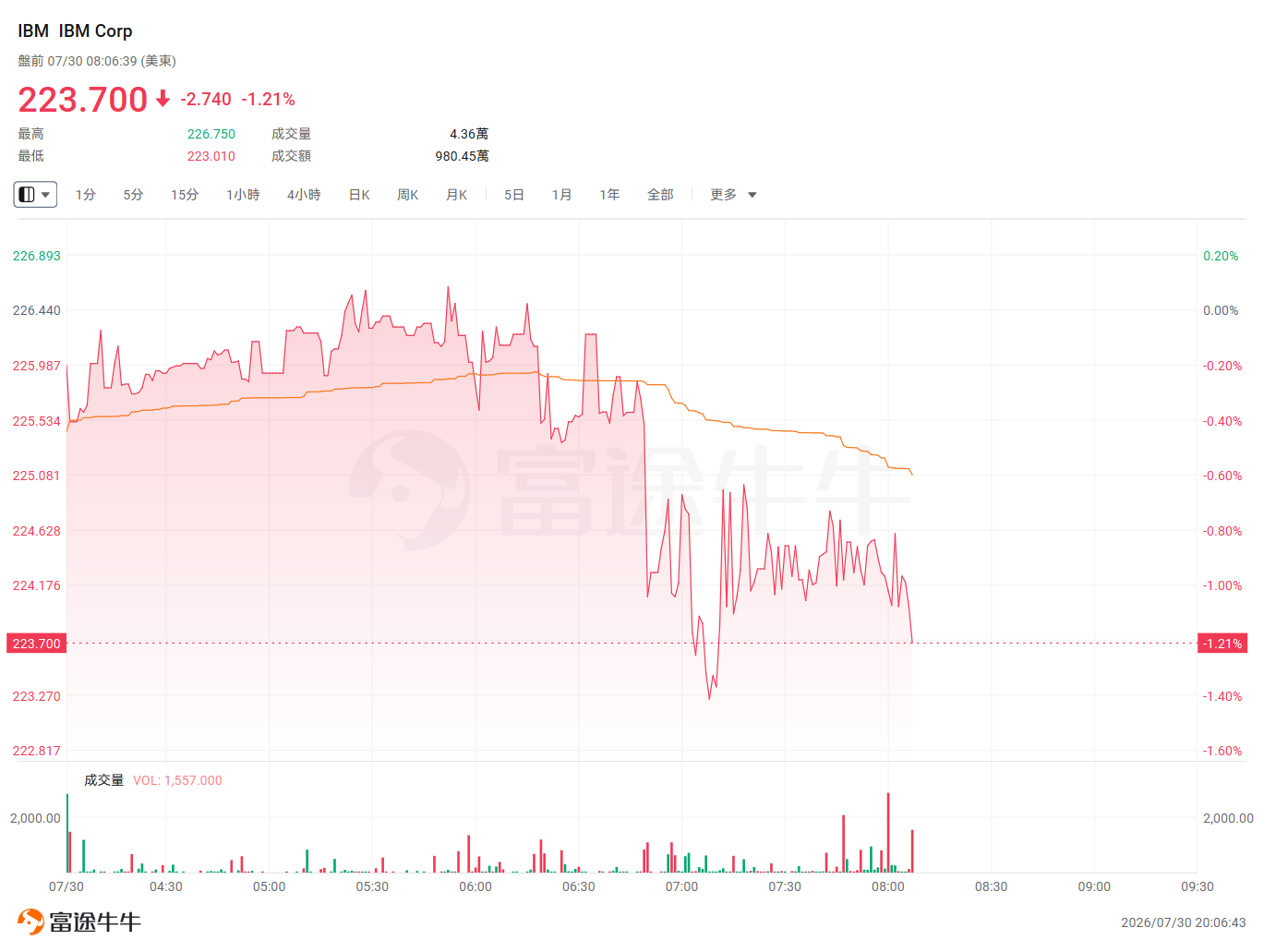
IBM: Has Entered the Era of 'Quantum Advantage'
$IBM Corp (IBM.US)$ stated on Thursday that its research demonstrates quantum computers have reached the stage of 'quantum advantage'—meaning they can perform computational tasks beyond the capabilities of classical computers, with results verifiable through rigorous methods. This research milestone signifies further progress toward practical applications of this emerging technology. The findings were published in three papers co-authored by IBM Corp and its research partners, including the University of Chicago, Japan’s RIKEN institute, and quantum software companies Qedma, BlueQubit, and Algorithmiq. Jay Gambetta, head of IBM Research, said: 'We have entered the era of quantum advantage. Scientists can trust these results. The focus has now shifted from merely benchmarking systems to using them for scientific research and exploring real-world applications.'
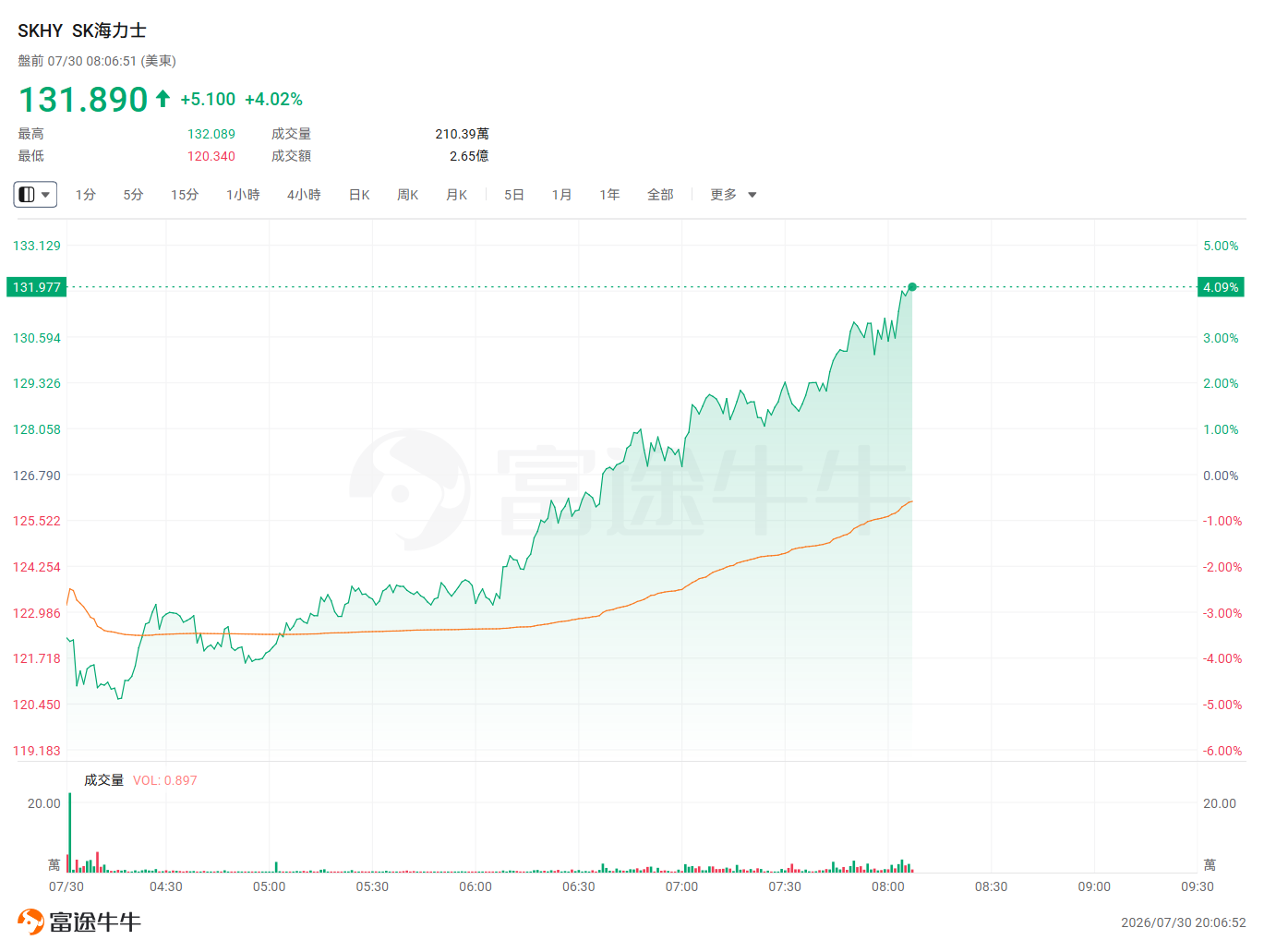
SK Group Chairman Chey Tae-won Makes First Personal Purchase of SK Hynix Shares
According to Newsis, SK Group Chairman Chey Tae-won purchased 3,600 shares of SK Hynix. The repurchased shares are$SK Hynix (000660.KR)$ ordinary shares listed on the Korean stock exchange, acquired at the day’s closing price of KRW 1.322 million per share, totaling approximately KRW 47.86 billion (USD 33.4 million). Notably, this marks Chey Tae-won’s first direct personal investment in SK Hynix stock; previously, he held shares indirectly through SK Square. This purchase comes amid a sharp decline in the memory sector and consecutive share price pullbacks following SK Hynix’s earnings release, representing a confidence signal from management during a period of valuation adjustment.
Micron Technology CEO Sells $37.3 Million Worth of Stock in a Single Week
Regulatory filings disclosed on Tuesday showed that Micron Technology (MU.US) CEO Sanjay Mehrotra sold approximately $37.3 million worth of company shares last week. Under a pre-arranged trading plan, Mehrotra disposed of over 40,000 shares on July 24. The stock declined for the third consecutive trading day on Tuesday, hitting a two-month low. Over the past six months, Mehrotra has not reported any purchases of shares in the open market. His largest disclosed transaction occurred in late June, when he sold 28,506 shares through multiple trades, followed by additional sales in July.
AI capital expenditures continue to rise! Microsoft signed data center leases exceeding $130 billion in Q2.
$Microsoft (MSFT.US)$ The company reported that new data center leasing contracts signed last quarter were valued at over $130 billion, reflecting the rapid increase in spending by large technology firms on artificial intelligence (AI) infrastructure. In a regulatory filing on Wednesday (July 29), Microsoft stated that as of June 30, the total committed amount from uncommenced lease contracts stood at $329.1 billion, up from $196.6 billion in the prior quarter. CEO Satya Nadella informed investors that Microsoft remains on track to roughly double its data center capacity within two years, having activated 31 new data centers during the quarter and a total of 88 for the fiscal year ending in June.
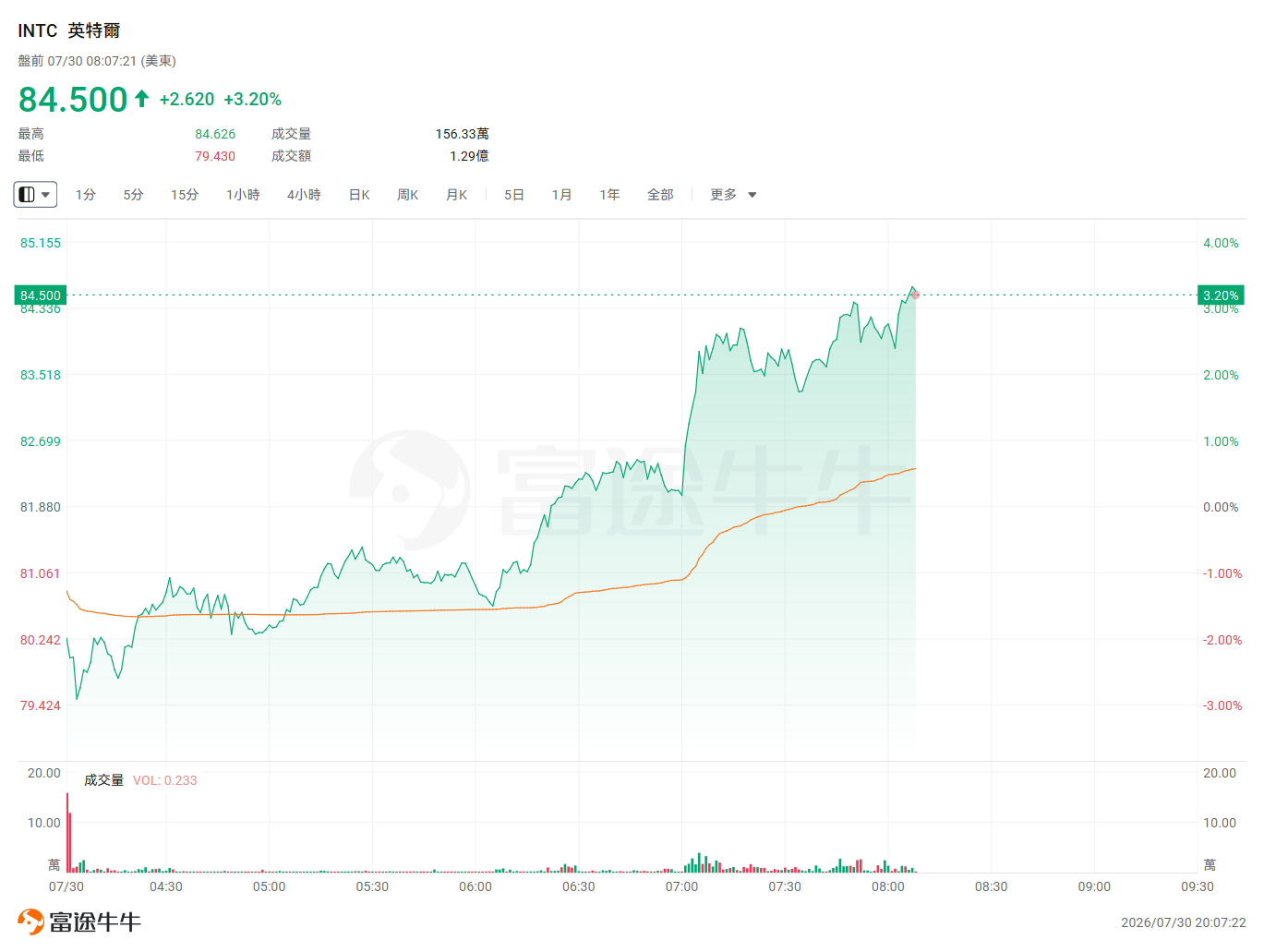
Intel Rarely Opens Atom Core Technology Licensing
On Thursday, it was reported that U.S.-based $Intel (INTC.US)$ chip startup Rosaic Labs has been granted a license by Intel to use its Atom processor technology. Atom is a CPU series specifically designed by Intel for low-power, compact devices and operates on the company’s x86 architecture. According to reports, Intel plans to provide the startup with register transfer level (RTL) code for the Atom processor—a core resource used by chip designers to describe chip functionality. In essence, access to RTL code allows customers full exposure to Intel’s intellectual property and the capability to develop their own customized processor designs based on this code. This move is widely regarded as exceptionally rare in Intel’s history, as the company has seldom licensed any components of its x86 architecture or shared Atom technology with external firms.
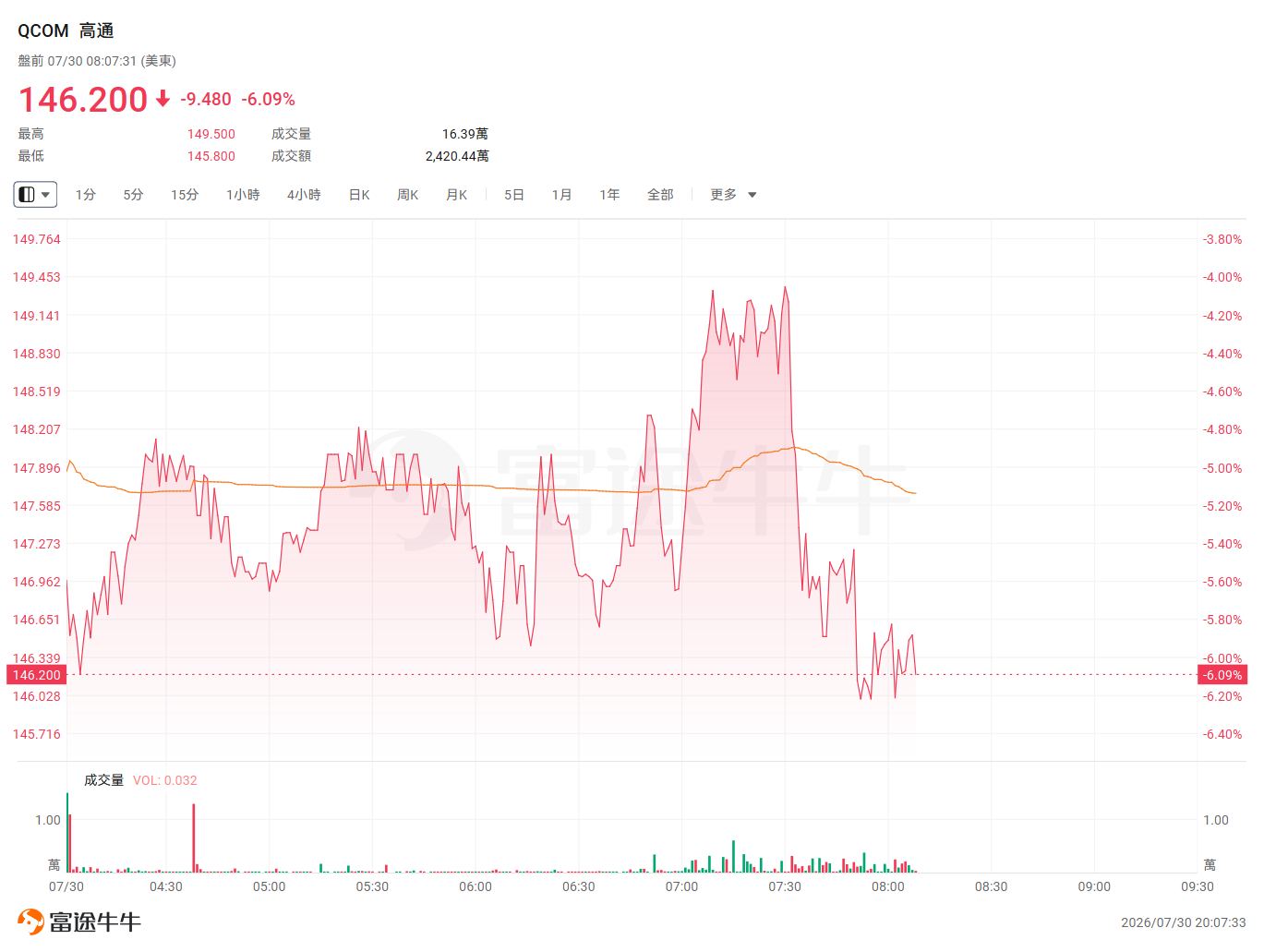
Qualcomm fell more than 6% in pre-market trading after reporting declines in both revenue and profit for its fiscal third quarter, with chip price increases scheduled for September to restore gross margins.
After U.S. market hours on Wednesday, Qualcomm (QCOM.US) The company released its quarterly earnings report for the third fiscal quarter of 2026. The results showed a decline in both revenue and profit, primarily due to rising memory prices increasing smartphone bill-of-materials costs, which suppressed end-market demand and consequently weighed on Qualcomm’s mobile chip business. According to the report, revenue for the third fiscal quarter of 2026 amounted to $9.95 billion, down 4% year-over-year and above Wall Street’s prior expectation of $9.7 billion; net income stood at $2 billion, a 25% year-over-year decrease. For the fourth fiscal quarter, Qualcomm provided revenue guidance of $9.7 billion to $10.5 billion, broadly in line with analysts’ consensus estimate of $10 billion.
Global Macro
Pakistan Reveals: U.S. and Iran Have Not 'Closed the Door'; Dialogue Continues
Amid ongoing tensions in the Strait of Hormuz, Tahir Andrabi, spokesperson for Pakistan’s Ministry of Foreign Affairs, disclosed during a recent regular press briefing that negotiations between the United States and Iran regarding regional stability—particularly concerning the situation in the Strait of Hormuz—'are still ongoing.' Andrabi emphasized that Pakistan has consistently advocated for diplomatic solutions and urged both the U.S. and Iran to resolve their differences through dialogue. This statement introduced an unusual note of optimism into an otherwise volatile Middle East landscape. Just days earlier, U.S.-Iranian hostilities had escalated again. In retaliation for Iranian attacks on U.S. military targets, U.S. Central Command launched large-scale airstrikes against dozens of sites inside Iran, aiming to degrade Tehran’s ability to threaten U.S. forces and their allies, as well as disrupt international shipping.
Goldman Sachs: Markets remain in the 'post-deleveraging rubble,' but risks have not yet been fully cleared; recommends proactively buying protection.
Goldman Sachs' trading desk warned that although market deleveraging is nearing its end, institutional leverage remains elevated, and substantive risk reduction has yet to be achieved. In August, U.S. equities face multiple headwinds, including capital outflows and asymmetric selling by CTAs, leading to range-bound volatility in the near term, with corporate buybacks serving as the most reliable support. With extreme risks—such as a sharp rise in cross-asset correlations—intensifying, the current environment presents an optimal window to proactively establish protective positions (e.g., put options).

JPMorgan: Behind the AI-driven rally in U.S. equities, a traditional sector is reaching a profit inflection point.
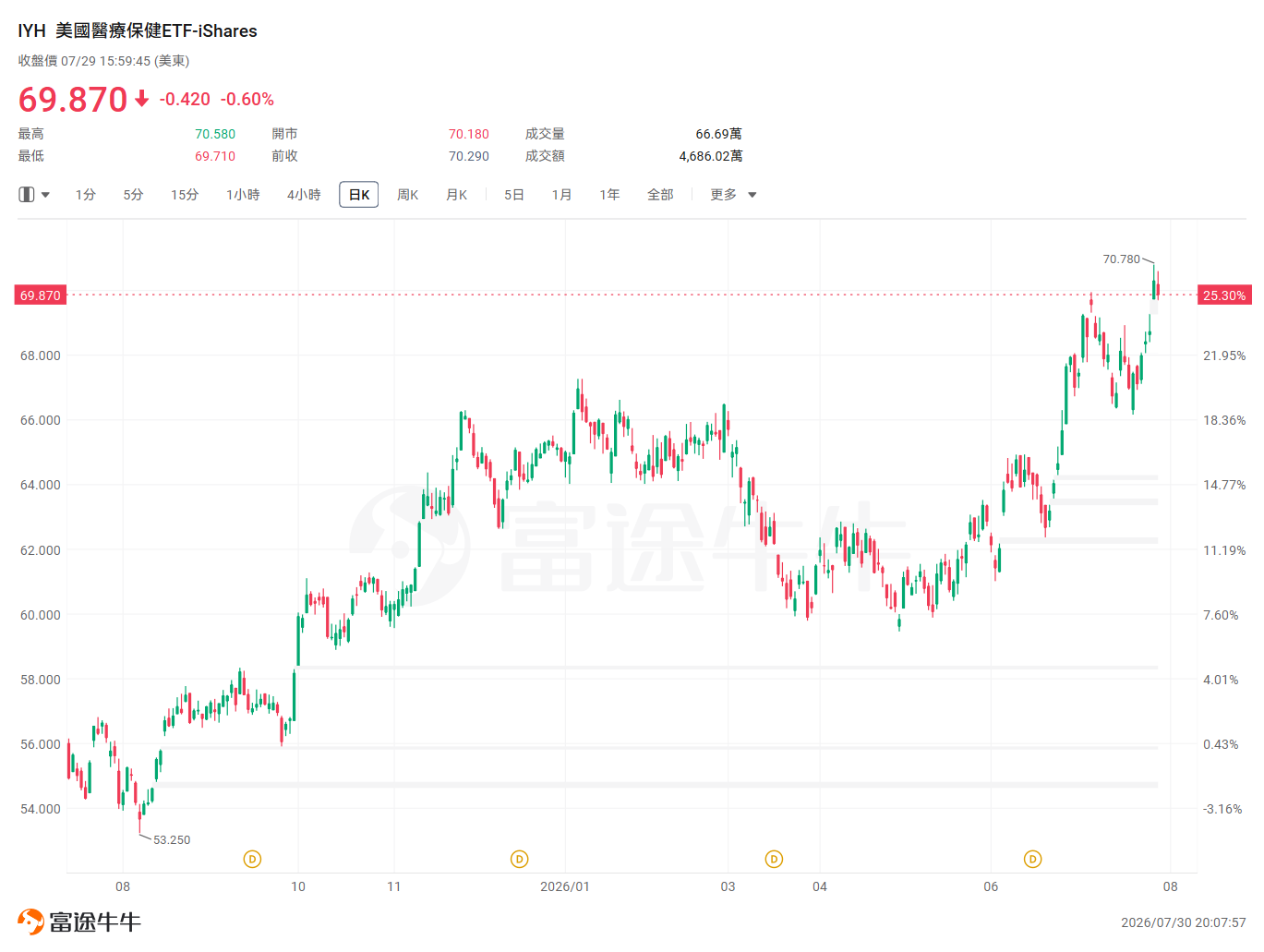
In a recent report, JPMorgan strategist Dubravko Lakos-Bujas and his team stated that the healthcare sector, as one of the largest and most resilient growth segments in U.S. equities, currently offers attractive valuations. Combined with expectations for future earnings growth, it presents significant relative value compared to the broader market. The report noted that earnings growth in the healthcare industry is expected to turn a corner, rebounding sharply from a 1% year-over-year decline this year to over 22% year-over-year growth by 2027. At that point, the sector will become one of the key drivers of overall profit growth for the S&P 500 Index. “Despite continued fundamental improvement in the sector, $Healthcare (LIST20759.US)$the sector still trades at a significant discount relative to the broader market.” JPMorgan’s research indicates that since the launch of ChatGPT in late 2022, which sparked an AI frenzy, the U.S. healthcare sector $U.S. Healthcare ETF - iShares (IYH.US)$has consistently underperformed the S&P 500 Index on an annual basis.
South Korea plans to introduce new regulations: halting leveraged ETF trading on individual stocks and considering a temporary ban on short selling.
South Korea’s stock market fell approximately 40% in July, wiping out over $2 trillion in market value and heading toward its worst single-month decline on record. Following a sharp market drop on Wednesday, the governor of the Bank of Korea and heads of financial regulatory agencies held an emergency meeting that evening. On the same day, Finance Minister Goo Yoon-cheol faced questioning from opposition lawmakers in the National Assembly and apologized for introducing single-stock leveraged products without sufficient consideration. Public discontent has spread even to online communities that typically support President Lee Jae-myung’s administration, and voices within the ruling Democratic Party are calling for stronger regulation. Democratic Party leadership candidate Jeong Cheong-rae proposed on Wednesday a temporary suspension of single-stock leveraged ETF trading. With the KOSPI index driven below 6,000 points by extreme volatility, Jeong argued that extraordinary measures are necessary.
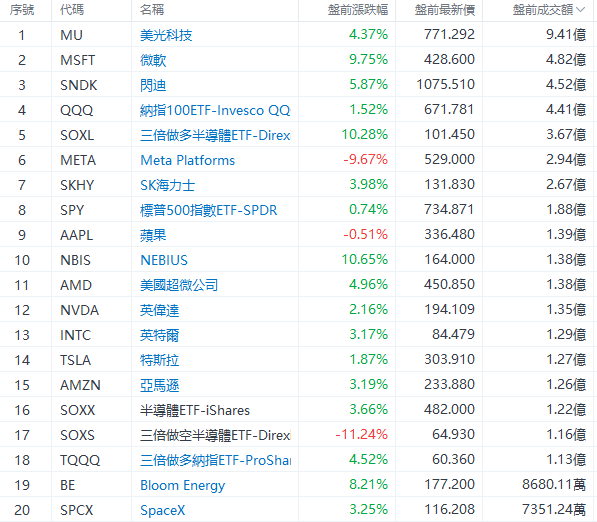
Top 20 pre-market trading volume stocks in the U.S.
U.S. Equity Market Macro Calendar Reminder
(All times listed below are in Beijing Time)
20:30 Core PCE Price Index for June, Initial Jobless Claims for the week ending July 25 (in thousands), Q2 GDP
22:30 EIA Natural Gas Inventory for the week ending July 24 (in billion cubic feet)
After-Hours Earnings
$Apple (AAPL.US)$ 、 $Amazon (AMZN.US)$ 、 $Strategy(MSTR.US)$ 、 $Coinbase(COIN.US)$ 、 $Reddit(RDDT.US)$ 、 $AXT Inc (AXTI.US)$ 、 $Tempus AI (TEM.US)$ 、 $Roblox(RBLX.US)$ 、 $Rivian Automotive (RIVN.US)$ 、 $BigBear.ai Holdings(BBAI.US)$ 。
 Looking to select stocks or analyze your holdings? Want to understand the opportunities and risks in your portfolio? For any investment-related questions,just ask Futubull AI!

Editor/Rocky