
Market Snapshot
Ahead of Monday's market open, Trump called off an attack on Iran, leading to a slight decline in oil prices and a rise in the Dow Jones Industrial Average, while semiconductor stocks continued their downward trend. As of this report, Dow futures were up 1.01%, Nasdaq futures rose 0.02%, and S&P 500 futures gained 0.46%.
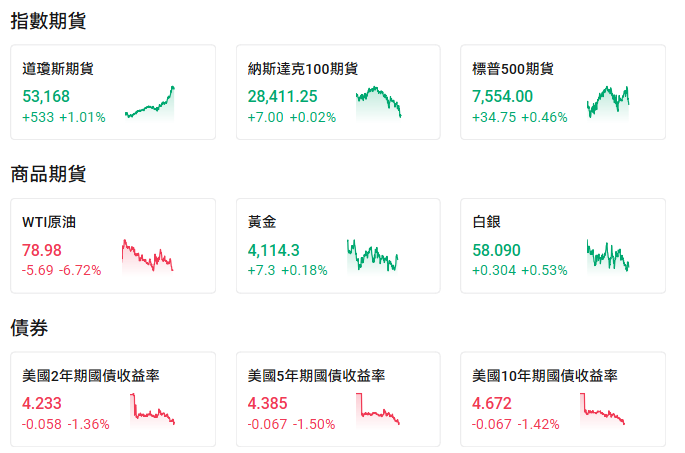
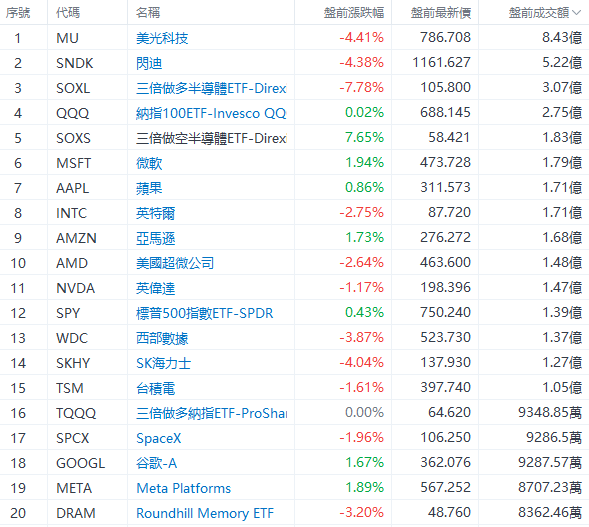
$Star Tech Companies (LIST2518.US)$Mixed premarket moves: Micron Technology down nearly 5%, Intel down over 3%, Microsoft up 2%, and Amazon up nearly 2%.
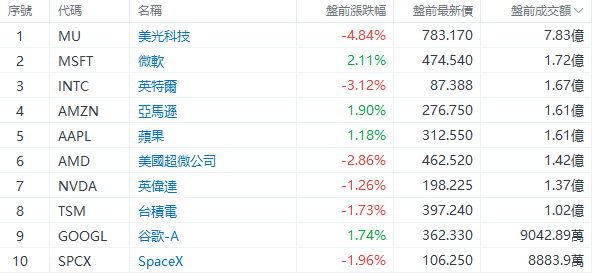
$China Concept Stocks (LIST2517.US)$Premarket trading showed mixed performance, with Alibaba up over 4% and XPeng Group down nearly 4%.
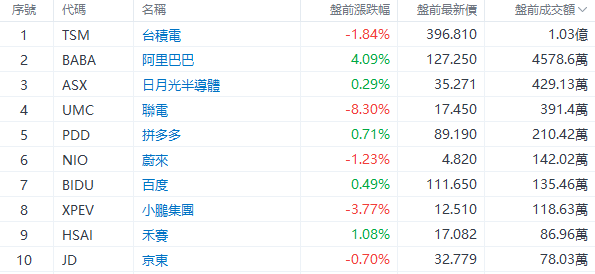
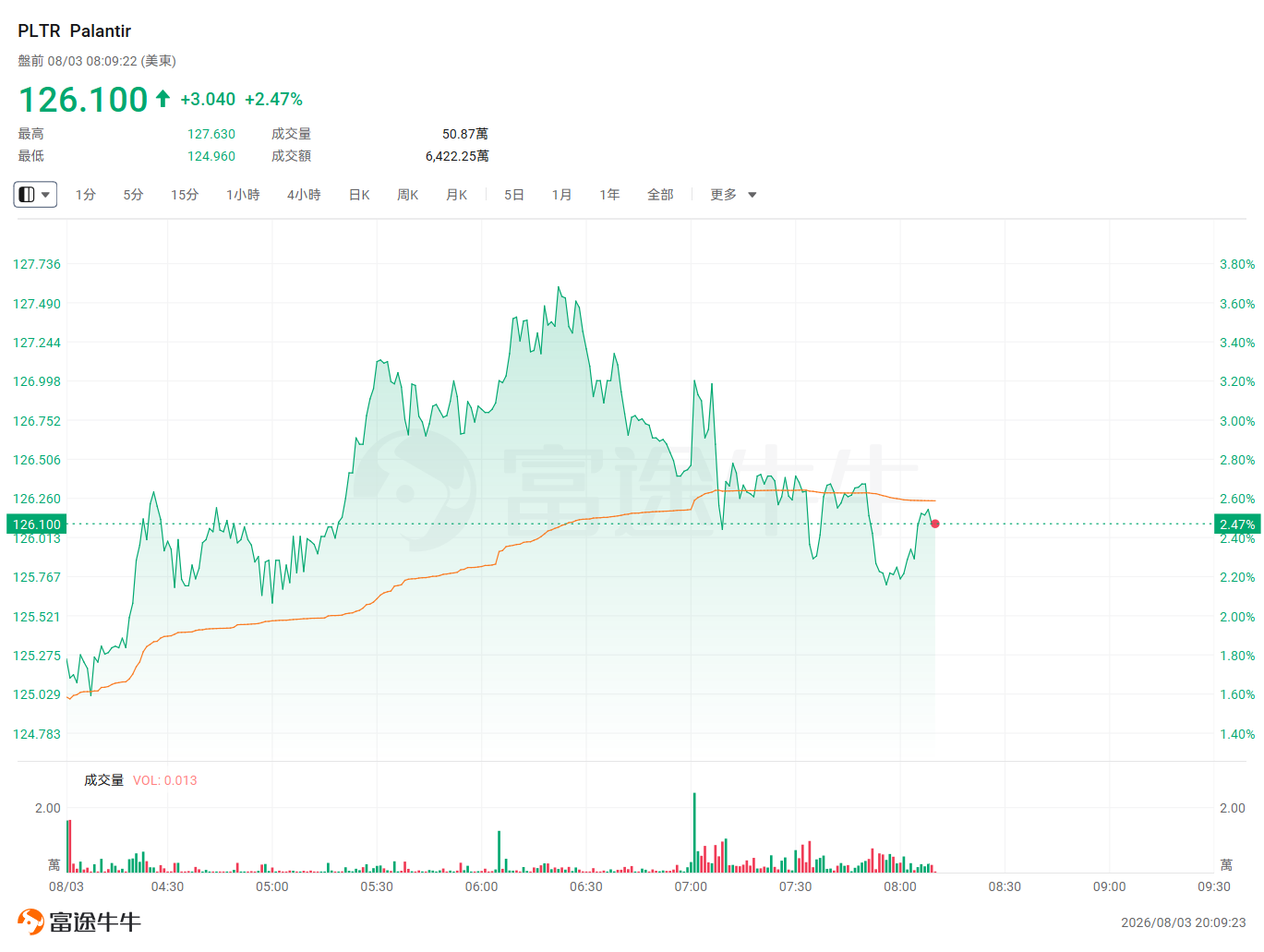
 $AI application software (LIST23492.US)$Most stocks rose in premarket trading, with Palantir up over 2% ahead of its latest earnings release after the bell, and ServiceNow up nearly 4%.
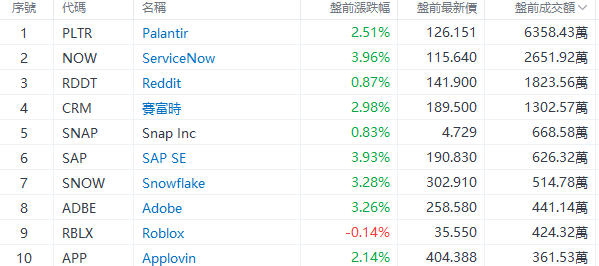
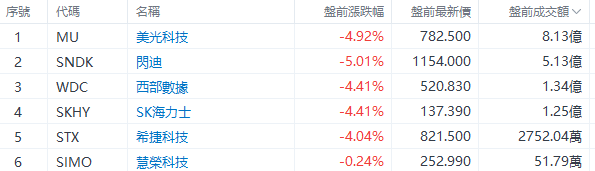
$Data storage stock (LIST23925.US)$Broad-based declines: SanDisk and Micron Technology each fell 5%, while SK Hynix dropped over 4%.
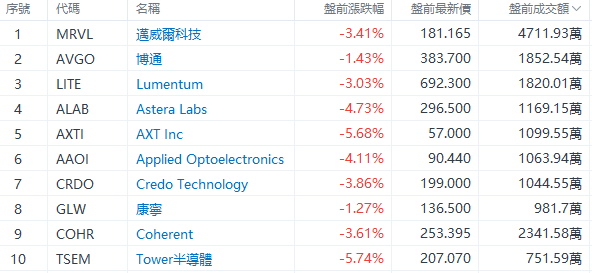
$Optical Communication (LIST23979.US)$Trading lower in premarket action, Marvell Technology fell over 3%.
Individual Stock News
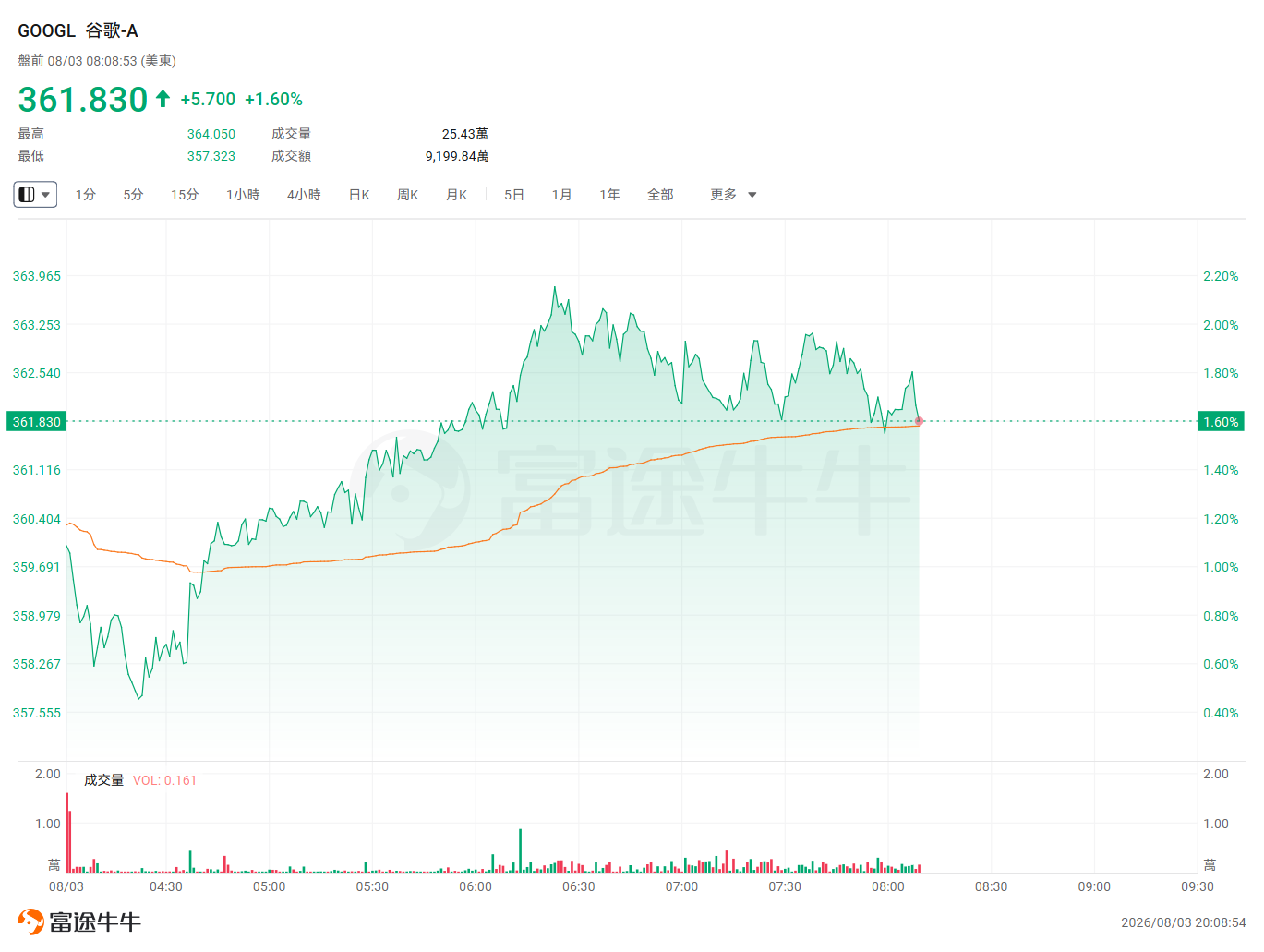
Google's off-balance-sheet guarantees surged sixfold over nine months to $43.8 billion, securing TPU chip orders through financial backstopping.
$Alphabet-A (GOOGL.US)$Last week, it disclosed that the potential financial guarantees it provides for data center tenant defaults have surged to $43.8 billion. This figure, referred to as 'notional value,' represents a nearly sixfold increase from $6.5 billion as of the end of September last year. Through such 'financial backstop' commitments, Google effectively acts as an implicit guarantor for data center developers, enabling them to secure cheaper debt financing and accelerate capacity expansion.
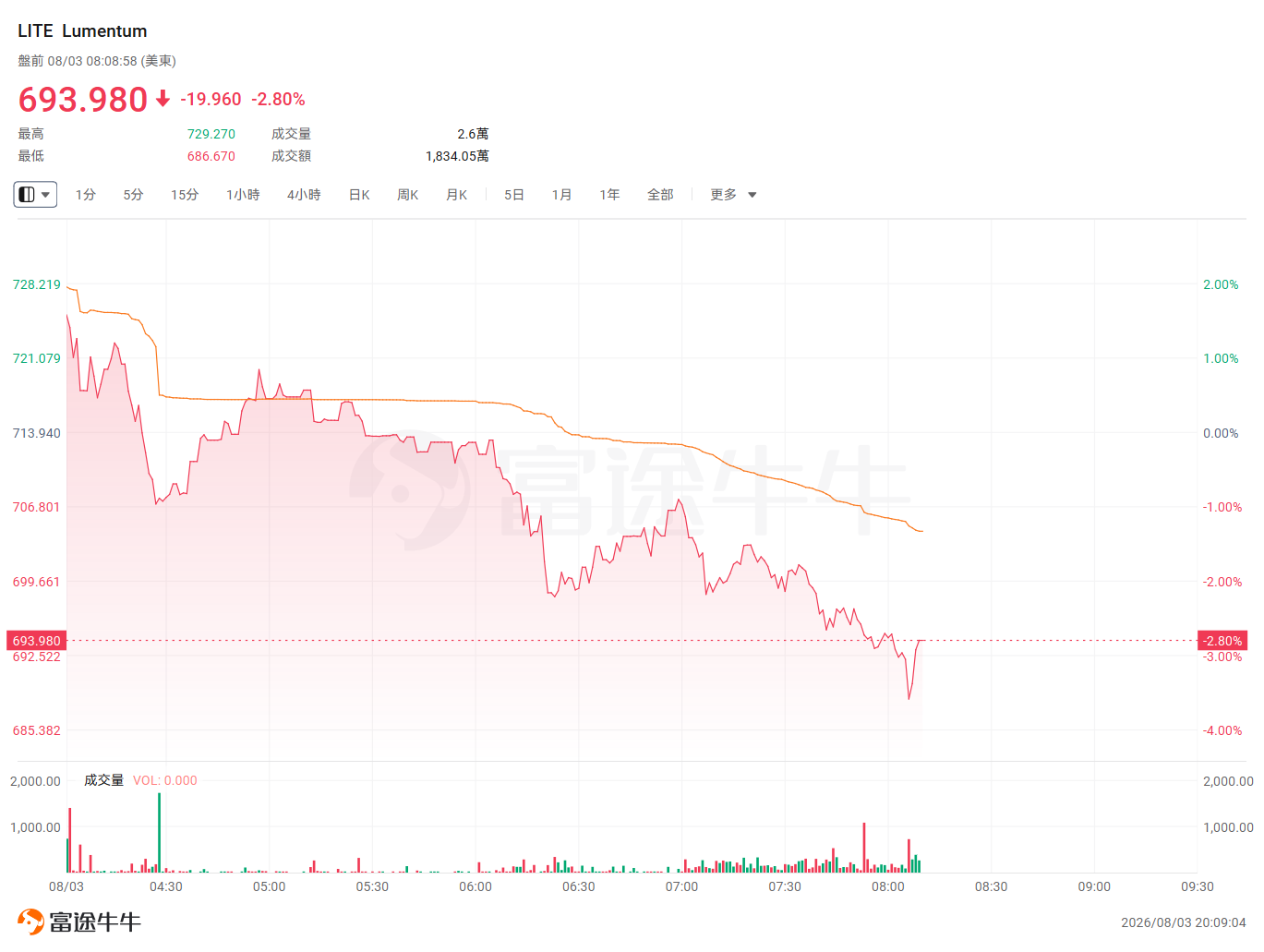
Lumentum Warns: Optical Interconnects Emerging as New AI Bottleneck
Indium phosphide (InP) is becoming the weakest link in the AI infrastructure expansion chain. As data centers experience exponential growth in demand for optical interconnects, this irreplaceable compound semiconductor material now faces an even more severe supply shortage than memory components.$Lumentum (LITE.US)$CEO Michael Hurlston explicitly warned at the RAISE summit in Paris this month that the shortage of indium phosphide will exceed the current crisis seen in the memory market. He stated that Lumentum currently operates five InP wafer fabs, yet its shipments still fall more than 30% short of customer demand—a gap that has widened further compared to last quarter. “I believe even the two of us combined cannot meet the demand NVIDIA and other customers are placing on us,” Hurlston said. “The indium phosphide shortage will be more severe than what we’re seeing in the memory market.”
U.S. memory ETFs recently rebalanced their portfolios to include ChangXin Technology.
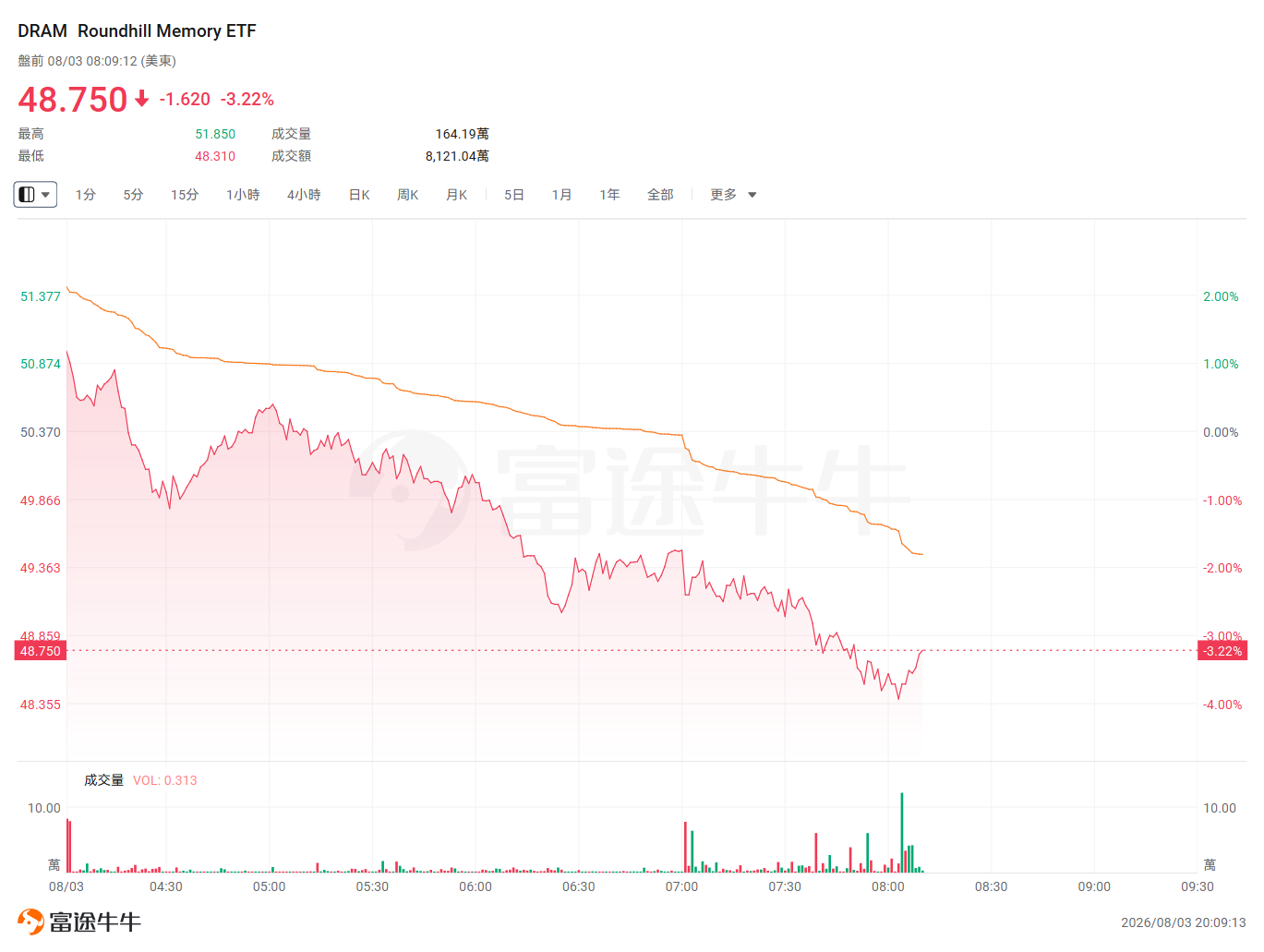
Focusing on the memory chip industry chain, $Roundhill Memory ETF (DRAM.US)$ recently rebalanced its holdings, with the A-share company $CXMT Corporation (688825.SH)$ entering its top ten holdings with a weight of 2.52%. The U.S. actively managed ETF $Tema Memory ETF (DISK.US)$ has elevated the stock to its largest holding, with an allocation as high as 12.97%. Institutional investors believe this wave of concentrated allocations by top-tier overseas memory-sector funds not only signals that China's memory industry is accelerating its integration into the global core semiconductor supply chain, but also reflects strong international investor recognition of the investment value of China’s technology sector amid surging global AI computing demand and a sustained recovery in memory chip market conditions.
Palantir earnings report could serve as the starting gun for the second wave of AI application software stocks.
AI application leader focused on 'AI + data analytics', $Palantir (PLTR.US)$ will release its latest quarterly earnings and forward guidance after the U.S. market close this Monday (early Tuesday Beijing time). Palantir’s share price has surged more than 130% year-to-date in 2025, earning it the reputation as the 'bull market legend of the AI application software segment.' However, many analysts still see upside potential, with Bank of America analysts assigning a 12-month price target of $255—the highest on Wall Street. If Palantir delivers a robust post-market earnings report on August 3 (U.S. time), significantly exceeding expectations and substantially raising its guidance, it could further fuel the AI application software sector, which has already notably outperformed the broader U.S. equity market recently.
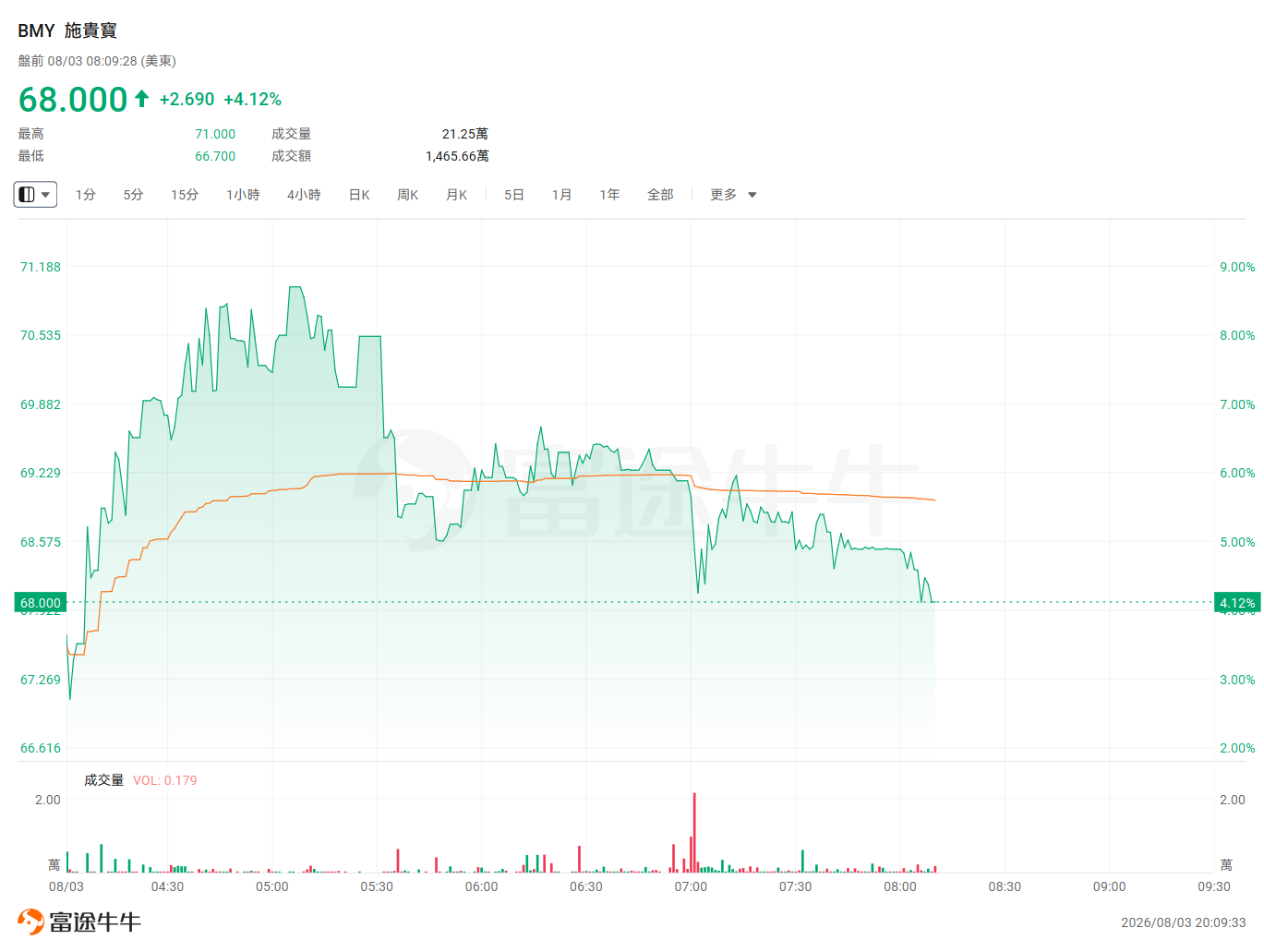
AstraZeneca is considering an acquisition of Bristol-Myers Squibb, potentially creating the largest pharmaceutical merger in history.
According to informed sources, $AstraZeneca (AZN.US)$ Discussions have already commenced regarding the acquisition of Bristol-Myers Squibb, $Bristol-Myers Squibb (BMY.US)$ a mega-deal that, if completed, would create one of the world’s largest pharmaceutical companies. AstraZeneca is advancing toward its ambitious target of $80 billion in sales by 2030 and aims to enter the lucrative weight-loss market with multiple pipeline drugs. Bristol-Myers Squibb, with a market capitalization of $133.4 billion, could provide AstraZeneca with a significantly stronger foothold in the U.S. market.
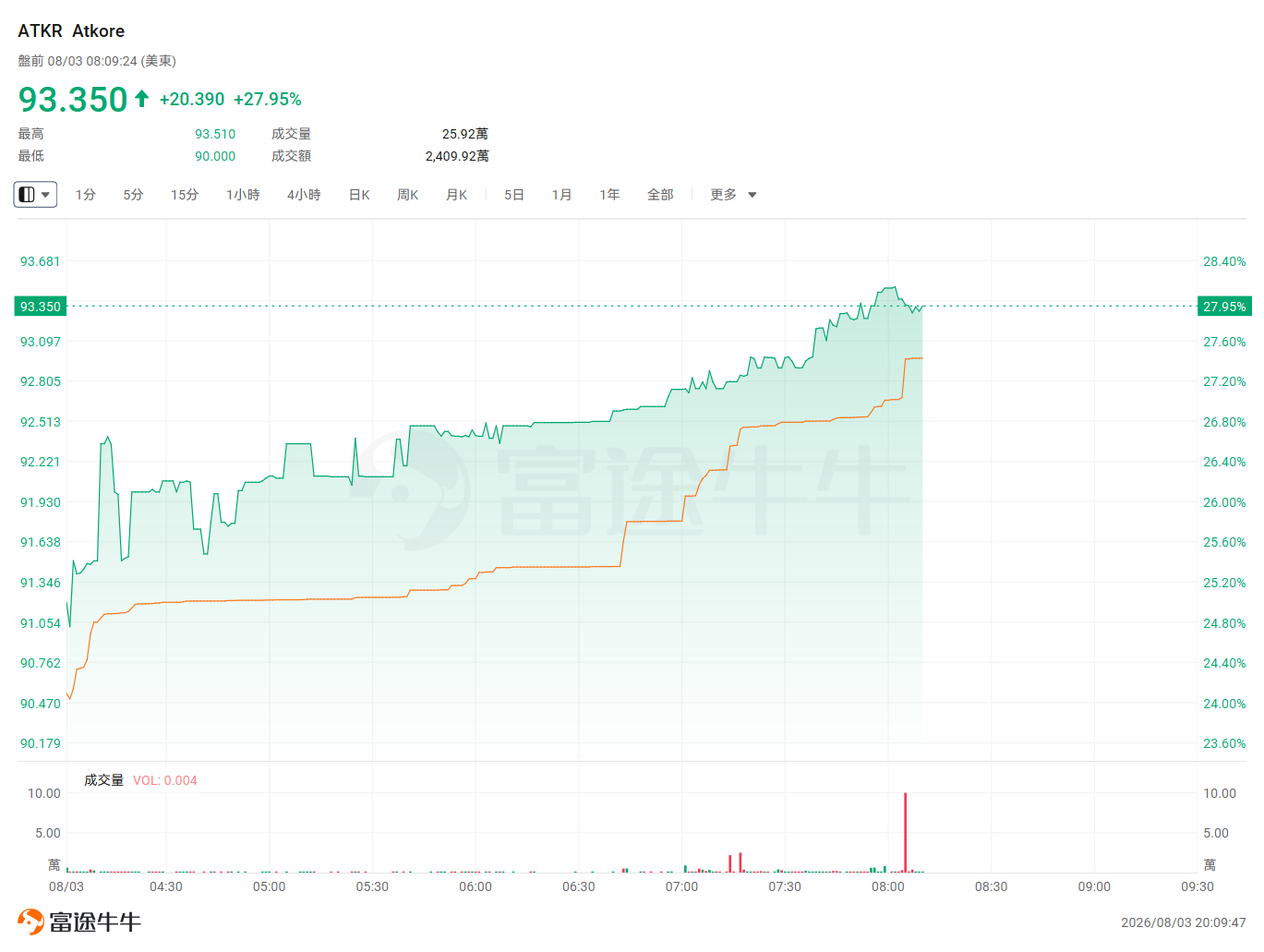
Soaring demand for AI data centers and electrical infrastructure prompts Prysmian to acquire Atkore for $3.8 billion
Italian cable giant Prysmian SpA announced in a statement on Monday that it has reached an all-cash agreement to acquire U.S. electrical equipment manufacturer $Atkore (ATKR.US)$ . Under the terms of the agreement, Prysmian will acquire Atkore, headquartered in Harvey, Illinois, at $95 per share, implying an enterprise value of approximately $3.8 billion. Atkore primarily manufactures a range of products and systems used for electrical wiring installation and protection. This acquisition marks the latest step in Milan-based Prysmian’s strategic expansion in the U.S. market. As of the time of reporting, Atkore’s shares surged more than 27% in pre-market trading on Monday.
Global Macro
Trump cancels planned strike on Iran; nuclear talks resume Monday
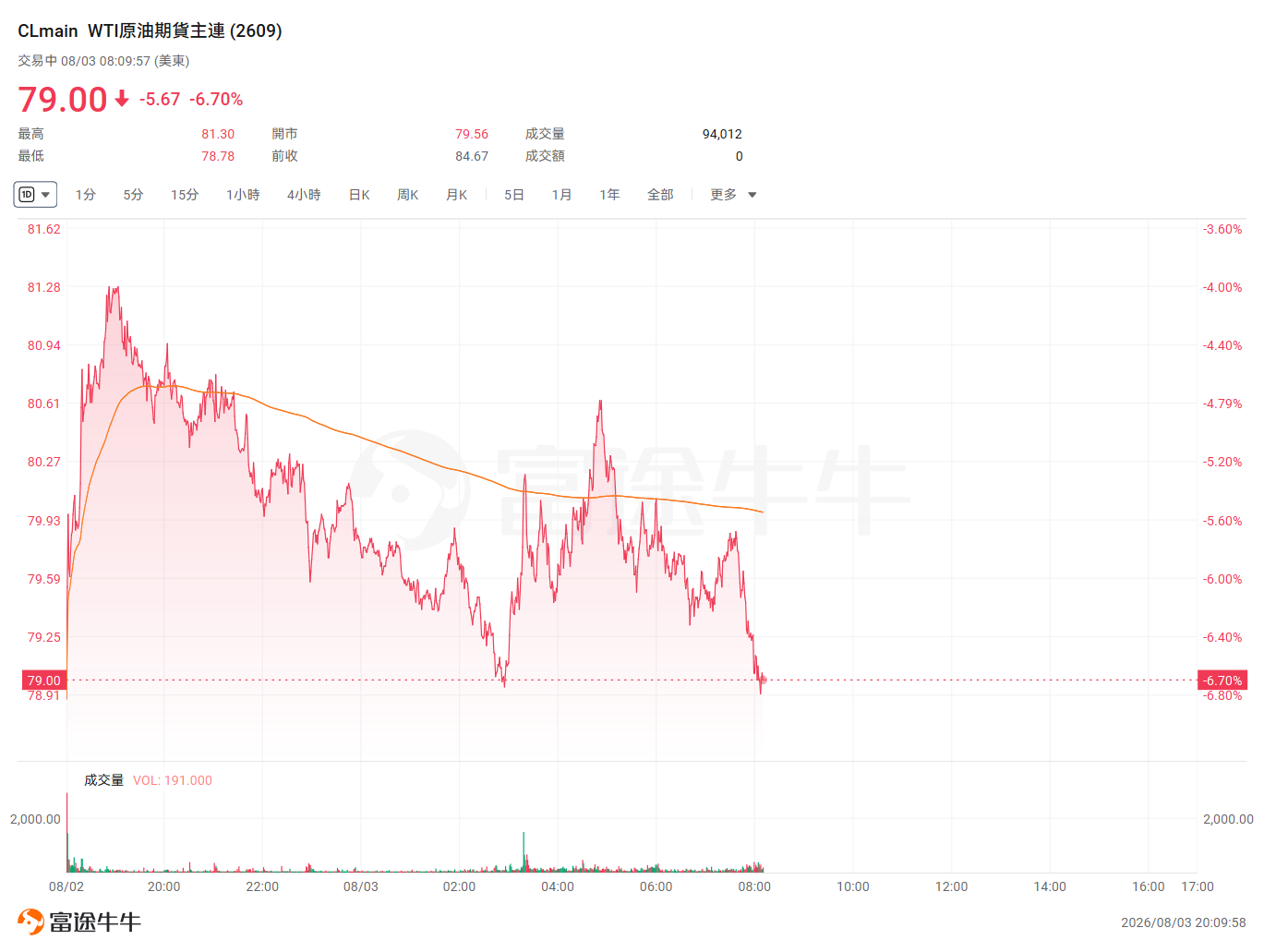
U.S. President Trump announced the cancellation of a planned military strike against Iran, and nuclear negotiations are set to resume on Monday. Iranian Foreign Ministry spokesperson Baghaei stated that there are currently no direct talks with the United States, and discussions with Oman focus on securing an agreement to ensure safe passage of vessels through the Strait of Hormuz. Pakistan and Qatar are also involved in mediation efforts. In response to this development, international oil prices plunged by more than 6% on Monday, geopolitical risk premiums contracted significantly, global equity futures rose, energy stocks came under pressure, and defensive assets such as gold weakened slightly. Uncertainty remains over whether tensions in the Strait of Hormuz have genuinely eased, as Iran emphasized that the situation will not fundamentally change as long as U.S. blockade measures continue.
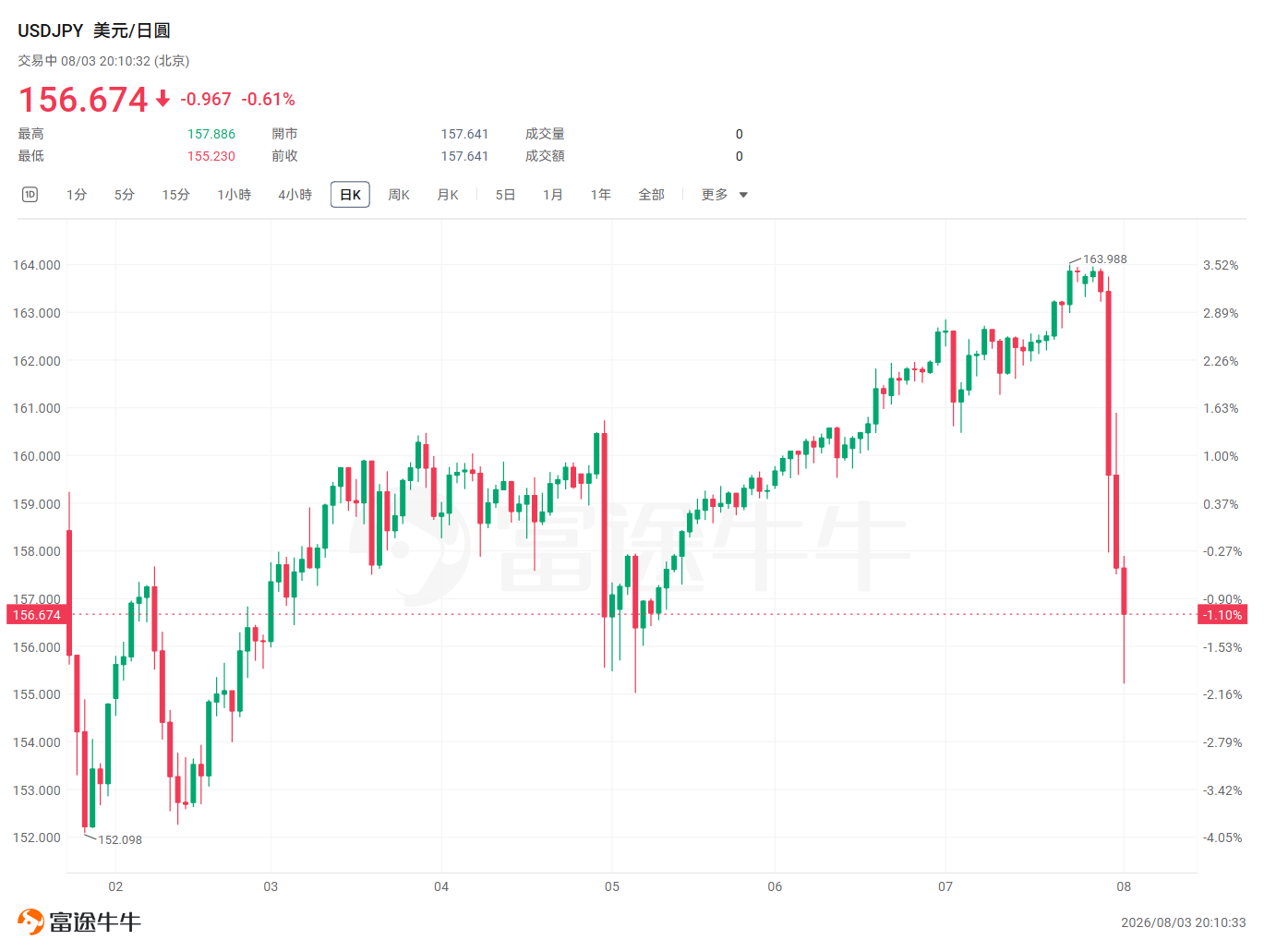
U.S. and Japan confirm joint yen intervention, signaling potential sustained action
The U.S. Treasury Department and Japan’s Ministry of Finance confirmed that they jointly conducted coordinated intervention to buy yen last Friday—a rare instance of U.S.-Japan currency intervention in decades. The yen continued to appreciate sharply on Monday, keeping markets on high alert for possible further intervention. MUFG noted that while joint intervention can effectively unwind short yen positions in the near term, a more durable strengthening of the yen would require fundamental shifts such as higher real interest rates in Japan. Japanese equities faced selling pressure on Monday, led by exporters and automakers. Strategists pointed out that most Japanese corporate earnings forecasts assume a USD/JPY exchange rate of approximately 151.49, leaving about a 5-yen buffer from current levels, thus keeping the risk of widespread earnings downgrades manageable for now. Behind this intervention, one U.S. motive was to shield the U.S. Treasury market from excessive selling pressure by Japanese investors. The yen’s appreciation also lifted other Asian currencies, including the Korean won and Thai baht.
Wall Street Giants: The Fiercest Sell-Off in U.S. Equities May Be Over, but 'Bottom-Fishing' Still Carries Risks
After a month of intense volatility, the U.S. equity market stands at a critical crossroads. On one hand, data from institutions such as JPMorgan suggest that the months-long deleveraging process in the technology sector is nearing completion, with leveraged ETFs, hedge fund net exposures, and CTA positions all having retreated significantly from extreme levels. On the other hand, inflation concerns are resurfacing, the path of interest rates remains highly uncertain, and doubts about the returns on AI-related capital expenditures have yet to dissipate. Macro risks are now replacing position unwinding as the primary driver of market pricing. Goldman Sachs’ top trading desk warns that although deleveraging is nearly complete, risks have not been fully cleared; multiple key events will continue to weigh on the market. Limited by seasonal fund outflows and weak institutional appetite for taking aggressive positions, U.S. equities lack the necessary 'fuel' for upside momentum in August.
New York Fed President Williams: Current Interest Rates Are Well Positioned; Inflation Expected to Begin Declining in the Second Half of the Year
In an interview, Williams stated, “My personal forecast is that inflation will decline in the second half of this year and ease further next year.” He added, “I believe the current stance of monetary policy is well suited to support this disinflationary path.” Williams noted that if inflation fails to follow expectations, the Federal Reserve may need to act. He said, “If the economic trajectory does not bring inflation down to the 2% target, then in my view, it would be entirely appropriate for the Fed to take action to ensure the economy returns to a path consistent with achieving that 2% inflation goal.”
Research Firm Artificial Analysis: DeepSeek V4-Flash Has the Lowest Operating Cost Globally
According to calculations by research firm Artificial Analysis, DeepSeek’s new model, V4-Flash, costs only approximately $0.03 per task completion—compared to $3.15 for Claude Fable 5—making it just 1/105th the cost and setting a new benchmark for cost-effectiveness among mainstream large language models. The launch of V4-Flash signals that AI competition is shifting from performance benchmarks to cost-efficiency, reigniting focus on the return prospects of massive AI-related capital expenditures. According to sources familiar with the matter, DeepSeek is preparing for a potential IPO. Its annual recurring revenue (ARR) from AI model API cloud services has already reached $400–500 million, with gross margins exceeding 50%.
Top 20 U.S. Stocks by Premarket Trading Volume
U.S. Equity Market Macro Calendar Reminder
(All times listed below are in Beijing Time)
21:45 U.S. July S&P Global Manufacturing PMI Final Reading
22:00 U.S. July ISM Manufacturing PMI; U.S. June Construction Spending MoM
After-Hours Earnings
$Palantir (PLTR.US)$ 、 $Snap Inc (SNAP.US)$ 、 $ON Semiconductor (ON.US)$ 、 $Grab Holdings (GRAB.US)$
 Looking to select stocks or analyze your holdings? Want to understand the opportunities and risks in your portfolio? For any investment-related questions,just ask Futubull AI!

Editor/Rocky