WTI crude oil plunged by more than 7% during early trading before closing down approximately 5.4% at $80.11 per barrel. The decline in oil prices quickly rippled through to the interest rate and equity markets. U.S. Treasury yields fell across the board by 3 to 5 basis points, while the S&P 500 surged 1.48% to 7,600.50 points. The Dow Jones Industrial Average rose 693 points to close at 53,178, setting a new record high, and the Nasdaq Composite jumped 2.13%.
A sharp decline in oil prices dragged down inflation expectations, boosting both U.S. equities and Treasuries, with the Dow Jones Industrial Average closing at a record high.
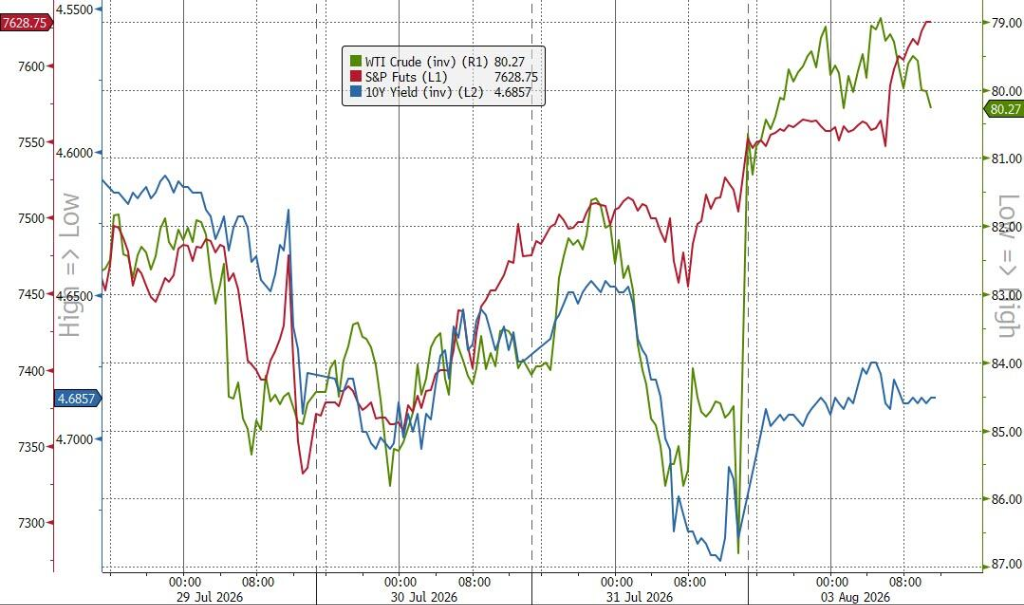
On Sunday, Trump announced the cancellation of planned military strikes against Iran and stated that both sides would begin negotiations on Monday to reopen the Strait of Hormuz—a development that immediately triggered a sell-off across commodity markets.
 WTI crude plunged more than 7% during early trading and ultimately closed down approximately 5.4% at $80.11 per barrel, with the oil price decline quickly rippling through interest rate and equity markets.
U.S. Treasury yields fell uniformly by 3 to 5 basis points. The S&P 500 surged 1.48% to 7,600.50, the Dow Jones Industrial Average rose 693 points to close at 53,178—hitting a record closing high—and the Nasdaq Composite jumped 2.13%.
Meanwhile, the effects of the joint U.S.-Japan intervention to support the yen continue to fade. Analysts warn that as long as the interest rate differential between the U.S. and Japan remains unchanged, the carry-trade logic underpinning yen short positions will persist, continually challenging the effectiveness of such interventions.
Oil Prices: Mixed Signals, Market Enters Wait-and-See Mode
On Sunday, Trump publicly stated that the U.S. and Iran would begin negotiations on Monday, adding, “After the Strait of Hormuz agreement comes the nuclear deal.” Earlier on Monday, Iranian officials denied reports of ongoing talks with the U.S.
WTI crude plunged more than 7% during early trading and ultimately closed down approximately 5.4% at $80.11 per barrel.
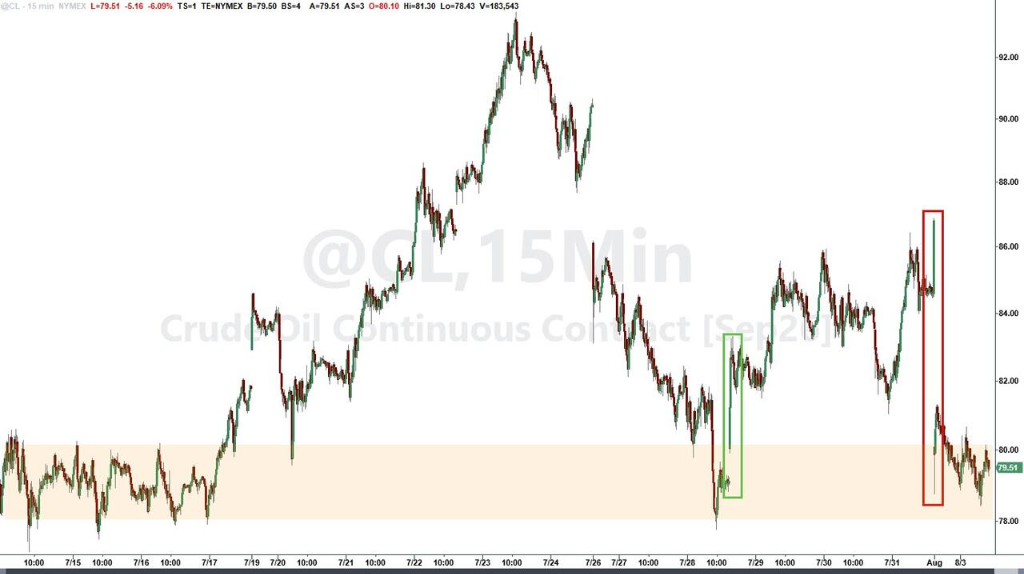
During early U.S. stock market trading hours on Monday, August 3 (Eastern Time), President Trump posted a series of messages on his social media platform, criticizing Iran’s leadership as 'duplicitous.' He accused Iran of simultaneously requesting talks with the U.S. while publicly denying any ongoing negotiations, and warned that the U.S. blockade of Iran would persist unless an agreement was reached or Iran 'surrendered completely.'
During midday U.S. trading hours, Trump reiterated that negotiations with Iran were still underway. He said the U.S. was currently engaging in dialogue with Iran at Tehran’s request, a process supported by Saudi Arabia, the United Arab Emirates, Qatar, and other countries, and emphasized this represented Iran’s 'last opportunity to sign a good agreement.'
Amid mixed signals, the intraday decline in oil prices narrowed, leaving prices hovering around $80 per barrel. Arne Lohmann Rasmussen, Chief Analyst at a global risk management firm, stated:
“Following the announcement, the market has largely entered a wait-and-see mode. We haven’t actually moved meaningfully closer to a resolution.”
The underlying risk in the Strait of Hormuz has not yet been eliminated. The UK Maritime Trade Operations reported on Sunday an explosion near a tanker off the coast of Oman. During peacetime, this waterway handles approximately one-fifth of global crude oil and liquefied natural gas (LNG) shipments; late last week, an LNG carrier was already struck by ordnance.
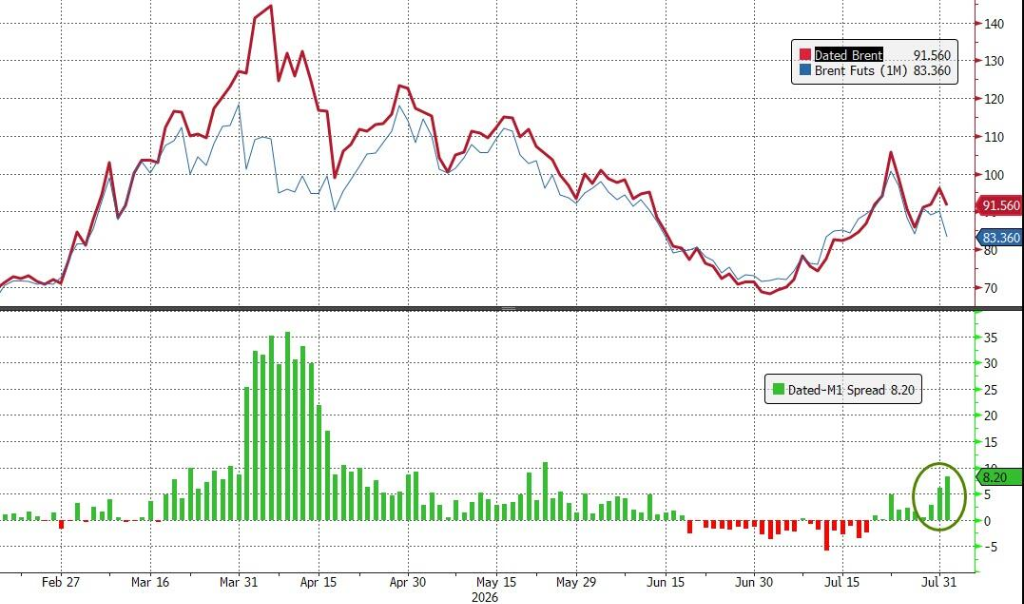
The futures curve shows a clear Brent backwardation structure, reflecting continued tightness in the physical market.
Michiel Tukker, interest rate strategist at ING Groep NV, stated:
Oil prices remain the biggest source of uncertainty and will largely determine whether interest rates move higher or lower this week.
U.S. Equities: Improved positioning combined with strong earnings reports—breadth of gains warrants attention
U.S. equities extended their rebound from Thursday and Friday last week, led by technology stocks. The S&P 500 surged 1.48% to 7,600.50 points, the Dow Jones Industrial Average rose 693 points to close at 53,178—a record high—and the Nasdaq Composite jumped 2.13%.
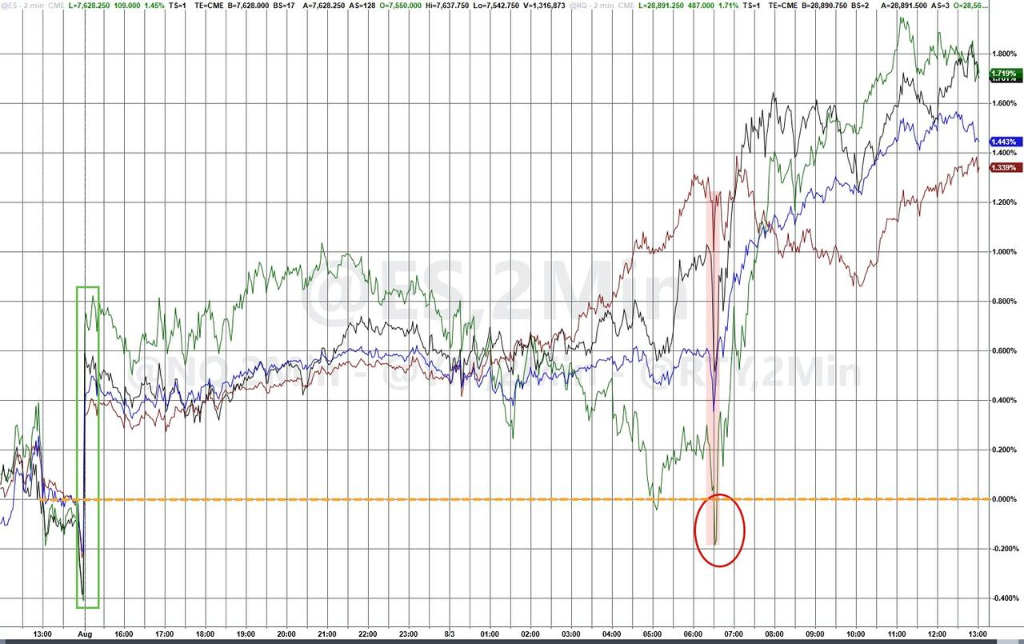
Large-cap tech stocks performed notably well, with the Mag 7 significantly outperforming the other 493 constituents of the S&P 500. Among them, $Meta Platforms (META.US)$ rose 5.97%, $Microsoft (MSFT.US)$ rose 4.82%, $Alphabet-C (GOOG.US)$ rose 4.37%, and Tesla gained 3.48%. $NVIDIA (NVDA.US)$ rose 2.90%, while Apple fell 1.84%.
$Amazon (AMZN.US)$ Its share price rose 4.58%, pushing its market capitalization above $3 trillion for the first time, after the company reported earnings that exceeded market expectations.
$SpaceX (SPCX.US)$ Shares rose 5.7%. The company is set to release its first quarterly earnings report since going public after the market close on Tuesday. Since its IPO in mid-June, SpaceX’s stock has traded below its $135 offering price for nearly three consecutive weeks.
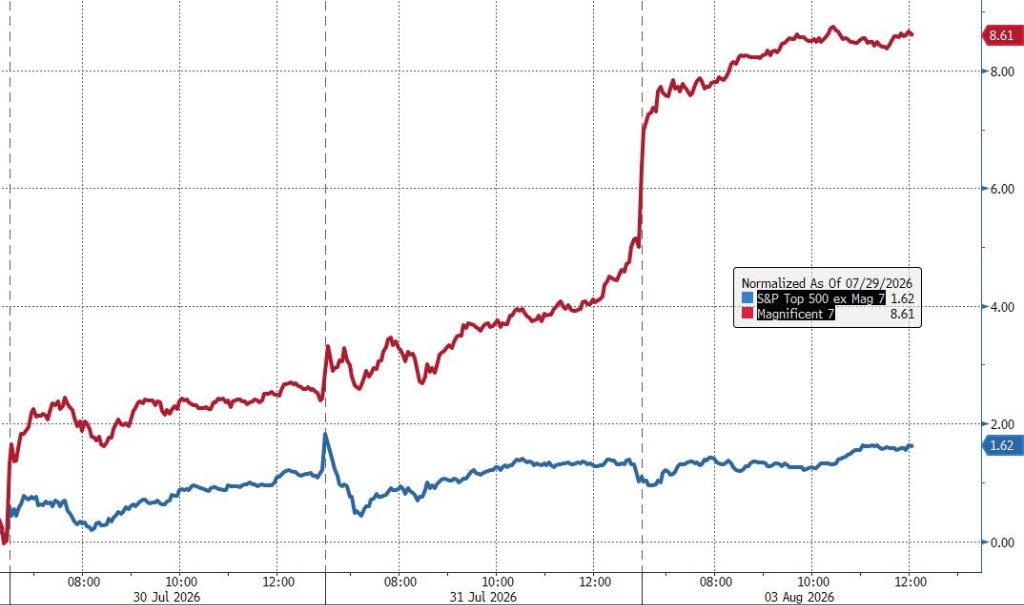
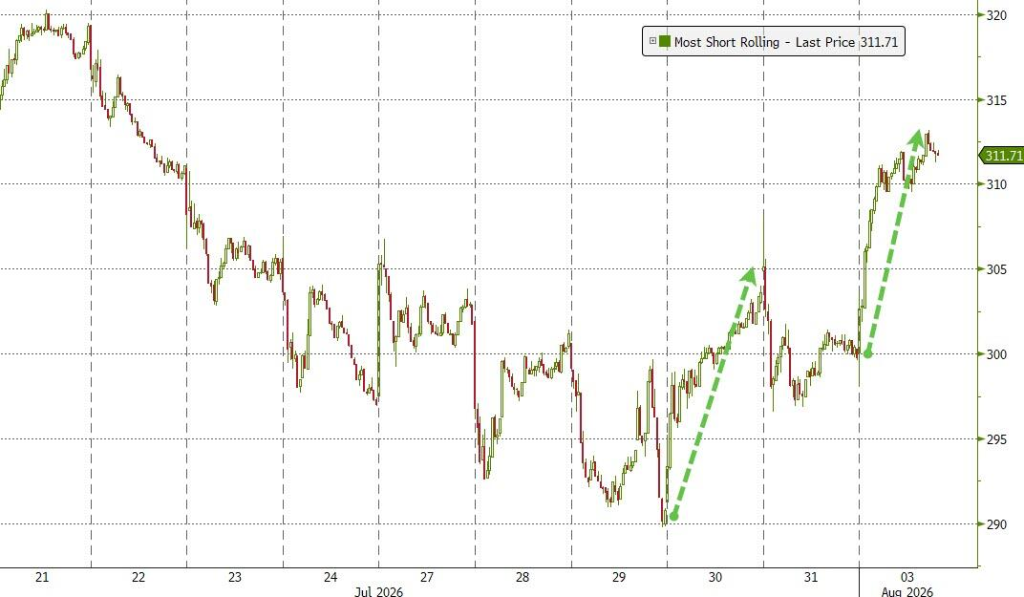
Goldman Sachs traders noted that today’s rally exhibited characteristics of a 'short squeeze,' with the worst-performing stocks over the past 12 months, meme stocks, software stocks, and the Mag 7 leading the gainers list.
At the sector level,$Cloud Computing (LIST2540.US)$ surged across the board, $CoreWeave (CRWV.US)$ surged 19%, $NEBIUS (NBIS.US)$ rose over 11%, $Oracle (ORCL.US)$ surged more than 9%.
In terms of market breadth, advancing issues outnumbered declining issues by a ratio of 2.62:1 on the NYSE and 3.01:1 on the Nasdaq. Multiple sectors—including airlines, media, homebuilders, restaurants, private equity, payments, credit cards, and consumer staples—strengthened broadly, supporting the market narrative of 'broadening participation.'
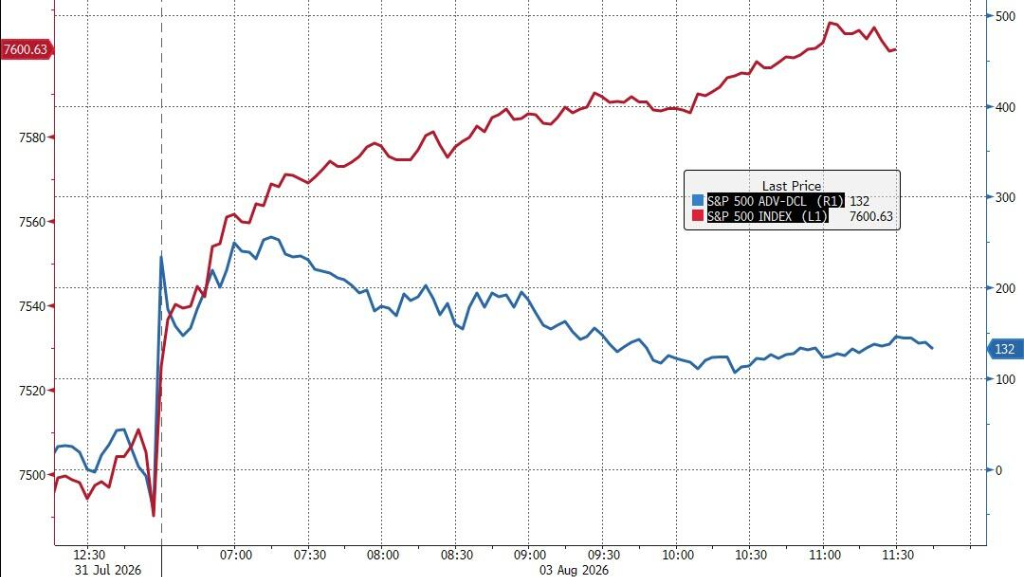
However, Goldman Sachs traders observed that participation in this rally was not particularly strong in terms of trading volume. Although market volume on the day was approximately 35% above the 20-day average, activity on Goldman Sachs’ proprietary trading desk registered only 4 out of 10.
Scott Rubner of Citadel Securities stated that the drivers propelling U.S. equities to repeated record highs this year remain 'fully intact':
The market is transitioning from a liquidity-driven environment to one increasingly shaped by earnings, corporate demand, and macroeconomic fundamentals.
U.S. Treasuries: Japan's intervention funds will not sell U.S. Treasuries, easing market tension
U.S. Treasury yields declined across the board on Monday, with the 10-year yield dropping 5 basis points to 4.68%, outperforming the short end of the curve.
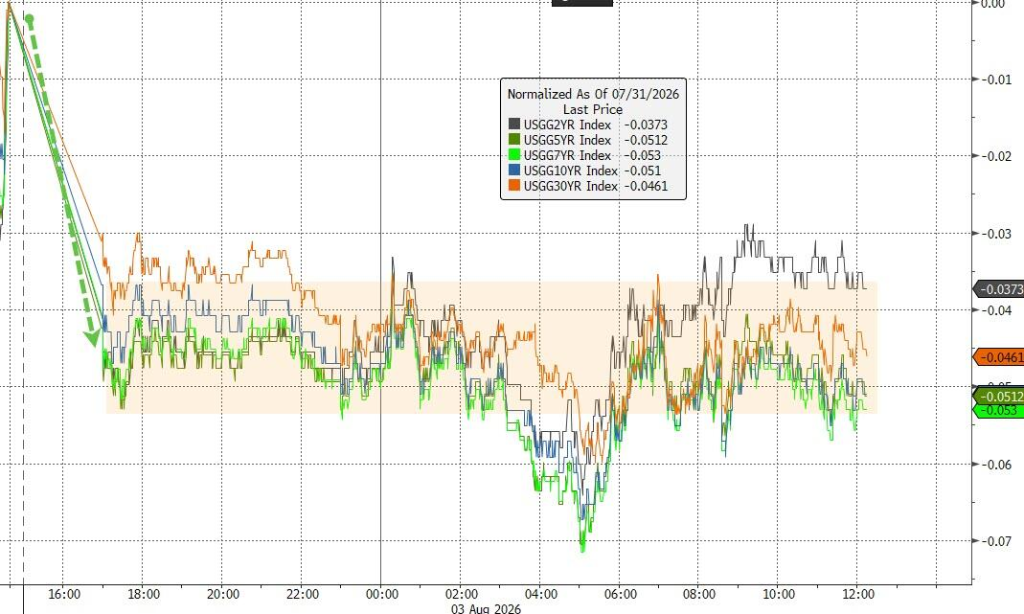
Last week, concerns mounted that Japan’s approximately $53 billion yen-supportive intervention might involve selling U.S. Treasuries, pushing yields higher.
Mohamed El-Erian, advisor at Allianz SE, said he suspects concerns over U.S. bond yields may have been one reason behind the U.S. breaking its more-than-decade-long stance of non-intervention in currency markets.
Research by Morgan Stanley strategists including Koichi Sugisaki indicated that market speculation about the Japanese Ministry of Finance selling U.S. Treasuries to finance its intervention was among the factors driving recent increases in Treasury yields.
In response, U.S. Treasury Secretary Bessent reassured markets on Sunday, emphasizing a Federal Reserve facility established during the 2020 pandemic that allows foreign central banks to use their holdings of U.S. Treasuries as collateral to obtain dollar liquidity without directly selling bonds in open markets.
Meanwhile, July U.S. manufacturing PMI data showed robust demand, surging output, and accelerated hiring, marking the fastest expansion pace in over four years—partially offsetting expectations for rate cuts driven by falling oil prices, leaving overall market expectations for a rate hike largely unchanged.
According to CME FedWatch data, markets currently price in a 64.5% probability of at least a 25-basis-point rate hike by the Federal Reserve in September.
Yen Intervention: Effects Fade, FX Dynamics Still Favor Shorts
The coordinated U.S.-Japan intervention in the yen exchange rate, initiated last weekend, has already prompted market participants to reverse positions and actively dampen the sharp yen rally triggered by the intervention.
From the perspective of price action patterns, this intervention closely resembles the one conducted on April 30 this year, after which the yen subsequently weakened again. The U.S. Dollar Index closed nearly flat on that day, while the yen ended at 156.99, rising only marginally by 0.3%.
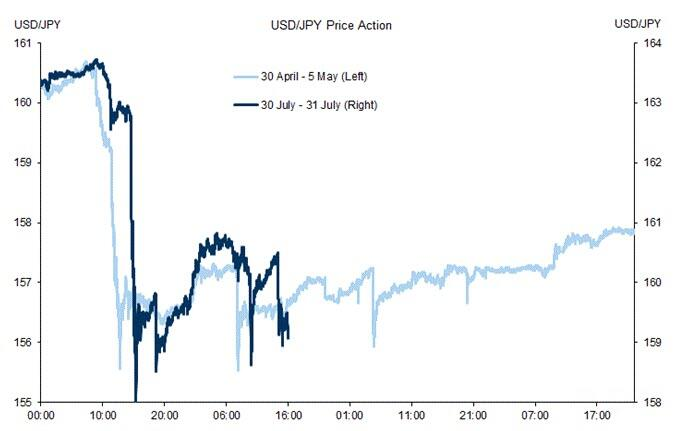
Analysts noted that as long as the interest rate differential between the U.S. and Japan remains unchanged—with U.S. short-term rates maintaining a lead of over 200 basis points relative to Japan—the carry trade rationale for yen shorts will remain valid, and intervention authorities will continue to face countervailing market pressure.
James Thorne of Wellington-Altus Private Wealth stated that this intervention "feels like" the early manifestation of a new agreement between Washington and Tokyo, and warned:
When the largest foreign holder of U.S. Treasuries begins selling, long-end yields will face repricing pressure.
Performance of Other Assets
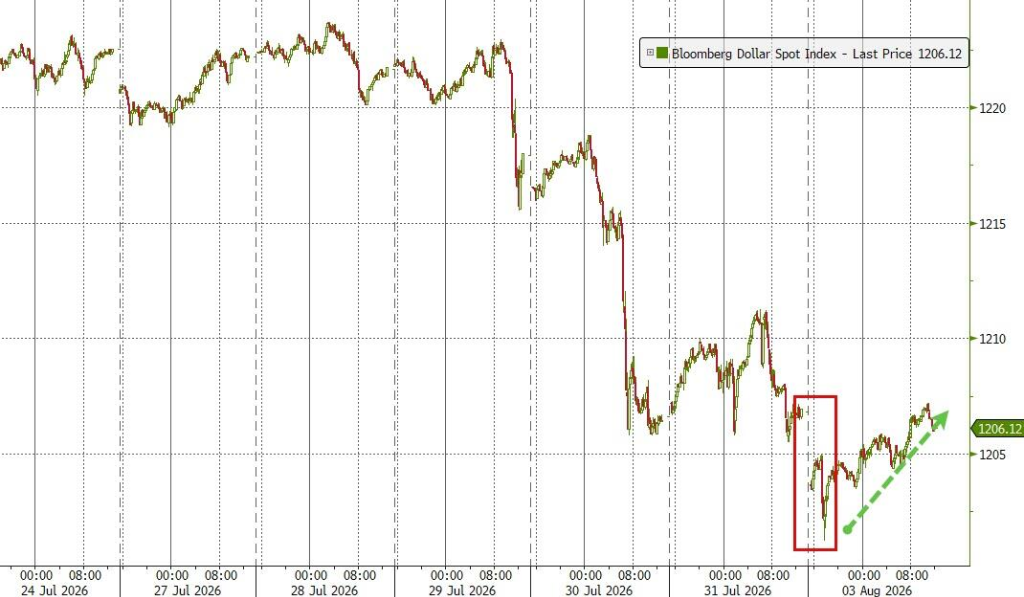
The U.S. Dollar Index initially declined but ended the day essentially flat.
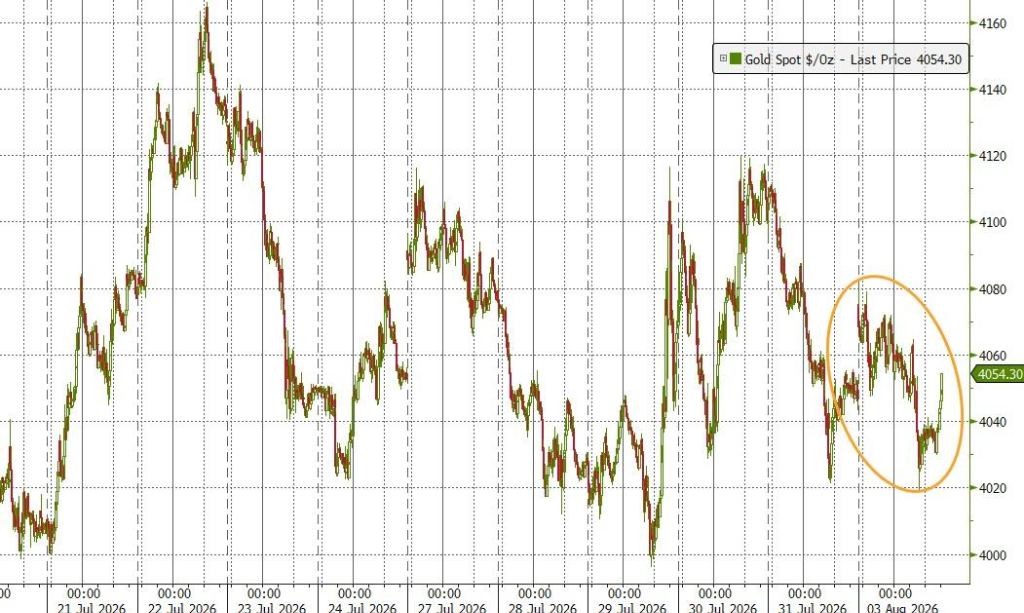
Gold prices held steady on the day,守住 the critical $4,000 level.
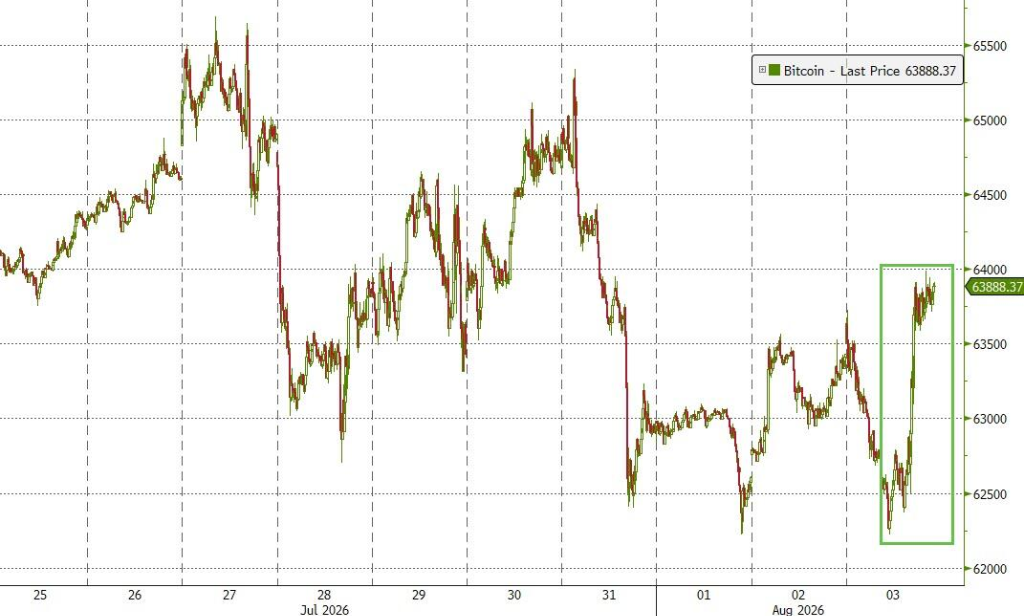
Although strategic selling (once again) triggered a rebound in Bitcoin prices, Bitcoin surged significantly during the day, reclaiming the $64,000 mark.
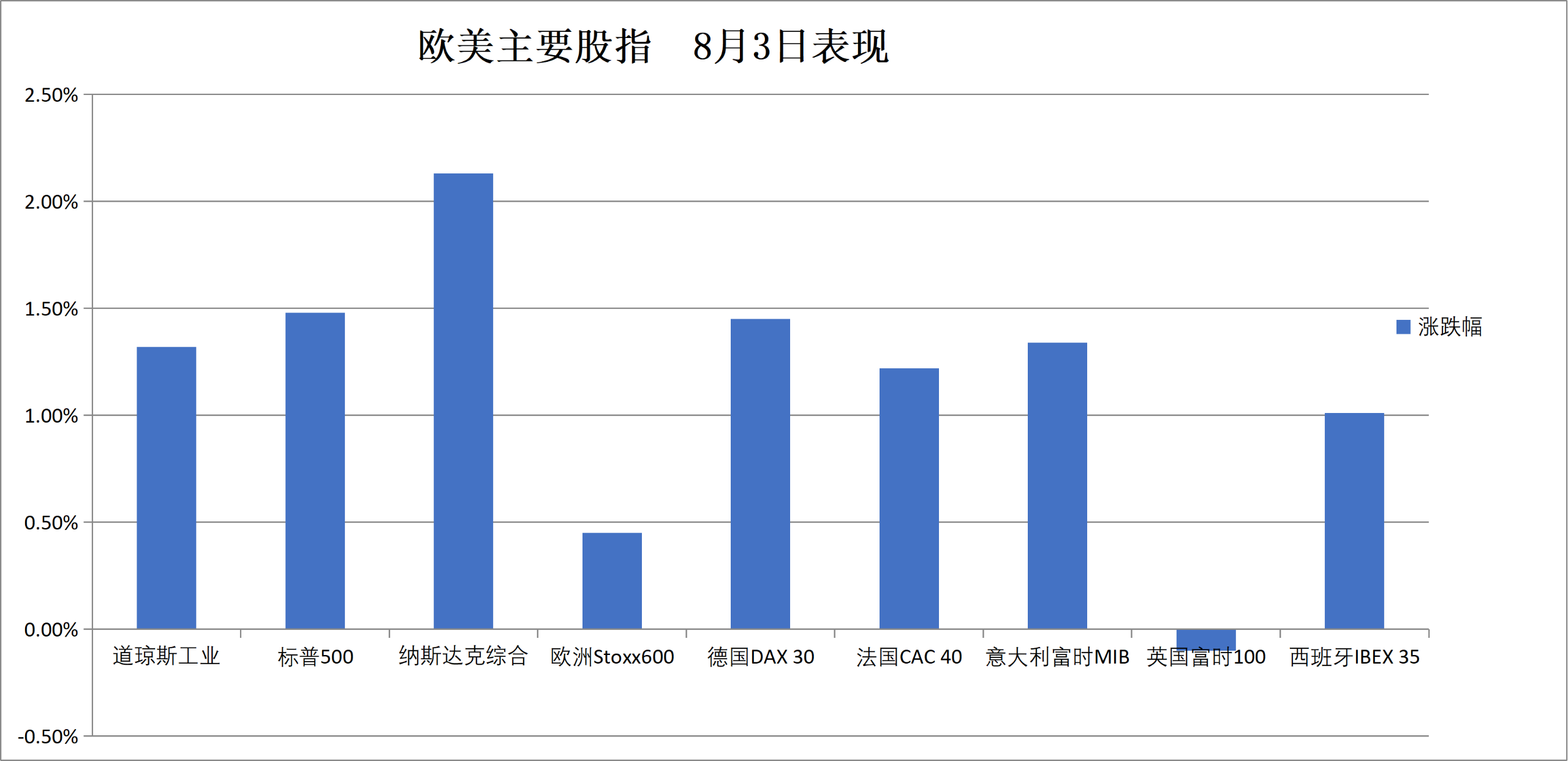
The Eurozone blue-chip index rose approximately 1.1%, closing at a record high. Deutsche Telekom and SAP gained at least 4.4%, while ASML Holding declined by 1%. German equities closed up more than 1.4%, alongside record-high closes for the French index, Italian banking sector, and Spanish stock market.
Pan-European Equities:
The STOXX Europe 600 Index closed up 0.54% at 652.09 points, approaching its intraday all-time high of 656.67 points set on July 31.
The Eurozone STOXX 50 Index rose 1.08% to close at 6,426.50 points.
National stock indices:
Germany's DAX 30 Index gained 1.45% to close at 26,001.31 points, surpassing both its previous record closing high of 25,817.89 points set on July 6 and its intraday record high of 25,900.10 points.
France's CAC 40 Index advanced 1.22% to close at 8,613.82 points, approaching its record closing high of 8,620.93 points reached on February 26. After the U.S. market opened, it briefly hit a new intraday record high of 8,642.32 points.
The UK’s FTSE 100 Index declined 0.10% to close at 10,857.70 points, while the FTSE 250 Index rose 1.04% and the FTSE 350 Index edged up 0.03%.
Sector and individual stock performance:
Among Eurozone blue-chip stocks, Deutsche Telekom rose 4.93%, SAP increased by 4.41%, and Safran, Adyen, Adidas, EssilorLuxottica, and Rheinmetall climbed between 3.81% and 3.07%, placing them among the top seven best-performing stocks.
Among all constituents of the STOXX Europe 600 Index, Hensoldt surged 8.25%, Comet Holding gained 6.8%, Arcadis rose 6.4%, and Reply S.p.A. advanced 6.38%, ranking fourth in performance.
Want to select stocks or get a stock diagnosis? Curious about the opportunities and risks in your portfolio? For all your investment questions,Just ask Futubull AI!

Editor/Stephen