
Market Snapshot
Ahead of Wednesday's trading session, market focus shifted to macroeconomic data as the recently released ADP employment report came in below expectations. U.S. private payrolls increased by 38,000 in August, marking the smallest gain since January and falling short of the consensus forecast of 48,000.
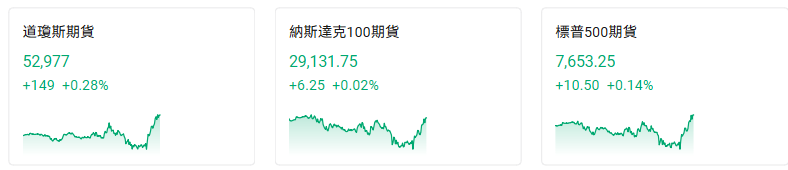
Stock index futures experienced limited intraday volatility and turned positive in pre-market trading. As of press time, Dow Jones futures rose 0.25%, Nasdaq 100 futures edged up 0.02%, and S&P 500 futures gained 0.14%.
U.S. Treasury yields retreated.

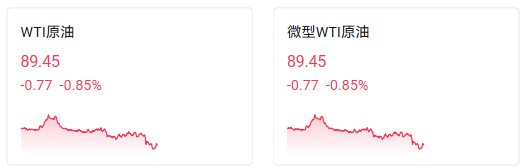
 Oil prices dipped slightly.
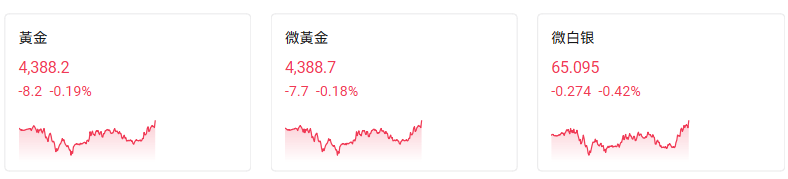
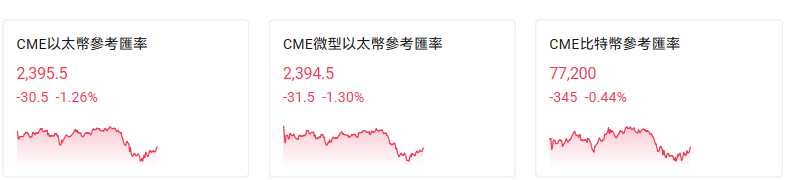
Precious metals such as gold and silver, along with Bitcoin and Ethereum, rose following the data release.
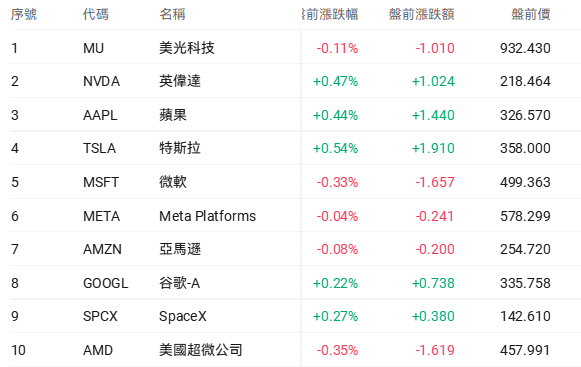
$Star Tech Stocks (LIST2518.US)$Turning positive in pre-market trading, NVIDIA shares rose 0.47%.
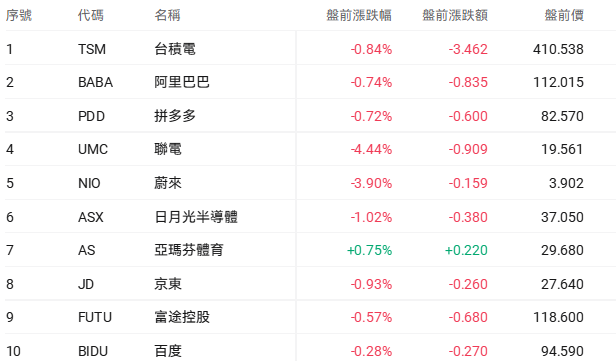
$Popular Chinese ADRs (LIST2517.US)$Declining in pre-market trading, Alibaba and PDD Holdings each fell 0.7%.
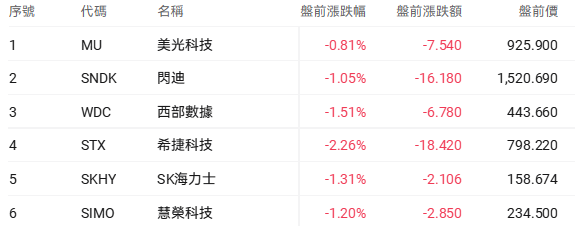
$Storage Concept (LIST23925.US)$ Broad-based pullback observed, with Seagate Technology dropping more than 2%.
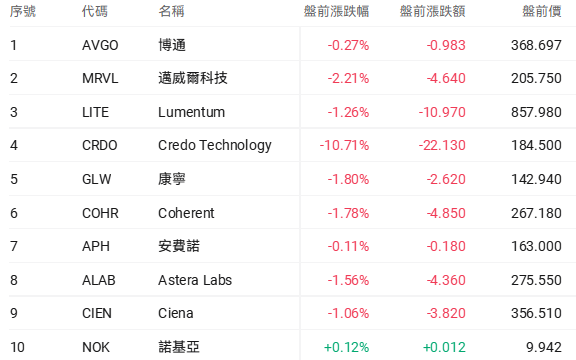
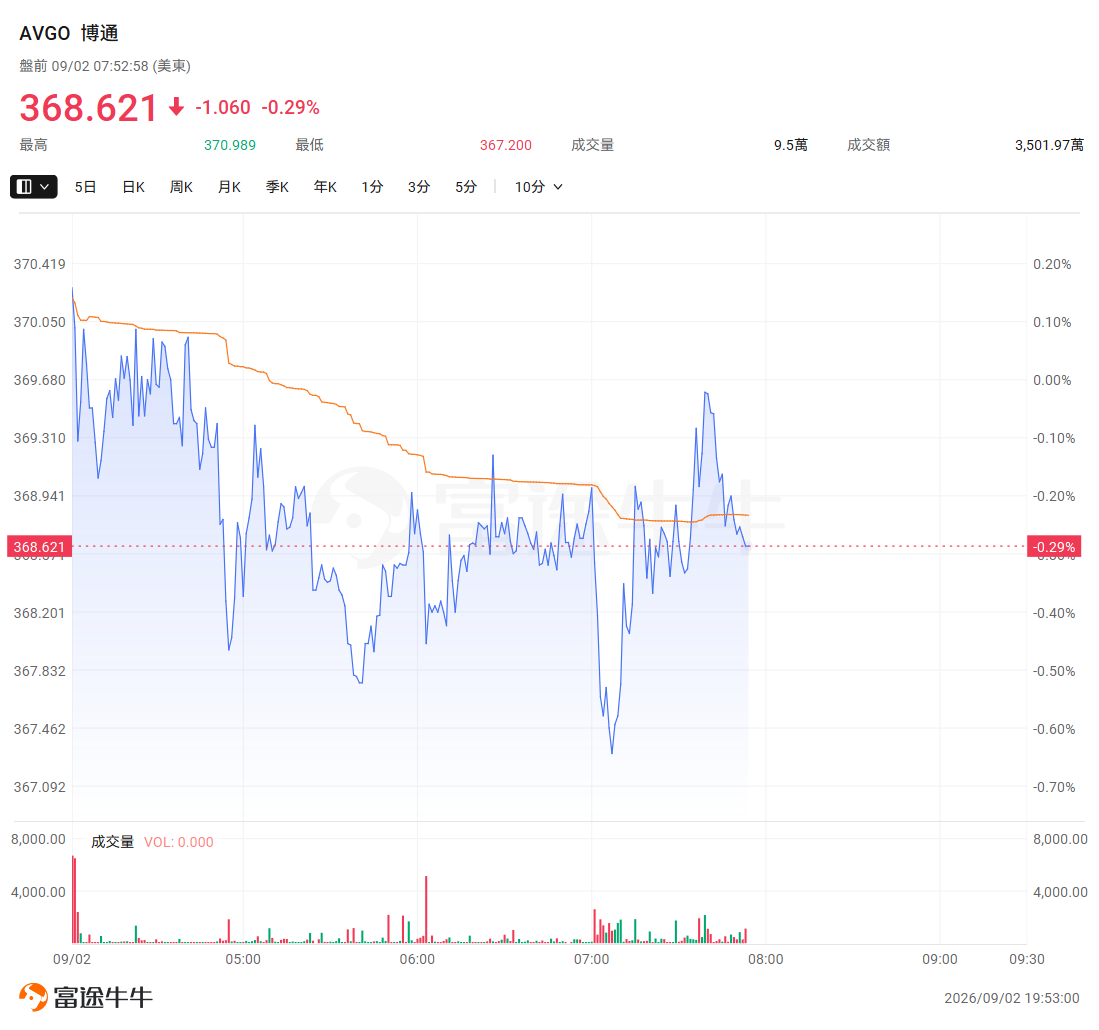
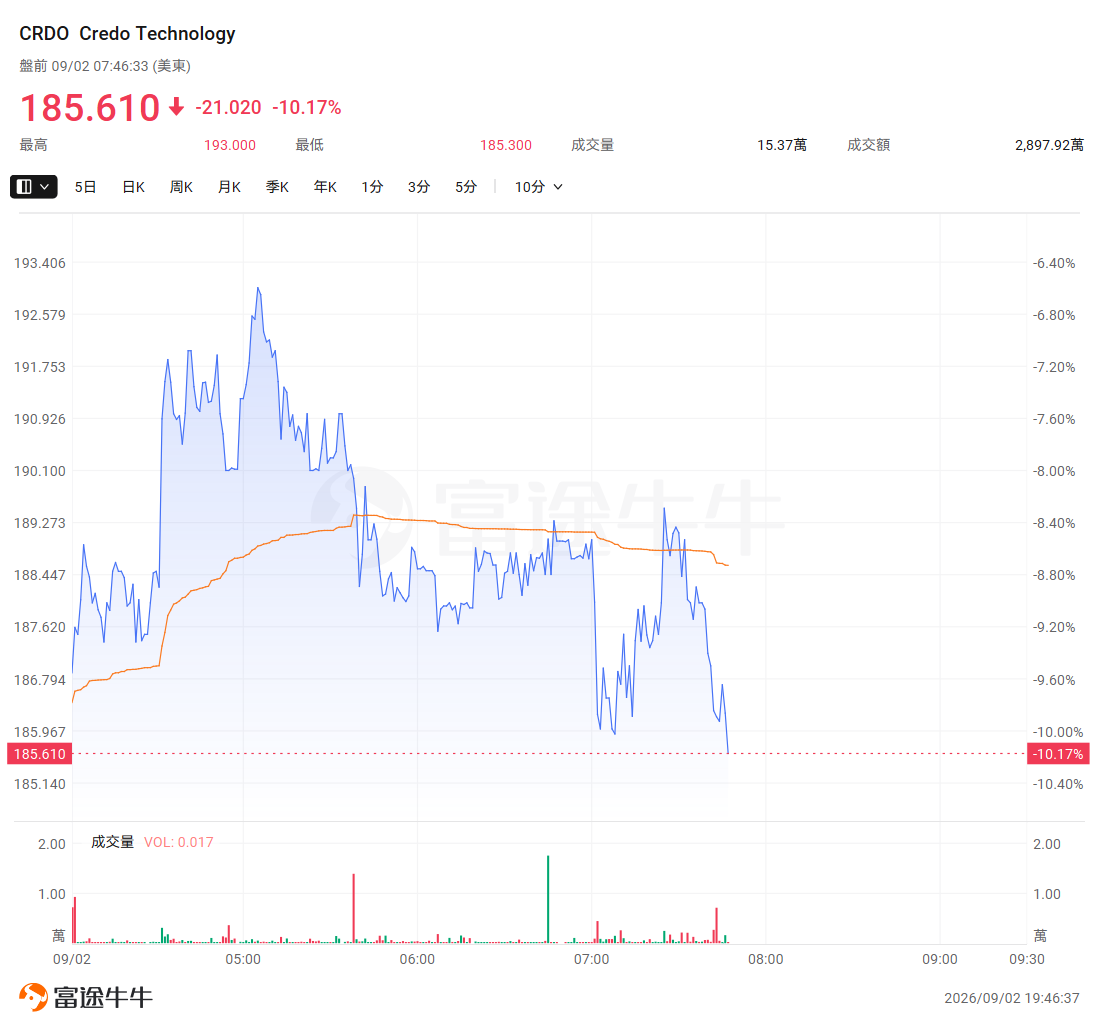
$Optical Communications (LIST23979.US)$Continuing to face pressure, Credo Technology fell more than 10% after earnings, while Broadcom declined 0.27%. Broadcom is scheduled to report its results after today's market close.
Individual Stock News
Abel: AI Data Centers Present Significant Opportunity for Berkshire Hathaway Energy
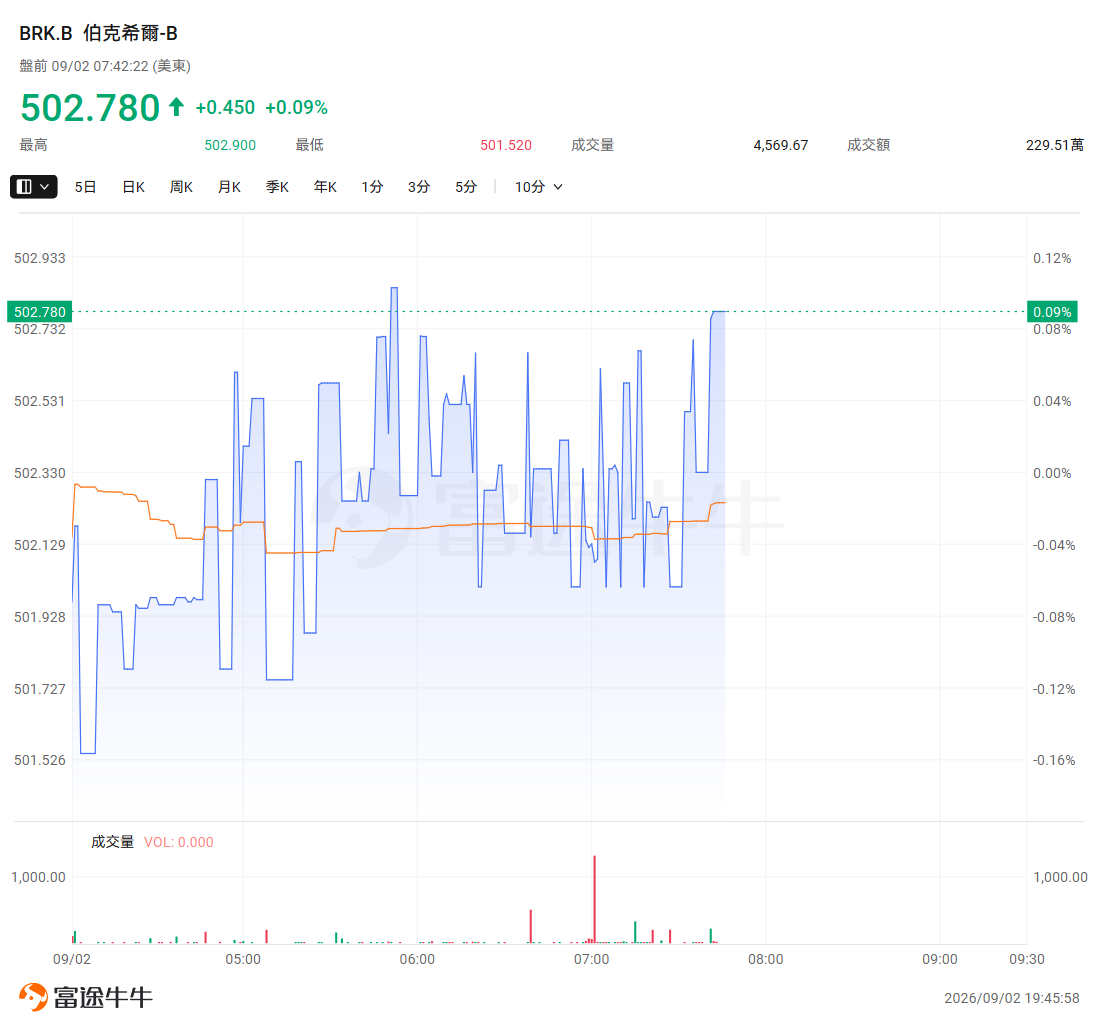
$Berkshire Hathaway-B (BRK.B.US)$ Greg Abel, CEO of Berkshire Hathaway, stated that artificial intelligence (AI) data centers represent a significant opportunity for the company's energy business, expressing readiness to meet the power demands of hyperscale corporate data centers. Furthermore, Berkshire Hathaway's substantial investment in Alphabet, Google's parent company, has been driven by the latter's competitive advantages in AI. In an interview with CNBC on Wednesday, Abel discussed the conglomerate's major stake in Alphabet, describing the tech giant as a "key player" in the AI sector. He noted that Berkshire can clearly observe how AI is impacting its portfolio companies, highlighting Google's strong position in this emerging technology field.
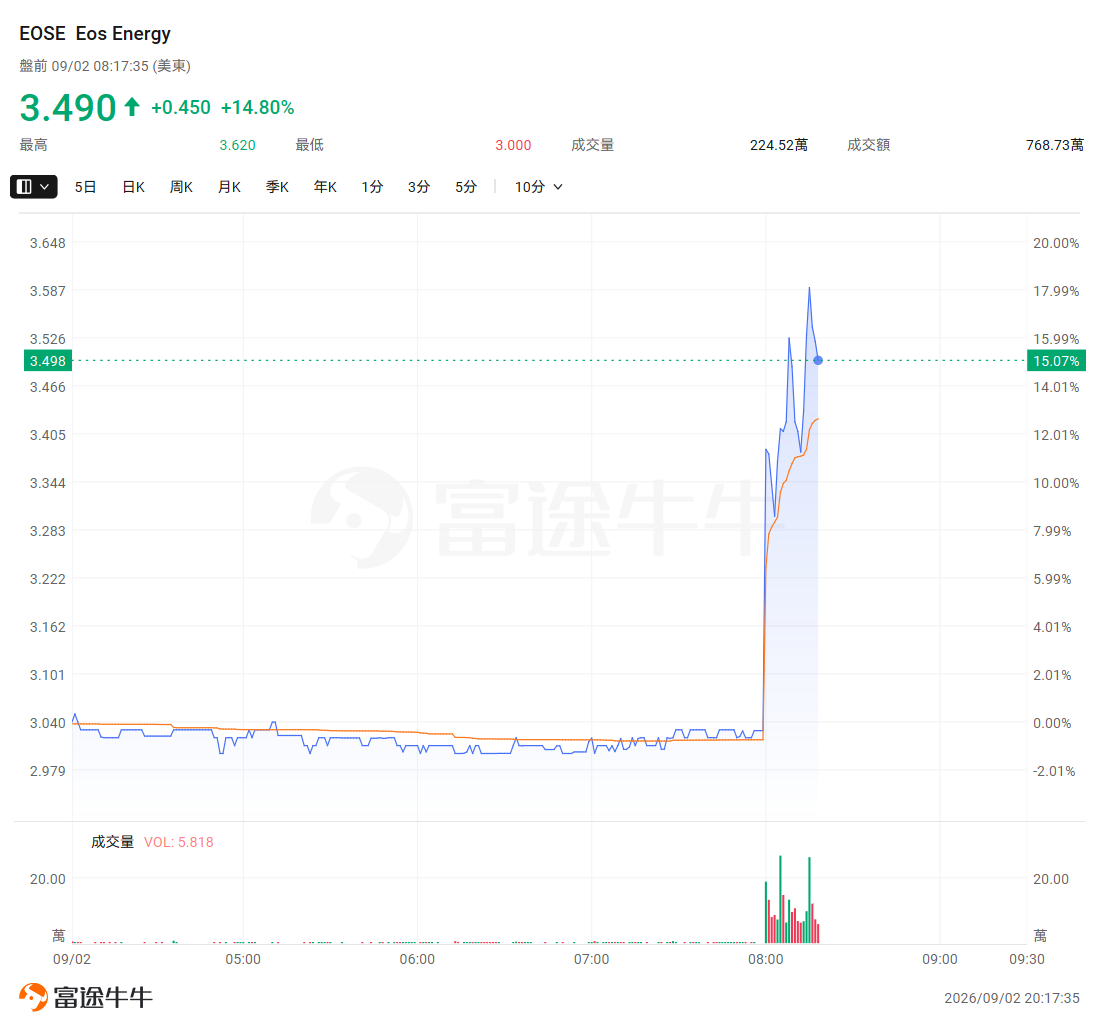
Eos Energy shares surged 17% in pre-market trading after announcing a partnership with Google and MN8 Energy to provide long-duration energy storage for data centers in West Virginia.
$Alphabet-C (GOOG.US)$ In partnership with MN8 Energy,$Eos Energy (EOSE.US)$the companies have reached an agreement to develop an integrated solar and energy storage project in West Virginia. The project will add dispatchable clean power to the PJM Interconnection grid and support Google’s planned local data centers. It includes 86 MW of solar photovoltaic capacity, 70 MW/280 MWh of lithium-ion battery storage, and a 10 MW/100 MWh Eos Z3 zinc-based long-duration energy storage system. The latter offers 10 hours of continuous discharge and represents West Virginia’s first commercial-scale long-duration energy storage project. Google will purchase the electricity, capacity, and renewable energy attributes generated by the facility. The solar component is expected to commence operations in 2028, while the lithium-ion and zinc-based storage systems are scheduled for commissioning in 2029 and 2030, respectively. Total capital expenditure for the project is estimated at up to $350 million.
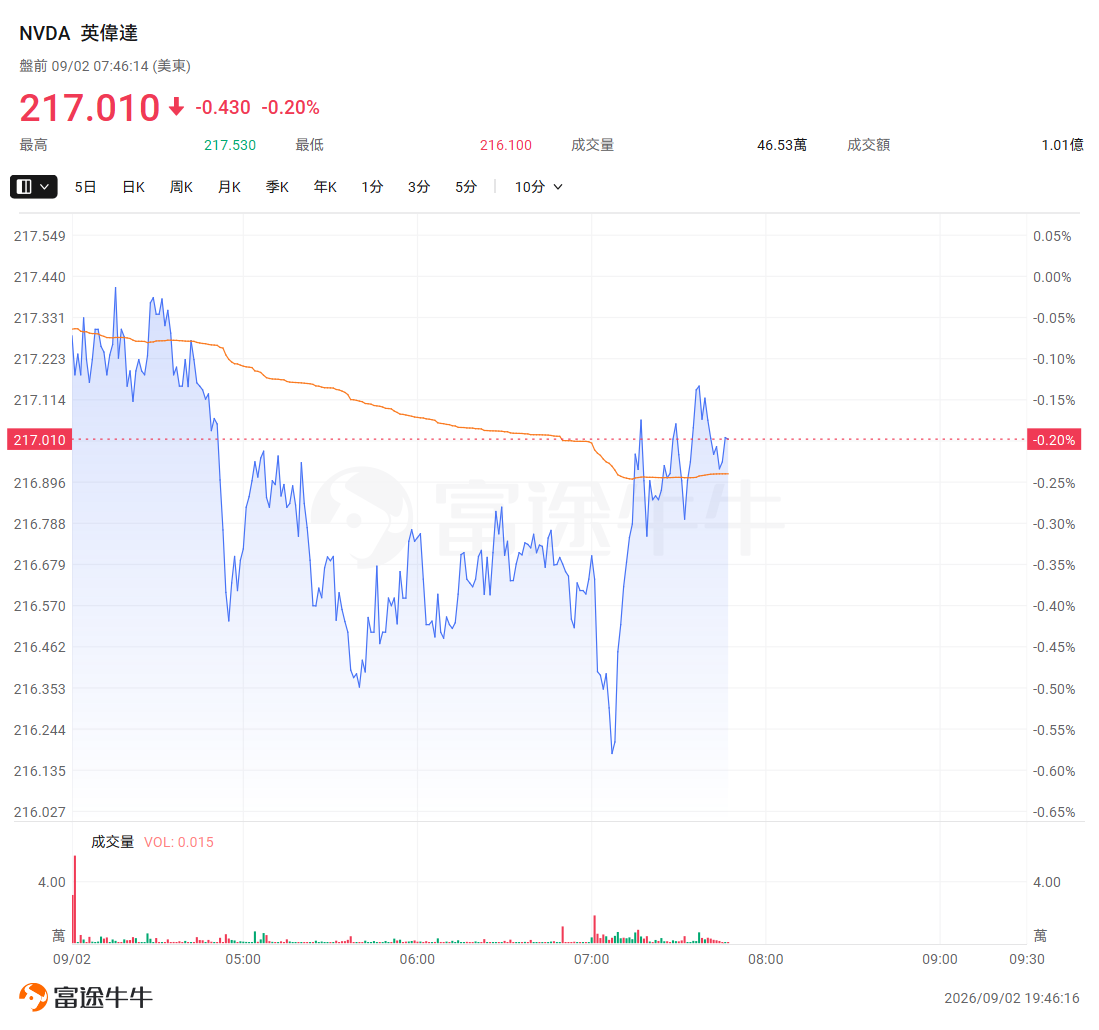
NVIDIA Investor Meeting: Business scale could double in FY28 if unconstrained by supply limitations
JPMorgan noted in its latest report that during a recent investor meeting, NVIDIA (NVDA.US) Toshiya Hari, Vice President of Investor Relations and Strategic Finance, stated that the company’s framework projecting 70% year-over-year growth for FY28 is not driven by a single customer or business segment, but rather by combined demand from hyperscale cloud providers, emerging cloud service providers, AI laboratories, sovereign AI initiatives, and enterprise and on-premise deployments. A key reason management provided this multi-year growth outlook early is the significant gap between market consensus expectations and internal assessments. If this expectation gap persists, it could impact capacity planning among supply chain partners. Notably, Hari explicitly stated that NVIDIA’s business growth rate could have exceeded 100% were it not for supply constraints.
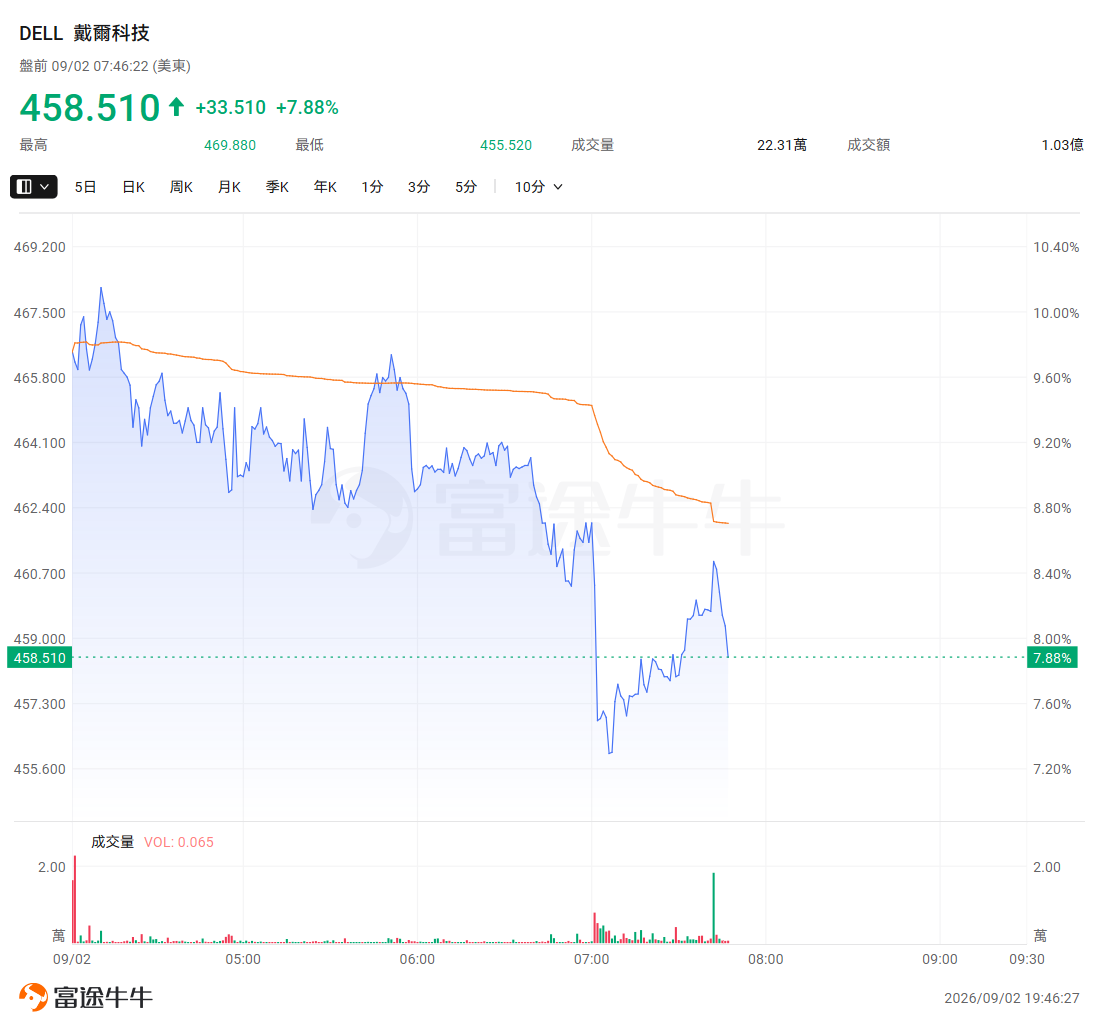
Dell’s Growth Logic Shifts! Goldman Sachs: AI-Driven Enterprise Hardware Refreshes and Unexpected Surge in Traditional Server Demand
The dual drivers of AI demand and a wave of enterprise IT hardware replacements are reshaping Dell’s growth trajectory. $Dell Technologies (DELL.US)$ Performance for the second quarter of fiscal year 2027 (F2Q27) comprehensively exceeded expectations. The company’s Non-GAAP earnings per share reached $7.04, significantly surpassing Goldman Sachs’ estimate of $4.96. Goldman Sachs pointed out that the better-than-expected margins were primarily driven by three factors: economies of scale diluting fixed costs, optimization of product mix (with increased proportions of proprietary IP storage products and high-end commercial PCs), and stringent operational controls. Goldman Sachs commented that the sustained demand for enterprise IT hardware refreshes, combined with increased investment in AI-related infrastructure, provides Dell with differentiated long-term growth support. The firm believes that Dell’s capabilities in AI server deployment scale and delivery complexity help it maintain and strengthen its competitive advantage in the AI server market.
Anthropic Aims to Challenge SpaceX IPO Record, with Gross Margin Key to Supporting Compute Capacity Commitments
For Anthropic to surpass $SpaceX (SPCX.US)$ the IPO record, its offering valuation would need to exceed $1.8 trillion, with fundraising exceeding $86 billion including the green shoe option. The company's second-quarter revenue increased from $4.73 billion in the first quarter to over $11.5 billion, with its annualized revenue run rate surpassing $65 billion in July and recording positive adjusted operating profit. Growth was primarily driven by demand for Claude Code and enterprise-grade APIs, with enterprise customers contributing approximately 80% of revenue. However, Anthropic has separately signed computing power agreements totaling approximately $80 billion with Lambda, $Hut 8 (HUT.US)$ and Nscale. Harrison Rolfes, a senior analyst at PitchBook, estimates its gross margin at approximately 44%, suggesting it needs to rise to nearly $Microsoft (MSFT.US)$ the 70% level to sustainably cover compute commitments extending beyond 2030; details regarding cash flow, customer concentration, and contract durations remain to be disclosed in the S-1 filing.
Broadcom reports earnings tonight; AI chip revenue and partnership with Google take center stage
$Broadcom (AVGO.US)$ will announce its third fiscal quarter results after the U.S. market close on Wednesday. The market expects revenue of approximately $29.4 billion, a year-on-year increase of over 84%; earnings per share are projected at around $3.24, up approximately 92% year-on-year. Key focus areas include custom ASIC and AI networking revenue, the stability of its TPU collaboration with $Alphabet-C (GOOG.US)$ Google, and whether the company can further clarify the path to achieving over $100 billion in AI chip revenue by fiscal 2027. JPMorgan analyst Harlan Sur believes market concerns about Broadcom's competitive position and Google bringing in other chip partners are exaggerated.
Credo Q1 Conference Call: AEC remains the core business, while optical operations are becoming the new primary growth engine
Optical interconnect giant $Credo Technology (CRDO.US)$ announced its latest financial results after the U.S. market close on Tuesday. The financial report showed that in the first quarter of fiscal 2027, ending August 1, 2026, the company's revenue rose 114.7% year-on-year to $479 million, exceeding the average analyst expectation of $472 million. Remarks by Credo's management during the earnings conference call indicated that AI infrastructure is still in a period of rapid expansion. Credo is upgrading from a high-speed interconnect supplier centered on AEC to a 'system-level connectivity platform' covering copper interconnects, optical DSPs, silicon photonics, complete optical transceivers, and next-generation NPO/scale-up connectivity solutions, with optical operations set to become the most important growth engine in the future.
SK Hynix and Kioxia to join forces? Chey Tae-won: Joint production is "an option," with discussions also underway on building a plant in Japan
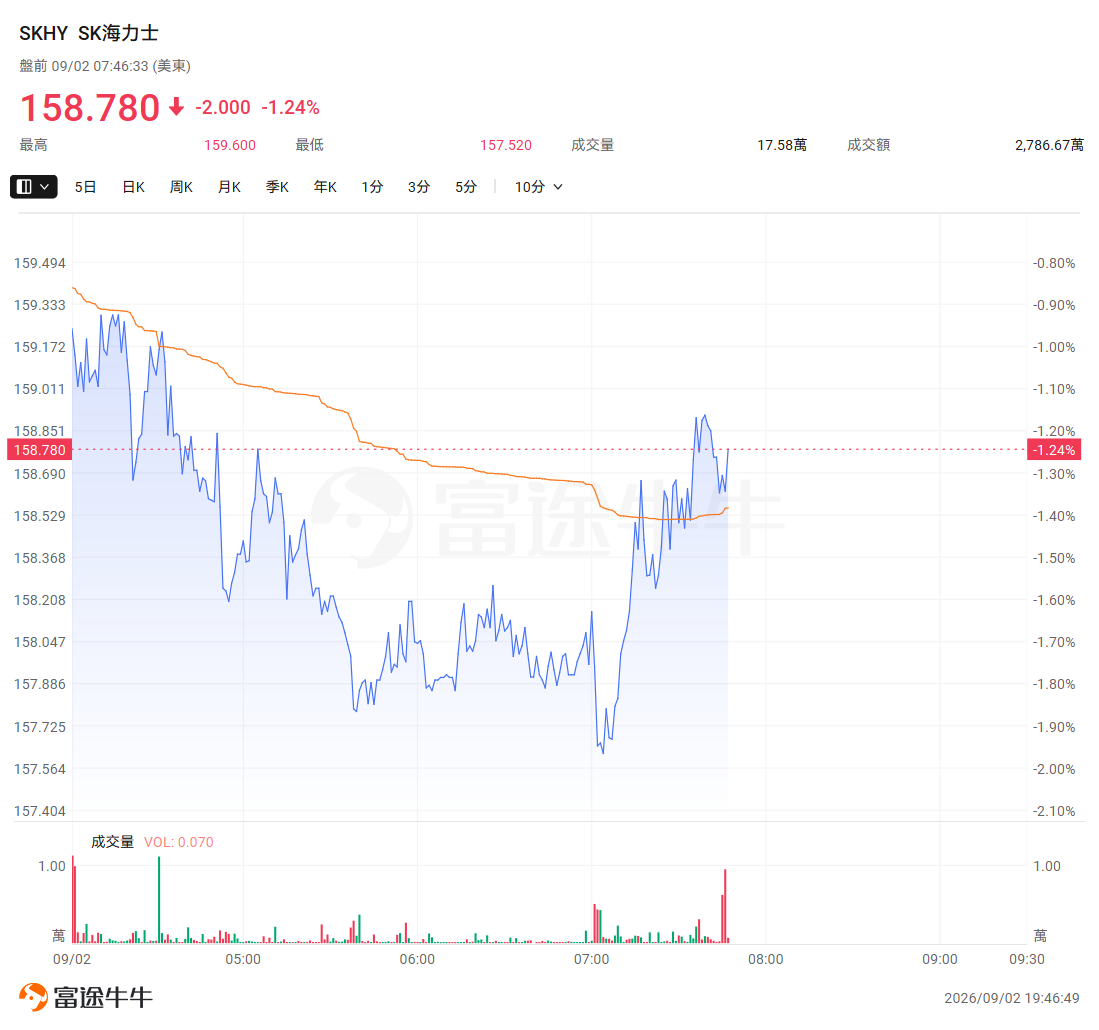
SK Group Chairman Chey Tae-won recently stated that they are considering $SK Hynix (SKHY.US)$ In joint production with Japanese semiconductor giant $Kioxia (285A.JP)$ Chey Tae-won described the collaboration as "an option." He also revealed that SK Group is considering building a factory in Japan. In an interview with the media on September 2, Chey stated that Kioxia is a "strong enterprise" and expressed willingness to cooperate in areas such as joint production, research and development (R&D), and supply chain sharing. SK Hynix currently competes with Kioxia in NAND flash memory production, but it also indirectly holds shares in Kioxia. Kioxia was formerly the semiconductor division of Toshiba. In August this year, the largest shareholder of Kioxia changed from Toshiba to a special purpose company (SPC) managed by a U.S. investment fund, and SK Hynix holds convertible bonds issued by this SPC.
Chevron ramps up investment in Venezuela: $7 billion over five years to double daily output to 600,000 barrels
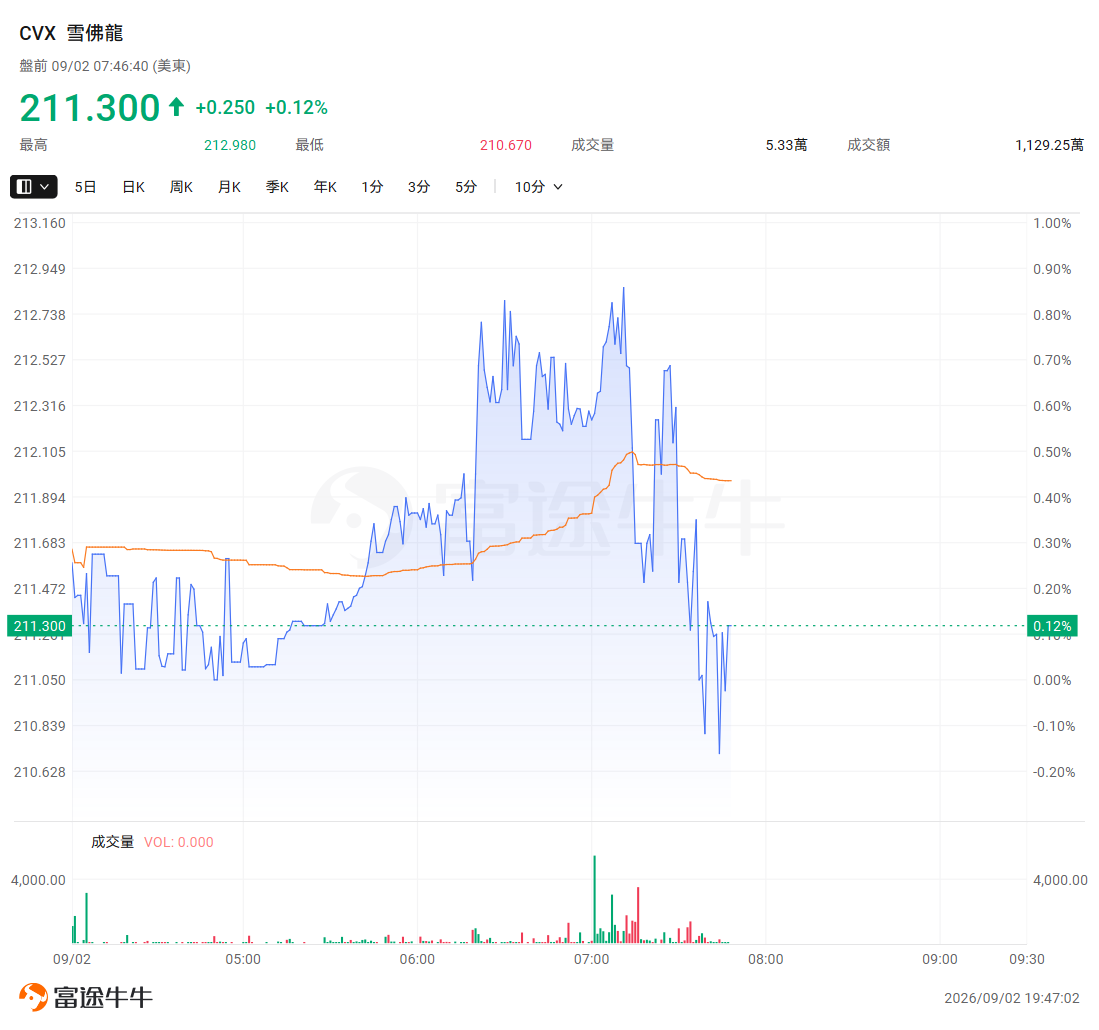
$Chevron (CVX.US)$ Planning to invest $7 billion in Venezuela, with the aim of doubling local daily output to 600,000 barrels by 2031, at an extraction cost of less than $20 per barrel. This marks the return of international oil majors to Venezuela after many years, addressing the previous shortfall characterized by small-company dominance and a lack of capital. However, even if production expansion is implemented, a significant gap remains compared to the country's historical peak of 3.5 million barrels per day. Chevron views this as a strategic pivot point and states that investment protection mechanisms have been established.
Global Macro
U.S. Secretary of Commerce: Semiconductor tariffs imminent
Secretary of Commerce Howard Lutnick told CNBC that the Trump administration is developing a tariff framework for chips, and all companies are aware that these tariffs are forthcoming. Lutnick said, "I think what you will see is a targeted and well-considered tariff policy, based on the fundamental principle: if you build factories here, you won't pay taxes; but if you don't build here, be prepared to pay the price for accessing the world's largest market." The imposition of tariffs on semiconductors has been under consideration for some time, but the government has not publicly discussed the specific proposals being considered. He stated, "We will succeed in the semiconductor sector. Semiconductors will be produced in the United States."
Wall's Jackson Hole speech passes initial test; September rate hike becomes a credibility trial
Federal Reserve Chair Wall reiterated the 2% inflation target at the Jackson Hole Annual Symposium, stating that policy rates would be used to control prices if necessary. This pushed the market's pricing for a September rate hike from about one-third to two-thirds. Barclays, Société Générale, and Deutsche Bank all expect the Fed to raise rates in September and December. Reuters columnist Jamie McGeever pointed out that the speech alleviated market doubts about Wall's anti-inflation stance, but the true test is whether policy actions align with statements. Three officials already supported a rate hike at the July meeting, and minutes showed that several officials believed further policy tightening would be needed in the future. Unless non-farm payrolls this week and CPI/PPI next week show significant weakening, resistance to a September rate hike is relatively limited. If the market continues to strengthen rate hike expectations while the Fed ultimately holds steady, the policy credibility that Wall has just repaired may be damaged again.
S&P 500 enters September at highs; market risks shift to interest rates and earnings breadth
Oppenheimer research shows that since 1950, when $S&P 500 Index (.SPX.US)$ the index enters September above its 200-day moving average, it rises by an average of 0.2% for the month; if it falls below this average at the beginning of the month, the average decline reaches 3%. Currently, the index remains about 8% above its 200-day moving average and only about 1.4% below its historical closing high, with no significant technical breakdown observed. Therefore, judging a market downturn solely based on the notion that "September is typically the weakest" is insufficient. More noteworthy at present are the potential underpricing of risk following the VIX dropping below 15, the 10-year U.S. Treasury yield returning above 4.7%, and the probability of a Fed rate hike in September slightly exceeding 50%. As the earnings season concludes, market drivers will shift from corporate performance to inflation, interest rates, and geopolitical developments. Whether the fourth-quarter rally can continue depends on whether earnings growth can broaden from a few leading companies like NVIDIA and Micron to more S&P 500 constituents.

JPMorgan's Peters: U.S. Treasury yields rising to 5% could trigger a pullback in U.S. stocks
Grace Peters, Global Head of Investment Strategy at JPMorgan Private Bank, stated that $US 10-Year Treasury Yield (US10Y.BD)$ a rise to 5%-5.25% could trigger short-term negative reactions in the stock market. As the catalyst from the Q2 earnings season fades, combined with seasonal weakness in September and the approaching U.S. midterm elections in November, global equities may undergo a 5%-8% correction. However, she views this as a healthy pullback rather than a trend reversal. Peters expects that the earnings growth rates of approximately 30% in the U.S. and 15% in Europe during Q2 are unsustainable. Nevertheless, sectors such as financials, industrials, and utilities are contributing jointly to growth, indicating that the market rally is not entirely dependent on technology stocks. JPMorgan continues to view the AI capital expenditure supercycle as the medium-term driver of earnings, but the ultimate test lies in whether companies can demonstrate that massive AI investments yield sustained returns on capital. Insufficient power and storage supply may also limit industry expansion.
Bank of Japan hawk Takada hints at unconventional rate hikes; yen rises above the 160 level
Bank of Japan Policy Board Member Hajime Takada indicated that future rate hikes need not be fixed at 25 basis points, leaving open the possibility of 50 or 75 basis point increases, as well as consecutive hikes at back-to-back meetings. Policy adjustments will remain flexible based on economic and inflation developments. At the July meeting, Takada advocated raising the policy rate from 1% to 1.25%, being the only board member to support a hike at that time. He believes Japan has largely achieved its 2% price stability target, and that yen weakness and tensions in the Middle East could further push up import costs and inflation. Following his remarks, the yen strengthened to approximately 159.80 per U.S. dollar. JPMorgan strategist Ikue Saito noted that Takada is among the most hawkish members within the central bank; while his comments should be interpreted cautiously, they reflect an overall shift toward a more hawkish stance. The bank expects the Bank of Japan to raise rates by 25 basis points in September and again in December.
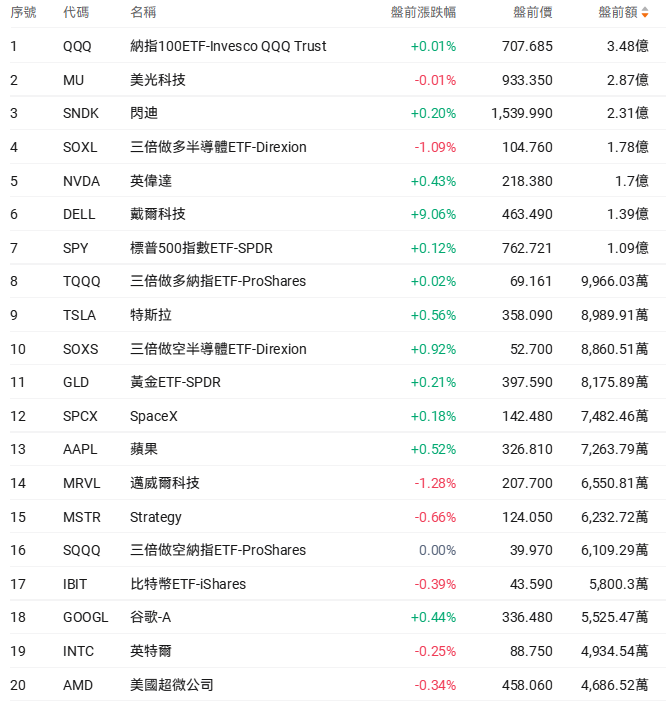
Top 20 U.S. Stocks by Premarket Trading Volume
U.S. Equity Market Macro Calendar Reminder
(All times listed below are in Beijing Time)
22:00 U.S. Factory Orders MoM for July
22:30 U.S. EIA Crude Oil Inventories for the week ending August 28 (10k barrels)
22:30 U.S. EIA Strategic Petroleum Reserve Inventories for the week ending August 28 (10k barrels)
After-Hours Earnings
$Broadcom (AVGO.US)$ 、 $HPE Inc. (HPE.US)$ 、 Snowflake (SNOW.US) 、 $C3.ai (AI.US)$ 、 $NetApp (NTAP.US)$
 Looking to select stocks or analyze your holdings? Want to understand the opportunities and risks in your portfolio? For any investment-related questions,just ask Futubull AI!

Editor / Rocky