Market Snapshot
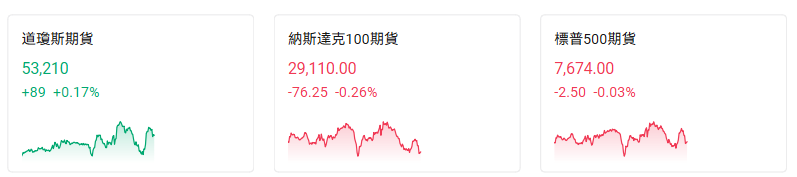
In pre-market trading on Thursday, stock index futures fluctuated as the market remained focused on tomorrow's non-farm payrolls data. As of press time, Dow Jones futures rose 0.17%, Nasdaq 100 futures fell 0.26%, and S&P 500 futures declined 0.03%.
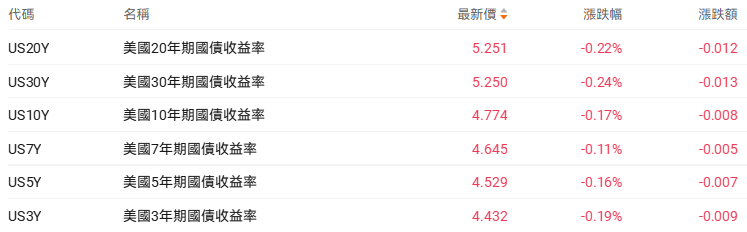
U.S. Treasury yields retreated.
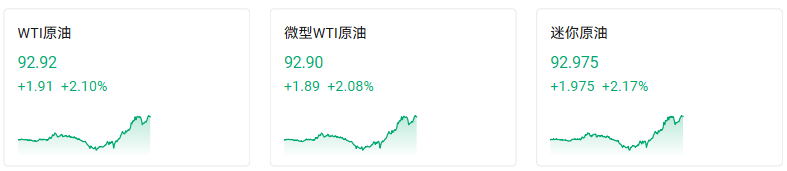
Oil prices rose by more than 2%.
 Precious metals such as gold and silver edged higher.
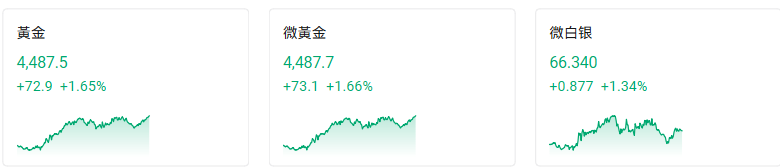
Cryptocurrencies including Bitcoin and Ethereum followed with modest gains.
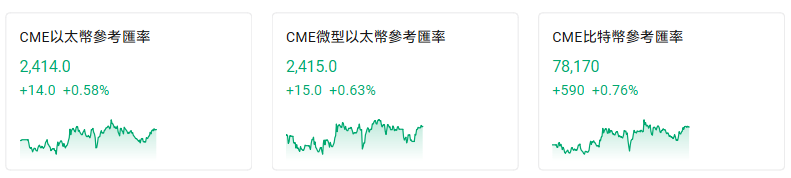
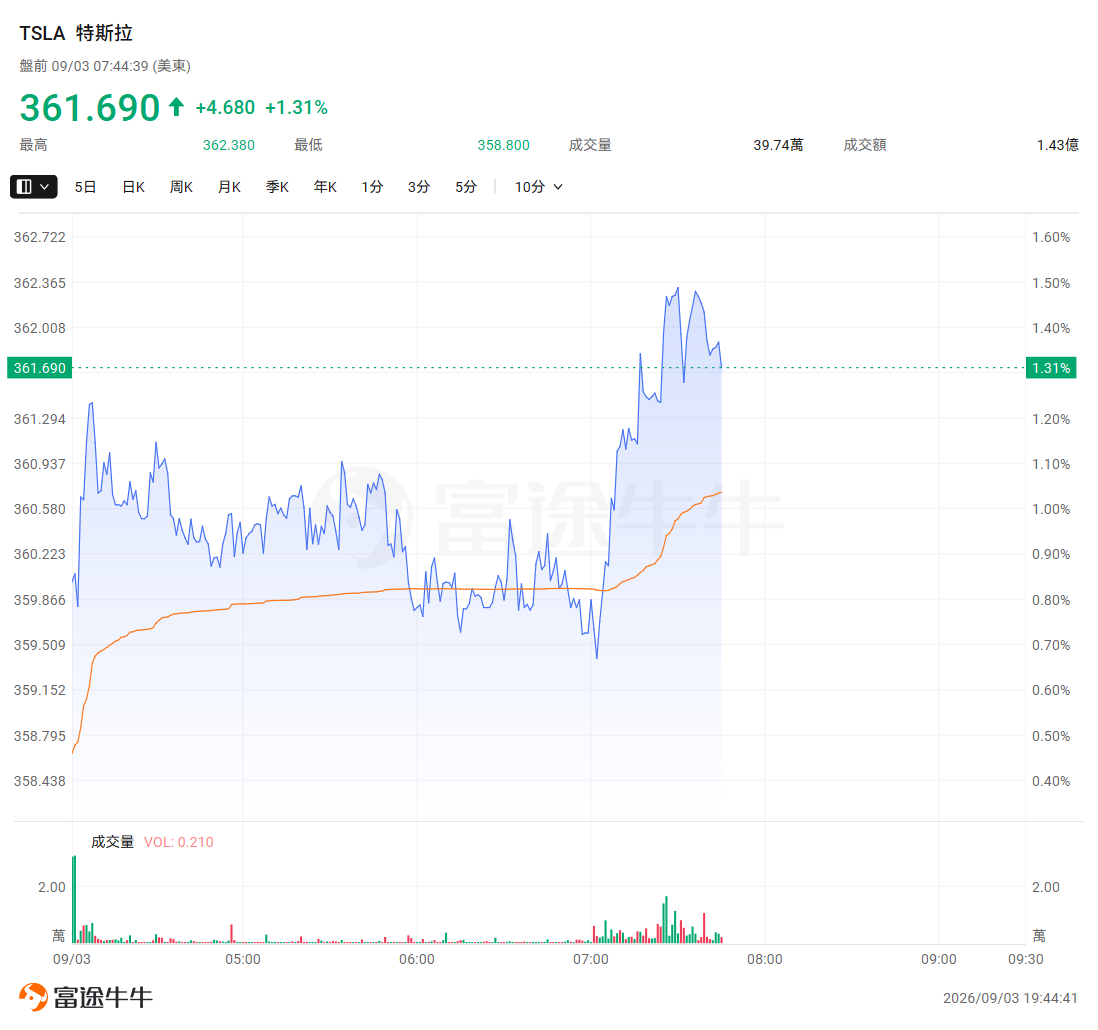
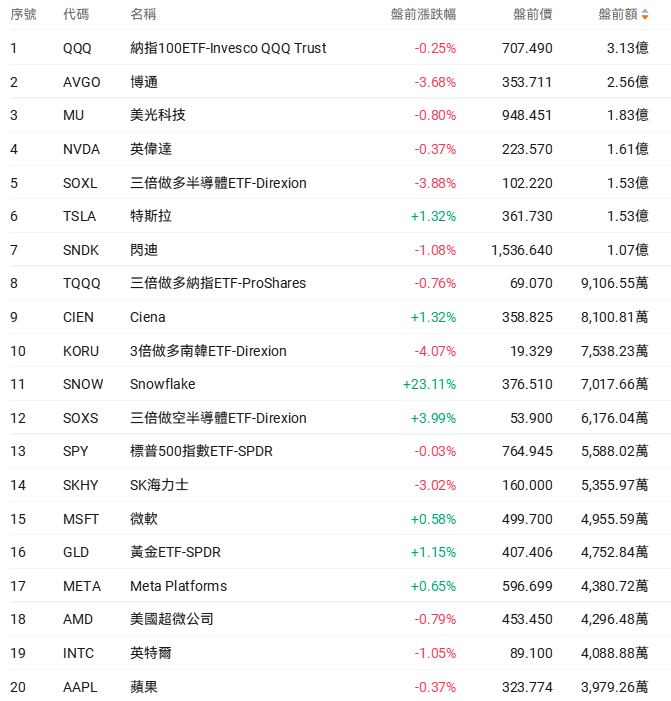
$Star Tech Stocks (LIST2518.US)$Mixed performance: Broadcom fell over 3% following its earnings report, while Tesla rose more than 1% ahead of the upcoming launch of its Cybercab.
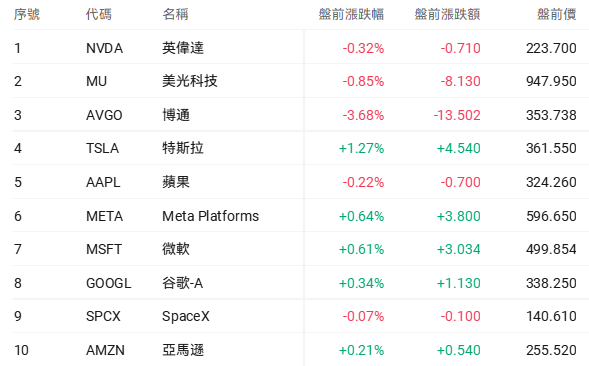
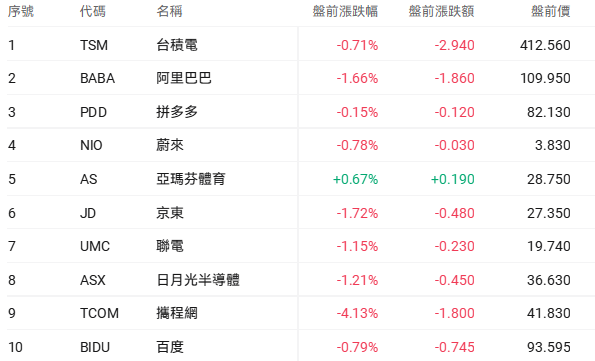
$Popular Chinese ADRs (LIST2517.US)$Most stocks declined in pre-market trading, with Alibaba dropping over 1%.
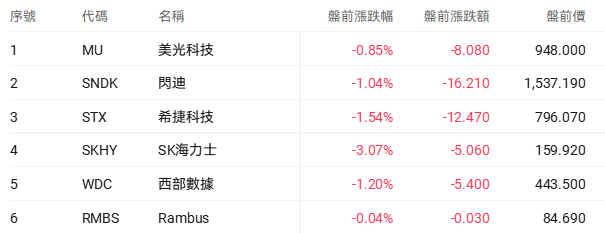
$Storage Concept (LIST23925.US)$ After a pullback, SK Hynix fell more than 3%.
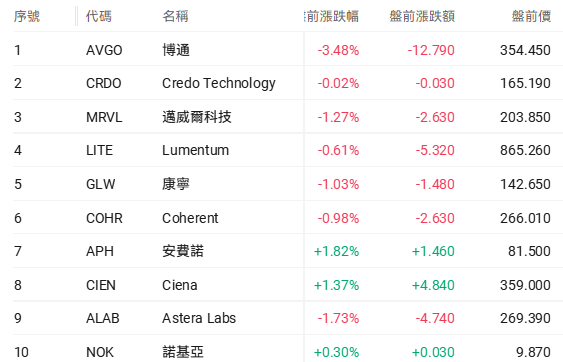
$Optical Communications (LIST23979.US)$The majority of stocks declined, with Marvell Technology down more than 1%.
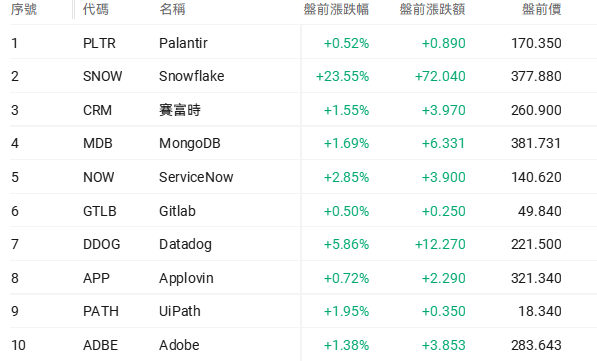
$AI Application Software Stocks (LIST23492.US)$ Pre-market strength was seen as Snowflake surged over 23% following its earnings release.
Individual Stock News
Microsoft is restructuring its financial reporting for the first time in over a decade, with Azure to disclose quarterly revenue.
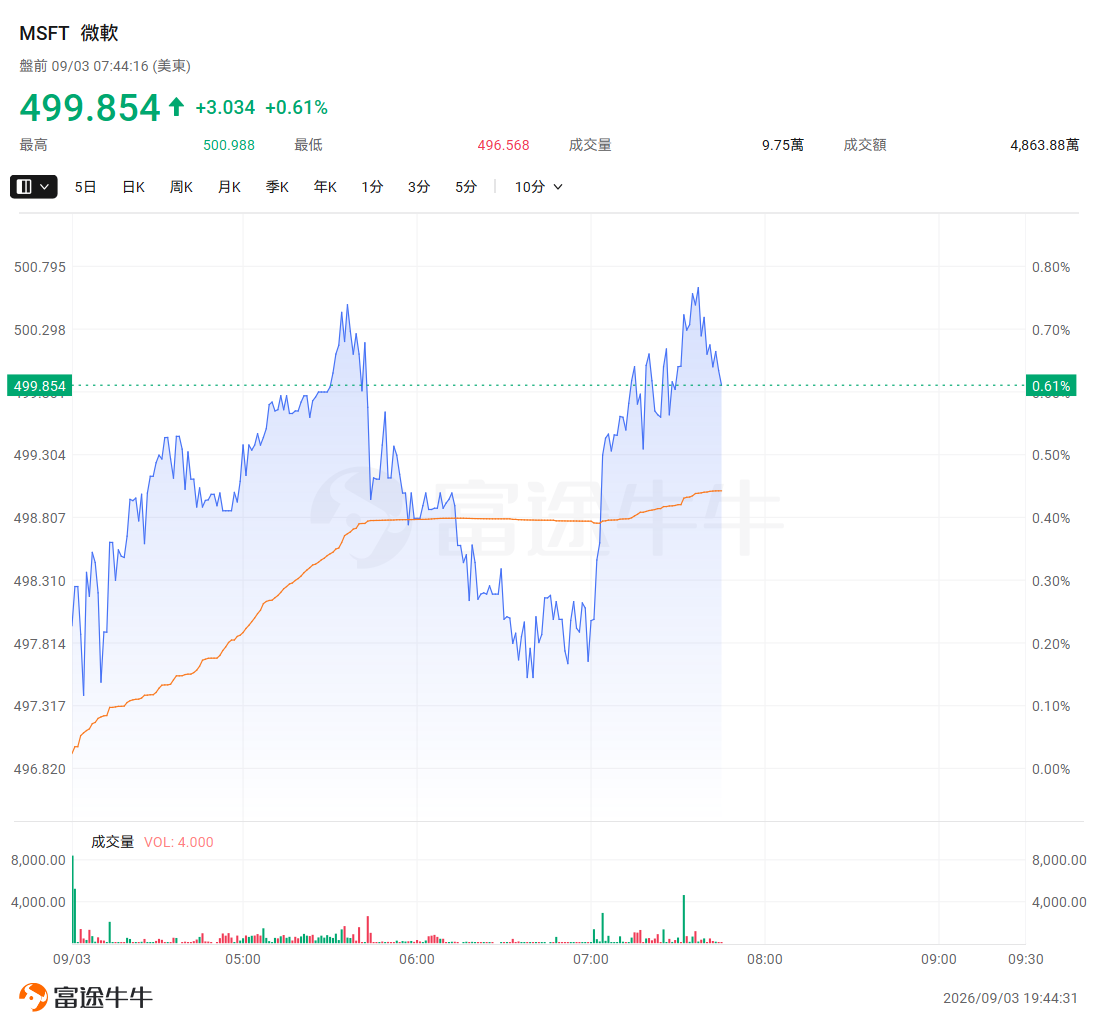
$Microsoft (MSFT.US)$ The company announced that it will reduce its operating segments from three to two starting this quarter, marking the most significant change to its financial reporting structure since 2015. Businesses including Azure, Microsoft 365, and server licensing will be consolidated into "Agent & Infrastructure," while Windows, Xbox, search advertising, and device operations will fall under "Devices & Consumer." The company will also begin consistently disclosing Azure's quarterly revenue; revenue for the most recent fiscal quarter stood at $29.4 billion, with full-year revenue through June exceeding $100 billion, representing a year-on-year increase of approximately 33%.
Tesla Cybercab Launch Imminent; Scale and Regulatory Progress Take Center Stage
$Tesla (TSLA.US)$ The Cybercab launch event will be held in Austin, Texas, on Thursday local time, showcasing the two-seater autonomous taxi without a steering wheel or pedals. Tesla began producing the Cybercab in April and currently has 420 autonomous vehicles registered in Texas, including approximately 45 Cybercabs, a scale still below that of Waymo. Morgan Stanley analyst Andrew Percoco believes this event holds greater significance than a typical product launch, with the market focusing on mass production speed, driverless fleet deployment, and regulatory approval progress.
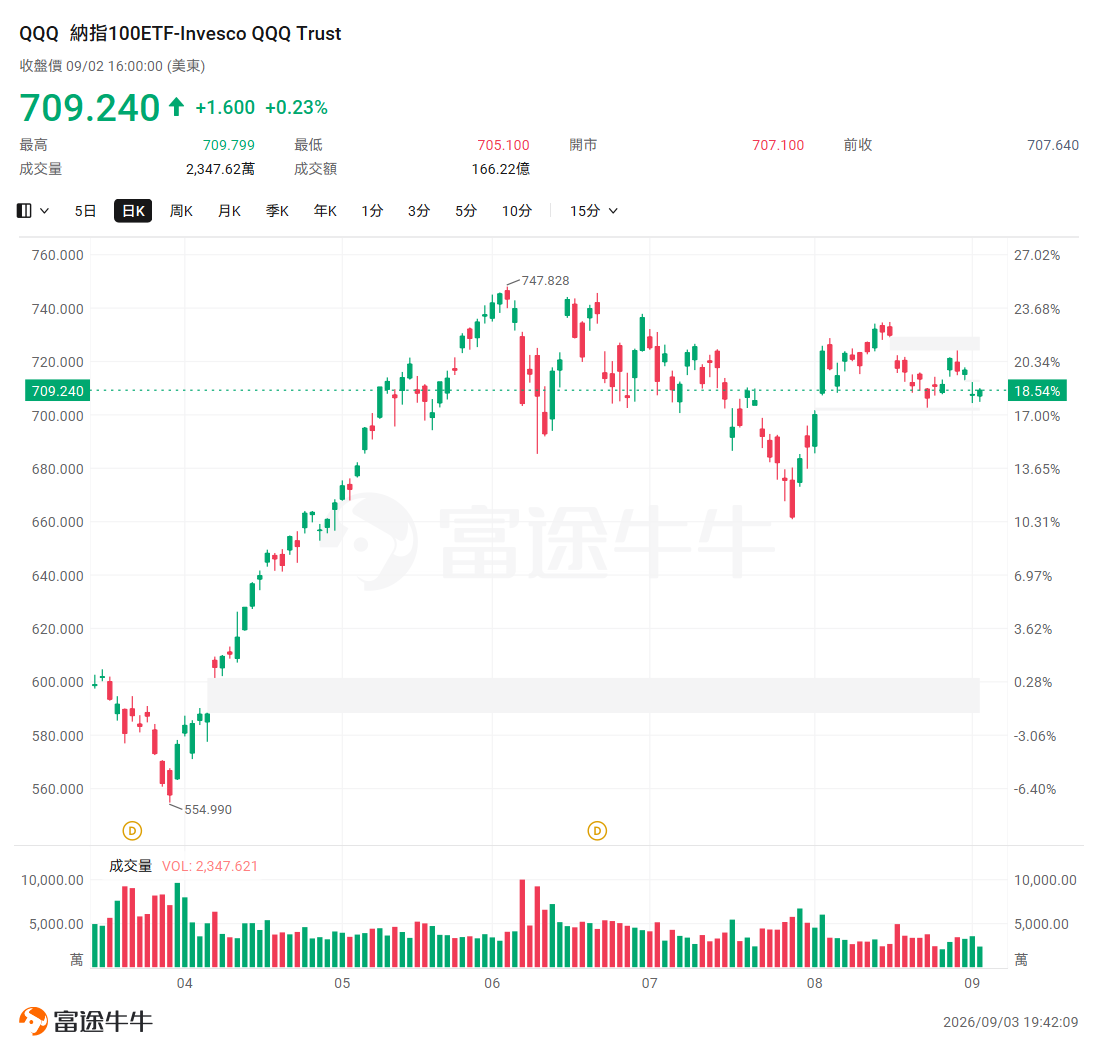
QQQ Monopoly Broken as BlackRock and State Street Compete for Nasdaq-100 Funds with Lower Fees
Invesco QQQ Trust (QQQ.US) Tracking $Nasdaq 100 Index (.NDX.US)$ , with concentrated holdings in companies such as NVIDIA, Apple, Microsoft, Amazon, and Tesla, has delivered a total return of approximately 550% over the past decade, significantly outperforming the S&P 500's 315%. Over the past 15 years, its performance has exceeded that of 99.8% of active fund managers. Although often viewed as a technology ETF, the Nasdaq-100 selects stocks based on listing location and market capitalization while excluding financial firms, meaning roughly half of its constituents are not technology companies.
Invesco's exclusive licensing agreement for the Nasdaq-100 Index, which lasted over two decades, ended in April. BlackRock and State Street promptly launched $iShares Nasdaq 100 ETF(IQQ.US)$ and $State Street SPDR Portfolio Nasdaq 100 ETF(QNDX.US)$ , both with expense ratios of 0.10%, lower than QQQ's 0.18% and $NASDAQ100指数ETF-Invesco(QQQM.US)$ of 0.15%. Short-term traders may continue to favor the more liquid QQQ, but long-term capital typically prioritizes fees, and competing products could gradually erode its market share. In particular, with SpaceX expected to be rapidly included in the Nasdaq-100 following its listing, new ETFs can simultaneously provide relevant exposure. Invesco, meanwhile, utilizes QQQM, covering reserve constituents, $INVESCO NASDAQ NEXT GEN 100 ETF (QQQJ.US)$ and smaller companies' $Invesco NASDAQ Future Gen 200 ETF (QQQS.US)$ to refine its product matrix, aiming to retain capital with diverse needs.
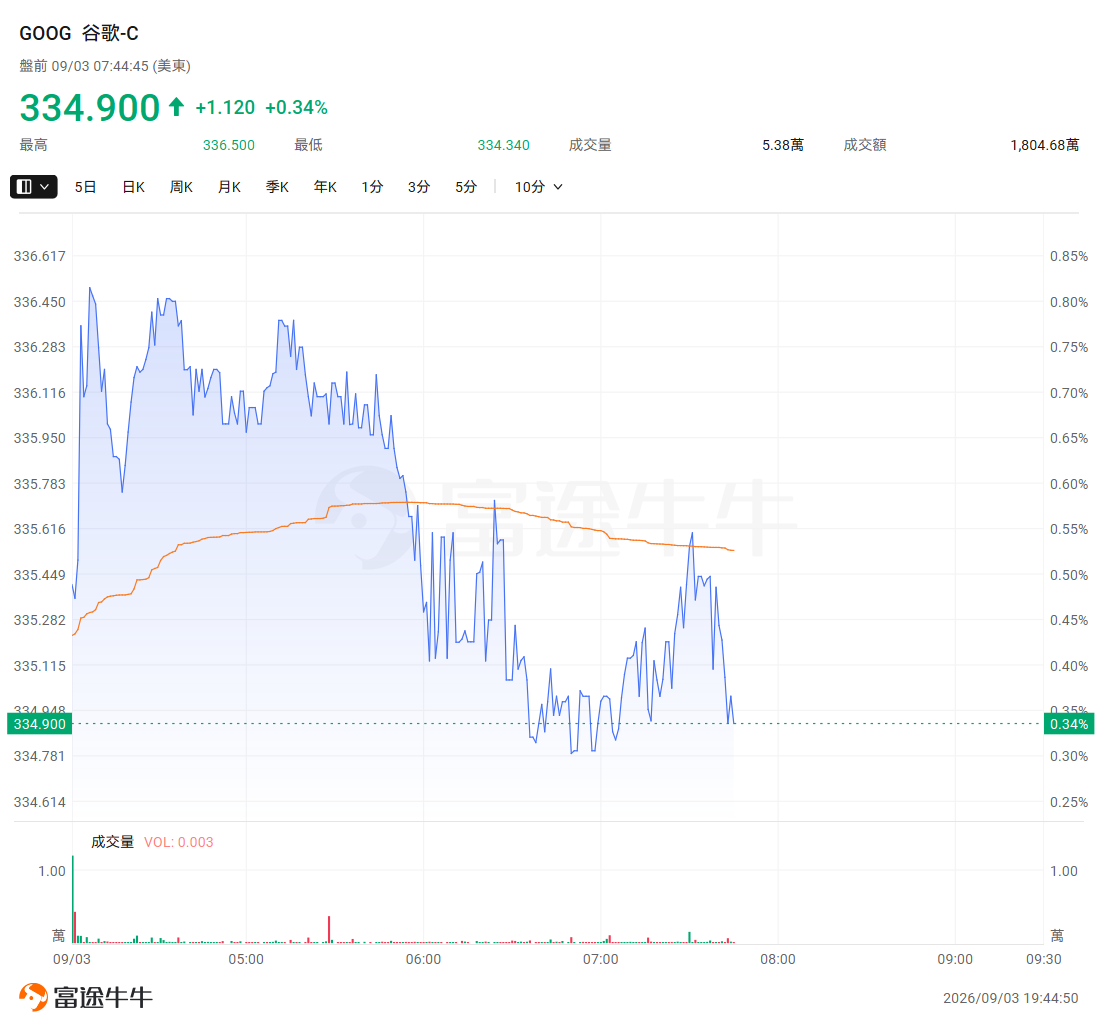
Google releases Gemini 3.8 Flash; ad tech case avoids business breakup
$Alphabet-C (GOOG.US)$ / $Google-A (GOOGL.US)$ released Gemini 3.8 Flash, the third Flash model launched within six weeks, primarily enhancing capabilities in coding, reasoning, and multi-step agent tasks, while simultaneously launching cybersecurity products for government and enterprise clients. On the same day, a U.S. federal judge rejected the Department of Justice's request to force Google to sell its ad exchange platform AdX, but ordered the company to adjust certain business practices. Berkshire Hathaway CEO Abel also expressed optimism about Google's position in the AI sector; Berkshire increased its holdings in Alphabet by approximately $17 billion in the second quarter, making it the group's third-largest holding.
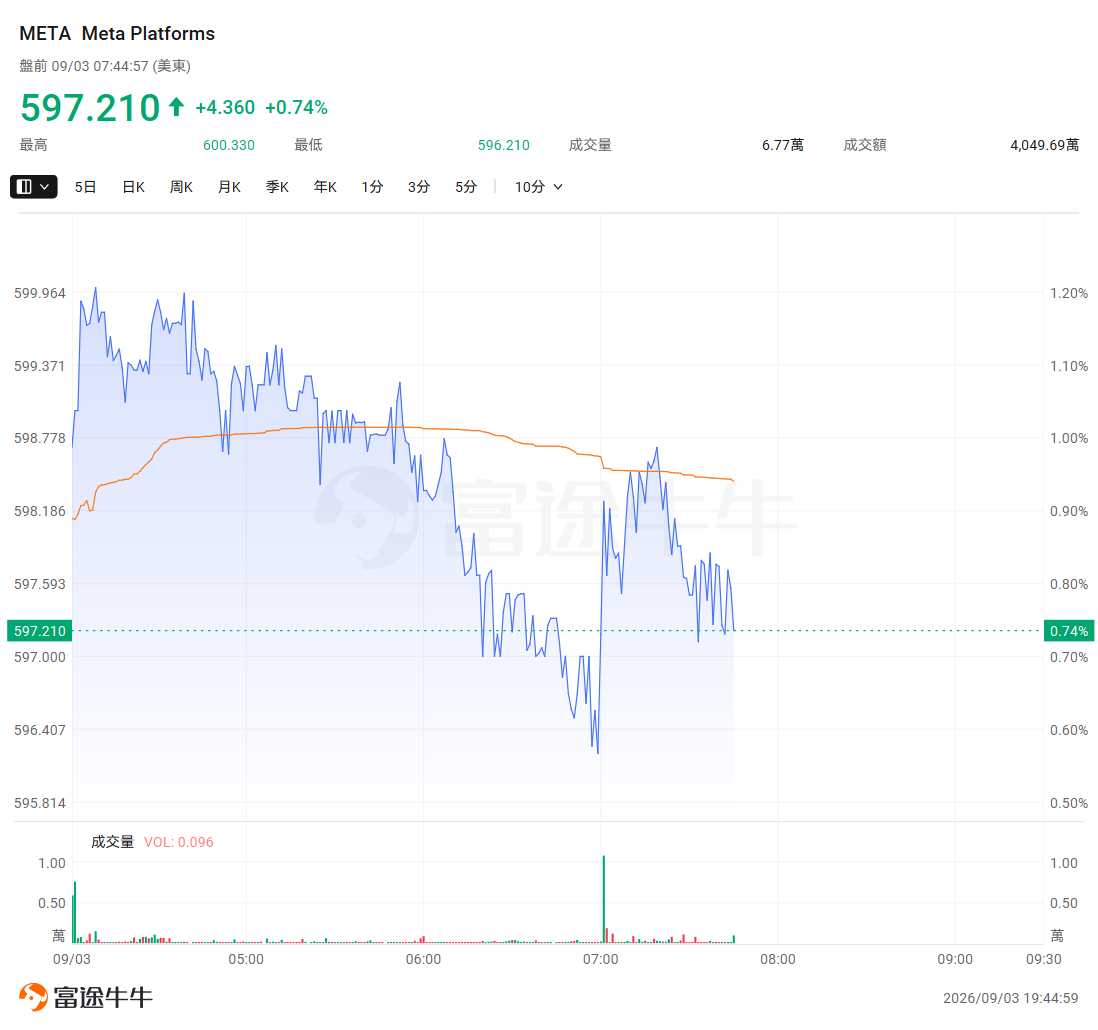
Meta releases Muse Spark 1.3, focusing on enhancing coding and agent capabilities
$Meta Platforms (META.US)$ launched Muse Spark 1.3, with Chief AI Officer Alexandr Wang stating that this represents the largest performance leap for any model to date. Developers can now access it via the Meta Model API for a fee, with future integration planned for Instagram, Facebook, and Meta AI. Meta's published tests show the new model scored 75.4 on DeepSWE v1.1; compared to the previous version, tool calls decreased by approximately 20%, token consumption dropped by about 25%, and capabilities in handling long contexts, multi-tasking, and complex instructions were strengthened.
Optical communications stock Ciena rose more than 5% in pre-market trading, as the company reported third-quarter revenue of $1.67 billion.
$Ciena(CIEN.US)$ The company announced its fiscal 2026 third-quarter financial results before the market open. Revenue for the third quarter of fiscal 2026 reached $1.67 billion, a 37% year-over-year increase. Adjusted earnings per share (EPS) for the quarter stood at $2.11, representing a 215% increase compared to the third quarter of fiscal 2025. The company projects fourth-quarter fiscal 2026 revenue to be $1.75 billion, with a variance of ±$50 million. It has raised its full-year fiscal 2026 revenue guidance to $6.42 billion, with a variance of ±$50 million, implying a 35% year-over-year growth at the midpoint.
Apple's new CEO teases an "extraordinary" iPhone event next week
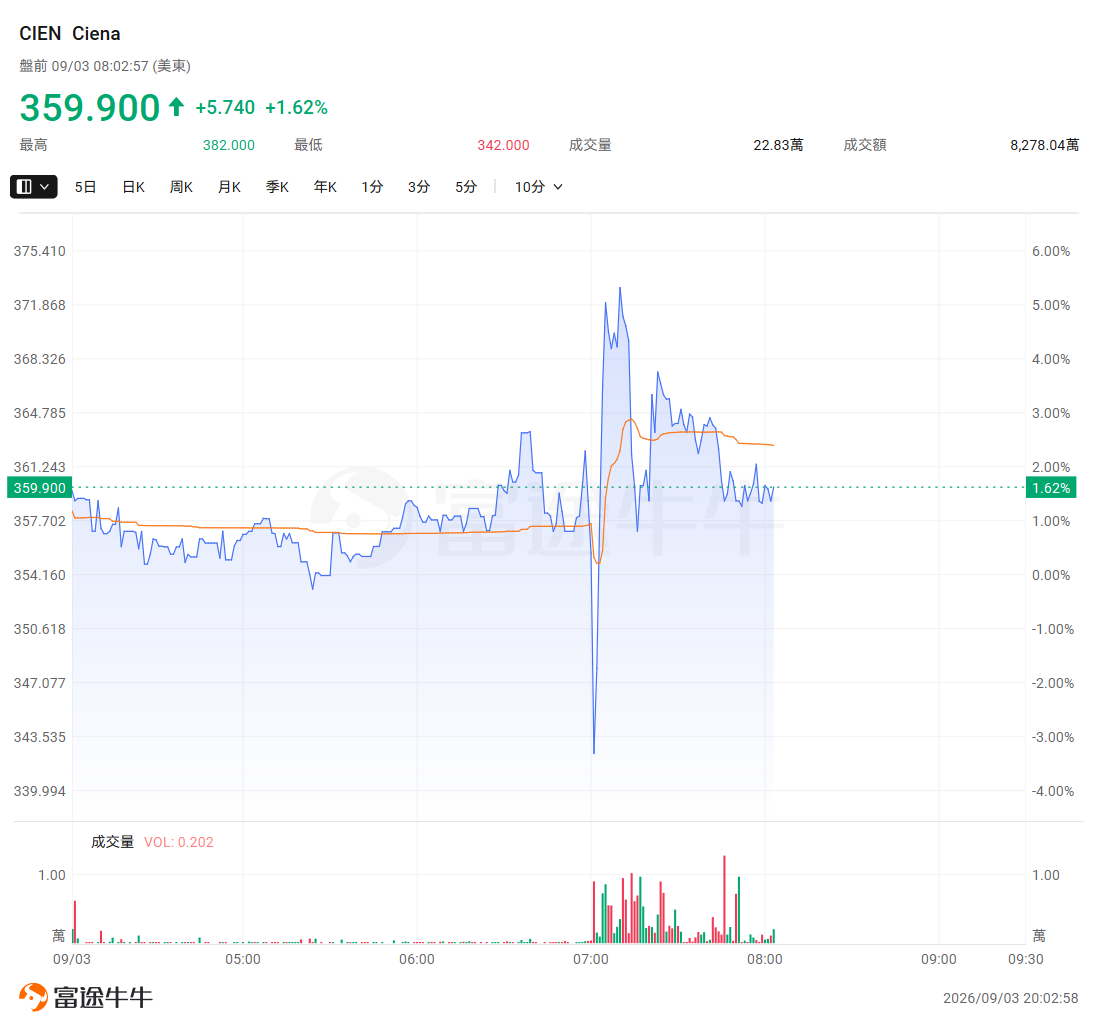
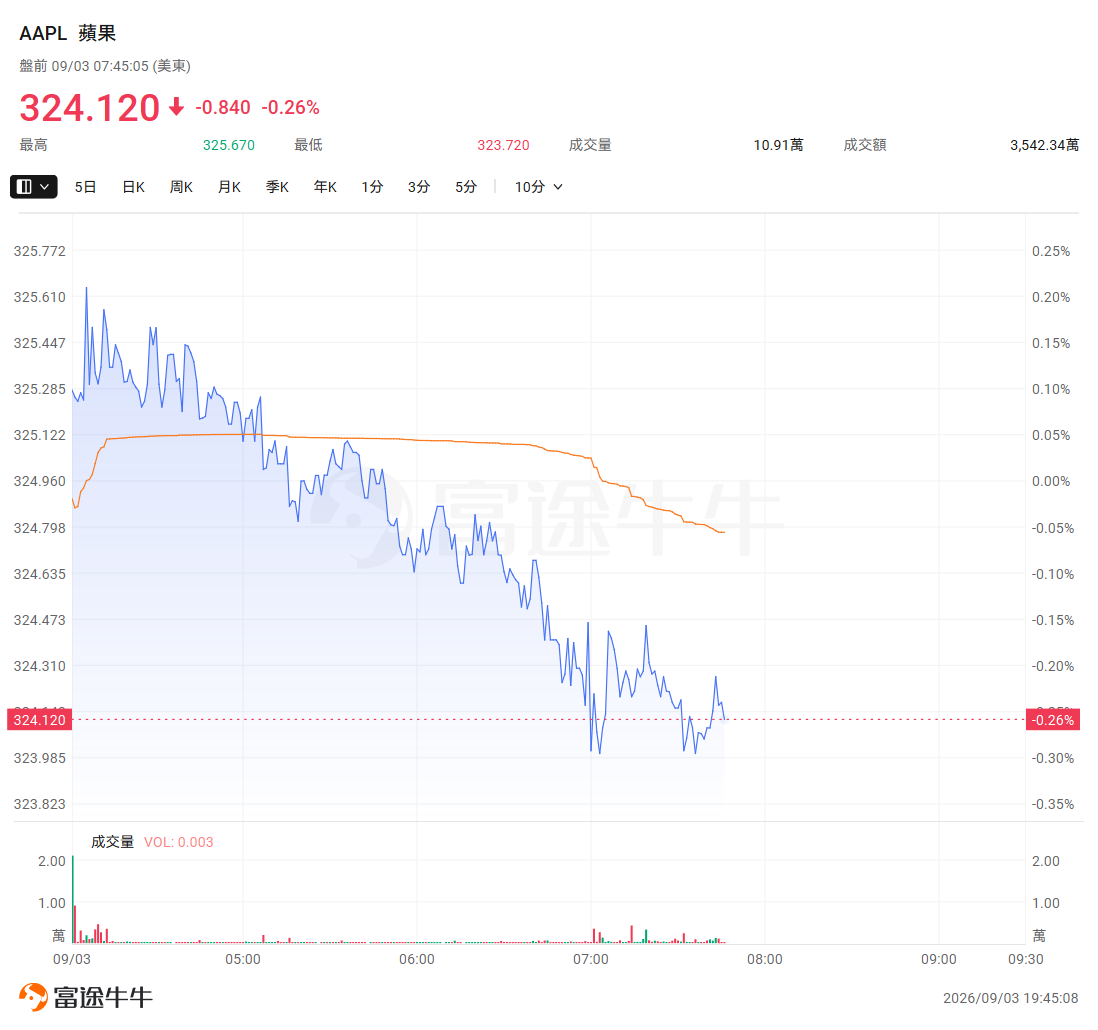
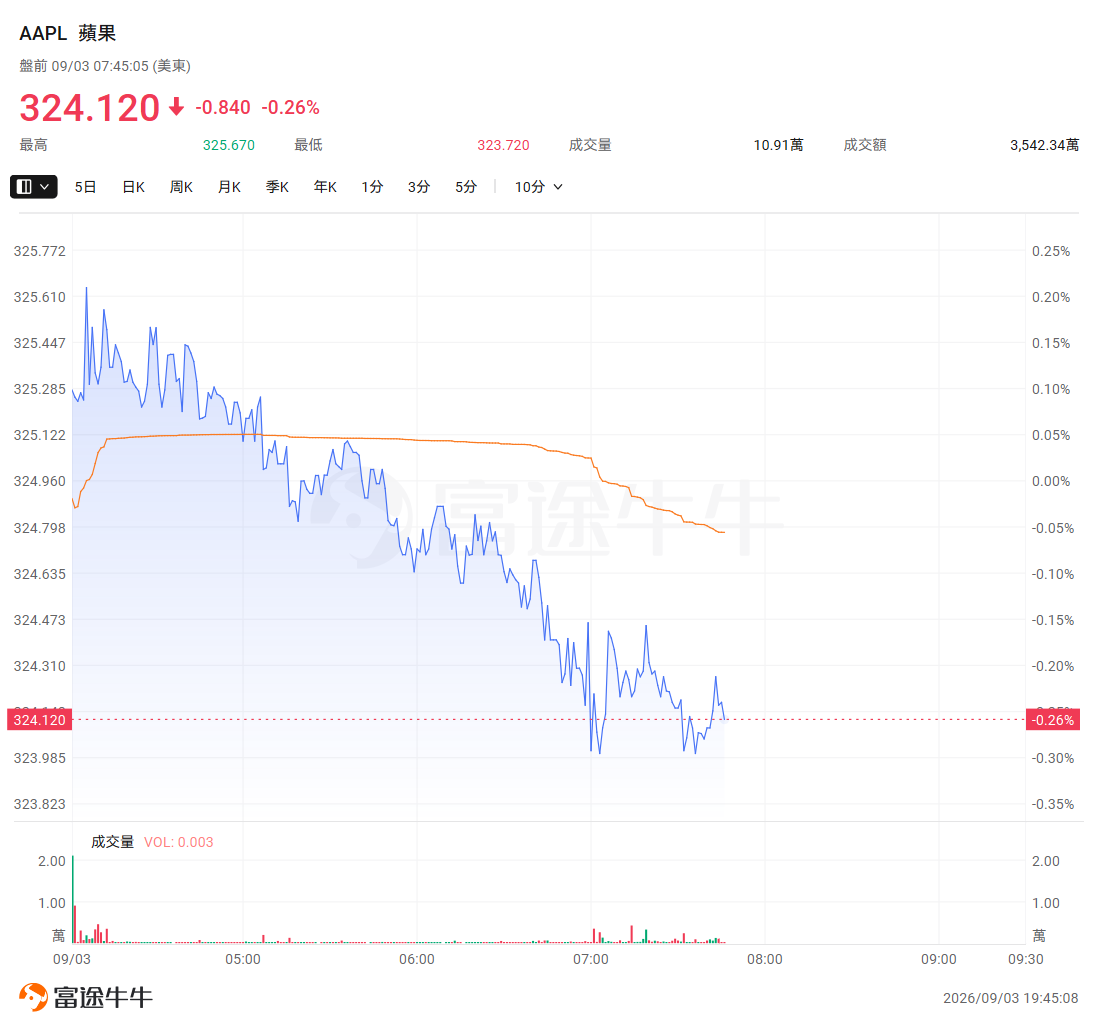
$Apple (AAPL.US)$ In his first letter to all employees, new CEO John Ternus stated that next week's iPhone launch event would be "extraordinary," and noted that the company has multiple new products in development or in the conceptual stage. Ternus will host his first major keynote as CEO on September 9, with market expectations focused on the unveiling of Apple's first foldable iPhone. The company's product roadmap also includes AirPods equipped with cameras, smart glasses, desktop robotic home devices, and touchscreen MacBooks.
Hewlett Packard Enterprise raises two-year performance outlook; supply shortages continue to constrain deliveries
$HPE Inc. (HPE.US)$ Third-quarter revenue reached $12.21 billion, up 33.7% year-over-year, while adjusted EPS came in at $1.11, both exceeding market expectations. Networking revenue grew 75% to $2.89 billion, and Cloud and AI revenue increased 25% to $9.0 billion. The company has raised its fiscal year revenue growth forecast to a range of 34% to 37%, and projects growth of 13% to 17% for fiscal 2027. Management stated that customer demand far outstrips supply, with shortages affecting memory, NAND, CPUs, and hard drives. Additionally, the company signed a $3.5 billion agreement to supply AI servers to a major cloud provider.
Global Macro
U.S. non-farm payrolls data for August to be released on Friday; Bank of America states CPI remains key to rate hikes
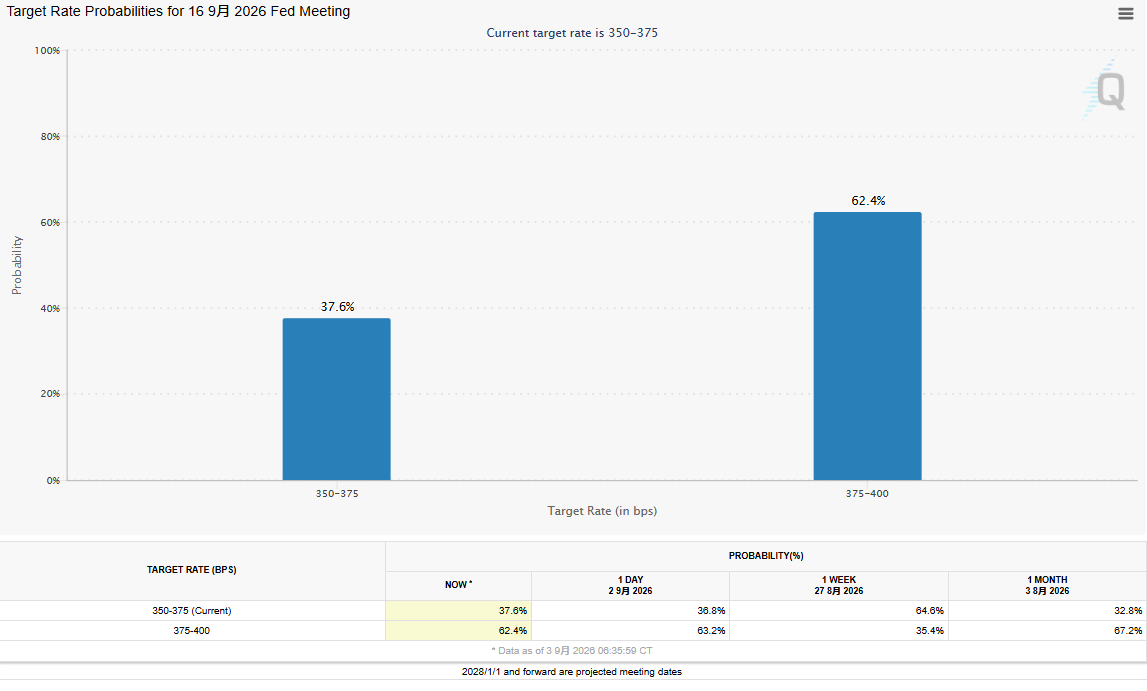
The U.S. non-farm payrolls report for August will be released at 8:30 p.m. Beijing time on Friday. This is one of the most important economic indicators to be published ahead of the Federal Reserve's mid-September monetary policy meeting. Bank of America considers the upcoming non-farm payrolls report merely an "appetizer" before the Fed's meeting on September 15–16. Analysts at the bank wrote on Wednesday, "Non-farm payrolls data are unlikely to be the decisive factor for a rate hike in September. While a significantly weak report could reduce the likelihood of a hike, the Consumer Price Index (CPI) remains the key indicator determining the Fed's decision. We maintain our expectation of a rate hike in September." Market pricing currently assigns a probability of over 60% to a 25-basis-point rate hike this month, a notable increase from a week ago.
Trump states that new round of strikes against Iran will not last long
Trump indicated that the renewed U.S. military strikes against Iran are not expected to last long, but the U.S. military is prepared to launch further attacks if necessary. He stated that U.S. forces targeted radar, missile, and mine-laying facilities redeployed by Iran near the Strait of Hormuz, and continue to control vessel traffic through the strait. Formal negotiations between Iran and the United States appear far from resuming; the so-called memorandum of understanding signed by both parties in mid-June has expired, and little progress has been made toward a permanent peace agreement. This exchange marks the largest military engagement between the U.S. and Iran since July, reigniting market concerns over energy supplies in the Middle East; Brent crude oil remains above $90 per barrel.

High yields attract investors, slowing the decline in global bonds
Although rising energy prices continue to tighten market conditions, yields near multi-decade highs remain irresistible to some investors, leading to mixed performance in global bond markets. U.S. Treasury securities have stabilized, with the 10-year yield largely unchanged at 4.79% and the 30-year yield holding steady at 5.26%. European and UK bonds, which had underperformed in recent days, posted slight gains. Harvey Bradley, Global Head of Rates Investing at Insight Investment, stated: "Government bonds offer investment value, and we expect yields to decline over the next 12 months. In the United States, we find opportunities most attractive in shorter-dated bonds; whereas in markets such as the UK and Japan, greater value may exist in the longer end of the yield curve."
Fed Beige Book: Moderate Economic Growth Persists Amid Continued Pressure from Energy and Tariff Costs
The Federal Reserve's latest Beige Book shows that ten of the twelve districts reported slight to moderate growth in economic activity, while the other two remained largely unchanged. Overall employment increased only modestly, with stronger demand for jobs in manufacturing, construction, and data center-related sectors, but weaker hiring in retail and hospitality. Prices rose moderately in most regions. Energy, transportation, healthcare, raw materials, and tariffs continue to exert cost pressures, but heightened consumer price sensitivity is limiting businesses' ability to pass on costs. The report maintains a generally positive outlook for the future while emphasizing uncertainties stemming from policy and international conflicts.

G20 Reaches Consensus on "Carolina Principles," Emphasizing Flexible AI Regulatory Frameworks
At the G20 Innovation Ministers' Meeting, consensus was reached on the "Carolina Principles for Emerging Technologies," proposing investment in basic research, strengthening channels for technology commercialization, and promoting the adoption and deployment of trustworthy technologies. During the meeting, U.S. Commerce Secretary Lutnick held a fireside chat with NVIDIA Founder and CEO Jensen Huang, Anthropic Co-founder Tom Brown, OpenAI CEO Sam Altman, and Palantir CEO Alex Karp. The meeting statement covered six areas: policy frameworks to promote innovation, technical talent development, AI intellectual property, technical standards, and supply chain investment. The United States advocated avoiding the establishment of separate regulatory systems for each type of AI application, favoring instead flexible, risk-oriented policy frameworks. China also participated in reaching this consensus.
Top 20 U.S. Stocks by Premarket Trading Volume
U.S. Equity Market Macro Calendar Reminder
(All times listed below are in Beijing Time)
20:30 U.S. July Trade Balance (USD hundred million)
20:30 U.S. initial jobless claims for the week ending August 29 (in thousands)
20:30 Federal Reserve Governor Waller accepts an interview.
21:45 Final U.S. August S&P Global Services PMI
22:00 U.S. August ISM Non-Manufacturing PMI
22:30 U.S. EIA Natural Gas Inventories for the Week Ending August 28 (billion cubic feet)
Next day 3:00 AM: Hammack, President of the Federal Reserve Bank of Cleveland and FOMC voter for 2026, delivers the opening remarks at the "Fed Community" event.
After-Hours Earnings
$UiPath(PATH.US)$ 、 $Lululemon Athletica (LULU.US)$ 、 $Ambarella (AMBA.US)$ 、 $Planet Labs PBC (PL.US)$ 。
 Looking to select stocks or analyze your holdings? Want to understand the opportunities and risks in your portfolio? For any investment-related questions,just ask Futubull AI!

Editor / Rocky