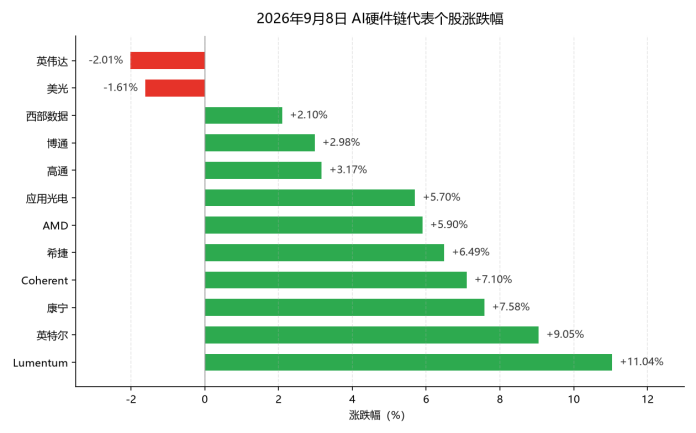
$S&P 500 Index (.SPX.US)$Amgen plunged 10%, dragging the Dow Jones Industrial Average down 1.18%, while [the subject] fell 0.58%.$Philadelphia Semiconductor Index (.SOX.US)$Bucking the trend, it rose more than 1% on the day. Optical networking stocks saw the sharpest gains.$Lumentum (LITE.US)$rose 11.04% to $978.54,$Corning (GLW.US)$rose 7.58% to $165.99,$Coherent (COHR.US)$rose 7.10% to $301.88, and Applied Optoelectronics gained 5.70% to $111.55.
Escalating U.S.-Iran tensions, coupled with Houthi forces advancing inland to strike Saudi energy infrastructure, drove international oil prices to recent highs on Tuesday. Brent crude touched the $100-per-barrel threshold, fueling inflation expectations and pushing interest rates higher, which led to broad declines across the three major U.S. stock indices.
Tech giants showed mixed performance (ranked by market capitalization),NVIDIA (NVDA.US)fell 2.01%, Apple dropped 1.17%, and Google Class C shares rose 0.02%,$Microsoft (MSFT.US)$fell 1.15%,$Amazon (AMZN.US)$fell 0.6%,$SpaceX (SPCX.US)$rose 3.73%,$Broadcom (AVGO.US)$rose 2.98%, Meta fell 0.53%,$Tesla (TSLA.US)$rose 3.98%.
Chip stocks rose against the trend, with the VanEck Semiconductor ETF (SMH) closing up 1.19%. The Philadelphia Semiconductor Index gained 1.3%, with 21 constituents rising and 9 falling. Intel surged 9.05% on plans to raise PC CPU prices by 10%, while AMD climbed 5.9%.
Qualcomm (QCOM.US)rose 3.17%. The company announced a major AI infrastructure partnership with Amazon, under which both parties will jointly develop multiple generations of custom chips for large-scale AI data centers and advance AI inference-related technologies.
Memory stocks showed mixed performance,$Seagate Technology (STX.US)$rose 6.49%,$SK Hynix (SKHY.US)$rose 4.83%,$Western Digital (WDC.US)$rose 2.14%,$SanDisk (SNDK.US)$Down 0.12%,$Micron Technology (MU.US)$Down 1.61%. The Roundhill Memory ETF (DRAM) rose 2.36%.
The optical communication sector strengthened overall, with Lumentum up 11.04%, Corning up 7.56%, and Coherent up 7.1%,$Applied Optoelectronics(AAOI.US)$Up 5.7%,$Marvell Technology (MRVL.US)$Up 0.83%.
AI computing power leasing providers advanced,$CoreWeave (CRWV.US)$Up 11.72%,$NEBIUS (NBIS.US)$Up 7.73%,$Oracle (ORCL.US)$Up 2.36%.$Bloom Energy (BE.US)$Up 9.63%; the company will be included in the S&P 500 Index.
Most popular Chinese concept stocks declined,Baidudown 6.96%, TAL Education Group fell 4.68%,$New Oriental (EDU.US)$down 3.97%,$PDD Holdings (PDD.US)$down 2.99%,$Tencent Music (TME.US)$down 2.42%, JD.com fell 2.05%;$Chagee (CHA.US)$up 7.98%,$Bilibili (BILI.US)$up 6.37%.
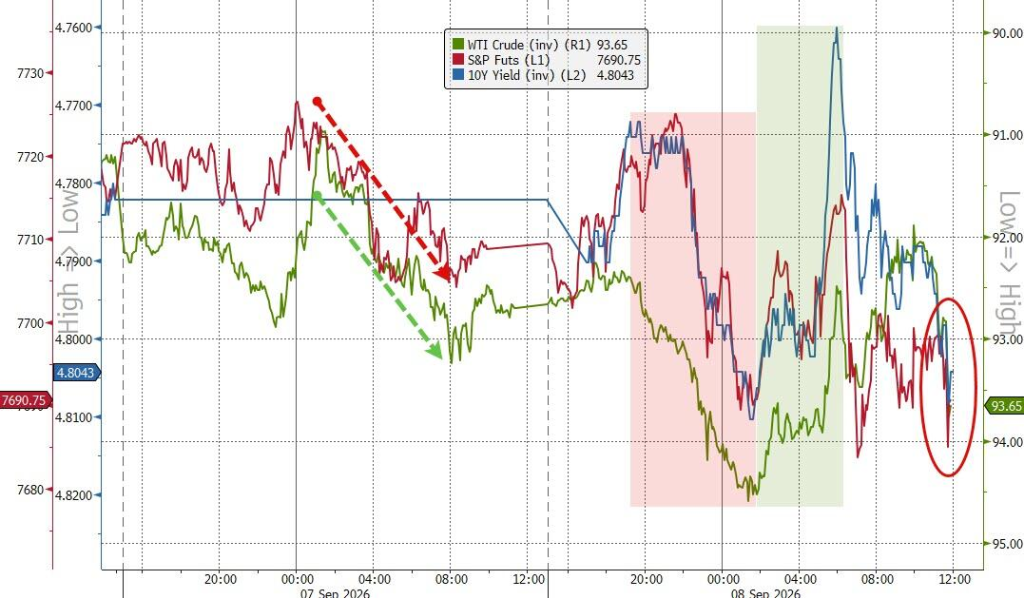
Houthi forces launched large-scale attacks on energy facilities in southern Saudi Arabia, prompting the kingdom to shut down several energy installations. Subsequently, the United States struck targets near Kharg Island and the port of Jask near the Strait of Hormuz in Iran. Iranian state television then warned tanker crews in waters near Kuwait and Bahrain to "abandon ship immediately."
A series of news shocks hit the market, widening WTI crude oil's daily gain to 2.8% to close at $94.08 per barrel. The S&P 500 Index fell 0.6%, the Dow Jones Industrial Average dropped 1.2%, while the Nasdaq Composite saw a narrower decline of 0.1%.
This shock came just days before the release of key inflation data. Economists expect the August CPI to rise by 0.4% month-on-month, an acceleration from the previous month, driven largely by higher energy prices. Money markets are currently pricing in a greater than 50% probability of a Federal Reserve rate hike this month.
Chris Larkin of Morgan Stanley stated:
Against the backdrop of escalating geopolitical tensions and rising oil prices, the market is likely to remain focused on inflation concerns.
Oil Price Shock: Dual Catalysts from Houthi Actions and U.S.-Iran Tensions
This surge in oil prices was driven by two converging forces: a significant escalation of Houthi attacks on Saudi Arabia, and the direct impact of U.S. military action against Iranian targets.
According to CCTV International News, the Saudi Ministry of Energy confirmed that civilian and economic facilities in Abha, Khamis Mushait, Najran, and Jizan were attacked, resulting in more than 70 injuries. Relevant authorities are working to ensure facility safety and operational continuity. A spokesperson for the Houthi movement stated on the same day that the group would announce extensive military operations deep within Saudi territory.
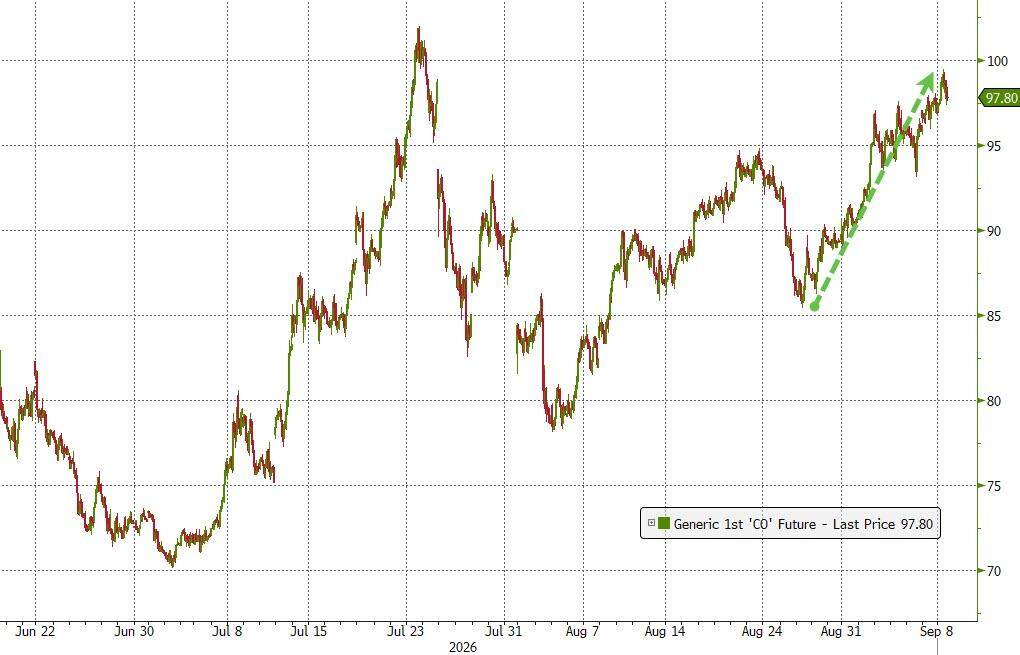
News of the attacks quickly transmitted to the oil market. Brent crude rose 2.4% during the day, breaking through the $100 mark and approaching its July high, before gains rapidly retreated.
On the evening of Tuesday, September 8 (local time), CCTV News cited Iranian sources reporting that an Iranian oil tanker was struck by U.S. missiles approximately four miles off Kharg Island, Iran. Local sources stated that there were no casualties, the crew was evacuating, and relevant authorities were investigating the incident. Subsequently, CCTV cited warnings from the Iranian military stating that tankers at ports in Kuwait and Bahrain would be targeted, urging crews to evacuate immediately.
According to a report by the Iranian media outlet Tasnim, a small Iranian oil tanker was hit by projectiles fired by U.S. forces about four nautical miles from Kharg Island, within the island's anchorage area. There were no reported casualties, and the tanker's crew is currently evacuating.
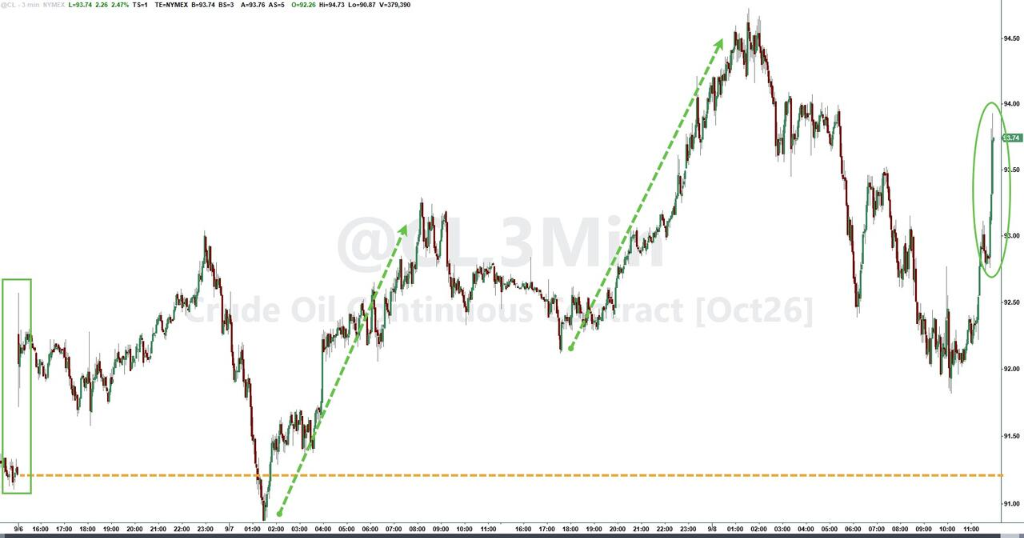
Following reports during Tuesday's U.S. midday trading session about the attack on the Iranian tanker near Kharg Island, gains in international crude oil futures widened again. WTI crude's daily increase expanded to over 2%, briefly approaching $94; Brent crude rose more than 1%, nearing $99.
Hamad Hussain, Senior Economist at Capital Economics, stated:
Participants in the oil market are pricing in a more prolonged disruption to shipping.
Institutions such as Goldman Sachs have successively raised their oil price forecasts, citing expectations of intensifying supply disruptions.
Notably, market focus is not entirely on crude oil itself. Rising prices for refined products are heightening market anxiety, with wholesale diesel and gasoline prices surging sharply and domestic retail diesel prices hitting record highs.
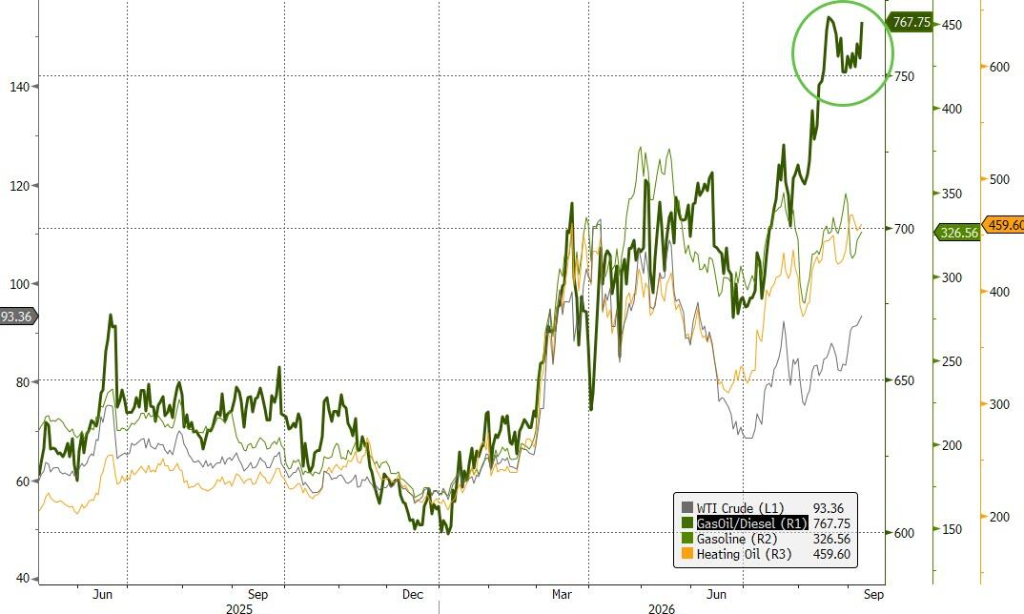
Gasoline prices at U.S. service stations also reached record highs for the period during the Labor Day holiday.
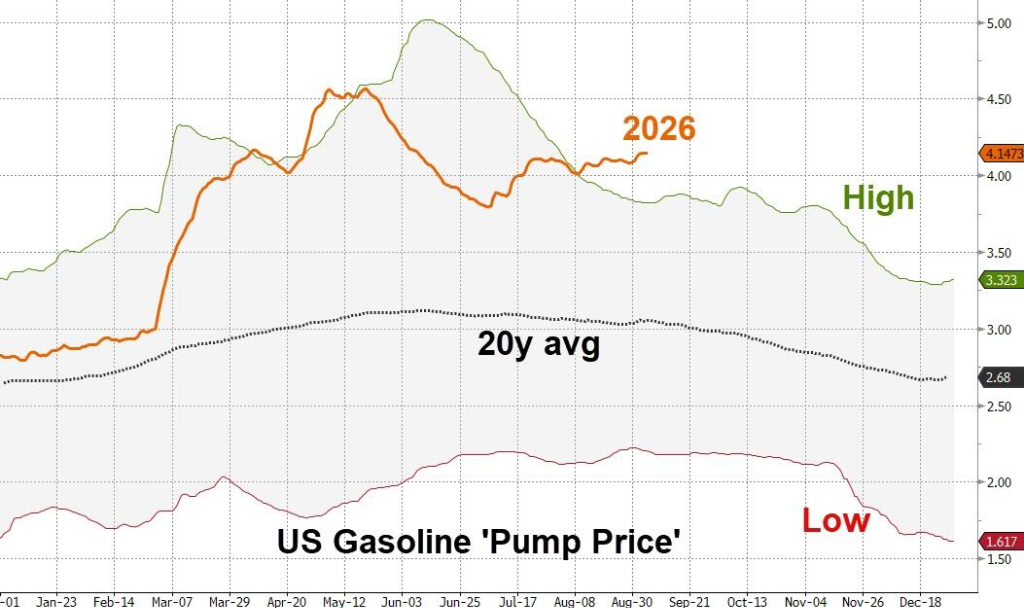
Strategists at Bespoke Investment Group warned:
Energy prices cannot continue to rise without impacting the market. Even if inflation reports later this week are moderate, their significance will be greatly diminished if crude oil prices remain in the mid-$90s or approach triple digits.
The impact of rising oil prices on the policy path also involves a key variable: the stance of the Trump administration.
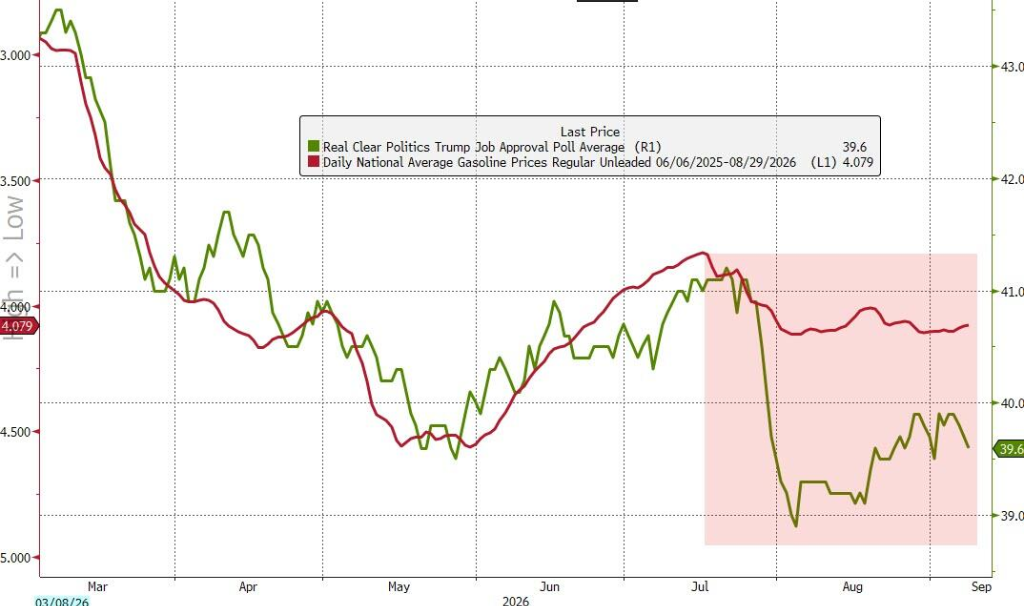
Market consensus previously expected that high oil prices would compel the White House to push for a diplomatic solution, but this logic is now being challenged. Jorge León, Senior Vice President at Rystad Energy, stated:
The market has overestimated the importance of the midterm elections to President Trump. The prior assumption was that he would facilitate an agreement, lower oil prices, and then move on. However, it is now uncertain whether this scenario will materialize.
Currently, the trend in Trump’s polling support has diverged from the historical correlation with oil prices, putting pressure on the trading logic that relies on the transmission chain of 'political pressure → diplomatic easing → decline in oil prices.'
Demand for U.S. Treasury auctions remains robust, with Bessent taking action to stabilize the 'overheated bond market.'
The oil price shock has transmitted to the U.S. Treasury market, with a late-day surge in crude prices directly triggering a sell-off in Treasuries and pushing yields higher. The yield on the 10-year U.S. Treasury note remained largely flat at 4.79% for the day, but rose by approximately 2 to 3 basis points compared to last Friday's close.
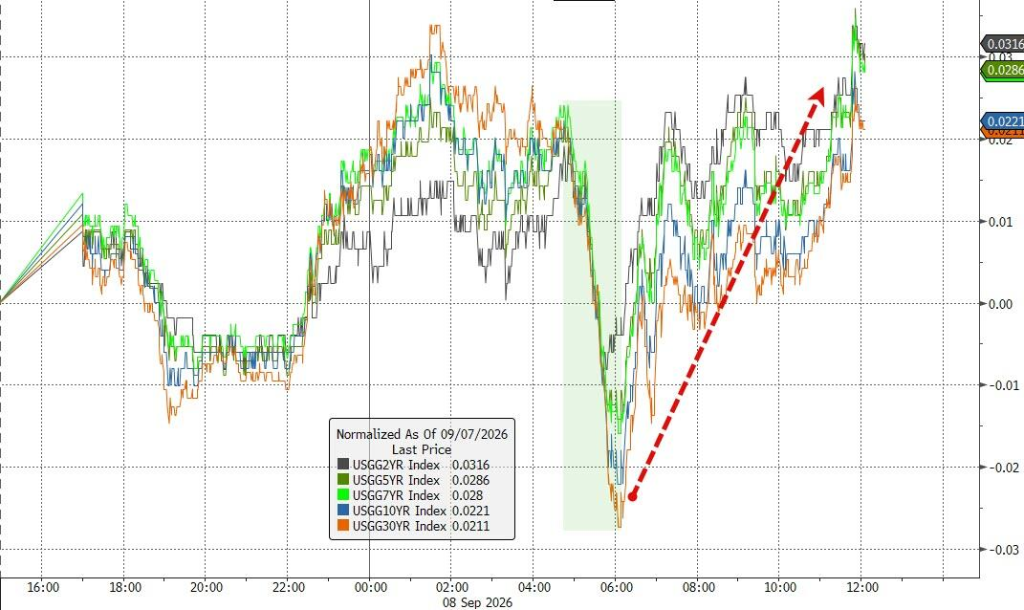
U.S. Treasury Secretary Bessent stated at an event in Washington on Tuesday that the expansion of the existing Treasury buyback program last month was intended to cool down the "feverish" state of the bond market. He said:
"My role is to try to push things back toward equilibrium. I do not believe I can change the equilibrium price, but nothing remains in equilibrium forever."
Bessent also refuted the claim that the recent decline in Treasury prices stemmed from market concerns over the scale of U.S. borrowing. He pointed out that if the market were truly worried about U.S. creditworthiness, investors would be selling U.S. Treasuries and buying German bonds, "but the reality is quite the opposite; our performance is the best."
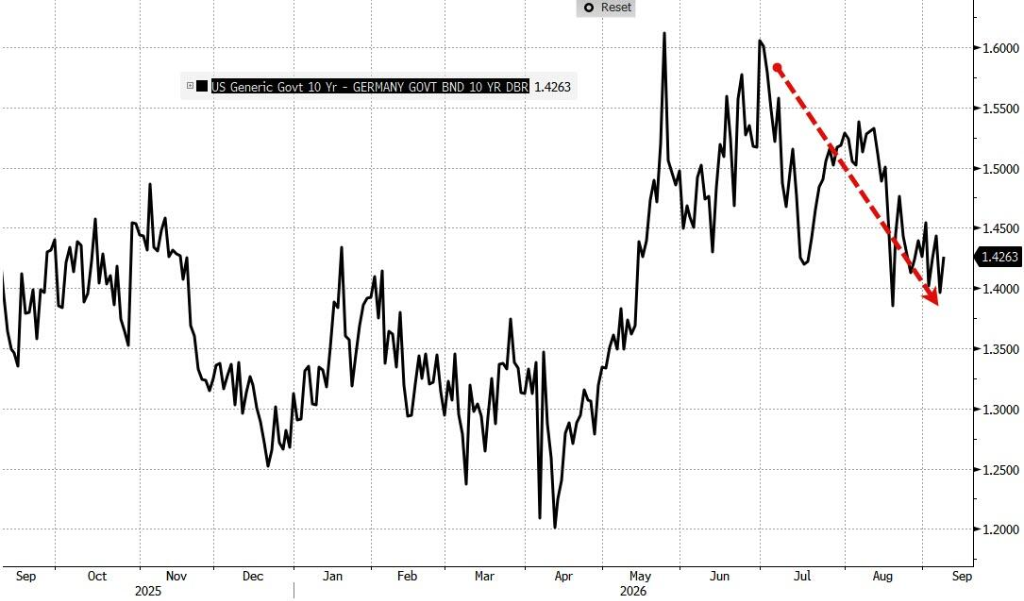
The auction of 3-year Treasury notes yielded strong results, with the bid-to-cover ratio reaching its highest level since last November, providing some support to the market. Regarding the scale of buybacks, JPMorgan's team expects the expanded long-term bond buyback volume to reach $6 billion to $8 billion starting this week, while Barclays predicts a figure slightly exceeding $4 billion.
Healthcare stocks plunged collectively following failed Phase III clinical trials, with Amgen alone dragging the Dow Jones Industrial Average down by 260 points.
On the first trading day after the Labor Day holiday, the three major U.S. stock indices declined in unison.
The S&P 500 Index fell 0.58% to close at 7,674.13 points,$Nasdaq Composite Index (.IXIC.US)$The index fell 0.31% to close at 26,423.69 points, while the Dow Jones Industrial Average dropped 1.18% to 52,786.07 points,$Russell 2000 Index (.RUT.US)$and declined 0.52% to 2,960.20 points.
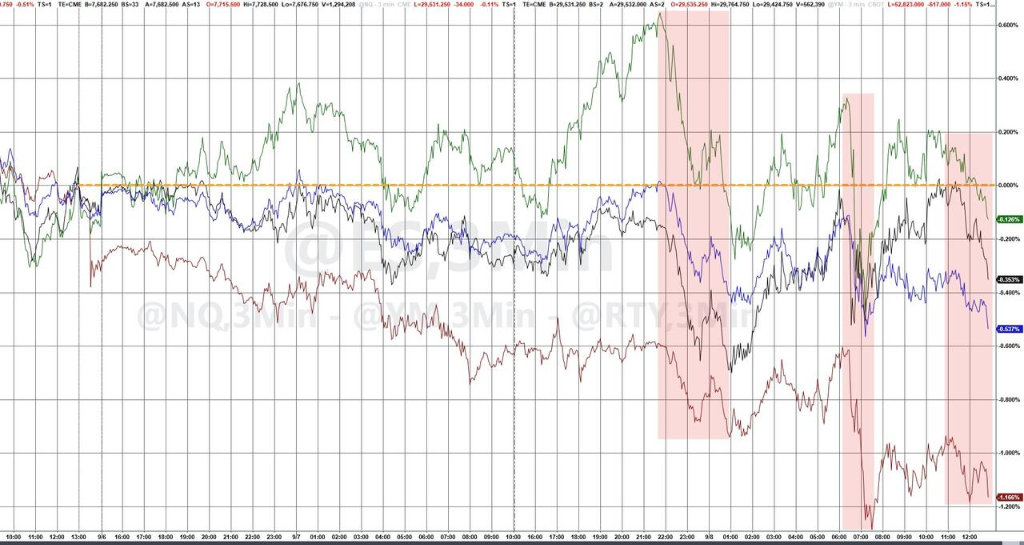
The Dow Jones Industrial Average saw the steepest decline, as its price-weighted mechanism amplified the impact of individual stock weights. Amgen shares plummeted by $44.06, or 10.08%, to $393.17, dragging the Dow down by approximately 260 points on its own. This accounted for more than 40% of the index's total daily drop of 628.18 points, marking the stock's worst single-day performance since 2016.
The trigger was Novartis. The Swiss pharmaceutical giant announced Phase III results for pelacarsen last Thursday, showing that while the drug significantly reduced lipoprotein(a) levels, it failed to reduce major adverse cardiovascular events such as cardiovascular death, non-fatal myocardial infarction, and non-fatal stroke. The failure of this trial, which involved 8,323 patients, has led the market to question whether the strategy of lowering lipoprotein(a) can effectively reduce risk.
Amgen’s own olpasiran is currently undergoing a Phase III cardiovascular outcomes trial, making Novartis’s failure a cautionary tale.$Bank of Montreal (BMO.US)$On the same day, BMO Capital Markets downgraded Amgen from Outperform to Market Perform, indicating it no longer believes the stock will outperform the broader market. Reasons cited include the 34% year-to-date gain, which has already priced in commercial execution risks, patent expiration pressures, and a lack of safety margin due to pipeline setbacks.
Peer pharmaceutical companies faced simultaneous pressure. Novartis itself fell 13.93% to $137.70,Eli Lilly and Co (LLY.US),another major player dropped 2.22% to $1,123.86, and Johnson & Johnson declined 2.22% to $269.12.$UnitedHealth (UNH.US)$bucked the trend with a 0.93% rise. Citi analysts stated that the hypothesis linking lowered lipoprotein(a) to reduced risk has been weakened, and more data is needed to determine whether the issue lies with the drug mechanism, trial design, or the underlying strategy itself.
The healthcare sector performed the worst today. The utilities, energy, and technology sectors outperformed other sectors.
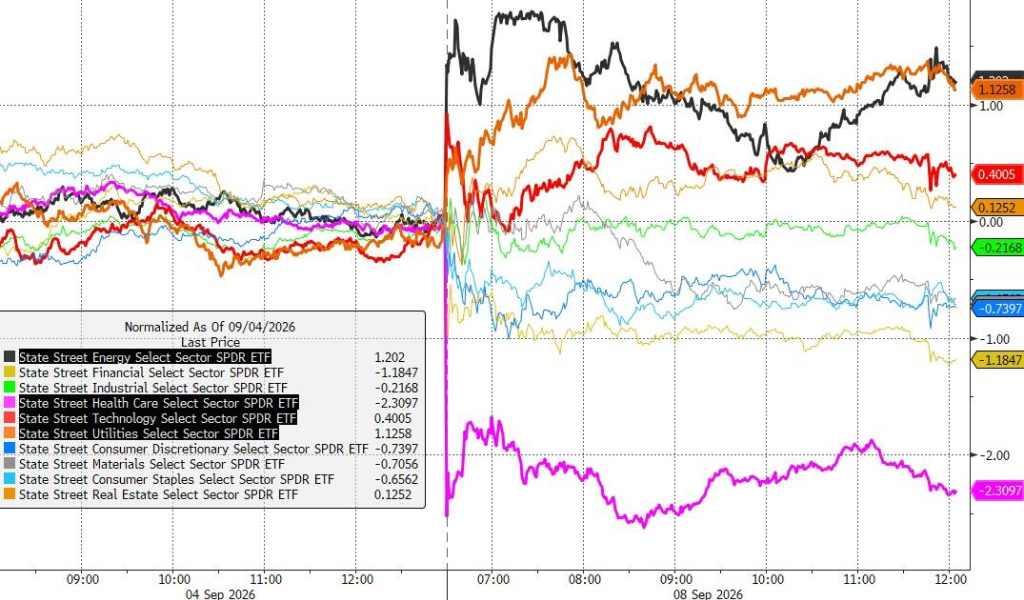
OpenAI's Astra model, combined with the Qualcomm-Amazon agreement, drove gains in optical networking and storage, lifting the chip index against the broader market trend.
The Philadelphia Semiconductor Index rose more than 1% against the market trend that day, becoming the primary focus of capital flows and helping the Nasdaq register the smallest decline among the three major indices. This performance was driven by two developments: first, the continued momentum surrounding OpenAI's newly released Astra model last week; and second, the data center chip partnership reached between Qualcomm and Amazon.
Optical networking stocks saw the sharpest gains. Lumentum rose 11.04% to $978.54, Corning increased 7.58% to $165.99, Coherent climbed 7.10% to $301.88, and Applied Optoelectronics gained 5.70% to $111.55.
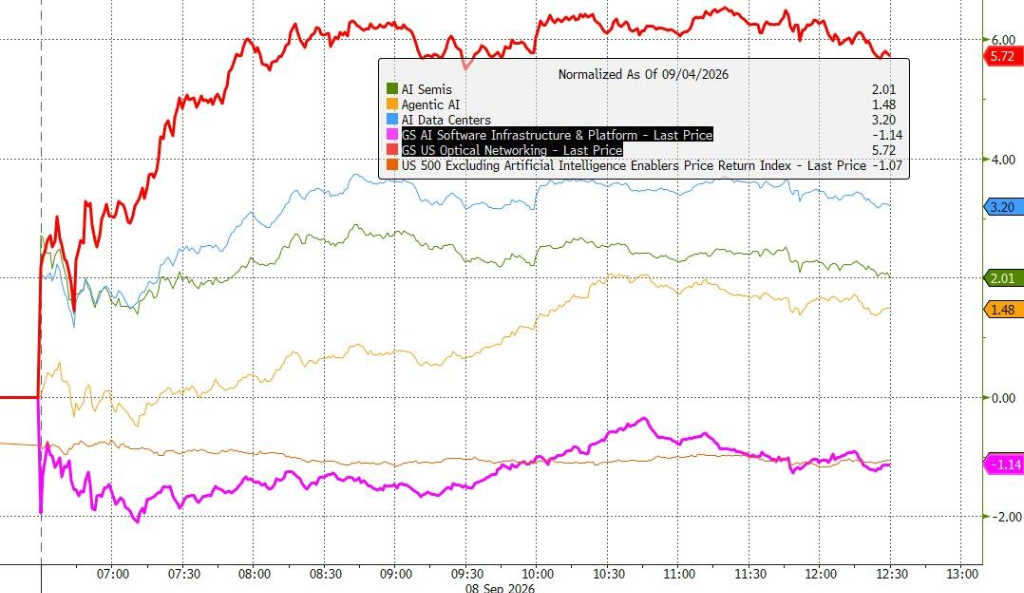
These companies share a common business focus: supplying optical modules and fiber optics for AI data centers. Astra extends model capabilities to operating professional software and executing complete workflows, thereby adding another layer of growth potential to computing power demand.
Qualcomm announced a collaboration with Amazon to co-develop custom chips for AWS artificial intelligence infrastructure. The partnership spans multiple product generations, covering both chips that run AI services and those responsible for interconnecting internal computer components. Qualcomm stated that orders for these related chips could reach up to $60 billion over the next decade.
Buoyed by this news, Qualcomm closed up 3.17% at $174.09, having intraday peaked at $183.49. On the same day, Intel surged 9.05% to close at $104.47. The company plans to raise PC CPU prices by approximately 10%, marking its second price hike this year and reflecting a strategic shift from gaining market share through low pricing to preserving profit margins.
Performance within the storage and chip sectors also diverged. Seagate Technology rose 6.49% to $904.38, and Western Digital gained 2.10% to $477.30, $SK Hynix (SKHY.US)$ Marvell Technology rose 7.1%, and SanDisk increased 3.6%; however, Micron Technology fell 1.61% to $1,000.26, and NVIDIA dropped 2.01% to $225.73.
Mike Wilson, Chief U.S. Equity Strategist at Morgan Stanley, believes thatmomentum tradingmay be making a comeback, but the leadership in the next rally will shift. He expects that as the economic cycle moves from early to mid-stage, market leadership may transition from enablers of AI infrastructure to adopters of AI applications, as well asfree cash flowcompanies with more solid fundamentals.
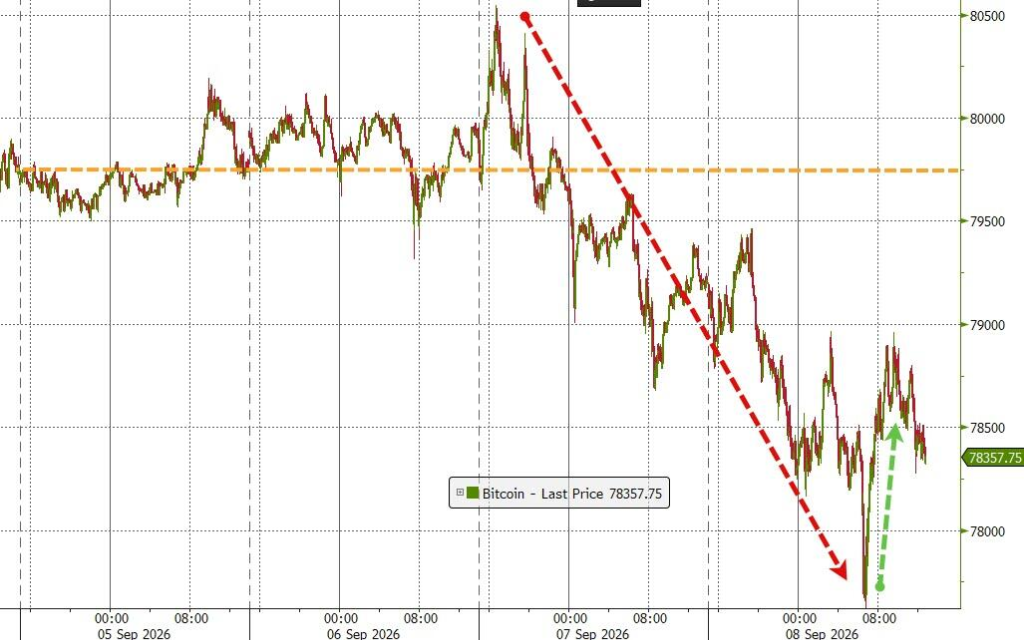
The strengthening yen weighed on the U.S. dollar, while gold fell below the $4,400 level.$Bitcoin (BTC.CC)$The market reversed direction three times during the session.
In the foreign exchange market,$U.S. Dollar Index (USDindex.FX)$it declined 0.32% to 98.855, oscillating between 98.7 and 99.0 during the session.
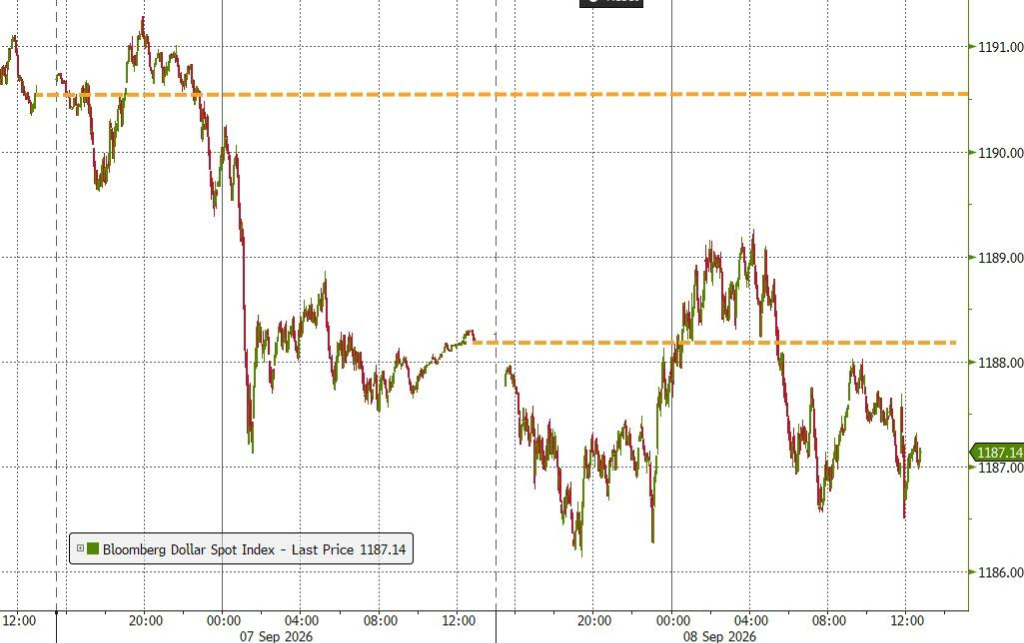
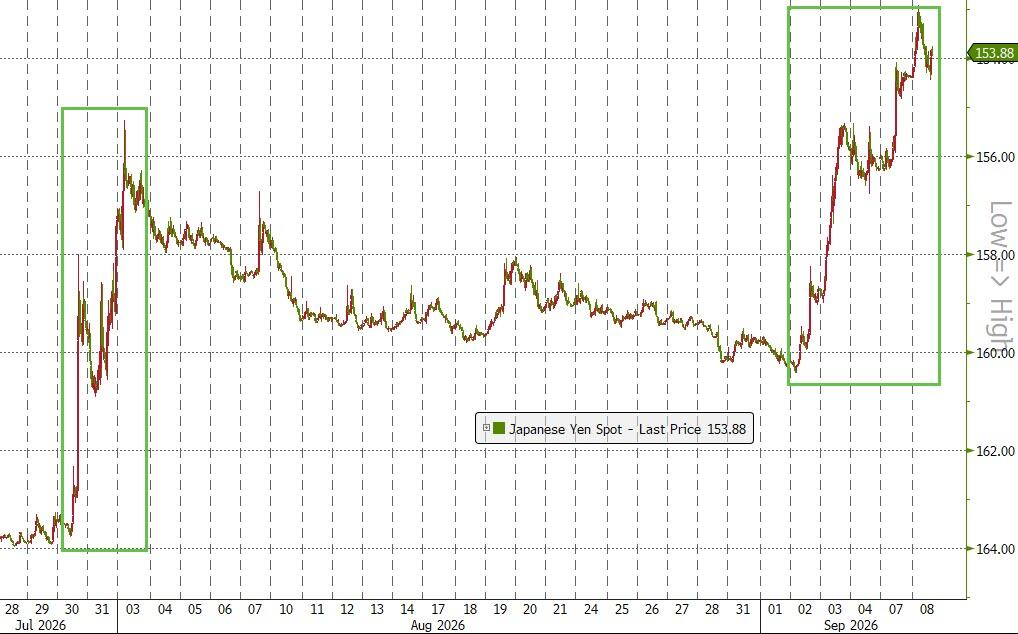
The U.S. dollar was primarily pressured by the yen, with the USD/JPY pair falling to 153.88 after briefly rising to 152.89 intraday. Japan's latest wage data exceeded expectations, reinforcing the case for the Bank of Japan to continue raising interest rates.
Spot gold closed at $4,363.37 per ounce, down approximately 1.1%, falling below the $4,400 threshold. It hit an intraday high of $4,442.98 and a low of $4,347.21, marking its third consecutive daily decline.
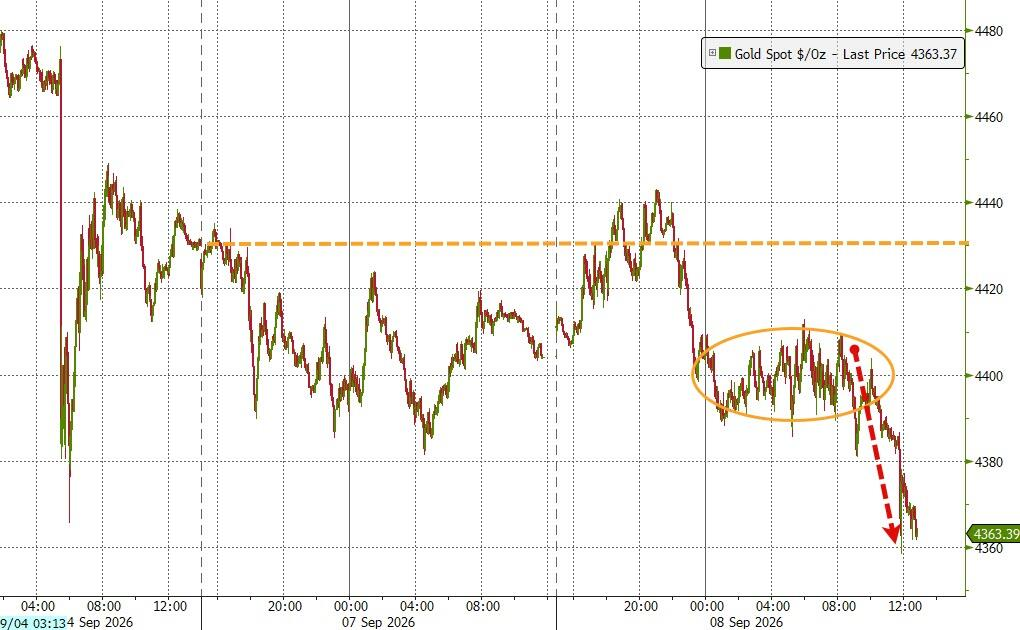
Rising oil prices should have supported inflation-hedging assets, but higher yields increased theopportunity cost of holding gold.opportunity cost of holding gold, causing gold prices to retreat after hitting intraday highs. Spot silver fell 0.52% to $65.57 per ounce.
Bitcoin closed near $78,357.75, down about 0.7% from last Friday, but its intraday performance was far from flat. It initially traded below $78,000, then rallied to $79,455, before dropping back to $77,782, and finally recovering to $78,357 in late trading, marking three reversals within the day.
Company News
[Qualcomm and Amazon Reach Agreement to Jointly Build AI Data Center Infrastructure]
Qualcomm and Amazon have reached an agreement to jointly build artificial intelligence data center infrastructure, collaborating on the development of optical interconnect solutions with capacities of up to 1.6T. Qualcomm Technologies and Amazon will also cooperate on developing high-performance optical connectivity solutions to support the growing scale and bandwidth demands of AI infrastructure. This collaboration will leverage Qualcomm's advanced SerDes and optical DSP technologies. As part of the expanded partnership, Qualcomm Technologies plans to deepen the application of AWS AI infrastructure, including Amazon Bedrock, for electronic design automation (EDA) workloads, with the aim of shortening chip design cycles.
【$ASML Holding (ASML.US)$Construction of the second large-scale production campus begins; Phase I is scheduled for completion in 2029.
According to reports, ASML Holding began construction on a major new project on Tuesday. The production campus, located in the Netherlands, aims to keep pace with surging demand driven by the artificial intelligence boom. This investment will ultimately create capacity for up to 20,000 workers. Phase I, targeted for completion in 2029, will add office space, logistics facilities, and so-called cleanroom space—a controlled environment used for manufacturing specialized equipment. ASML stated that the design of a new "mobile factory" will enable faster and more efficient construction and assembly of its giant chip-printing tools.
[Strategy repurchases $176 million in STRC preferred shares last week; does not increase Bitcoin holdings]
Michael Saylor, Executive Chairman of Strategy, posted on platform X that the company repurchased $176 million worth of STRC preferred shares last week and expanded its digital credit securities repurchase program from $1 billion to $2 billion. As of September 7, the company held 845,050 BTC and $6.5 billion in cash assets, with no additional Bitcoin purchases.
【$Li Auto(LI.US)$Introducing a third battery supplier $CALB (03931.HK)$[To be installed in Li Auto i6]
According to multiple industry sources, Li Auto will introduce a third power battery supplier—CALB (China Aviation Lithium Battery). Under Li Auto's initial plan, CALB will first supply batteries for Li Auto's pure electric vehicles. Another informed source indicated that the Li Auto i6 may be the first model to feature CALB products.
[Anthropic and OpenAI seek investment-grade ratings ahead of IPOs]
Morgan Stanley and Goldman Sachs have recently lobbied credit rating agencies on behalf of OpenAI and Anthropic, hoping that both companies will secure investment-grade ratings immediately following their IPOs. This would help lower financing costs and support AI infrastructure plans, although rating agencies remain cautious.
[Nuclear energy company HGP plans to go public viaSPACmerger to provide "flexible power" for AI data centers]
Sources familiar with the matter revealed that HGP Intelligent Energy plans to list through aSpecial Purpose Acquisition CompanyThe company went public via a SPAC merger, with the transaction valuing the nuclear services enterprise at approximately $1.2 billion. Its technology is designed to enable nuclear reactors to flexibly adjust power output in response to the real-time fluctuating electricity demand of AI data centers. Sources familiar with the matter also indicated that the company will provide similar peak-shaving services to local power grids.
Looking to select or analyze stocks? Want to understand the opportunities and risks in your portfolio? For all your investment questions,just ask Futubull AI!

Editor/Liam