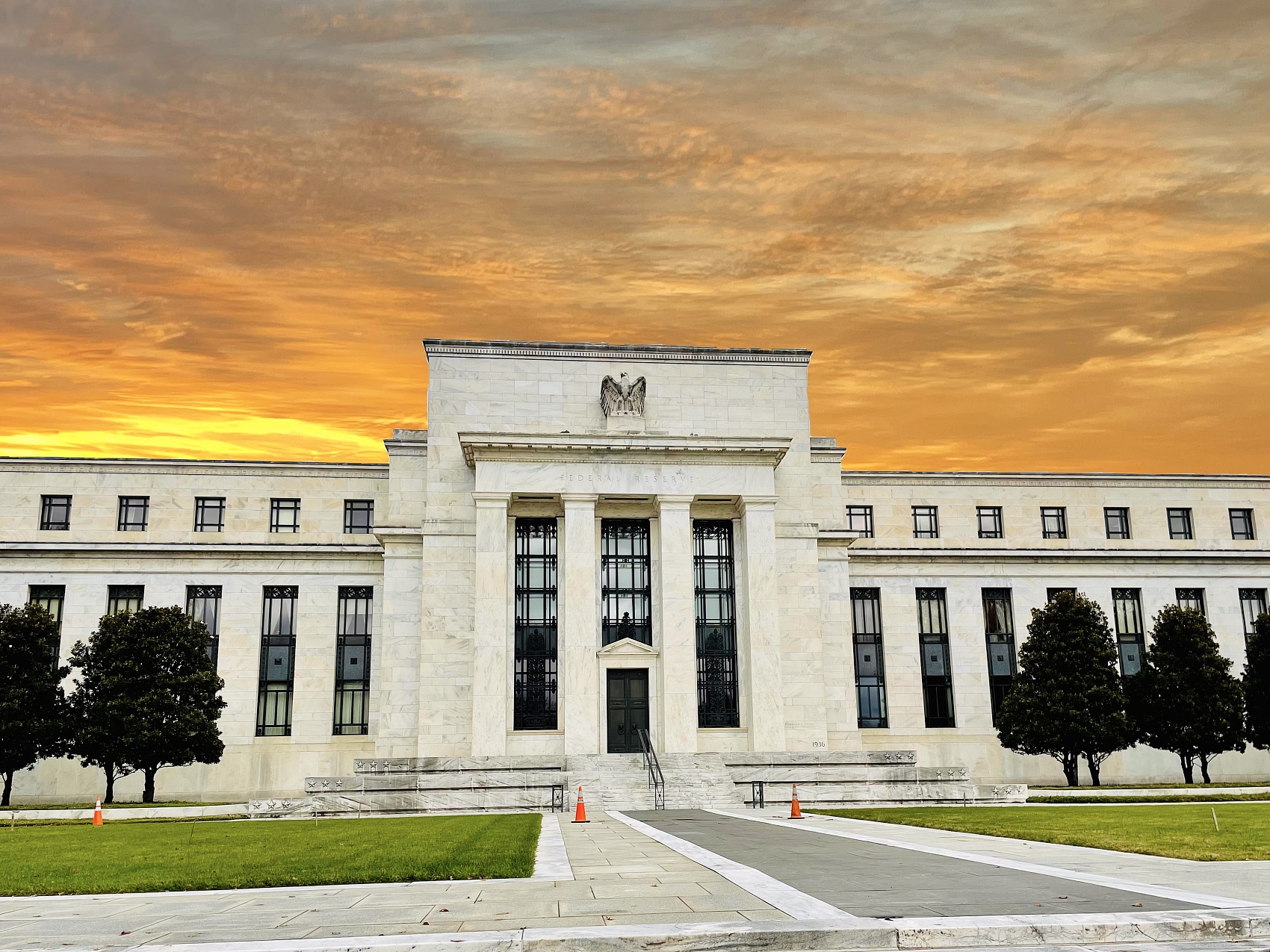
① The Federal Reserve will hold its monetary policy meeting on September 15–16, with significant uncertainty remaining regarding the central bank's actions. ② Over the next two days, two critical inflation data releases will set the tone for whether the Fed raises interest rates next week. ③ The upcoming Producer Price Index (PPI) and Consumer Price Index (CPI) figures should provide clearer insights into whether U.S. inflation is reaccelerating or moderating.
Amid the recent surge in international oil prices, the Federal Reserve is scheduled to hold its monetary policy meeting on September 15–16.
Although current market expectations lean toward a rate hike by the Fed next week, the probability remains only slightly above 50%, leaving considerable uncertainty about the central bank's eventual decision. Over the next two days, two crucial inflation data releases will set the tone for whether the Fed raises interest rates next week.
 The U.S. Producer Price Index (PPI) for August, released at 8:30 p.m. Beijing time on Thursday, and the Consumer Price Index (CPI), released at 8:30 p.m. Beijing time on Friday, will serve as the core basis for the Federal Reserve's decision next week.
The key lies in the magnitude of the August CPI increase, but investors will not look solely at the headline CPI figure. With oil prices continuing to rise due to tensions involving Iran, the headline CPI is projected to rise by as much as 0.4% month-on-month.
Wall Street is closely watching the core CPI, which excludes energy prices. This indicator is considered a better predictor of long-term U.S. inflation trends. Economists forecast that the August core CPI will rise by 0.2% month-on-month.
Typically, a 0.2% increase would be viewed as moderate—insufficient to prompt the Federal Reserve to raise interest rates. However, following the rebound in inflation to above 3% earlier this year, the Fed now faces greater pressure to take action.
For over five years, the Federal Reserve has attempted to bring inflation down to its 2% target but has yet to succeed, causing deep concern among central bank officials.
Federal Reserve Governor Michael Barr stated last week that if inflation fails to decline, the Fed should be prepared to raise interest rates. He warned that with inflation remaining above the target level for more than five consecutive years, there is a risk that price pressures could become entrenched.
It is worth noting that there is no "magic number" in the core CPI that definitively determines the Federal Reserve's policy direction, as numerous variables are involved.
Overall, analysts believe that if the month-on-month increase in core CPI for August is 0.1% or lower, the Federal Reserve will most likely hold rates steady. Conversely, if the increase reaches 0.3% or higher, a rate hike is virtually certain.
If core CPI rises by 0.2%, uncertainty is likely to persist. Some economists argue this level would warrant a rate hike, while others contend it would lead the Federal Reserve to keep interest rates unchanged.
Matthew Ryan, Head of Market Strategy at global financial services firm Ebury, stated: "Financial markets remain deeply divided on whether the Federal Reserve will raise interest rates at its September meeting next week. It is rare to see such significant uncertainty so close to the decision date."
The key will lie in the specific details of the CPI report, with housing costs potentially serving as a critical factor tipping the balance.
Recent slowdowns in rent and home price increases suggest that U.S. inflation may decline in the future. Housing constitutes the largest expenditure item for most households. If the downward trend in housing costs continues, the Federal Reserve may be inclined to take no action.
Nevertheless, the Federal Reserve cannot completely ignore energy factors. Currently, oil prices have rebounded from below $70 in July to above $100, exerting greater upward pressure on inflation.
The market expects the overall CPI to rise by 0.4% month-on-month in August, with the year-on-year increase remaining around 3.4%—a level significantly higher than the Federal Reserve's target.
In contrast, the year-on-year growth of core CPI in August is expected to slow from 2.5% in July to 2.4%, or even lower. This may be sufficient for a majority of the 12 voting members of the Federal Open Market Committee to support holding rates steady.
Even so, given the recent rebound in oil prices and the implementation of Trump's new round of tariff measures, it will be difficult for the Federal Reserve to completely rule out tightening options.
Will PPI data play a more significant role?
Given the persistent inflationary pressures from oil prices and tariffs, the Producer Price Index (PPI), which tracks wholesale costs, may play a more significant role in influencing Federal Reserve decisions than in the past.
The U.S. PPI data for August will be released on Thursday, one day before the CPI data.
Wholesale prices reflect the costs businesses incur when purchasing raw materials to produce goods and provide services. Examples include automakers buying components, farmers purchasing fertilizers, or restaurants procuring meat and cheese.
Rising wholesale prices often signal that consumer prices will also increase.
Similar to the CPI, the overall PPI for August may surge again due to rising energy costs. Although the core PPI is less concerning, it will remain elevated. Both indicators are likely to show year-on-year wholesale inflation at around 5%.
Taken together, the upcoming PPI and CPI data should provide clearer insights into whether U.S. inflation is reaccelerating or slowing down.
According to the CME FedWatch Tool, the probability of the Federal Reserve keeping interest rates unchanged in September is currently 39.8%, while the probability of a cumulative 25-basis-point rate hike is 60.2%. For October, the probability of holding rates steady is 28.3%, with a 54.3% chance of a cumulative 25-basis-point hike and a 17.3% chance of a cumulative 50-basis-point hike.
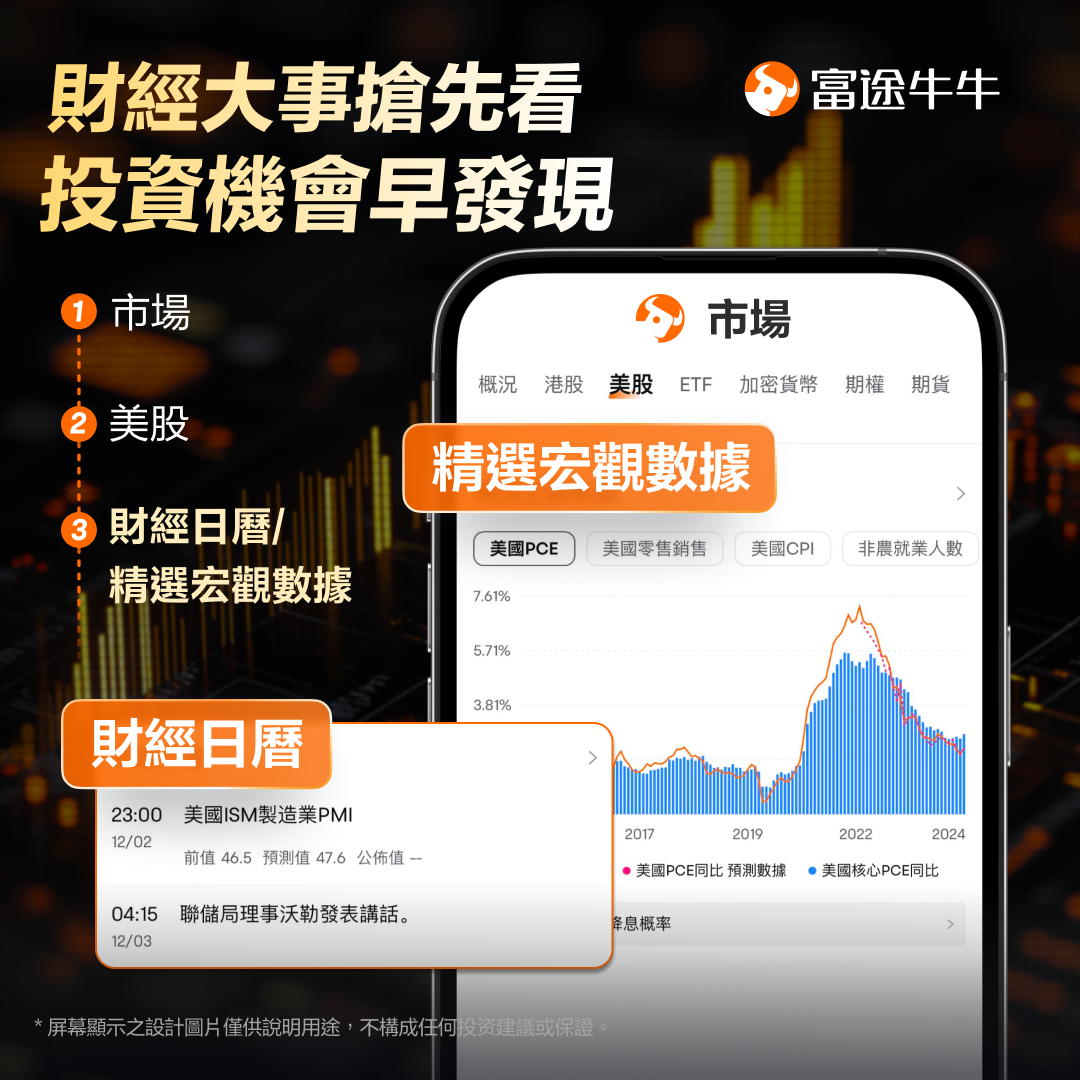
 Stay ahead of major financial events and spot investment opportunities early! Open Futubull > Market > US Stocks >Economic Calendar/Featured Macro Data, seize the investment opportunity ahead of the curve!
Editor/lambor