
Market Snapshot
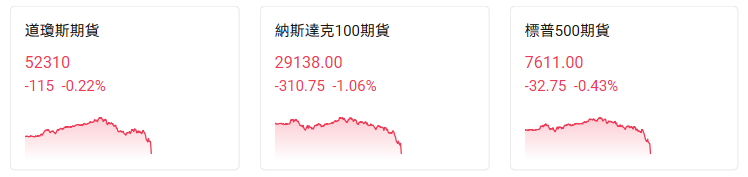
In pre-market trading on Thursday, losses in the three major index futures widened. As of press time, Dow Jones futures fell 0.22%, Nasdaq 100 futures dropped 1.06%, and S&P 500 futures declined 0.43%.
The U.S. Producer Price Index (PPI) rose 0.4% month-on-month in August, in line with the forecast of 0.40%, while the previous figure was revised up from 0.00% to 0.1%.
The U.S. PPI increased 5.4% year-on-year in August, exceeding the expected 5.3%, with the prior value revised up from 4.70% to 4.8%.
Initial jobless claims in the U.S. totaled 206,000 for the week ending September 5, slightly above the forecast of 205,000, while the previous week's figure was revised up from 206,000 to 207,000.
Following the release of the PPI data, the market fully priced in a Federal Reserve rate hike in October.
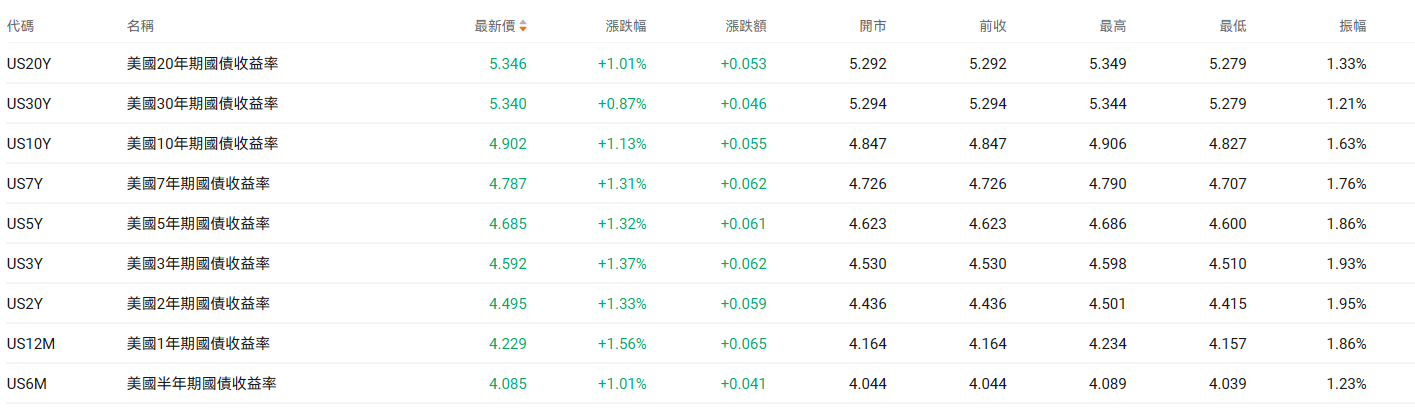
U.S. Treasury yields rose broadly, with the 30-year Treasury yield climbing to 5.34%, hitting a new high since 2007.
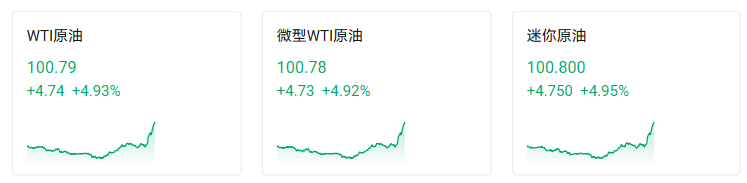
Oil prices rose by nearly 5%.
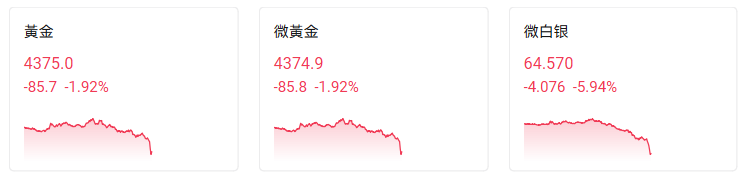
Precious metals, including gold and silver, declined.
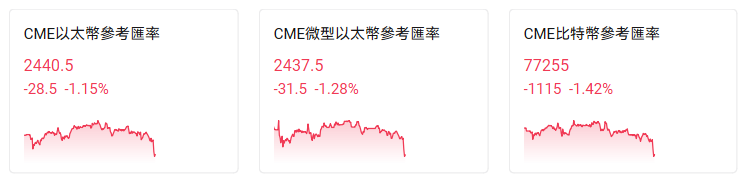
Cryptocurrencies such as Bitcoin and Ethereum fell.
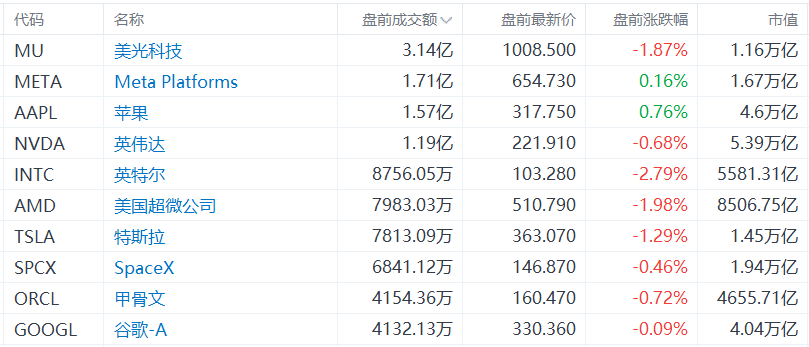
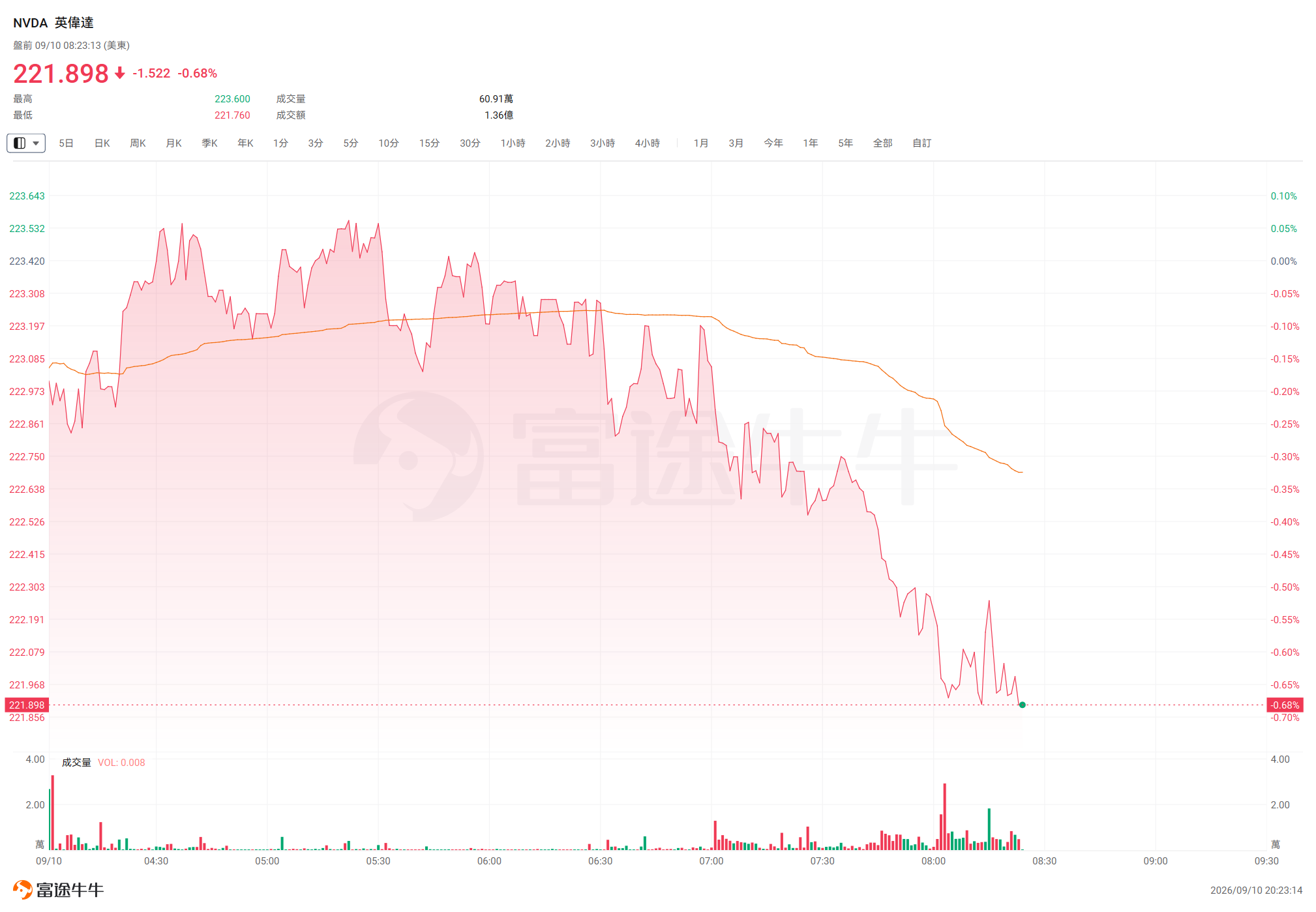
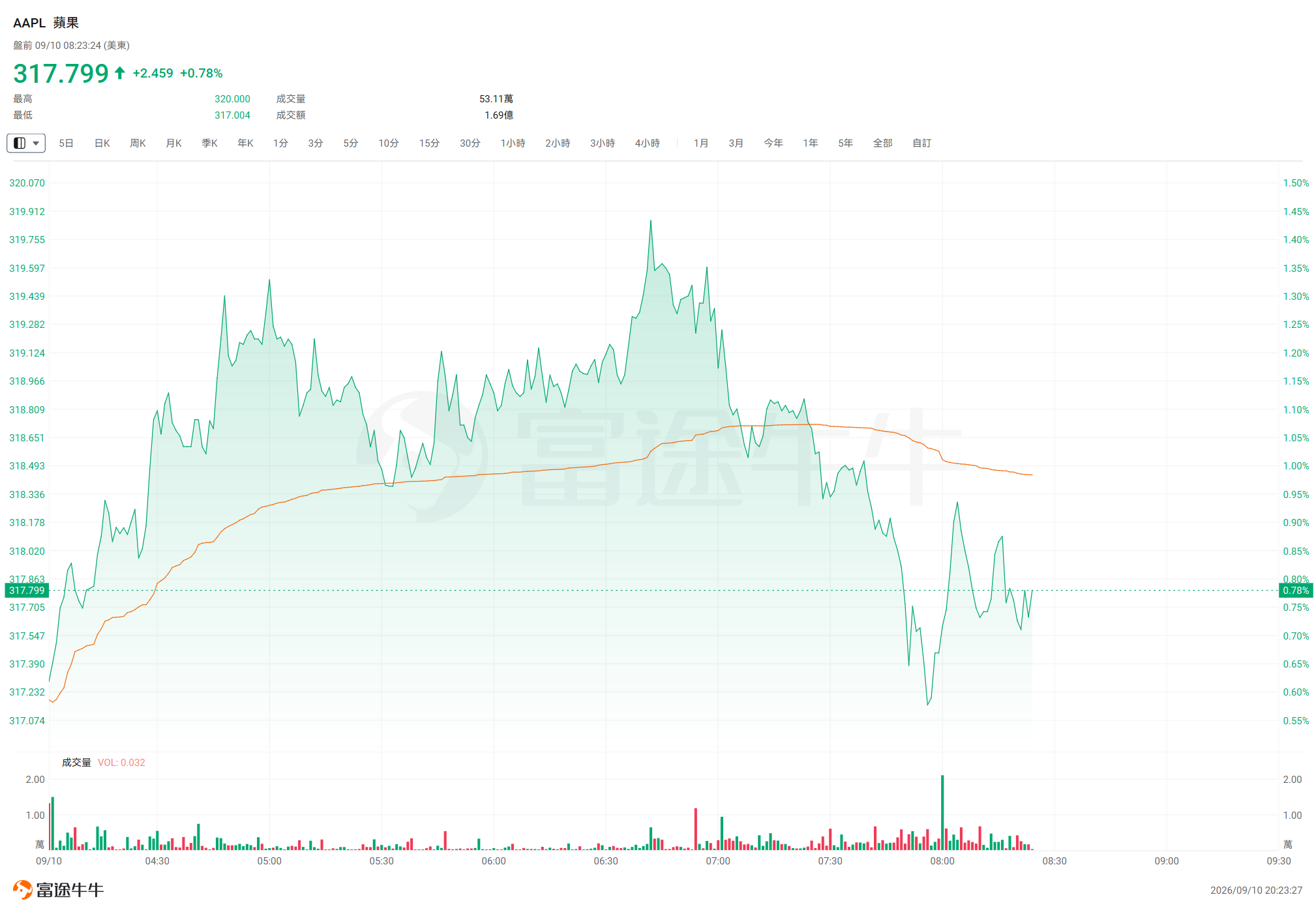
$Star Tech Stocks (LIST2518.US)$Most stocks declined in pre-market trading: Intel dropped nearly 3%, Micron Technology and AMD fell nearly 2%, Tesla slid over 1%, NVIDIA and Oracle dipped nearly 1%, while Apple rose nearly 1%.
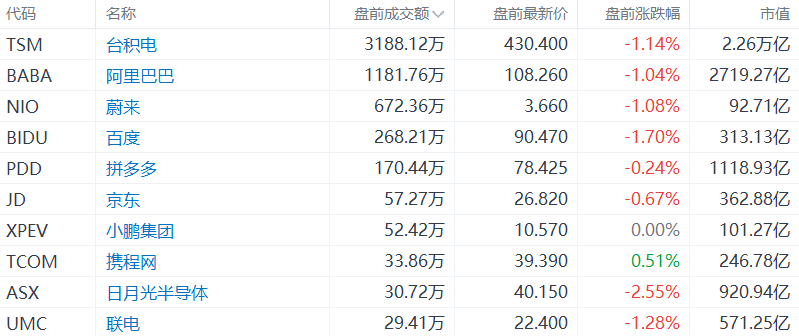
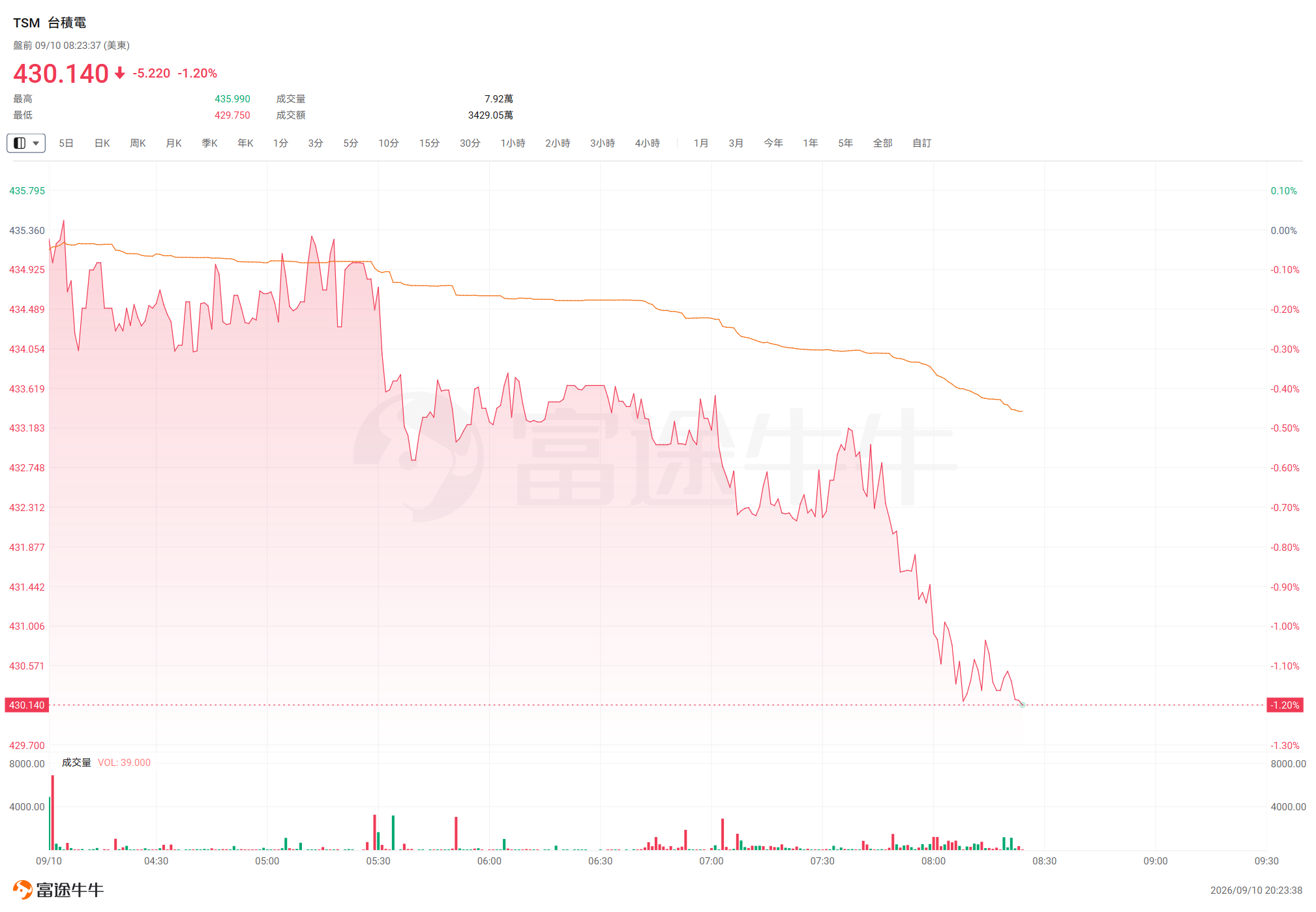
$Popular Chinese ADRs (LIST2517.US)$Most stocks traded lower in pre-market session: ASE Technology Holding fell over 2%, Baidu dropped nearly 2%, Alibaba, Taiwan Semiconductor, and Nio declined over 1%, and JD.com slipped nearly 1%.
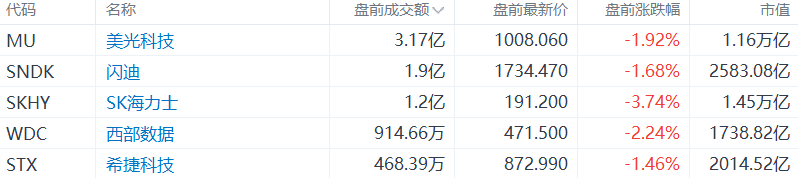
$Memory Concept Stocks (LIST23925.US)$Broad-based decline: SK Hynix fell nearly 4%, Western Digital dropped over 2%, while Micron Technology and SanDisk each declined by nearly 2%.
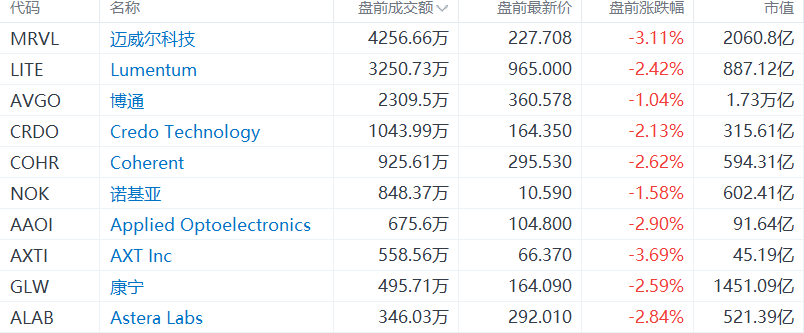
$Optical Communications (LIST23979.US)$Most stocks declined, with Marvell Technology dropping more than 1%.
Individual Stock News
The U.S. Department of Justice is reportedly investigating NVIDIA's $20 billion licensing deal with Groq amid antitrust concerns.
According to market sources, the U.S. Department of Justice is conducting an investigation,NVIDIA (NVDA.US)into whether the $20 billion licensing agreement reached with AI chip startup Groq was deliberately structured to circumvent antitrust review. Sources indicate that regulators are examining a transaction announced last December, under which NVIDIA secured rights to use Groq's technology.
As part of the deal, Groq CEO Ross and COO Madra moved to NVIDIA, although Groq itself remains an independent entity. U.S. lawmakers subsequently asserted that the transaction effectively constitutes an acquisition designed to stifle competition.
Goldman Sachs: Apple's foldable iPhone shipments could reach up to 35 million units this year
$Apple (AAPL.US)$The first foldable iPhone has officially been unveiled. Goldman Sachs believes its pricing strategy and product design have exceeded expectations, potentially opening up the mass market and providing significant benefits to the supply chain. Goldman Sachs maintains its shipment forecasts for the foldable iPhone: 14 million units in the base-case scenario for 2026, and 35 million units in the optimistic scenario.
Goldman Sachs: The worst phase of the memory chip downturn may have ended
In its latest report, Goldman Sachs stated that the worst phase of the downturn in the memory chip industry may have passed. The firm noted that the memory sector has technically formed a favorable pattern, which had been developing over several weeks: volatility in the semiconductor sector has continued to decline after peaking in July, while memory chip stocks maintained a consolidation range throughout August.
Goldman Sachs views this as a signal of initial capital accumulation. The positioning of major hedge funds warrants attention: during the broader market decline over the summer, hedge funds reduced their positions in memory chip stocks, but recent technical improvements suggest room for re-entry.
Taiwan Semiconductor: Revenue increased by 39.3% year-on-year from January to August
$Taiwan Semiconductor (TSM.US)$Announced revenue report for August 2026. Consolidated revenue for August 2026 was approximately NTD 514.806 billion, an increase of 10.1% from the previous month and 53.3% from the same period last year. Cumulative revenue from January to August 2026 amounted to approximately NTD 3.38687 trillion, representing a 39.3% increase year-on-year.
JPMorgan: Initiates coverage of SK Hynix with an "Overweight" rating and a target price of $245, recommending buying on dips.
JPMorgan issued a research report initiating$SK Hynix (SKHY.US)$an "Overweight" rating with a target price of $245, based on a 20% ADR premium over its South Korean stock target price. The bank expects the memory upcycle driven by artificial intelligence to last more than five years and forecasts that SK Hynix's earnings per share will achieve a compound annual growth rate of 34% over the next two years.
The company has secured over 50% of its capacity through long-term agreements and increased its shareholder return pool to more than 50% of free cash flow, which is expected to drive a valuation re-rating. The bank remains bullish on the outlook for the memory industry and advises investors to buy SK Hynix on dips.
Semaglutide Injection Approved for Indication in Metabolic Dysfunction-Associated Steatohepatitis
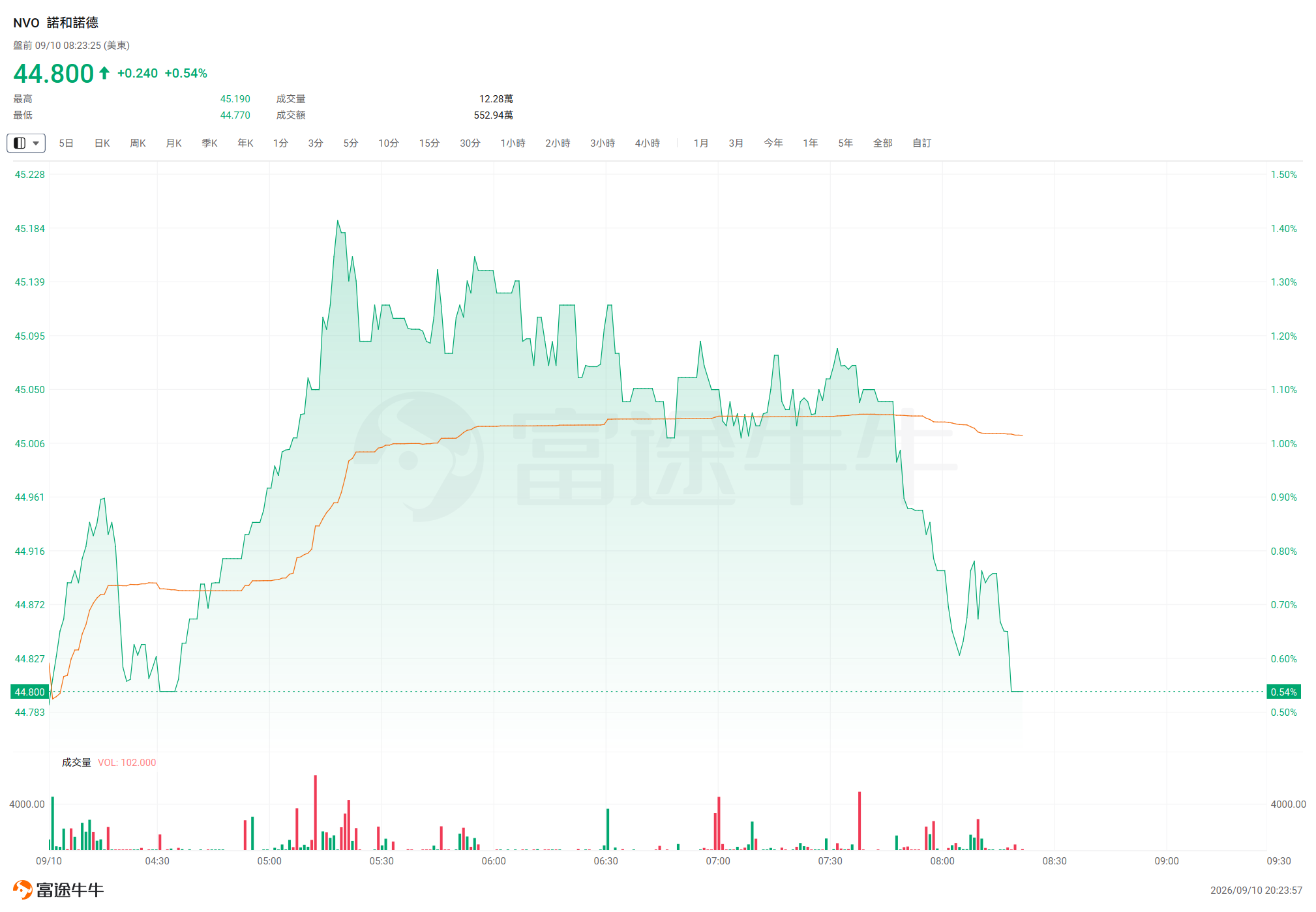
According to$Novo-Nordisk A/S (NVO.US)$According to news from the China R&D Center, the marketing application for semaglutide injection (brand name: NovoNorm®) for the treatment of metabolic dysfunction-associated steatohepatitis (MASH) was approved by the National Medical Products Administration of China today. It is indicated for non-cirrhotic adult patients with MASH accompanied by moderate to severe liver fibrosis (consistent with stage F2-F3 fibrosis), becoming the first and only GLP-1RA class drug approved for the treatment of MASH.
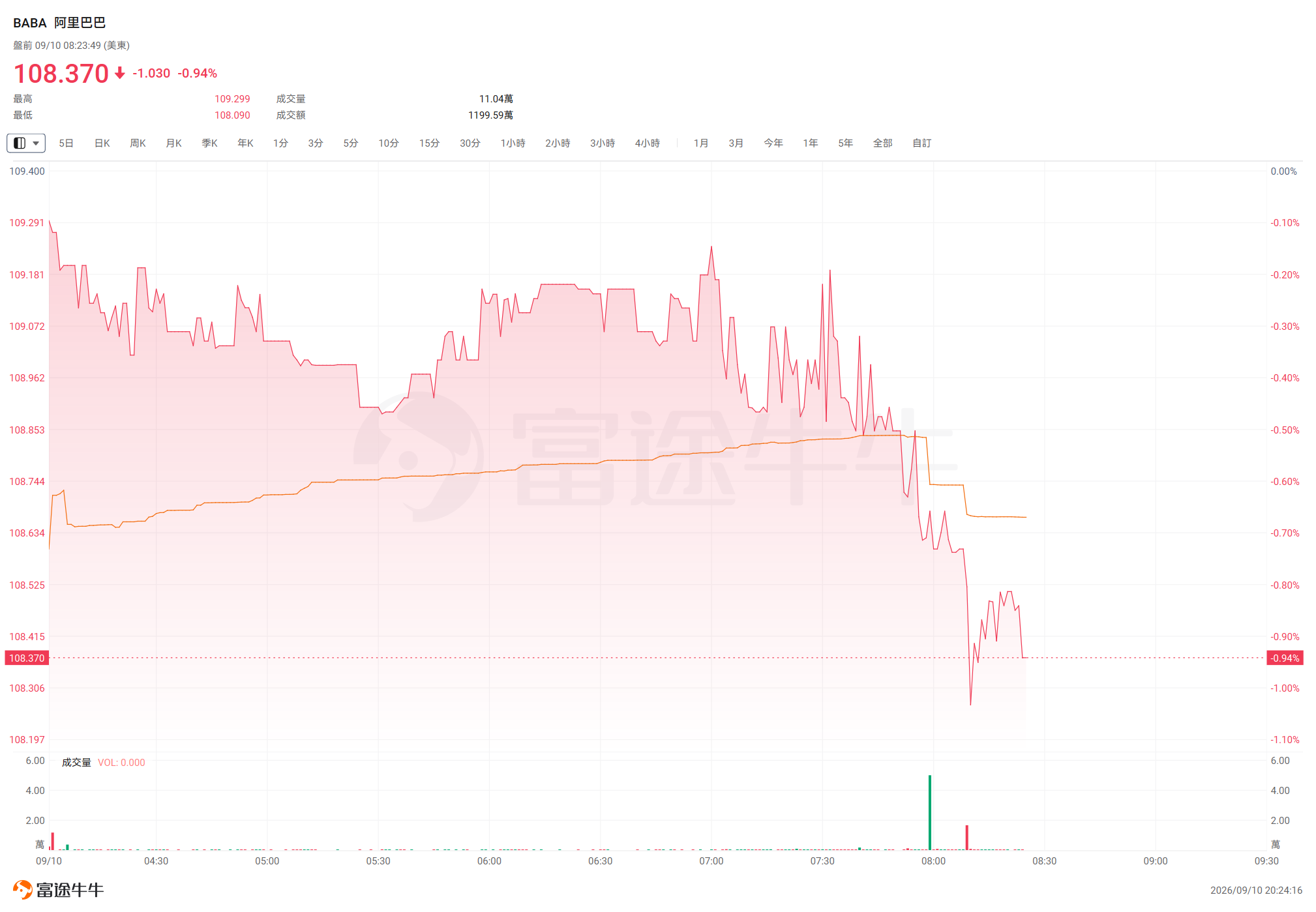
Qianwen's new AI glasses displayed under "confidentiality" protocols; will feature iris payment capability, with pricing potentially lower than S1.
According to Sina Technology,$Alibaba (BABA.US)$Qianwen's new AI glasses appeared at the AI payment exhibition area of the 2026 Bund Conference. The glasses were largely covered with black masking material, making it temporarily impossible to determine further functional and hardware details. Sina Technology learned that the product is named "N1" and will introduce iris recognition capabilities for the first time, with a false acceptance rate of less than one in a million. It can track cashier devices via eye movements in complex environments, allowing identity verification simply by wearing them. Staff at the booth also revealed that, as the new glasses do not have a display screen, the pricing may be lower than that of the S1.
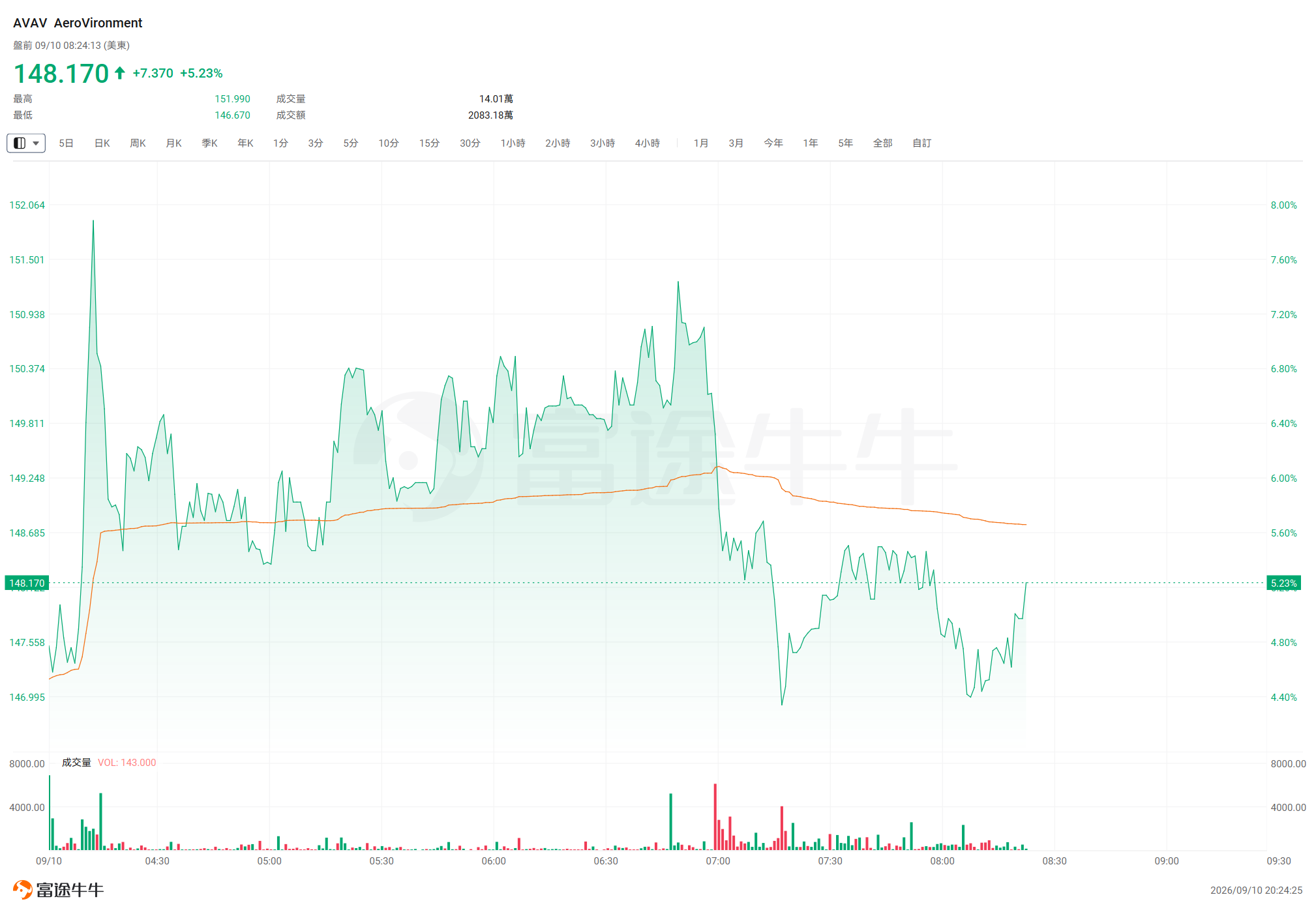
AeroVironment rises more than 5% in pre-market trading; Q1 results exceed expectations, and backlog hits a record high.
Defense contracting$AeroVironment (AVAV.US)$The company reported first-quarter results that exceeded expectations, with revenue rising 6% year-over-year to $481 million, a record high for the period and surpassing analysts' consensus of $456 million. Adjusted earnings per share (EPS) increased to $0.59 from $0.32 in the same period last year, more than double the analysts' expectation of $0.25. During the period, revenue from the Autonomous Systems segment grew 21% to $346 million. As of August 1, 2026, funded backlog reached a record $1.5 billion.
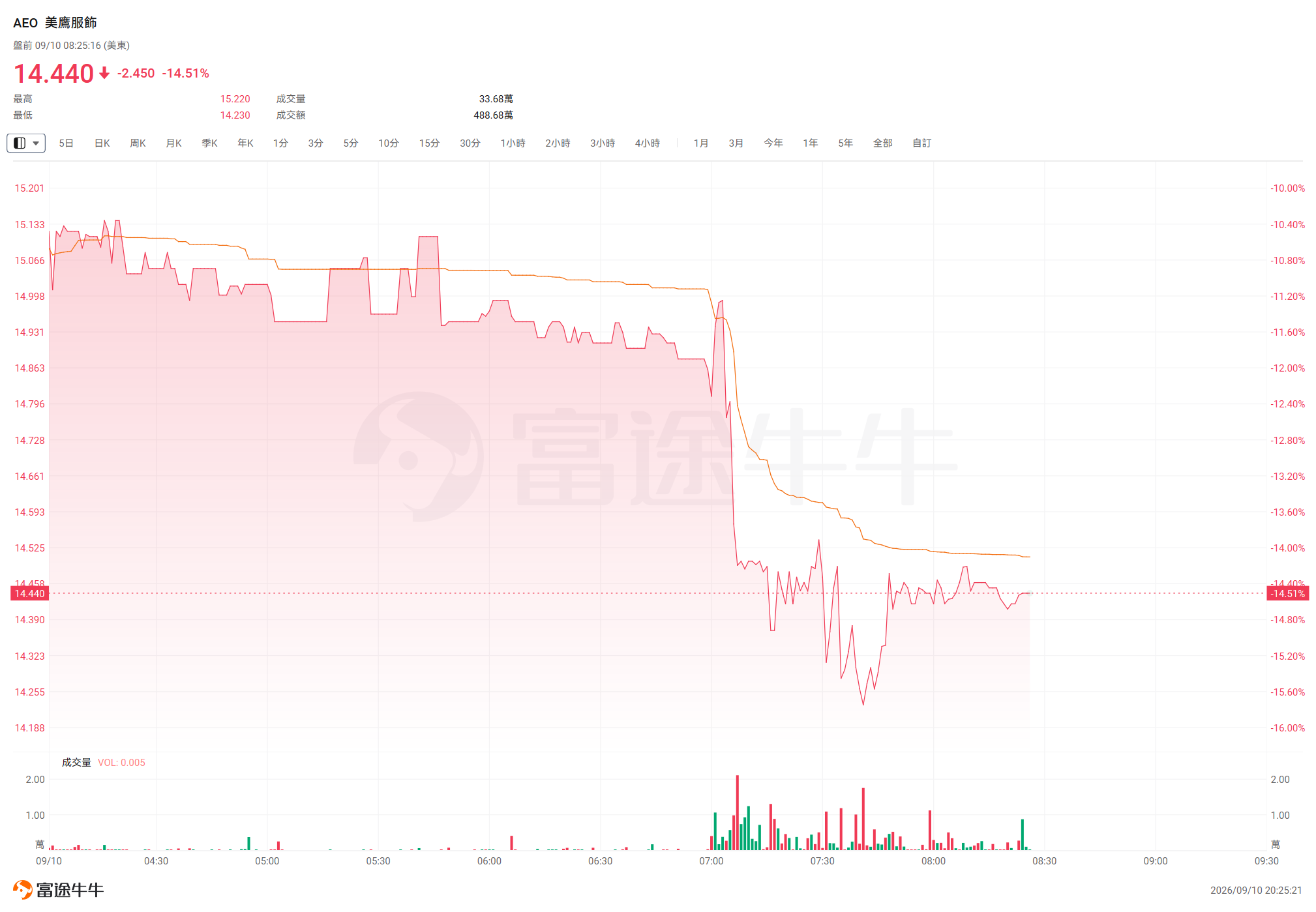
American Eagle Outfitters shares fell more than 14% in pre-market trading. Q2 earnings beat expectations solely due to a "windfall gain," while full-year guidance was lowered.
U.S. apparel retailer$American Eagle Outfitters (AEO.US)$The company reported its fiscal 2026 second-quarter results. On the surface, Q2 performance appeared strong: revenue reached $1.38 billion, up 8% year-over-year and slightly exceeding expectations; adjusted EPS was $0.79, far surpassing the analysts' consensus of $0.22. However, the core driver of the significant profit surge was a one-time tariff refund. The company recorded a net gain of approximately $161 million after the U.S. Supreme Court ruled IEEPA tariffs unlawful, contributing an expansion of 1,170 basis points to the operating margin. Excluding this item, the operating margin was only about 3.6%.
The company significantly raised its full-year operating income forecast from $390–410 million to $540–550 million, but this upward revision stemmed almost entirely from the tariff refund rather than operational improvements. The CFO admitted during the conference call that the primary reason for lowering the outlook was the adjustment of expectations for the AE brand from "low single-digit positive growth" to "flat," coupled with the need for continued discounting to clear inventory.
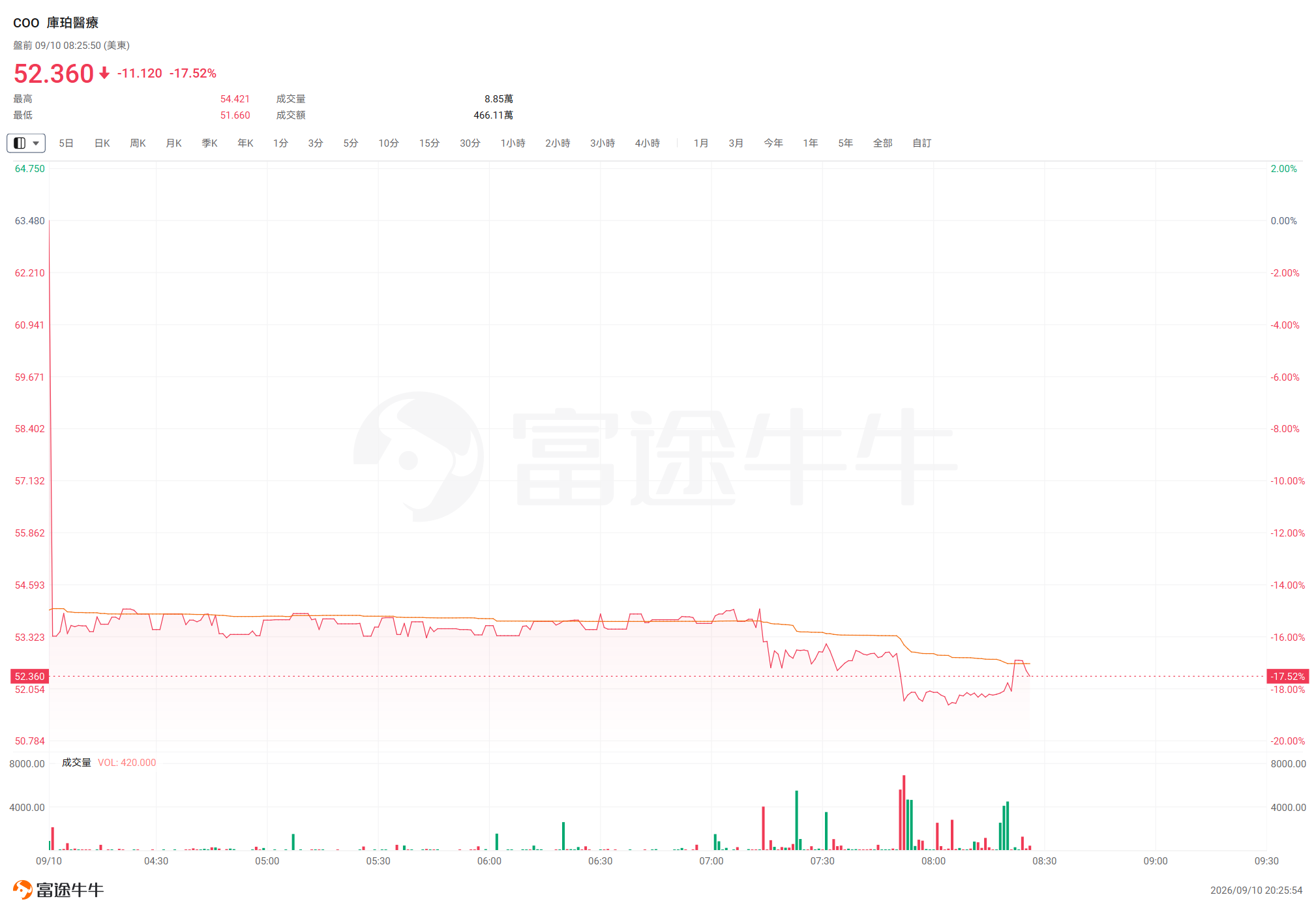
CooperCompanies shares plunged more than 17% in pre-market trading as Q3 revenue missed expectations and full-year guidance was significantly lowered.
$CooperCompanies (COO.US)$The company released its fiscal 2026 third-quarter results for the period ended July 31 after the market close yesterday. Although EPS slightly exceeded expectations, revenue fell short, and the company significantly lowered its full-year guidance. Additionally, it announced the conclusion of a strategic review, deciding to retain rather than sell its CooperSurgical business. The convergence of these negative factors led to a sharp drop in the stock price in after-hours trading.
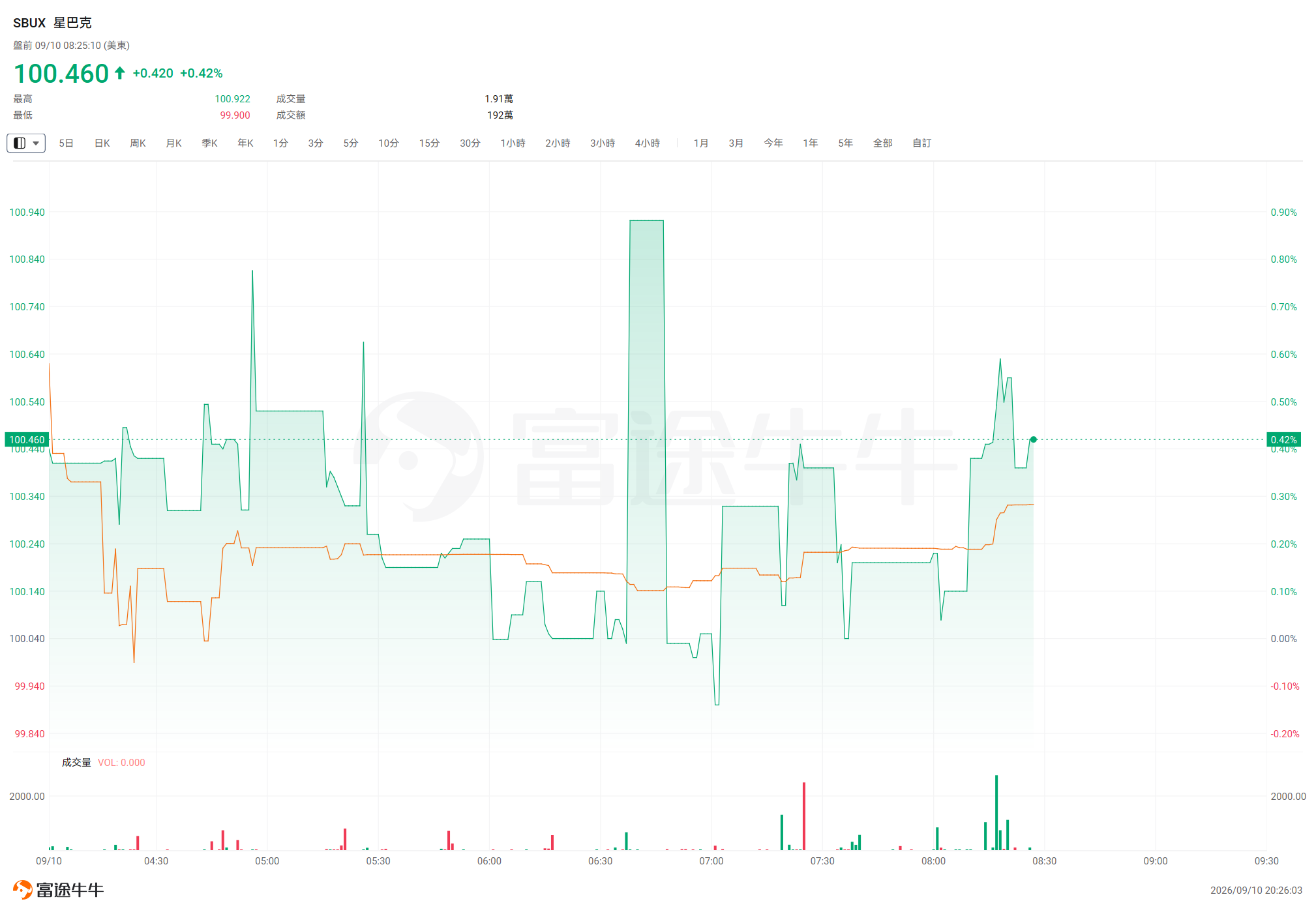
Starbucks plans to invest $1 billion to renovate up to 9,000 stores.
$Starbucks (SBUX.US)$Dawn Clark, Senior Vice President of Coffee Store Design and Concepts, stated that Starbucks is investing $1 billion to redesign up to 9,000 stores. Clark noted that the new design aims to foster a sense of community belonging, with changes including an increase in seating capacity.
Major shareholders of Novartis AG call for board restructuring, citing disappointing acquisition performance.
$Novartis AG (NVS.US)$Major shareholders are calling for a board restructuring to improve corporate governance. This follows a record single-day drop in the company's stock price this week due to setbacks in consecutive clinical trials. Major shareholder David Samra stated, "Past chairmen have been disappointing in terms of acquisitions, and the company needs to change how it oversees deals."
He also urged Novartis Chairman Giovanni Caforio to take action. Samra stated, "I believe changes are needed at the board level. One of these should be improving the team responsible for these transactions, as their performance has clearly been mediocre at best."
Global Macro
Market bets on an October rate hike following the release of August PPI data
Data show that the U.S. Producer Price Index (PPI) rose 5.4% year-on-year in August, exceeding the market expectation of 5.3%, while the core PPI increased by 0.2% month-on-month, falling short of the anticipated 0.3%. These figures send mixed signals as Federal Reserve officials debate whether to raise interest rates next week. Following the release of the PPI data, the market fully priced in a rate hike by the Fed in October. This PPI report was released one day before the latest Consumer Price Index (CPI) data, which is expected to show relatively moderate core inflation.
Some Federal Reserve officials have hinted that the interest rate decision at the September 15-16 meeting may depend on the insights revealed by this week's reports. Federal Reserve Chair Walsh stated in a speech last month that if policymakers cannot be confident that underlying inflation trends are improving significantly, the Federal Reserve "still has work to do." Amid ongoing hostilities between the U.S. and Iran, a renewed rise in oil prices could further complicate the outlook.
OPEC further lowers its forecast for global oil demand growth in 2026
OPEC Monthly Report: Raised the forecast for global oil demand growth in 2027 to 2.36 million barrels per day (previously forecast at 2.16 million barrels per day). Lowered the forecast for global oil demand growth in 2026 to 380,000 barrels per day (previously forecast at 580,000 barrels per day).
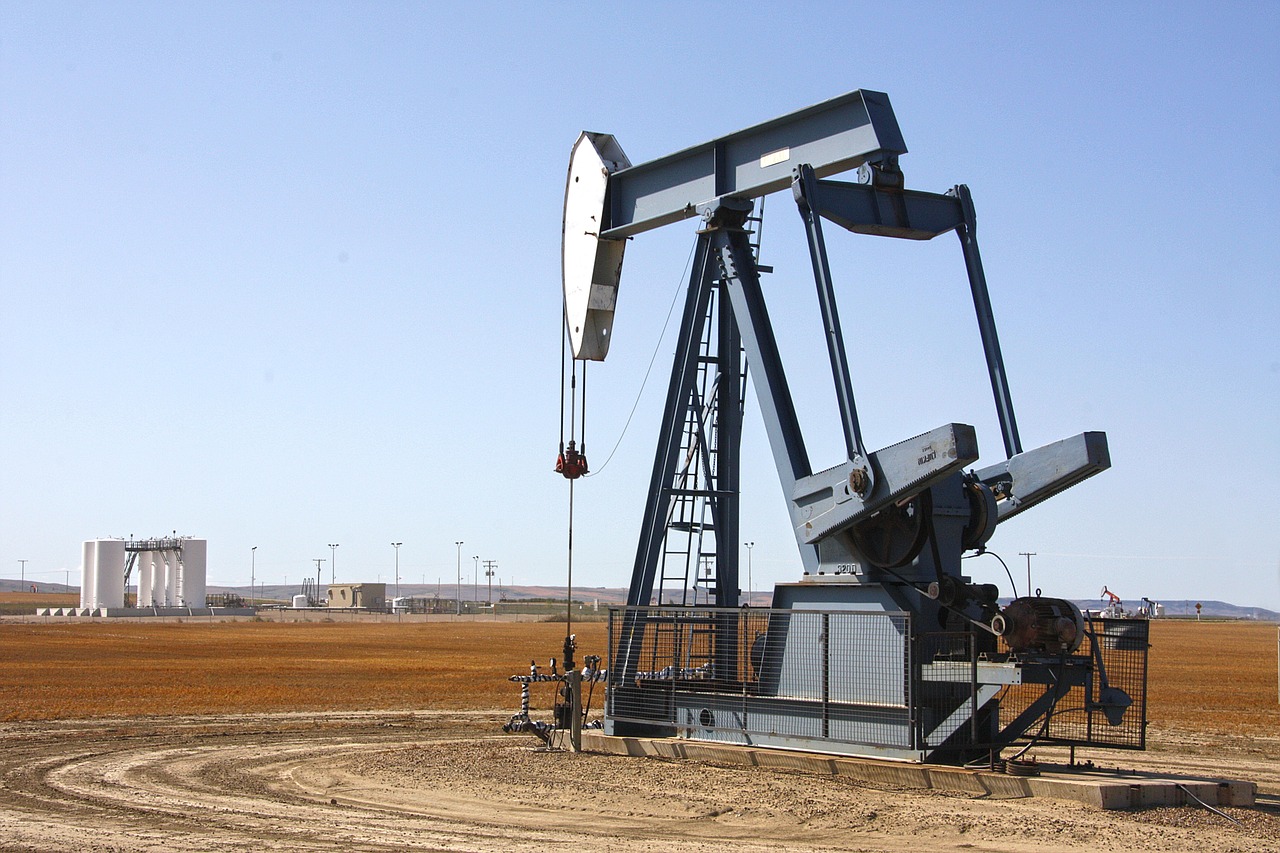
Iran temporarily suspends 10% surcharge on energy freight; pressure on the Strait may ease
According to Iran's Fars News Agency, Iran announced a temporary suspension of the 10% freight surcharge on foreign vessels transporting energy products into and out of the country. This move represents a tactical adjustment amid ongoing maritime tensions in the Strait of Hormuz, a critical shipping channel vital to global energy supplies.
Geopolitical analyst Estefano Gomez stated that the suspension is viewed as a strategic shift in how Iran regulates foreign maritime traffic, potentially alleviating immediate pressure on shipping routes but not indicating a broader de-escalation of regional conflicts. This decision may influence market perceptions regarding the likelihood of Iran implementing such fees before the end of October.

White House advisors told Trump that the war with Iran could last until the end of his term
According to a U.S. official, senior White House advisors have privately warned Trump that a war with Iran could persist until the end of his term. Reports indicate that during discussions in the Oval Office and the Situation Room, Vice President Vance, Secretary of State Rubio, and others discussed with the President the possibility that Tehran might continue to resist U.S. pressure through blockades and other military strategies, potentially extending the conflict beyond the next presidential inauguration in January 2029. However, Trump stated that he expects the conflict with Iran to conclude after the U.S. midterm elections in November this year.
Sources: White House plan for copper tariffs stalls
According to Reuters, two sources familiar with the matter stated that the White House has not yet made a decision on tariffs for refined copper, as officials weigh the potential rise in manufacturing costs due to higher copper prices against the benefits of encouraging domestic mining. This hesitation comes amid growing government concern over affordability ahead of the November midterm elections, with Trump and Republican lawmakers under pressure to demonstrate that their economic policies are lowering, rather than raising, costs for American consumers and businesses.
Copper prices have surged to record highs amid expectations that Trump will impose tariffs on refined copper products, such as cathode copper, as well as copper concentrates produced by mines. Traders and industrial buyers are racing to build up inventories in the United States to stockpile before the new tariffs take effect, creating one of the largest copper stockpiles globally.
A White House official stated that the administration has not made a final decision on tariffs and confirmed that the Department of Commerce submitted an update to Trump before the June 30 deadline set by the White House. The official said, "The administration continues to evaluate all options to reshore copper and other critical manufacturing to the United States." These remarks suggest that tariffs are not yet a foregone conclusion, although market expectations point to a possible expansion of existing tariffs to include refined copper.
South Korea to announce over $100 billion in energy investment in the U.S. to support AI infrastructure
According to The Wall Street Journal, the South Korean government is poised to announce a major energy investment project in the United States to support American artificial intelligence infrastructure, marking long-awaited progress in the trade agreement reached between Washington and Seoul last year. Sources familiar with the matter revealed that the deal, with a potential value exceeding $100 billion, plans for South Korea to fund the construction of up to eight nuclear power plants and one natural gas project. Last October, Trump and Lee Jae-myung reached an agreement under which the U.S. would reduce most tariffs from 25% to 15%, including those on the South Korean automotive industry.
In exchange, South Korea pledged to invest $350 billion in the U.S. and purchase an additional $100 billion worth of American energy. The lack of concrete projects thus far has drawn dissatisfaction from U.S. officials, including Trump, who threatened in January to raise tariffs on South Korea again. The two sides are currently close to finalizing two agreements, which could be announced as early as next week. Negotiations are ongoing, and details regarding the investments and the timing of the announcement may still change.

Concerns over AI existential risks escalate; U.S. Senate subcommittee launches investigation into OpenAI
Reports indicate that a Republican-led subcommittee of the U.S. Senate responsible for disaster management is investigating OpenAI's handling of the July Hugging Face breach. In a letter to OpenAI CEO Sam Altman, Republican Senator Josh Hawley of Missouri wrote, "As you know, there is growing warning from AI experts in the public domain regarding the existential risks of AI."
He added, “Just this week, three Anthropic researchers publicly stated that the probability of AI killing all of humanity within the next decade exceeds 10%.” Hawley wrote that this survey was a response to the conclusions of an internal investigation recently released by OpenAI. The Hugging Face breach marks a turning point in the history of AI, prompting OpenAI to slow down its model releases and driving the industry to raise alarms about AI-driven cyberattacks.
Ministry of Commerce: China and the U.S. are negotiating a framework for reciprocal tariff reductions covering $30 billion
At the regular press conference held by the Ministry of Commerce on the 10th, spokesperson Huang Ling, in response to relevant questions, stated that the Chinese and U.S. economic and trade teams are earnestly implementing the consensus reached by the two heads of state during their meeting in Beijing. They are currently negotiating a framework for reciprocal tariff reductions on $30 billion worth of goods, aiming for early implementation.
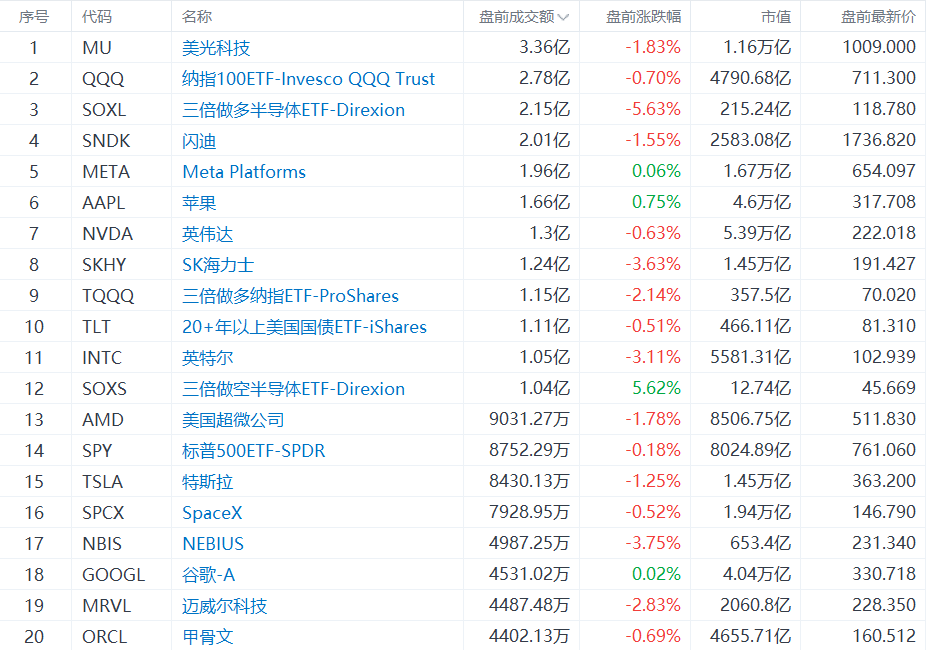
Top 20 U.S. Stocks by Premarket Trading Volume
U.S. Equity Market Macro Calendar Reminder
(All times listed below are in Beijing Time)
22:00 U.S. August Annualized Existing Home Sales (in thousands)
22:00 U.S. July Wholesale Sales MoM
22:30 U.S. EIA Natural Gas Stocks for the Week Ending September 4 (in billion cubic feet)
Early the following morning
00:00 U.S. EIA Crude Oil Inventories for the Week Ending September 4 (in thousand barrels)
00:00 U.S. EIA Strategic Petroleum Reserve Stocks for the Week Ending September 4 (in thousand barrels)
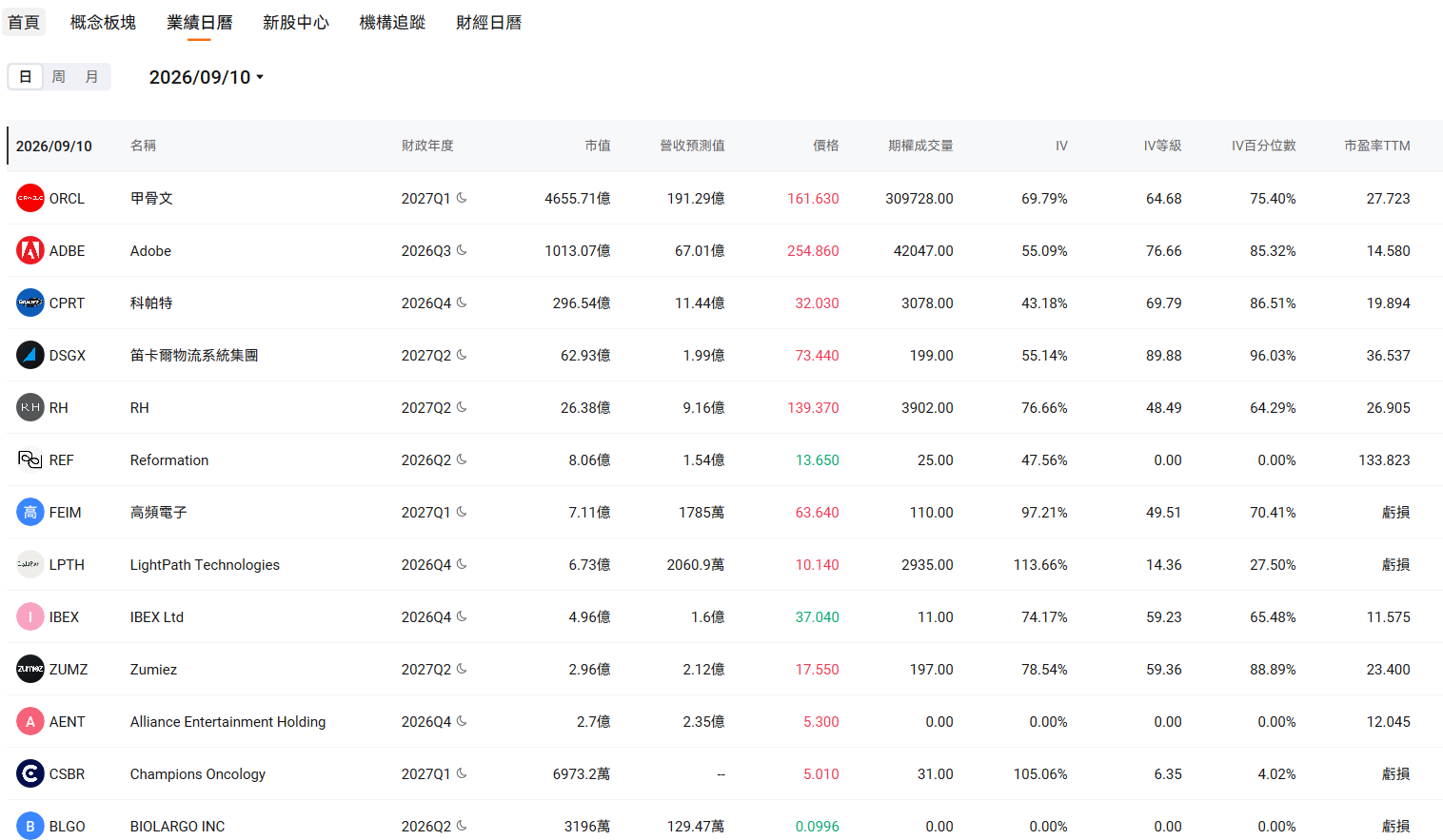
After-Hours Earnings
$Oracle (ORCL.US)$、$Adobe (ADBE.US)$、$Copart (CPRT.US)$
 Looking to select stocks or analyze your holdings? Want to understand the opportunities and risks in your portfolio? For any investment-related questions,just ask Futubull AI!

Editor/melody