In August, the U.S. CPI rose 0.4% month-on-month on a seasonally adjusted basis (versus 0.1% the previous month) and 3.4% year-on-year (unchanged from the prior month). Core CPI increased 0.3% month-on-month (up from 0.2% in July) and 2.4% year-on-year (down slightly from 2.5% in July), marginally exceeding market expectations. The month-over-month rebound in inflation was driven primarily by higher energy prices, telecom rate hikes, and persistent inflationary pressures stemming from artificial intelligence. We believe this CPI report has already met the Federal Reserve's threshold for raising interest rates, so we expect the Fed to hike by 25 basis points at its September 16 meeting. Moreover, the Fed may revise down its unemployment forecast and raise its inflation projections, while the dot plot could project higher rate paths through 2027 and 2028, signaling a more prolonged tightening cycle. A more hawkish scenario—namely, additional rate hikes later this year or next—could prompt the market to reprice the outlook for a longer-lasting hiking cycle.
Inflation rebounded month-on-month, with energy costs continuing to rise.
The primary driver of the inflation rebound is energy costs. With oil prices rising, the energy component of the CPI rose 2.1% month-over-month in August on a seasonally adjusted basis, with gasoline up 3.9%, accounting for more than one-third of the overall CPI increase. Fuel oil prices surged 10.1% month-over-month. Looking ahead, since September, geopolitical tensions in the Middle East have shown no signs of easing, and WTI crude has broken through $100 per barrel, suggesting that energy‑related inflationary pressures will continue to weigh on September's CPI data. As of the first week of September, the U.S. average price of AAA gasoline had climbed to $4.15 per gallon, the highest level in three months, while diesel prices surpassed $6 per gallon for the first time in history.
Service inflation has become more sticky, partly due to price adjustments by telecom operators. In August, non‑rent core services (supercore) prices rose 0.5% month over month, the largest increase since January. Among them, wireless telephone services surged 5.9% month over month, accounting for nearly half of the overall rise. Wireless telephone service prices are highly sensitive to plan offerings and promotional deals[1]. Since late last year, major carriers have cut plan prices twice, which at one point pushed this component's monthly CPI down sharply. However, operators have recently resumed raising prices; AT&T has increased monthly fees for some existing plan subscribers starting in August[2]. Moreover, with oil prices climbing, airfare prices rose an additional 2.7% in August after a 2.2% jump the previous month, while hotel prices reversed their previous two months of month‑over‑month declines to post a 2.7% increase. All these trends indicate that demand related to out‑of‑home activities and travel remains robust.
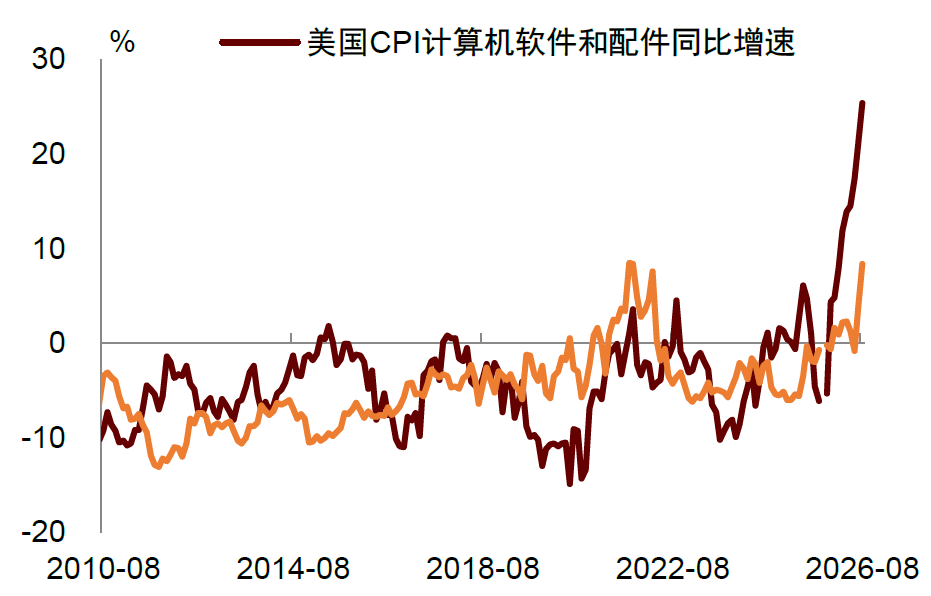
 Consumer‑goods inflation remains relatively moderate, but AI‑related inflationary pressures persist. Excluding energy and food, core goods prices edged up 0.1% month over month in August, driven largely by increases in new‑car prices (+0.3%) and used‑car prices (+0.4%). Meanwhile, price pressures stemming from the surge in data‑center construction continue: on a year‑over‑year basis, computer software and related components surged 25.4%, marking the largest annual increase on record, while prices for computers, peripherals, and smart‑home assistants rose 8.4%, a gain that also nears historic highs.
Overall, while August inflation did not significantly exceed expectations, it also failed to signal a clear easing. Meanwhile, the previously released August PPI came in slightly above forecasts, with several components included in the core PCE—such as airfares, medical services, and legal services—remaining notably elevated. This suggests that the year-on-year growth rate of the core PCE in August may have remained unchanged from July, indicating that progress in bringing inflation down remains sluggish.
FOMC Outlook: Rate Hikes Now in Place—Beware of Hawkish Signals
Based on the latest inflation data, we expect the Federal Reserve to raise interest rates at its September 16 meeting. At the Jackson Hole symposium, Fed Chair Jerome Powell made it clear that U.S. inflation remains too high and that the Fed stands ready to act as circumstances warrant. A week later, Fed Governor Christopher Waller provided an even more explicit policy reaction function: if August CPI declines or stays flat, no rate hike would be necessary; but if it rebounds, a rate increase would be called for. With oil prices continuing to rise since September and CPI inflation facing further upside risks, the threshold set by Waller has now been reached. Accordingly, we anticipate that the Fed will raise its policy rate to a range of 3.75%–4% at next week's meeting.
Another key focus of next week's meeting will be the signals the Federal Reserve is likely to send. We expect the Fed to: 1) lower its year-end unemployment forecast, revising it from 4.3% in June to 4.1%; 2) raise its year-end inflation projections, with overall PCE rising from 3.6% to 3.8% and core PCE increasing from 3.3% to 3.4%; and 3) keep its dot plot unchanged, with the median policy rate remaining at 3.8% for this year, while revising upward its rate outlook for the next two years—raising the 2027 projection from 3.6% to 3.8% and the 2028 projection from 3.4% to 3.6%.
We believe that the aforementioned adjustments signal the Federal Reserve's intention to convey a key message: combating inflation is its top priority at present, and the tightening stance will remain in place for an extended period until substantial progress is made on the inflation front; interest-rate cuts are no longer under consideration.
In addition, we caution that a more hawkish risk scenario remains possible: the dot plot could signal room for further rate hikes either within the year or next year. Supporting this scenario are factors such as robust AI‑related investment, an upturn in the manufacturing cycle, a resurgent labor market, accommodative financial conditions, persistently high oil prices, and inflation well above the policy target. Should this materialize, markets could reprice a longer‑lasting and more aggressive tightening cycle.
For the market, a rate hike is not necessarily a bad thing; the real concern would be a failure to raise rates. Following the release of August CPI data, the market swiftly raised its probability of a Fed rate hike next week to nearly 90%, pushing the 2-year Treasury yield up by about 4 basis points, while the 10-year yield remained largely unchanged and the 30-year yield edged down 2 basis points, flattening the yield curve. Meanwhile, U.S. stocks rallied, with all three major indices gaining close to 1%; gold surged higher before retreating, essentially returning to its pre‑CPI level. These developments suggest that the market welcomes the Fed's impending rate‑hike decision. Timely rate hikes and maintaining policy credibility are the right steps to stabilize markets and re‑anchor inflation expectations.
Figure 1: Due to the decline in oil prices, the year-on-year growth rate of the CPI fell in August.
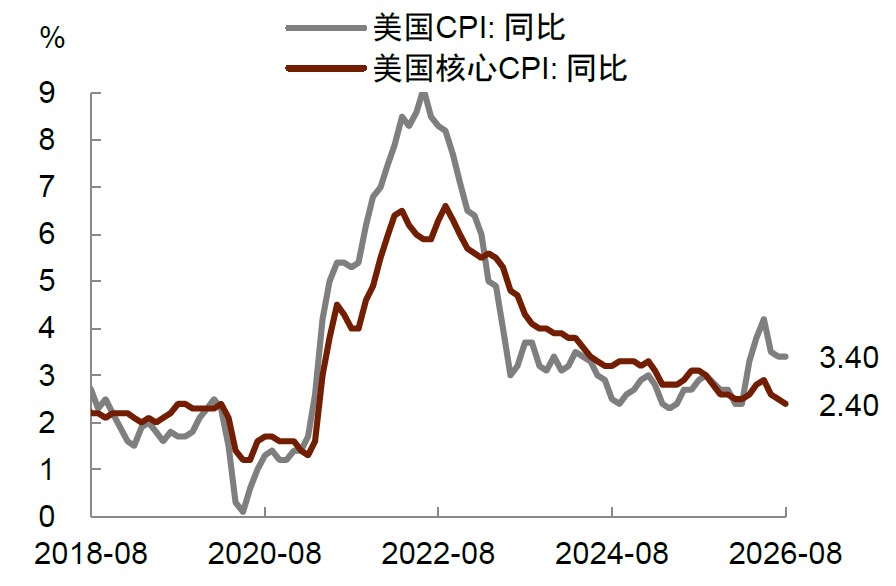
Figure 2: Crude oil prices continue to rebound, breaking through $100 per barrel.
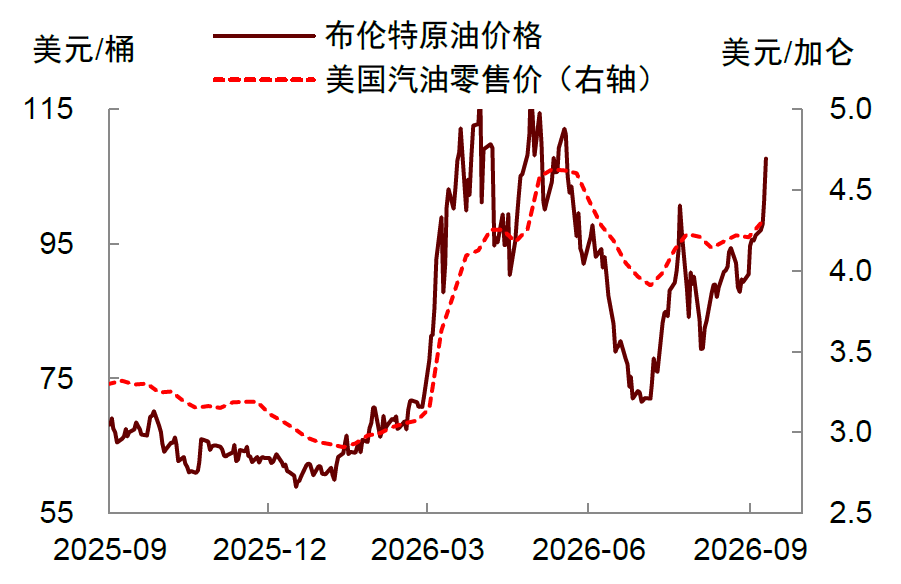
Chart 3: Core non‑rent services inflation rebounded month‑over‑month to 0.5%
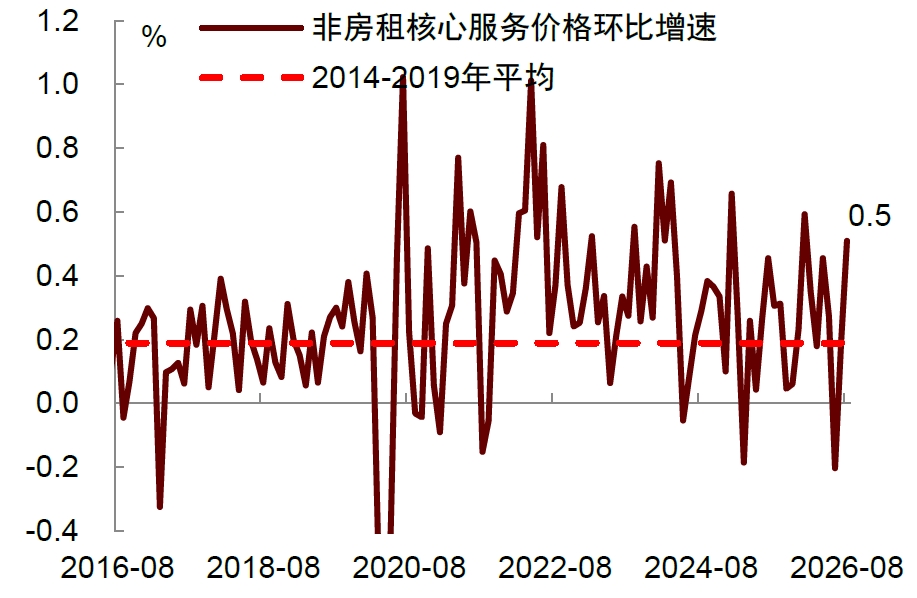
Figure 4: Significant month-over-month increase in wireless telephone service prices
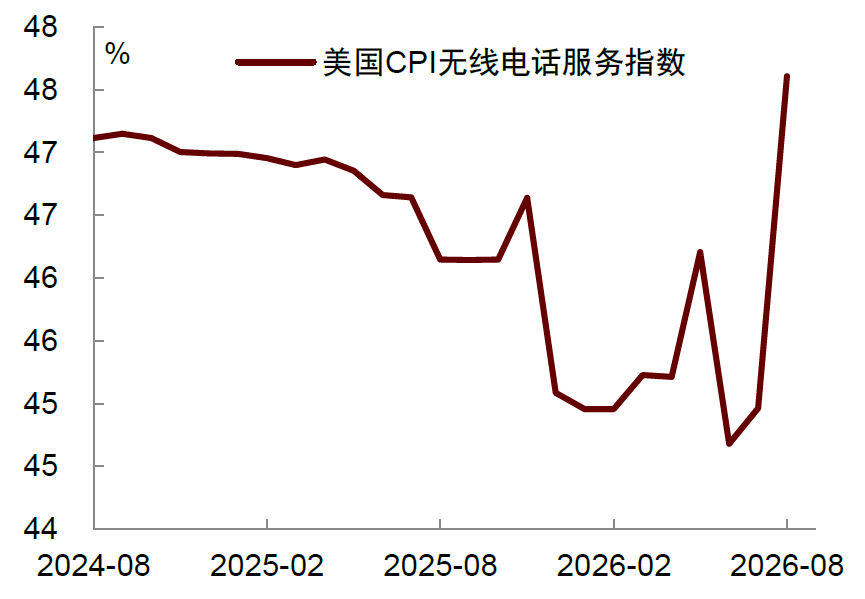
Figure 5: Core Goods Inflation Remains Generally Moderate
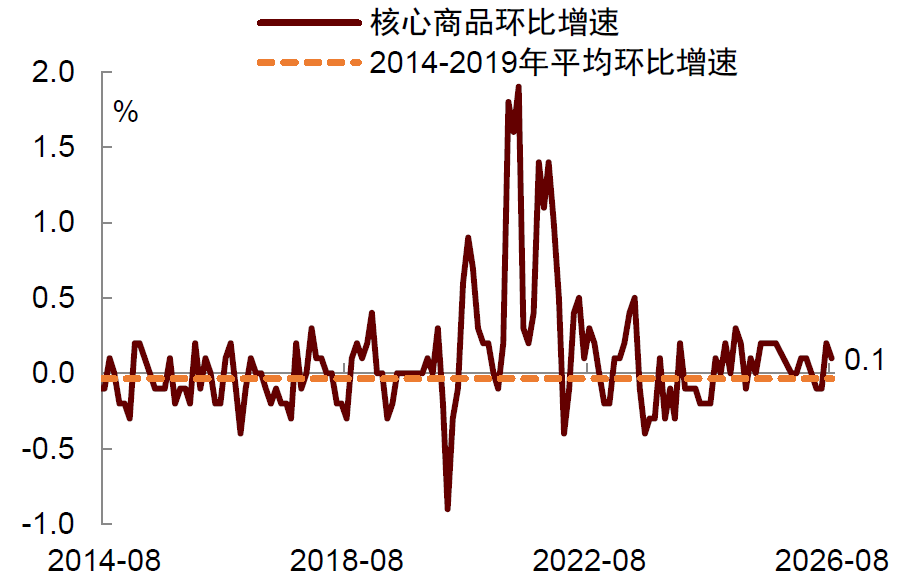
Figure 6: AI-Related Inflationary Pressures Remain Ongoing
[1] The BLS compiles its index based on plan prices and service characteristics, incorporating applicable discounts into monthly fee calculations; therefore, plan updates and discount adjustments may affect price trends. https://www.bls.gov/cpi/factsheets/wireless-telephone-service.htm
[2]https://www.att.com/support/article/wireless/000118790/
Editor/Jeffy