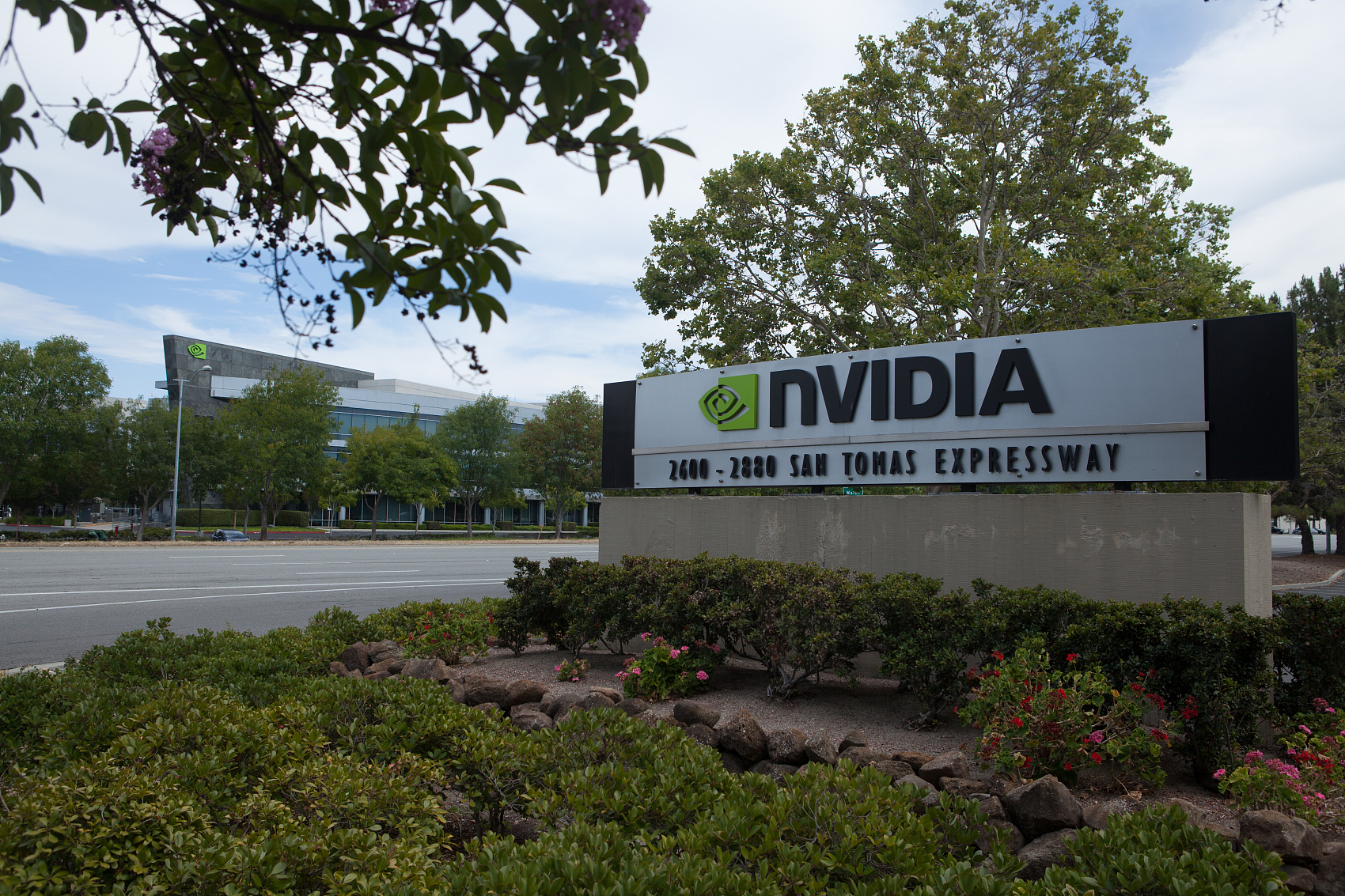
NVIDIA, Google, and Emerald AI have established the AI Energy Management Alliance (AEMA), aiming to transform AI data centers from "passive loads" into dispatchable grid resources. The alliance will promote flexible adjustments in data center power consumption based on real-time grid conditions and explore faster pathways for grid integration. It is estimated that enhancing the flexibility of data center power usage could unlock up to 100 gigawatts of existing grid capacity, alleviating the power constraints hindering AI expansion.
$NVIDIA (NVDA.US)$、$Alphabet-C (GOOG.US)$By partnering with Emerald AI to form an industry consortium, the company aims to fundamentally transform the relationship between data centers and the power grid, turning AI infrastructure from a passive electricity consumer into a dispatchable grid resource.
On September 16, 2026, three companies announced the establishment of the AI Energy Management Alliance (AEMA), with the core goal of enabling data centers to dynamically adjust their power consumption in response to real-time grid conditions. NVIDIA and Emerald AI are collaborating with partners in the energy and infrastructure sectors to develop AI-powered facilities that can respond to grid conditions in real time, while AEMA is also working to create faster, risk‑adjusted grid‑connection pathways for facilities that make verifiable flexibility commitments.
 The establishment of this alliance directly addresses the core bottleneck hindering the expansion of AI infrastructure: grid access. In key U.S. markets, connecting a new AI data center to the power grid can take five to seven years—or even longer. AEMA estimates that enhancing the flexible dispatch capabilities of data centers could unlock up to 100 gigawatts of capacity from the existing power system, while reducing power‑system costs by approximately $733 million per gigawatt of newly built AI data center capacity.
Electricity has become the core constraint on AI's expansion.
$NVIDIA (NVDA.US)$In a statement released by the alliance, it was noted that electricity has become a decisive bottleneck to the expansion of AI infrastructure in the United States. Traditional grid‑connection processes, which are designed around facilities with steady, static power demands, cannot keep pace with computing infrastructures that require real‑time responsiveness.
A flexible data center can adjust its electricity draw from the grid in various ways, including shifting computing workloads, releasing stored energy, activating ancillary generation facilities, or responding to system emergencies. These capabilities enable large power consumers to act as controllable resources rather than fixed loads. NVIDIA states that effectively leveraging flexibility can improve the utilization efficiency of existing grid capacity, reduce demand during periods of system stress, avoid or defer infrastructure upgrades, and give utilities and grid operators greater confidence in connecting AI facilities to the grid more quickly.
AEMA, citing research from Duke University's Nicholas Institute, reports that roughly half of the power system's capacity remains idle throughout the year. Meanwhile, a Brattle Group report indicates that for every 10% increase in grid utilization, utility rates could decline by 3.4%. Furthermore, pilot projects have already demonstrated the ability to reduce electricity consumption by one-third within one minute during emergency situations.
The principle of technological neutrality and performance‑oriented alliances
AEMA adopts a technology-neutral, performance-based operating principle, focusing on the quantifiable services that facilities can deliver—such as response speed, duration of service, predictability, and performance during emergencies—rather than on specific hardware or software solutions.
The alliance principle mandates that, prior to facility grid connection, obligations related to cross‑border operations, power curtailment, and emergency response be clearly defined, while standardizing technical requirements, performance metrics, and mechanisms for sharing operational data. With respect to cost allocation, grid‑connection costs will reflect the actual system impacts and benefits, including avoided upgrade expenditures and enhanced ramping capacity.
AEMA stated that the aforementioned measures are intended to reduce uncertainty for developers while providing system operators with the information and control mechanisms necessary to maintain reliability.
Covering the entire value chain and actively engaging in policy advocacy.
AEMA brings together the entire value chain of computing and power, with members spanning AI platforms, infrastructure providers, data center operators, technology companies, power generators, utilities, and regional grid operators. The alliance will collaborate with utilities to develop grid‑integration solutions and advocate for policies that recognize the need for grid‑response capabilities.
At the policy level, AEMA states that it maintains long-term collaborative relationships with the Federal Energy Regulatory Commission, the Department of Energy, federal agencies, and state regulators, enabling it to provide members with coordination on grid‑connection, transmission, and high‑load policies, as well as early warnings about policy developments.
Built on the foundation of existing cooperation.
The establishment of this alliance is$NVIDIA (NVDA.US)$An extension of the existing collaboration with Emerald AI. According to a press release issued during CERAWeek in March 2026, the two companies have already…$The AES Corp (AES.US)$、$Constellation Energy (CEG.US)$, Invenergy,$NextEra Energy (NEE.US)$, Nscale Energy & Power and$Vistra Energy (VST.US)$Collaborate to develop AI-powered factories that can connect to the grid more quickly and operate as flexible energy assets.
The relevant factories utilize NVIDIA's Vera Rubin DSX AI Factory Reference Design, which includes the DSX Flex software library for connecting AI factories to grid services; Emerald AI's Conductor platform, meanwhile, is responsible for coordinating computational flexibility with on-site generation, batteries, and other behind-the-meter resources. In the aforementioned statement, Varun Sivaram, Founder and CEO of Emerald AI, said: "AI factories are too valuable to be treated as passive loads or permanent islands."
According to reports, the two companies have completed AI-powered electricity‑flexibility demonstration tests at five commercial data centers worldwide over the past year. DSX Flex is expected to be deployed at commercial scale later in 2026 at NVIDIA's AI Factory Research Center in Virginia, which is slated to become one of the world's first AI factories operating on Vera Rubin‑based infrastructure with flexible power management. NVIDIA stated that AEMA will build on this prior work to further expand and facilitate the full-scale implementation of relevant models across the United States.
Edited by melody