
The Bank of Japan's rate hike to 1.25%, a 29-year high, has already been fully priced in by the market; the real showdown lies in Governor Kazuo Ueda's forward guidance. The current yield curve already factors in expectations of four rate hikes over the next year, and Ueda must clearly affirm a rapid tightening path to support the yen. Should his tone turn dovish, USD/JPY could reclaim all the ground it lost in September. However, with the Fed hiking rates in tandem, the yen remaining weak, and pressure from the U.S. Treasury, multiple factors mean Ueda faces an exceptionally high bar for adopting a hawkish stance today.
The Bank of Japan's interest-rate hike is all but certain, but that is not the real question at hand today.
The market widely expects the Bank of Japan to raise its policy rate from 1% to 1.25% on Friday, the highest level since 1995. This would be the first rate hike in three months and another step in the central bank's ongoing exit from its ultra-low interest-rate policy. However, with rate-hike expectations already fully priced in, investors' attention has shifted entirely to the post-meeting press conference—where Governor Kazuo Ueda's remarks will determine whether the yen moves higher or lower.
 The current market yield curve already prices in roughly four 25-basis-point rate hikes over the next year, equivalent to one hike at each meeting through July 2027. This aggressive path sets an extremely high bar for Kazuo Ueda: he would have to explicitly confirm that the Bank of Japan is embarking on an exceptionally rapid tightening cycle to support further yen strength. If Ueda's remarks disappoint the market, USD/JPY could reclaim all the ground it has lost since September.
A rate hike is all but certain, but this is only the "starting point."
At present, the market widely expects the Bank of Japan to raise its policy rate by 25 basis points to 1.25% at its two-day policy meeting concluding on Friday. If realized, this would mark the highest level for Japan's policy rate since 1995 and bring rates squarely into the lower end of the Bank of Japan's estimated range for the nominal neutral rate—1.1% to 2.5%.
Since ending its decade-long period of monetary easing in 2024, the Bank of Japan has raised interest rates several times, at a pace of roughly twice per year. This latest hike comes just three months after the previous one in June, signaling an accelerated tightening cycle. Notably, according to Reuters, Toshiro Asada, a policy board member who voted against the June rate increase, may once again dissent this time.
Even after this rate hike, the Bank of Japan's policy rate remains well below that of other major central banks—the Federal Reserve's most recent target range stands at 3.75% to 4.00%, while the European Central Bank raised its key interest rate to 2.5% last week.
According to reports, the factors driving the Bank of Japan's latest interest-rate hike are complex and are increasingly compounding one another.
The war in Iran has triggered a sharp spike in energy costs, driving a rapid rise in Japan's wholesale inflation and expected to further feed through to consumer prices. Meanwhile, the yen's persistent weakness is pushing up import costs, intensifying imported‑inflation pressures. Critics argue that the Bank of Japan's overly gradual pace of interest-rate hikes is itself one of the factors contributing to the yen's weakness.
The Federal Reserve's moves have added further external pressure. The Fed raised interest rates this week and kept market expectations for additional hikes within the year, suggesting that the U.S.-Japan yield spread could widen further, putting downward pressure on the yen and, via the import‑cost channel, pushing Japanese inflation higher once again. Takeshi Ishida, a strategist at Kansai Mirai Bank, said,
"Following the Federal Reserve's rate hike and its maintenance of market expectations for further increases, the Bank of Japan will face immense pressure, and Governor Ueda will confront heightened challenges at his press conference."
In addition, according to a Reuters report, U.S. Treasury Secretary Bessent, during his meeting with Kazuo Ueda on the sidelines of this month's G20 finance ministers' meeting, explicitly expressed strong support for adopting "decisive" monetary policy measures to counter the yen's depreciation, a statement that has further increased external pressure on the Bank of Japan.
The real suspense: What will Kazuo Ueda say today?
The rate hike itself no longer comes as a surprise to the market; it is Kazuo Ueda's forward guidance that constitutes today's biggest variable.
According to Bloomberg, since the summer, market expectations for the Bank of Japan's policy trajectory have undergone a significant reassessment. Earlier this month, the USD/JPY exchange rate briefly fell to 152.89, reflecting strong market bets on the BOJ accelerating its tightening cycle. Currently, the market-implied path projects a 25-basis-point rate hike at each other-than‑regular meeting through July 2027.
Bloomberg's latest Pulse Survey, conducted from September 16 to 17 with 144 respondents, shows that nearly half of respondents expect the policy rate peak in this tightening cycle to fall within the 1.5% to 1.75% range, while roughly 17% anticipate a peak of 2%.
Analysts surveyed by Reuters expect the Bank of Japan to raise its policy rate to 1.5% by the end of March next year, with a further increase to 1.75% in the second quarter of 2027; most analysts believe the terminal rate will reach at least 1.75%.
However, several Bank of Japan officials, including Kazuo Ueda, have yet to clarify the pace and magnitude of future rate hikes, emphasizing that these will largely depend on the inflation outlook and the impact of previous rate increases on financial conditions.
According to reports, the threshold has now shifted from "convincing the market that there will be a rate hike in September" to "convincing them that a September rate hike will kick off a faster pace." If Kazuo Ueda fails to deliver on this, the USD/JPY could further give back this month's gains, especially as the Federal Reserve is moving in the opposite direction.
Chidu Narayanan, Head of Asia-Pacific Macro Strategy at Wells Fargo & Co., stated clearly in his report, "We remain skeptical that the Bank of Japan can adopt a more hawkish stance than the aggressively tight policy path already priced into the market; the threshold for the BOJ to meet these expectations is quite high, and surpassing it will be even more challenging."
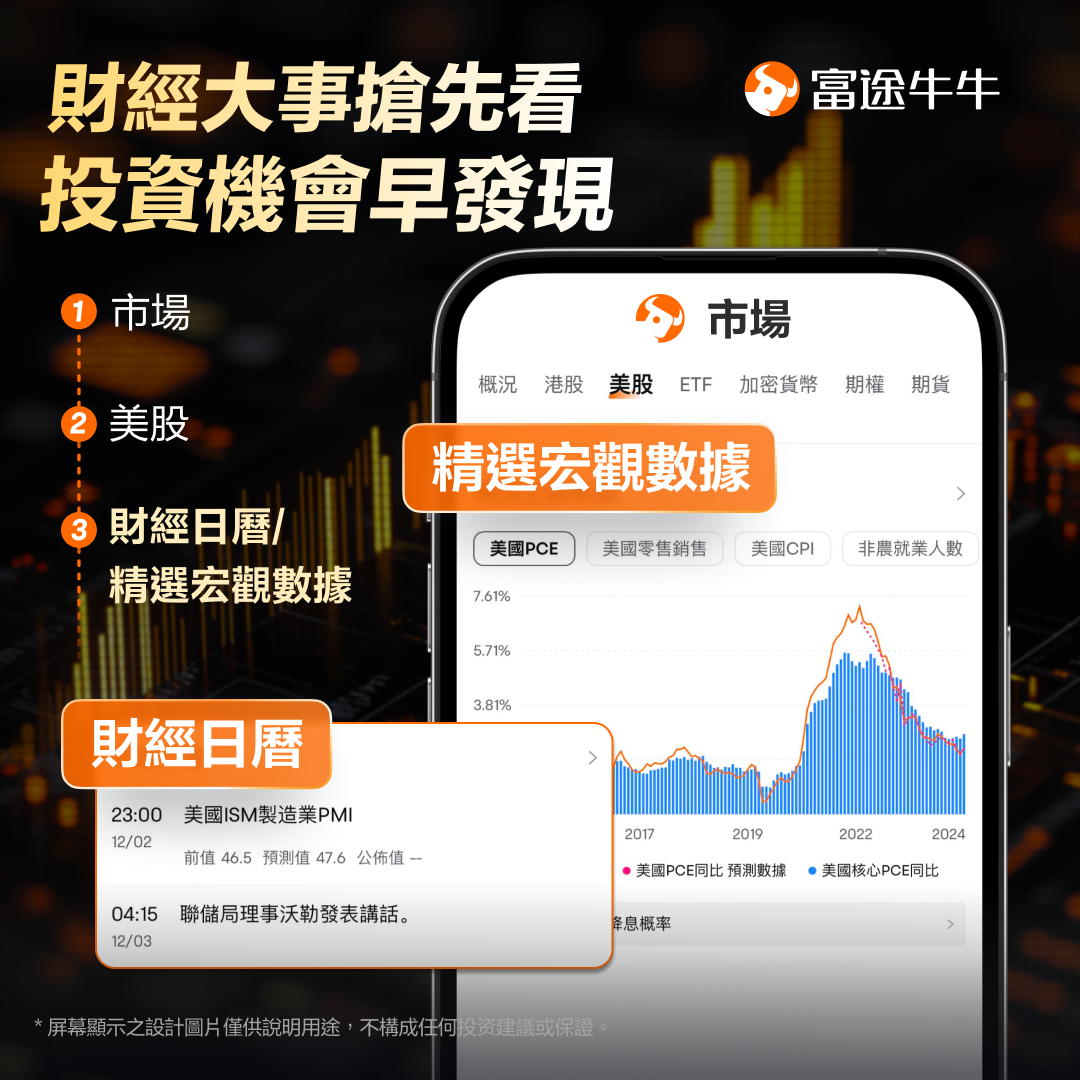
 Stay ahead of the financial news and spot investment opportunities early! Open Futubull > Market > U.S. Stocks >Economic Calendar/Selected Macroeconomic Data, seize the initiative in investment!
Editor/lambor