
Market Snapshot
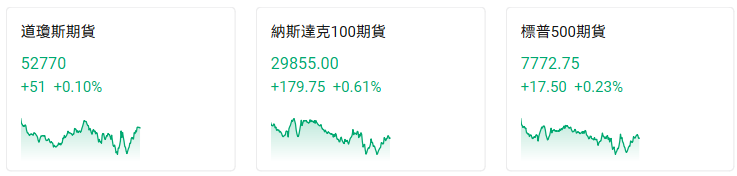
Ahead of Wednesday's open, all three major stock index futures rose: Dow Jones Industrial Average futures gained 0.10%, Nasdaq 100 futures advanced 0.61%, and S&P 500 futures climbed 0.23%.
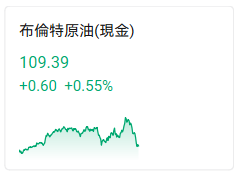
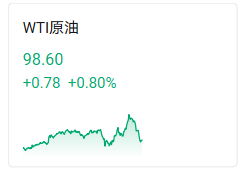
Oil prices edged up,$Brent Crude Oil (Cash) Futures Main Contract (2612)(BZmain.US)$Up 0.55%,$WTI Crude Oil Futures Main Contract (2611)(CLmain.US)$Up 0.80%.
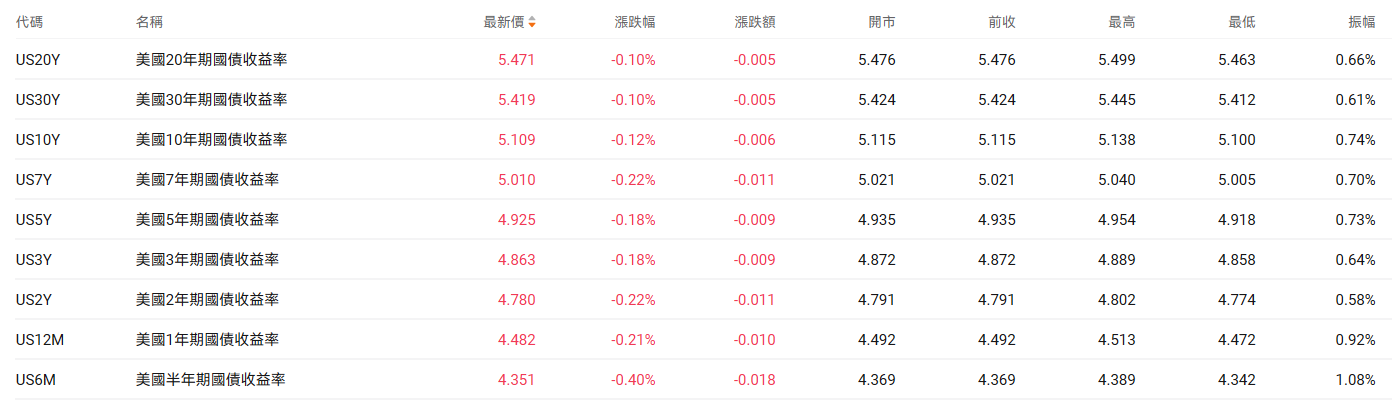
Most U.S. Treasury yields declined.
 Precious metals posted mixed results.
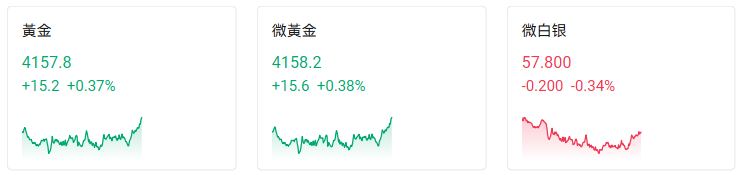
Cryptocurrencies are rising.
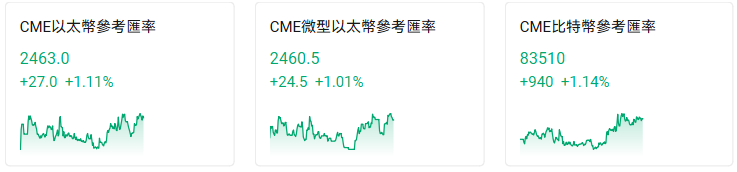
$Star Technology Stocks (LIST2518.US)$Market performance was mixed: SpaceX rose more than 7%, Micron Technology gained over 3%, Intel climbed nearly 3%, AMD and NVIDIA advanced by more than 2%, Tesla increased by over 1%, while Netflix fell more than 6%, Google declined nearly 1%, and Meta edged lower.
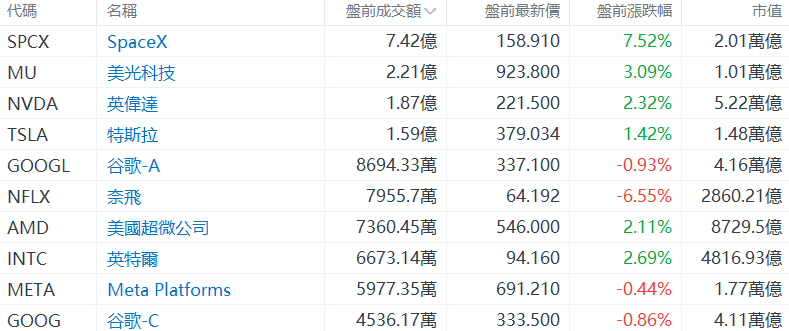
$Semiconductors (LIST2015.US)$Pre-market stocks are broadly higher, with Credo Technology up nearly 7%, SK Hynix up nearly 4%, Cerebras Systems up over 3%, and Intel, Marvell Technology, and Micron Technology each up over 2%.
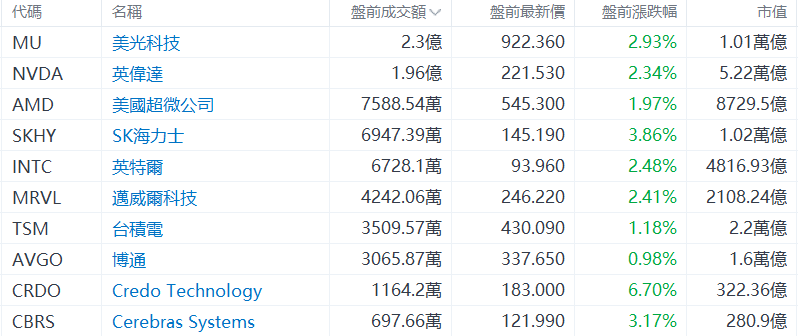
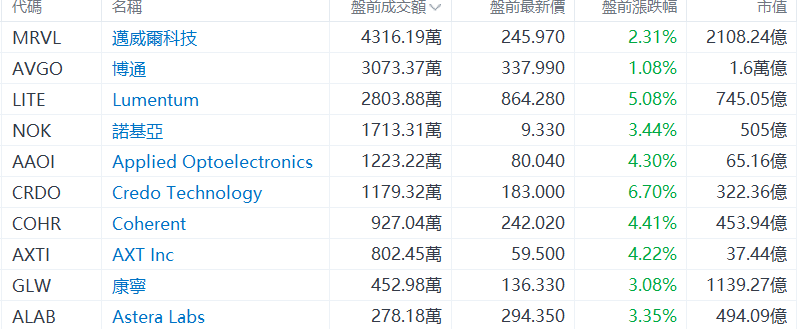
$Optical Communications (LIST23979.US)$Pre-market, concept stocks rose across the board: Credo Technology gained nearly 7%, Lumentum advanced by more than 5%, AXT Inc., Coherent, and Applied Optoelectronics each climbed over 4%, while Corning, Astera Labs, and Nokia all rose by more than 3%.
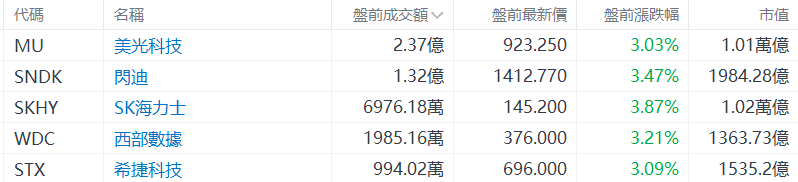
$Storage Concept (LIST23925.US)$Pre-market, stocks rose across the board, with SK Hynix up nearly 4%, and SanDisk, Micron Technology, Seagate Technology, and Western Digital all gaining more than 3%.
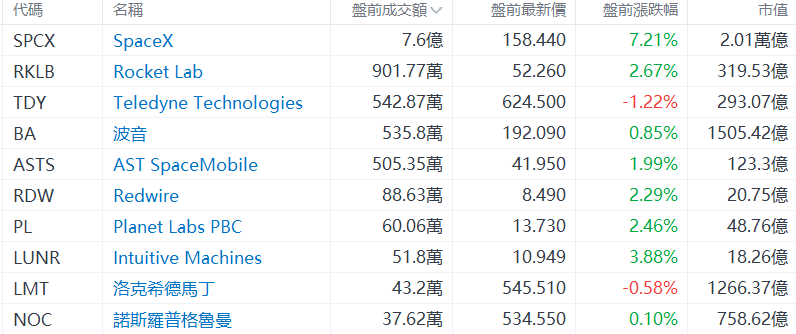
$Space Concept (LIST2556.US)$Stocks rose across the board, with SpaceX up over 7%, Intuitive Machines up nearly 4%, Rocket Lab up nearly 3%, and Redwire and Planet Labs PBC both up over 2%.
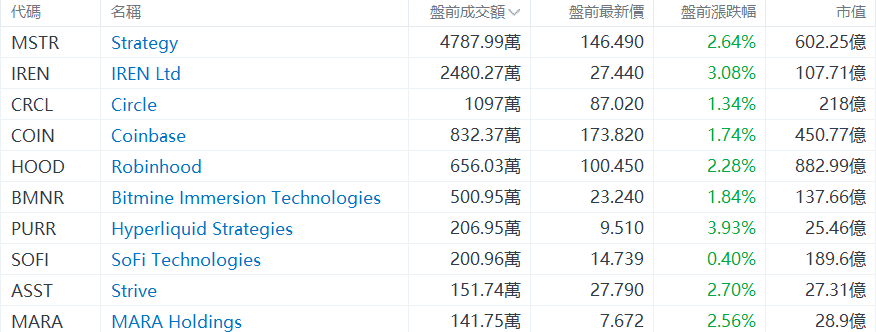
$Cryptocurrency Concept Stocks (LIST20010.US)$Stocks rose across the board, with Hyperliquid Strategies up nearly 4%, IREN Ltd gaining over 3%, Strive and Strategy climbing nearly 3%, Robinhood and MARA Holdings surging more than 2%, and Circle and Coinbase advancing by over 1%.
Individual Stock News
NVIDIA, together with its supply chain partners, is expanding production to accelerate AI infrastructure development.
$NVIDIA (NVDA.US)$and its supply chain partners announced an expansion of production capacity to accelerate AI infrastructure development. NVIDIA plans to increase its substrate production capacity to 2.5 times its current level over the next three years; KYEC will receive a $1.1 billion advance payment from NVIDIA to build new facilities in the United States;$Aimark Technology (AMKR.US)$It plans to increase its advanced packaging capacity by more than 300% by the end of 2028. In addition, NVIDIA intends to double its semiconductor testing capacity from 2026 to 2027 and launch large-scale test production in Singapore in February 2027.
In addition$NVIDIA (NVDA.US)$Announced the expansion of its open‑model product lineup, introducing the Nemotron Retriever retrieval model, the Kumo structured enterprise data model, the Cosmos 3.5 world model, the Alpamayo 2 Edge autonomous driving model, the BioNeMo protein‑design model, and the Ising quantum‑computing model, among others. Notably, in a benchmark test involving 200‑amino‑acid proteins, BioNeMo RFD4‑Proteina generated designs at roughly 13 times the speed of RFdiffusion3.
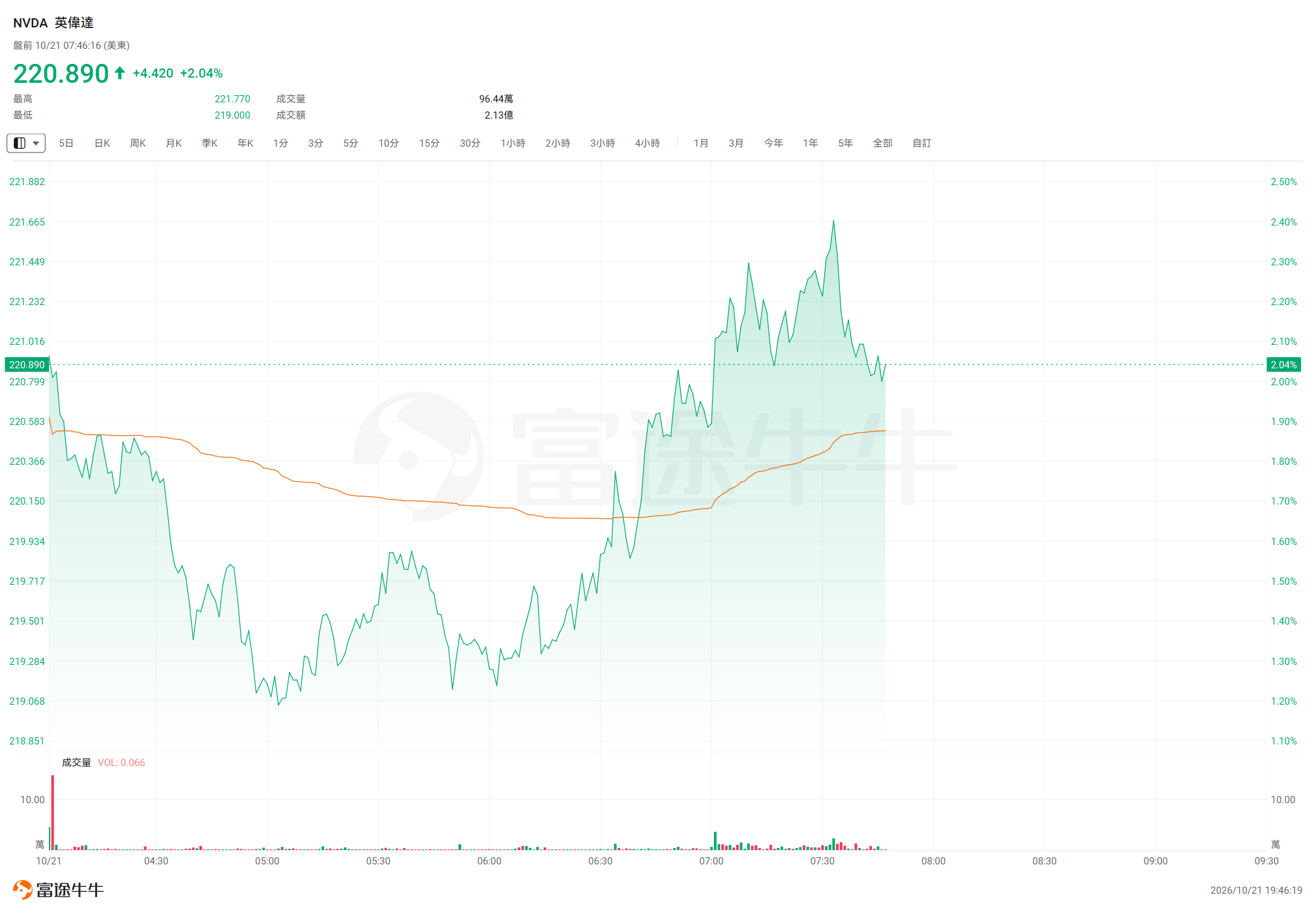
Google Cloud is scaling Vera Rubin infrastructure to 960,000 Rubin GPUs.
$Google-C(GOOG.US)$Cloud and$NVIDIA (NVDA.US)$Announced the full availability of NVIDIA Vera Rubin infrastructure. NVIDIA stated that Google Cloud plans to expand the Vera Rubin infrastructure to 960,000 Rubin GPUs across multiple sites.
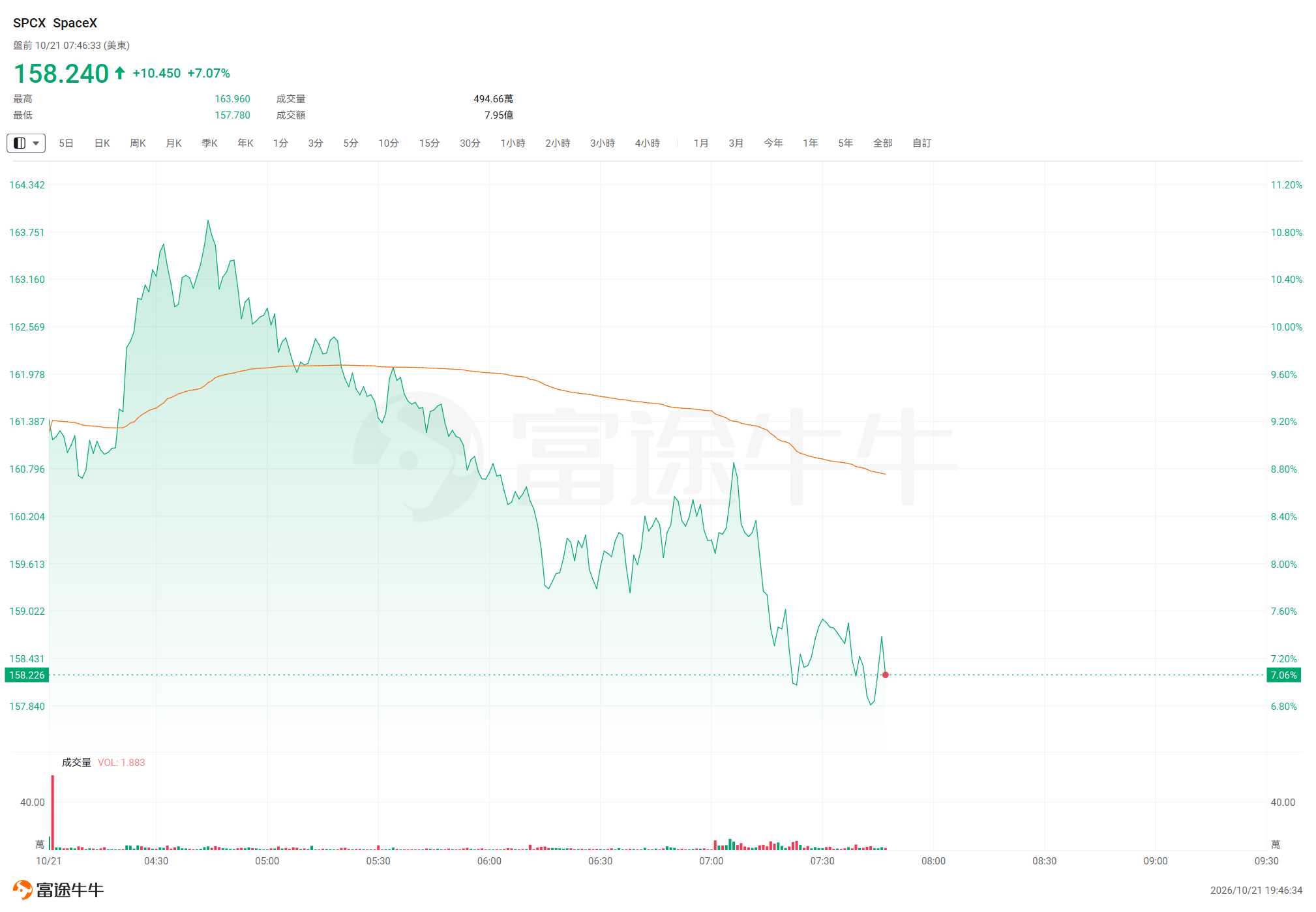
SpaceX surged more than 7% in pre-market trading, as Elon Musk stated that its annual revenue could reach $500 billion to $1 trillion by the end of 2027.
$SpaceX(SPCX.US)$The latest earnings report shows that Q3 results exceeded market expectations. Elon Musk stated he is confident of achieving 10 gigawatts of computing power by 2027, and that the company's annual recurring revenue (ARR) could reach between $500 billion and $1 trillion by the end of 2027.
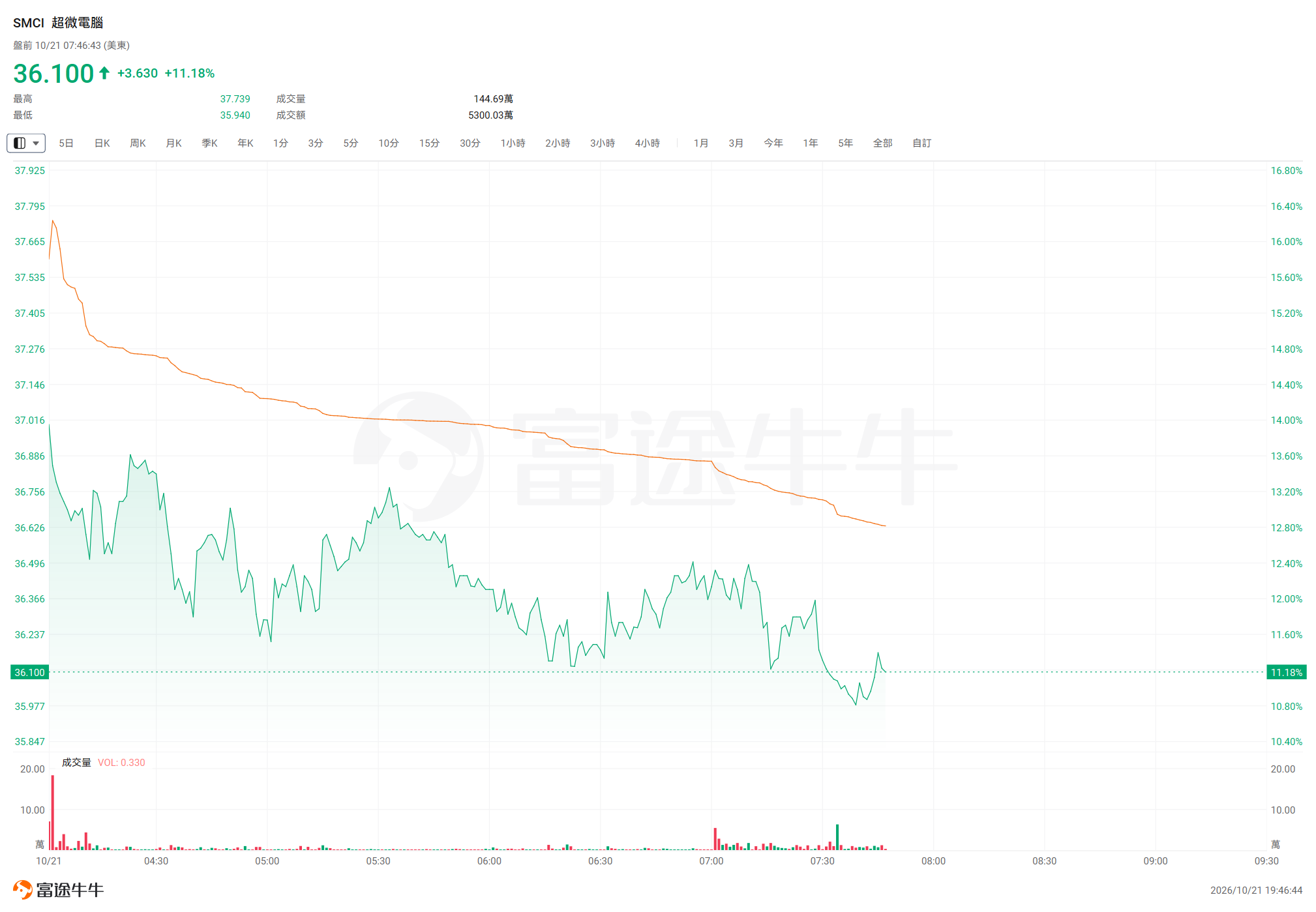
Super Micro Computer rose more than 11% in pre-market trading, with first-quarter preliminary revenue significantly exceeding expectations.
$Super Micro Computer (SMCI.US)$The company released its preliminary results for the first quarter of fiscal year 2027, projecting revenue of $18.5 billion to $19.5 billion—significantly exceeding both its prior guidance of $14.0 billion to $15.5 billion and analysts' consensus estimate of $15.23 billion, representing an approximately 27% increase. This growth is primarily driven by surging demand for its AI platform. The preliminary gross margin is expected to range from 12.0% to 12.5%, also above the original guidance. The company will hold a full‑quarter earnings call on November 3, with final figures subject to adjustment.
Related Reading:Revenue guidance has been raised by about 27% in one go! Super Micro Computer surged in pre-market trading, boosting AI hardware stocks.
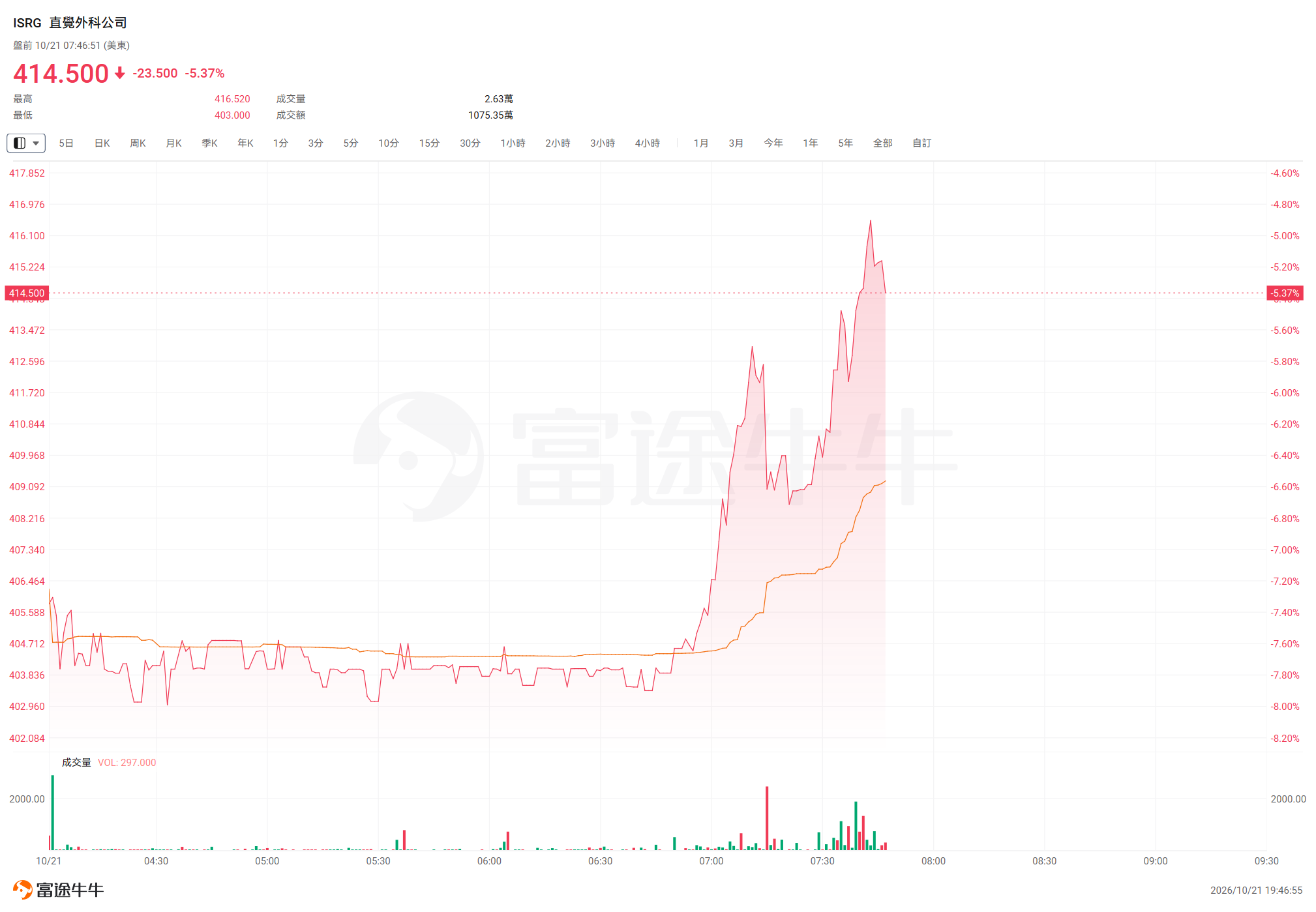
Intuitive Surgical fell more than 5% in pre-market trading, as the growth rate of Da Vinci surgical procedures slowed to 14%, the lowest in four years and marking the fourth consecutive quarter of deceleration.
$Intuitive Surgical (ISRG.US)$In the third quarter of 2026, a pre‑tax litigation settlement charge of $450 million was recorded (related to the Da Vinci surgical robot antitrust class action), resulting in an after‑tax impact of approximately $0.99 per share. This directly reduced GAAP net income from $704.4 million in the same period last year to $522.8 million, and GAAP earnings per share from $1.95 to $1.49.
However, excluding this one-time charge, adjusted earnings per share came in at $3.00, well above the market's consensus estimate of around $2.65; revenue totaled $3.05 billion, up 22% year over year, also surpassing the expected $2.91 billion. Despite these revised figures, the market remained unconvinced, as Da Vinci surgical procedure volume growth slowed to 14% in the third quarter—the lowest rate in four years—and marked the fourth consecutive quarter of deceleration.
Netflix fell nearly 7% in pre-market trading, with Q3 revenue growth continuing to slow and Q4 guidance falling short of expectations.
$Netflix(NFLX.US)$The company announced its third-quarter 2026 financial results, reporting revenue of $12.874 billion, up 11.8% year over year, in line with its prior guidance. Net profit rose approximately 43.8% to $3.664 billion, with diluted earnings per share of $0.87, surpassing the analysts' average estimate of $0.82.
However, the company expects fourth-quarter revenue to reach $13.4 billion, with year-over-year growth further decelerating to 11.5%—marking the fourth consecutive quarter of slowing expansion. Net profit for the quarter is forecast at $2.787 billion, with diluted earnings per share of $0.67, both below analysts' consensus estimates of $3.07 billion and $0.73, respectively. Meanwhile, the company has lowered its 2026 advertising‑revenue outlook from roughly $3.0 billion to $2.7 billion, citing slower-than-expected rollout of certain ad‑product features, which has heightened market concerns.
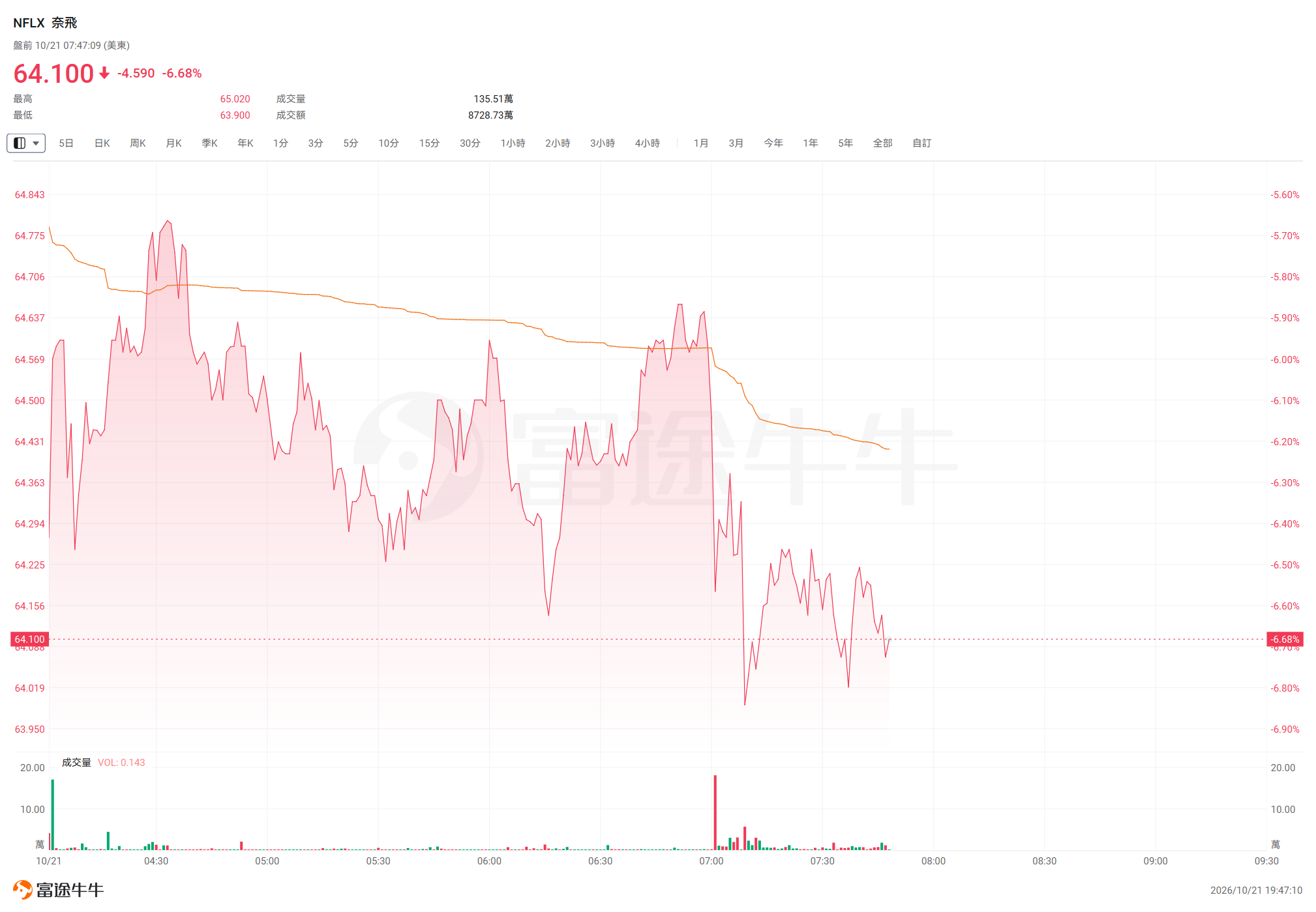
Applied Materials rose more than 2% in pre-market trading, as Morgan Stanley remains optimistic about its long-term growth potential.
Morgan Stanley is participating in$Applied Materials (AMAT.US)$Following the recent investor breakfast meeting and the EPIC R&D Center open house, the firm expressed greater confidence in the company's long-term growth strategy and competitive position. It believes that Applied Materials has outperformed expectations in the DRAM equipment market, with its front-end process control business also demonstrating strong growth momentum. The management's stated long-term goals are deemed achievable, and if the semiconductor equipment market evolves as the company anticipates, there may even be room for upward revisions going forward.
However, given the pressure on market share in the advanced logic process segment and the fact that it remains to be seen whether the new R&D center can translate into a sustainable competitive advantage, the firm maintains its "Hold" rating on Applied Materials and a target price of $563.
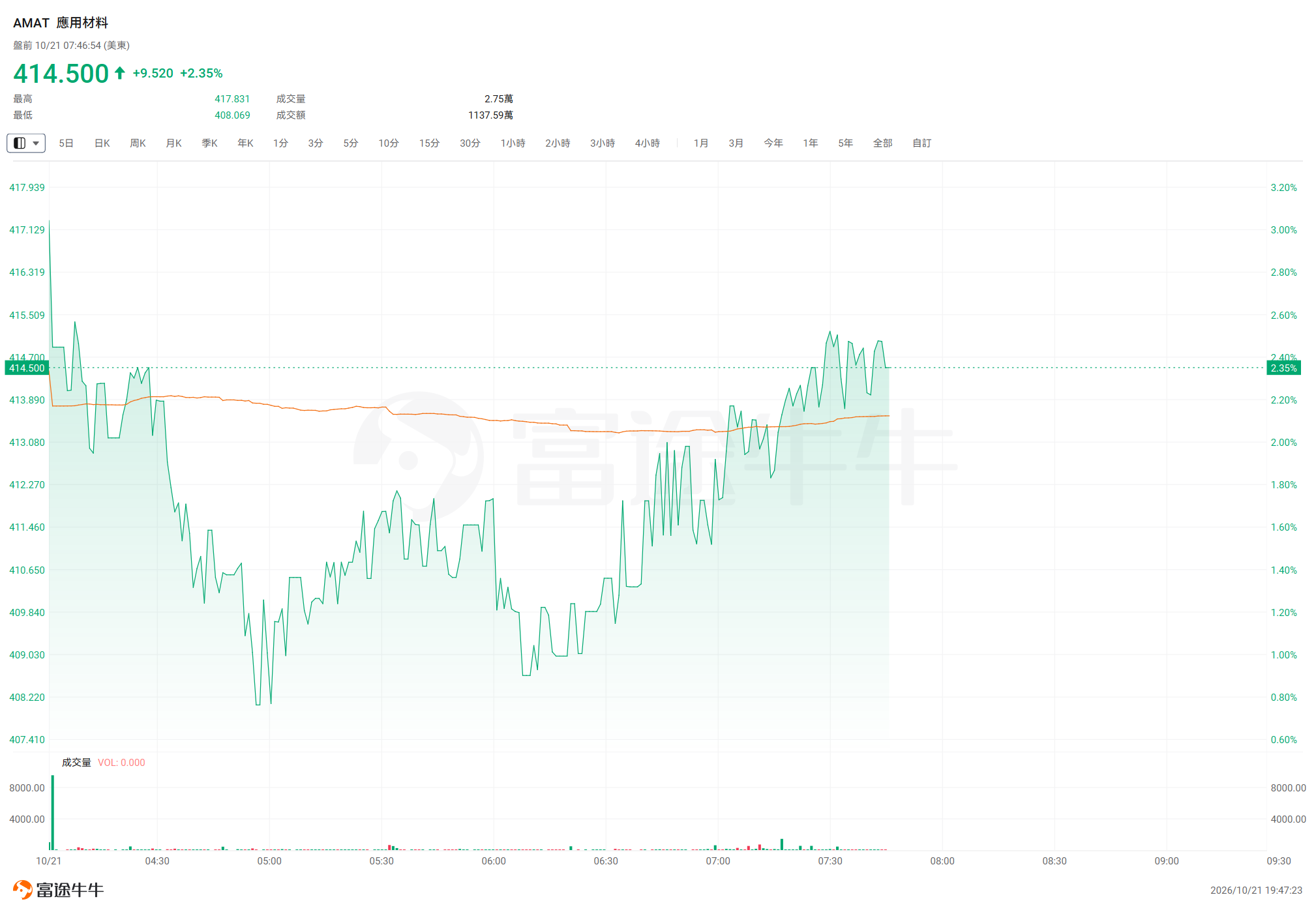
SK Hynix Completes a KRW 40 Trillion Share Buyback
According to Yonhap News Agency, following Samsung Electronics,$SK Hynix (SKHY.US)$The company's large-scale share buyback also concluded on the 21st. SK Hynix announced that it had completed, on that day, a two-month share repurchase program on the Korea Stock Exchange (KOSPI), totaling KRW 40 trillion. Earlier, SK Hynix had disclosed plans to allocate KRW 40.0434 trillion to repurchase 24.07 million shares and to cancel all such shares upon completion of the buyback.
This share repurchase represents approximately 3.3% of the company's total outstanding shares, making it the largest stock cancellation by a South Korean listed company. SK Hynix had initially announced a repurchase period from August 20 to November 19, but the actual buyback was completed about one month ahead of schedule.
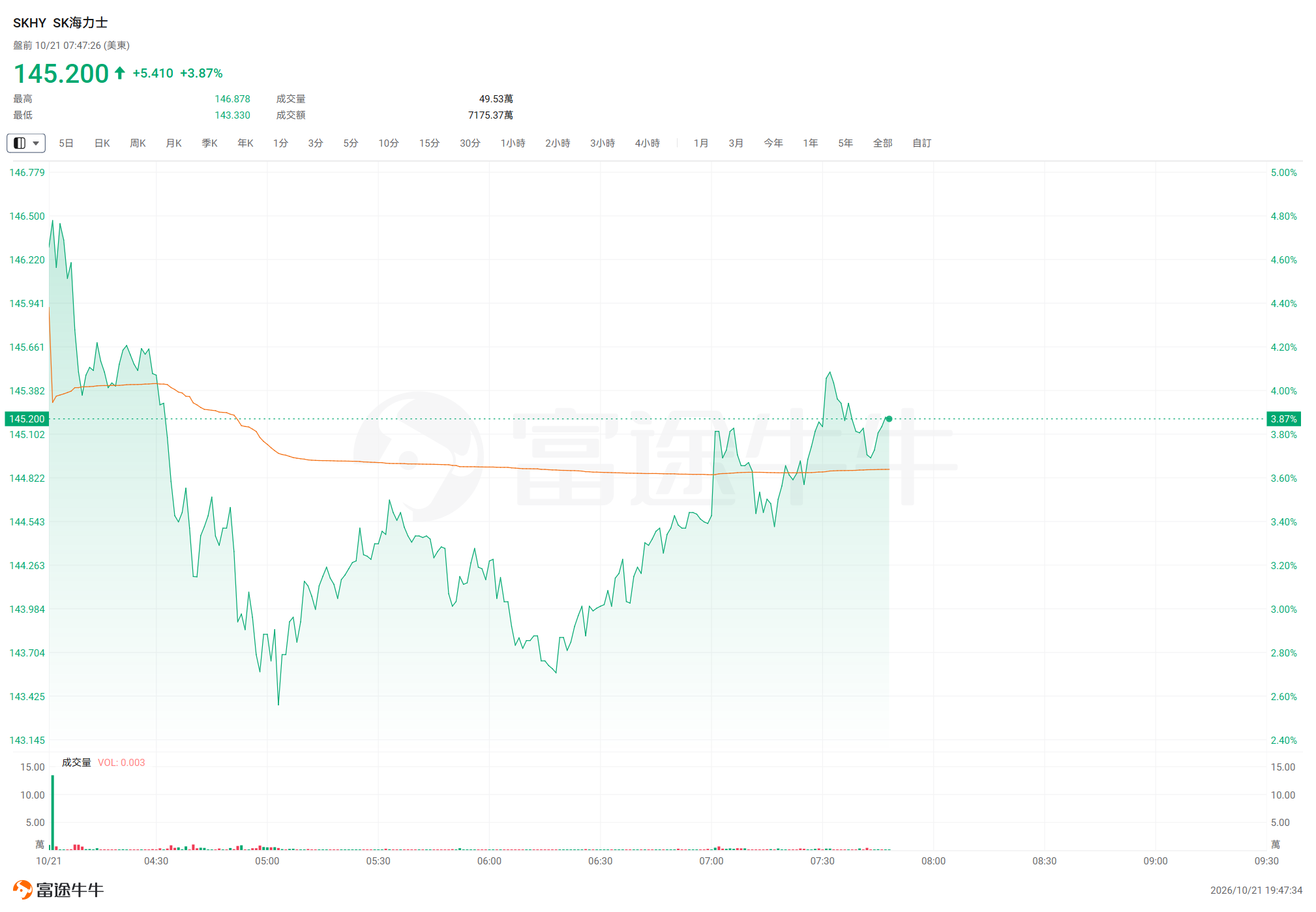
Amazon has splurged billions to "lock up" NVIDIA GPUs, but its warehouses remain idle due to power shortages.
An internal email revealed that,$Amazon (AMZN.US)$It has launched a brand-new "early rack intake" program, ushering in an aggressive approach to building up computing capacity. Under the plan, the company will take delivery ahead of schedule of NVIDIA GB300 server racks worth approximately $5 billion, deploying them at its U.S. data centers, and will continue to add new hardware purchases at a pace of $3 billion per month going forward.
According to reports, multiple AWS sites of Amazon currently suffer from insufficient power capacity, leaving a large number of NVIDIA GPUs purchased in advance stranded in transit warehouses, resulting in "Dark GPUs"—resources that remain idle despite companies having already acquired AI chips and servers, due to power supply issues or system design flaws.
Several private equity firms have valued the acquisition of Microsoft's Xbox business at over $100 billion.
Sources familiar with the matter revealed that, in recent months, a number of private equity firms have been evaluating acquisition opportunities.$Microsoft (MSFT.US)$The Xbox gaming business is valued at between $100 billion and $150 billion. According to insiders, the private-equity discussions are only preliminary explorations that have lasted very briefly and have not yet evolved into formal negotiations with Microsoft. However, this indicates that if the struggling gaming division fails to turn around, Microsoft could potentially find a buyer. The list of private-equity firms involved in the valuation remains unconfirmed.
A Microsoft spokesperson stated: "Xbox is not for sale" and declined to comment further. Judging by the revenue scale of this business, the upper end of the private equity valuation range is roughly comparable to the recent leveraged buyout valuation level of gaming giant Electronic Arts.
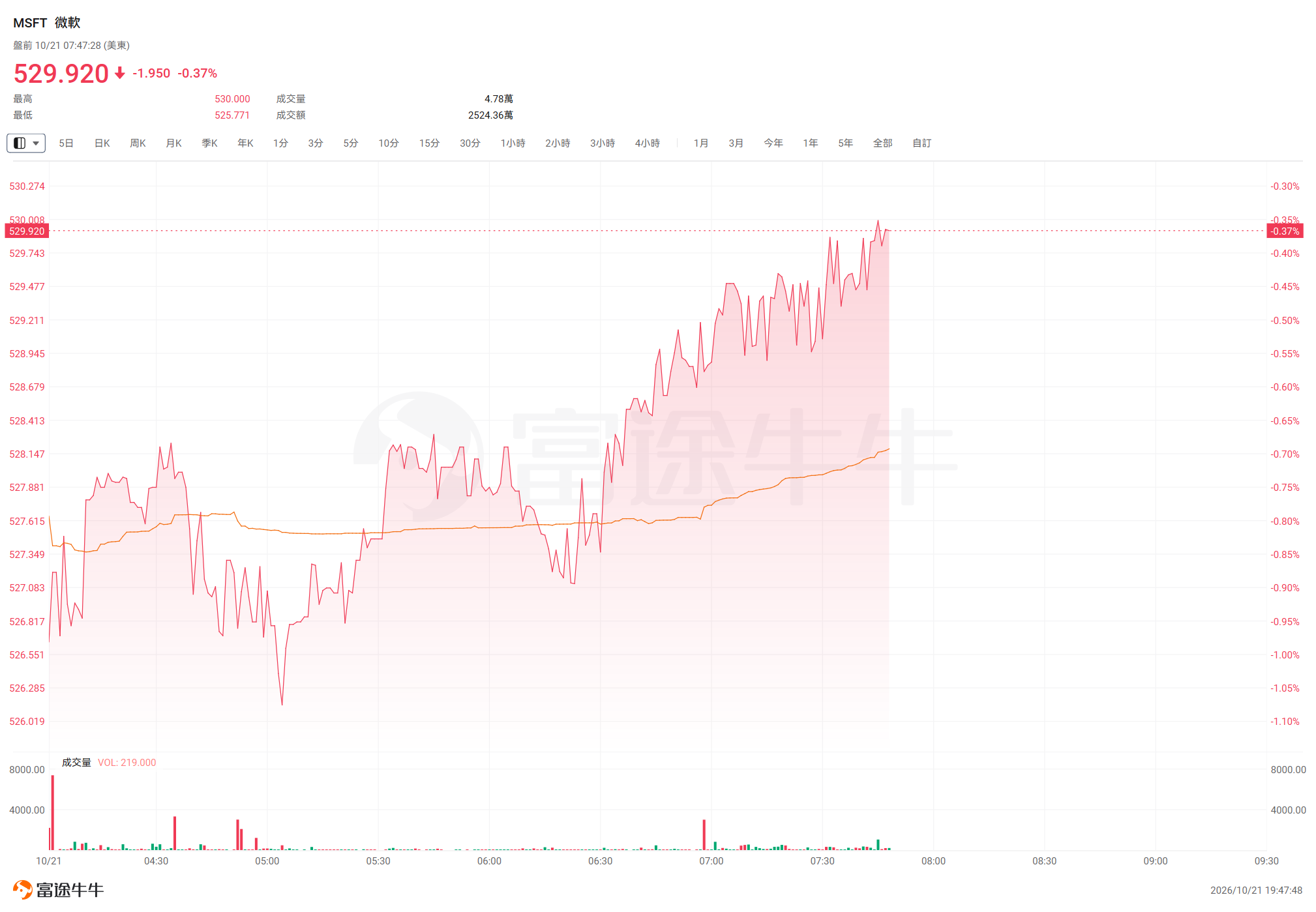
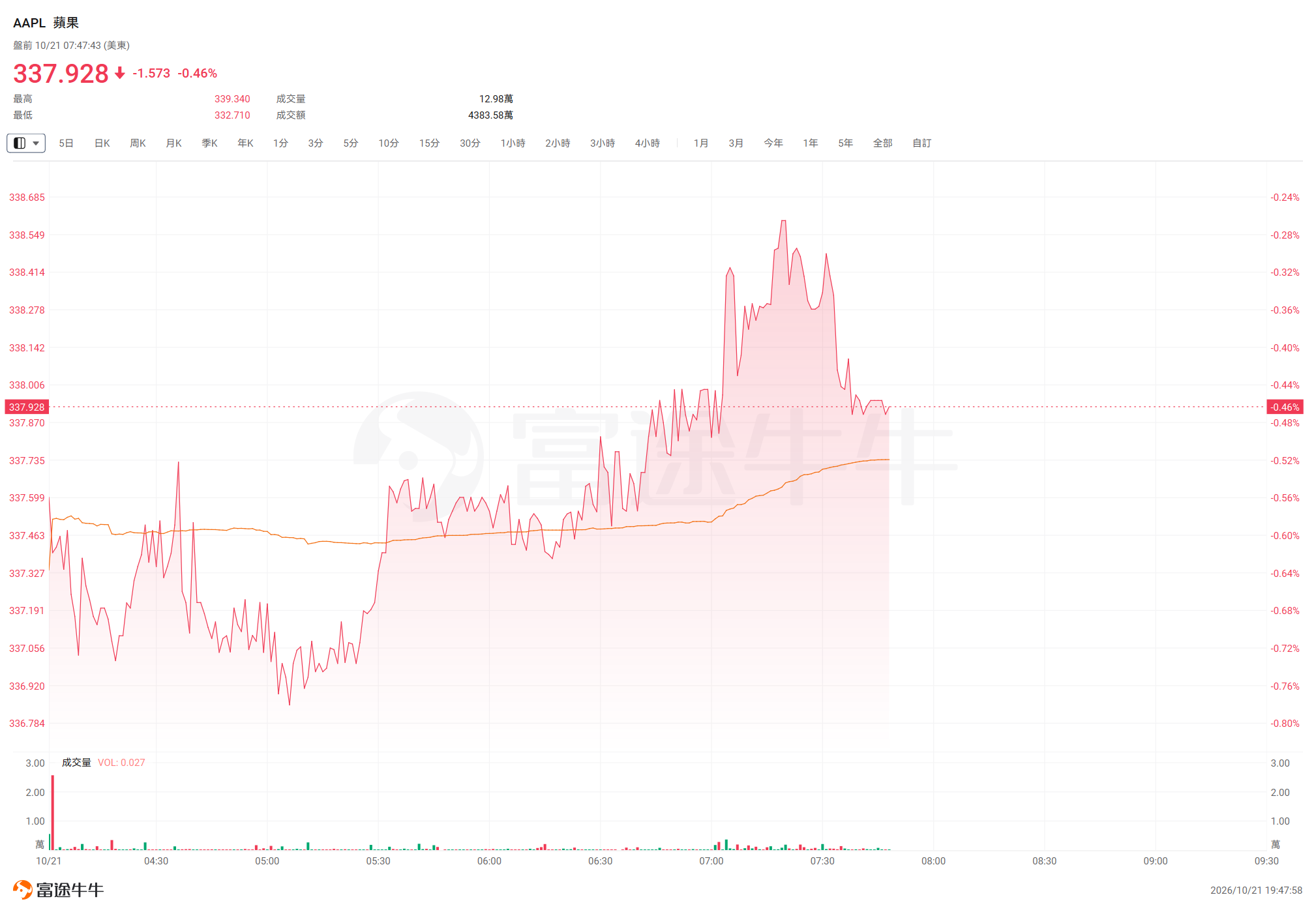
The iPhone Duo has an average global delivery wait of 82 days, and Apple imposes a two-unit purchase limit in many countries.
According to Fast Technology,$Apple(AAPL.US)$The global wait time for the first foldable-screen phone, the iPhone Duo, is approaching three months. Recently, after tracking Apple's official website and carrier sales data, Bank of America estimated that the iPhone Duo's average global shipping wait time is about 82 days, with direct purchases through Apple's online store averaging a 102-day wait and purchases through U.S. carriers taking roughly 50 days. As of the official launch date on October 23, in-stock units available for same-day delivery worldwide have been almost entirely depleted.
In the U.S. market, Apple's online store has limited each customer to a maximum of two iPhone Duos, with the same two-unit cap applying in markets such as China and Singapore. In South Korea and Japan, offline walk-in purchases without an appointment are further restricted: even if you show up on launch day, you won't be able to buy available stock without a reservation. Apple stated that this measure is intended to prevent scalpers from snapping up large quantities and to allocate the limited initial inventory to more consumers.
Muse continues to dominate the charts, with over 10 million downloads in the U.S. within its first 40 days on the market.
According to the latest data from a market intelligence provider, since its launch in September, Muse has amassed 10.9 million downloads, with 10.2 million of those coming from the United States. Analysts note that, to date, only 11 other apps have reached this post-launch milestone. The most recent of these is Threads, another popular app under Meta—but that was back in July 2023.
Analysts point out,$Meta Platforms(META.US)$Its ability to repeatedly launch hit products owes much to its robust app ecosystem and cross-platform traffic‑driving capabilities—strategies the company has deployed on both Threads and Muse. Moreover, based on current trends, Muse's user retention rate outperforms that of AI rivals such as ChatGPT, Claude, and Grok.
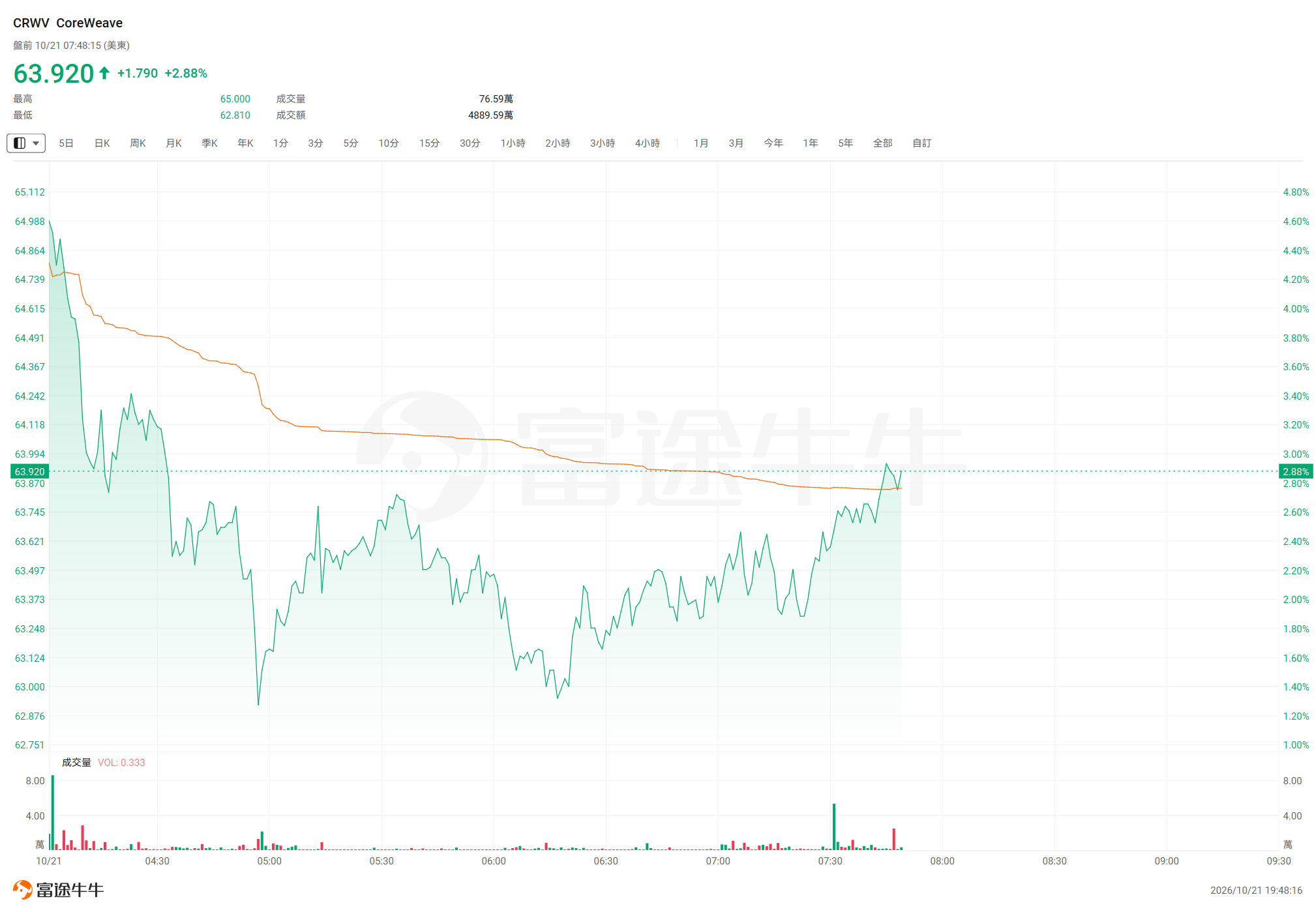
"Sister Wood's" Ark Investment spent approximately $8.13 million to scoop up shares of CoreWeave at a low price.
"Wood Sister" Cathie Wood's Ark Investment disclosed its latest ETF trading activity on October 19, continuing to increase its holdings in AI‑driven cloud computing companies.$CoreWeave(CRWV.US)$, with approximately US$8.13 million purchased in a single day, making it the largest buy order of the day.
According to trading records, ARK purchased a total of 132,498 shares of CoreWeave through its flagship Innovation ETF and Next-Gen Internet ETF, with a transaction value of approximately $8.1341 million, continuing its trend of steadily increasing holdings over the past week. At the same time, Ark Investment reduced its positions in Palantir, Shopify, and the biotechnology company Personalis, selling off a combined total of about $11.377 million.
Dell CEO Warns: Memory Shortages Will Worsen Further by 2027
According to IT Home,$Dell Technologies (DELL.US)$The Chairman and CEO believes that the memory shortage is far from over. He stated that, as AI data centers continue to consume large quantities of dynamic random-access memory (DRAM) and high-bandwidth memory (HBM), the supply situation will worsen further next year. The bottleneck in deliveries lies precisely in memory: AI accelerator chips require substantial amounts of high-bandwidth memory, while the accompanying servers still rely on conventional dynamic random-access memory. A relief in supply appears distant.
Building a new memory fab typically takes about four years, so Dell expects significant additional capacity to come online only in 2029 or 2030. This aligns with the view of Micron's CEO, who recently stated that supply constraints in 2027 and 2028 will be far more severe than this year.
Starbucks China: Starting October 22, dine-in service will be implemented nationwide.
According to The Paper, from$Starbucks (SBUX.US)$China has learned that, starting October 22, Starbucks will implement a dine-in policy nationwide, and relevant signage will be posted in its stores. In actual operations, Starbucks will provide its partners with standardized service guidelines and necessary support; partners will adhere to principles of friendly and courteous communication and properly address customers' reasonable urgent needs and special circumstances.
Starbucks stated that when encountering customers in need of assistance—such as pregnant women or those with mobility challenges—its partners will prioritize providing help. While the guidelines are clear, implementation will remain warm and empathetic: "Humanistic care has always been our core principle. We will continue to invest resources to enhance the in-store experience and work together with our customers to create and sustain a delightful third space."
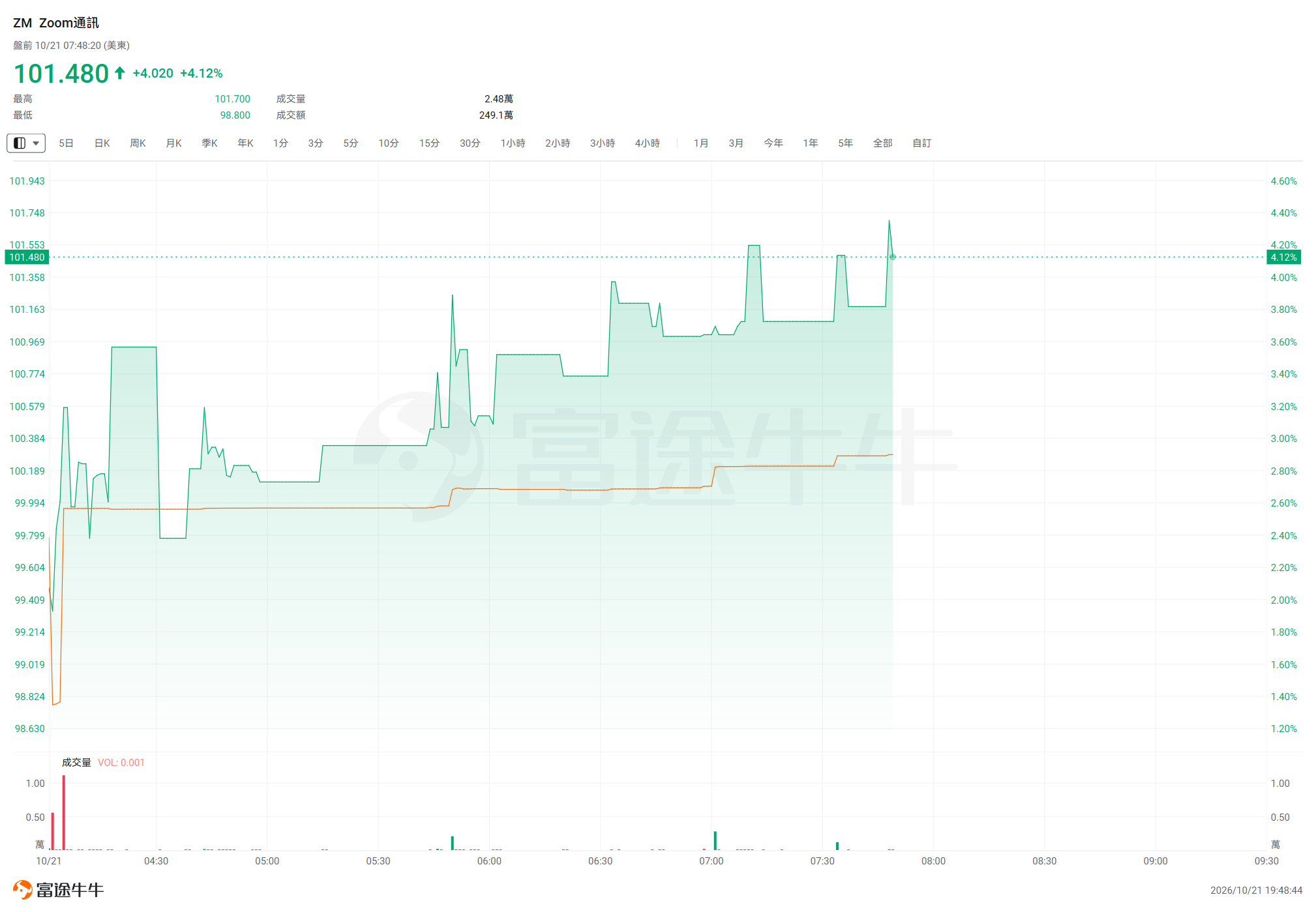
Zoom's annual conference unveils a brand-new AI architecture, with multiple new features set to launch.
$Zoom Communications (ZM.US)$At the annual Zoomtopia conference, the company unveiled its new Unified Context Layer core architecture, along with a series of AI‑related product updates. The new features are expected to roll out gradually from October 2026 through the first quarter of 2027. The updated architecture integrates data across a wide range of enterprise communication scenarios; internal testing indicates it can reduce related operational costs by up to 65%, while also introducing several enhanced cybersecurity measures to safeguard data.
Samsung Foundry: 4-nanometer capacity is fully utilized, 5-nanometer is stepping in to attract customers, while 2-nanometer negotiations are lagging behind.
According to ChosunBiz, Samsung's 4-nanometer and 5-nanometer processes have maintained relatively stable yield rates. Due to a recent surge in customer orders,$Samsung Electronics (SSNLF.US)$The foundry division's 4-nanometer capacity is nearing full utilization, and the company is ramping up its sales efforts to secure additional customers for its 5-nanometer process. Reportedly, the 5-nanometer process also helps boost the utilization rate of existing production facilities. Industry insiders expect that higher 4-nanometer utilization and new 5-nanometer orders will contribute to an improvement in Samsung's fab performance in the near term.
By contrast, Samsung still faces challenges in securing key customers for its next‑generation 2-nanometer flagship process. The company is negotiating semiconductor production contracts based on the 2-nanometer node with major global tech firms, but progress on some deals has been slower than expected. Because leading‑edge processes require not only yield validation but also comprehensive assessments of power efficiency, intellectual property, and stable mass‑production capabilities, it typically takes a considerable amount of time from contract signing to ramping up to full‑scale production.
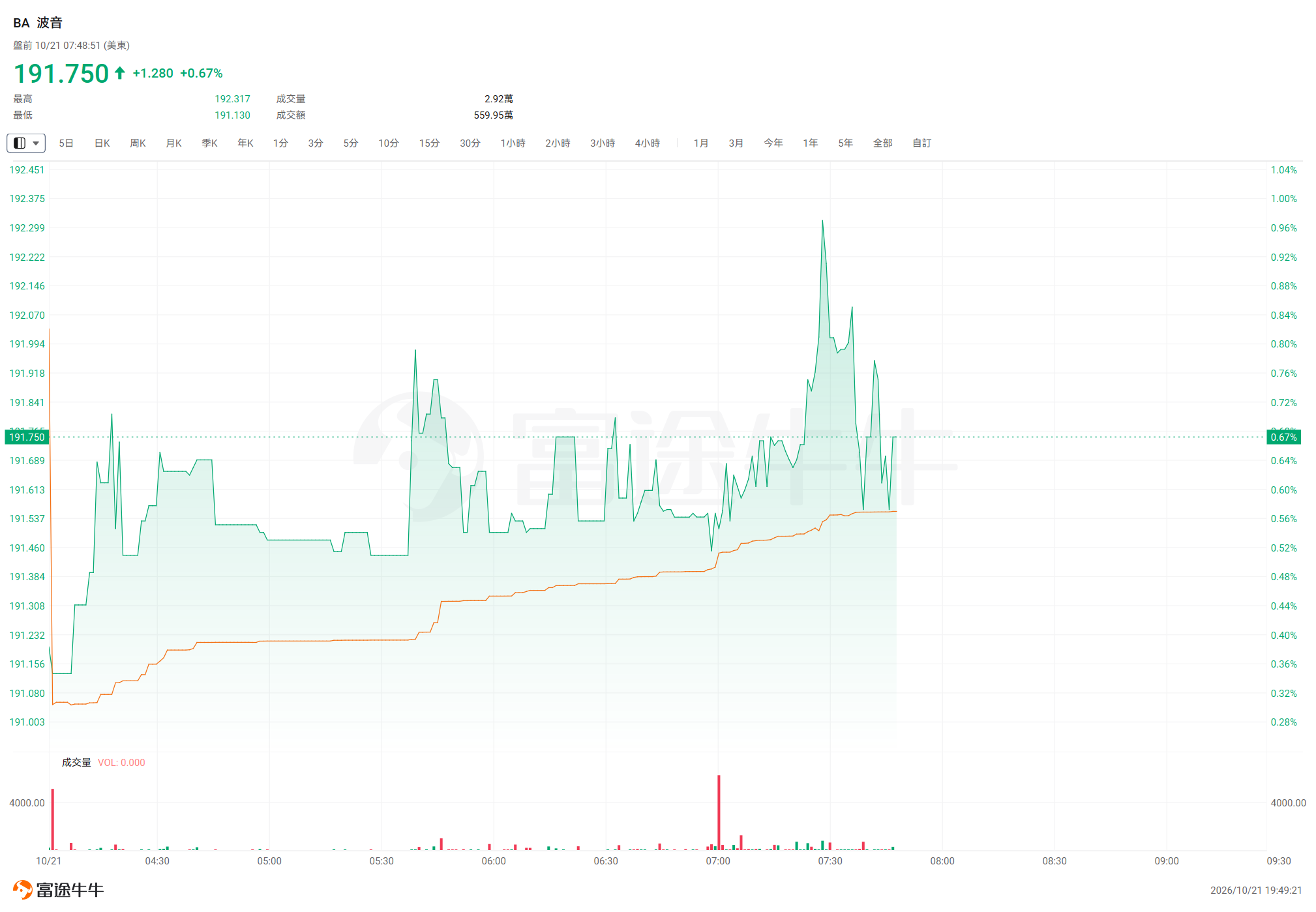
The Boeing 737 Max 10 has received FAA certification and is expected to begin deliveries in the coming months.
$Boeing (BA.US)$The largest model in its 737 Max series, the 737 Max 10, has officially received certification from the U.S. Federal Aviation Administration (FAA), removing a key hurdle for its delivery schedule, which has been delayed for years. Boeing expects to begin deliveries in the coming months and has already secured orders for 1,555 aircraft from 30 customers.
This model accounts for approximately 30% of the total undelivered Max orders, with customers including Alaska Airlines, American Airlines, United Airlines, and Delta Air Lines. Airlines still need to complete the relevant operational preparations, and it may take several more months before the new aircraft can be incorporated into the official flight schedules.
Reports indicate that Groq is planning to incorporate 3D-stacked DRAM packaging technology into its next-generation chips.
According to ZDNET Korea, Groq is considering adopting 3D-stacked DRAM packaging technology for its next-generation chips. This would involve replacing conventional SRAM with DRAM. Industry insiders interpret this move as a significant boost to chip capacity by moving away from the current SRAM-centric chip design paradigm.
It is reported that SRAM offers high speed but limited capacity, whereas DRAM is relatively slower but better suited for implementing large-capacity chips. 3D packaging technology stacks multiple semiconductor dies vertically rather than laying them flat, thereby forming a single integrated chip. Compared with traditional 2D packaging, this approach reduces the chip's footprint and improves energy efficiency.
Global Macro
Iranian Foreign Minister: Iran has control over maritime traffic in the Strait of Hormuz and is determined to fulfill its role as a guardian.
Iranian Foreign Minister Mohammad Javad Zarif wrote in the Financial Times that, in fact, Iran's geographical position alone gives it unrivaled control over maritime traffic through the Strait of Hormuz. More importantly, despite the widespread promotion of alternative routes, this waterway remains indispensable—both for the region and for the global economy. Fortunately, Iran is determined to uphold its historic role as the guardian of the Strait of Hormuz and the lawful passage of vessels. He added that a path forward does exist, but it can only be realized when the U.S. administration genuinely acknowledges that it has no military option.
Alaghi warned that any further escalation in the Strait of Hormuz and the surrounding region would endanger civilian lives, the well-being of all countries in the region, and the global economy. This has been the lesson of history, and it will surely hold true in the future. Should the United States once again opt for military action over diplomacy, it will only lead to an even greater strategic failure. Iran will never bow to any hegemonic power.

Oman crude's premium over Dubai crude has fallen to a nearly three-month low, while Middle Eastern oil exports remain resilient.
A key crude oil benchmark in the Middle East has fallen to a nearly three-month low, signaling that regional oil exports remain resilient despite escalating Iranian attacks on shipping. According to data from General Index, this week the premium of Oman crude over Dubai crude narrowed to around $4 per barrel, the lowest level since late July.
This price spread reflects the strength or weakness of the physical crude oil market in the Gulf region. In the early stages of the conflict, with the Strait of Hormuz all but shut down, the spread surged to over $60 per barrel. Despite the risk of attacks, the Middle East's major exporters managed to get more tankers through the waterway or bypass the Strait entirely via pipelines. These efforts undermined Iran's attempt to leverage global energy flows to bolster its bargaining power.

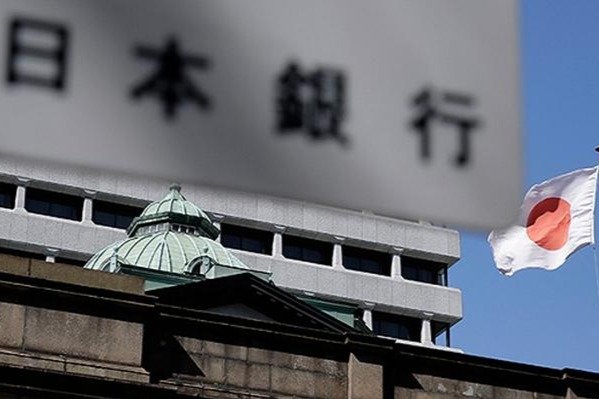
Sources: The Bank of Japan will decide at next week's meeting whether the inflation rate has reached its 2% target.
According to Japan's Kyodo News, sources familiar with the matter revealed Wednesday that the Bank of Japan will assess at next week's policy meeting whether the underlying inflation rate has reached its 2% target. If it does, this would mark a symbolic turning point for the central bank, signaling an end to its long-standing monetary policy stance aimed at combating deflation.
In January 2013, the Bank of Japan set a 2% inflation target for the first time. Despite implementing an aggressive monetary easing program, the bank has repeatedly postponed its projected timeline for achieving this goal. If the target is ultimately met, nearly 14 years will have elapsed since it was first announced.
U.S. President Trump: Large data centers must generate their own electricity and give back to the community.
U.S. President Trump stated in a post that newly built large—sometimes even massive—data centers must generate their own electricity and feed any surplus power back to or sell it to local communities or the grid. As a result, electricity prices would not only fail to rise but could instead drop significantly! Other relevant sectors should also adopt similar measures!
If companies want their data centers to be well-received, they should offer "dividends" to the local community and/or individual residents. I have closely observed this process: data centers that were once deeply unpopular in certain areas have become highly welcomed once economic compensation agreements were reached. Reaching such agreements and building these facilities is a significant benefit for the United States.

Netanyahu is pushing to resume military action against Iran, but U.S. officials say "there's no rush."
According to the Financial Times, Israeli Prime Minister Benjamin Netanyahu is pushing to resume large-scale military strikes against Iran. Earlier this month, he instructed the military to draw up operational plans for a new round of extensive offensive operations. Three sources familiar with the matter revealed that the Israeli military had previously prepared a multi-day bombing campaign, originally scheduled to begin over the weekend of October 10, targeting civilian infrastructure such as power plants, nuclear facilities, and assets linked to the Iranian regime. However, the operation was ultimately not carried out.
According to insiders, Trump's opposition to reigniting the conflict before the U.S. midterm elections on November 3 was the reason for the operation's cancellation. The bombing campaign had originally been planned to deliver a more forceful strike than the U.S.-Israel joint military operation against Iran launched in February this year.
An informed source indicated that it is "not impossible" for Israel and Washington to resume military strikes in the coming weeks. Israeli officials have submitted an updated list of Iranian targets to the U.S. side, incorporating objectives identified based on the latest intelligence—including civilian infrastructure that had not been targeted earlier this year.
However, White House Deputy Press Secretary Anna R. Kelly stated that Iran is in a "very dire situation, both economically and militarily." She noted that U.S. efforts to blockade Iranian ports and to ensure that oil from the Gulf region is exported through the strait are proving effective, and emphasized that "the United States will not launch any military attack against Iran before the midterm elections."
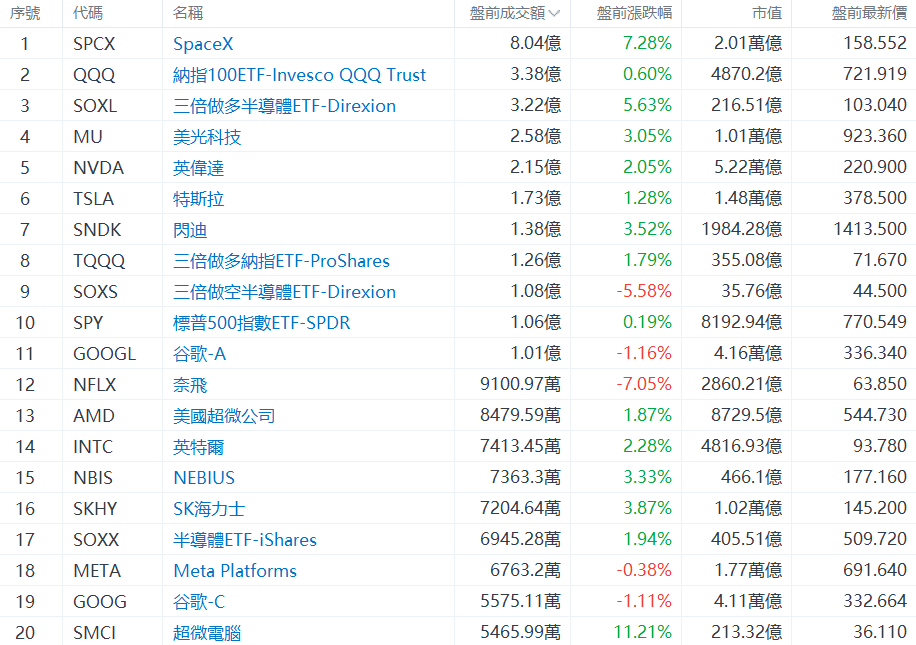
Top 20 Stocks by Pre-Market Trading Volume in the U.S. Market
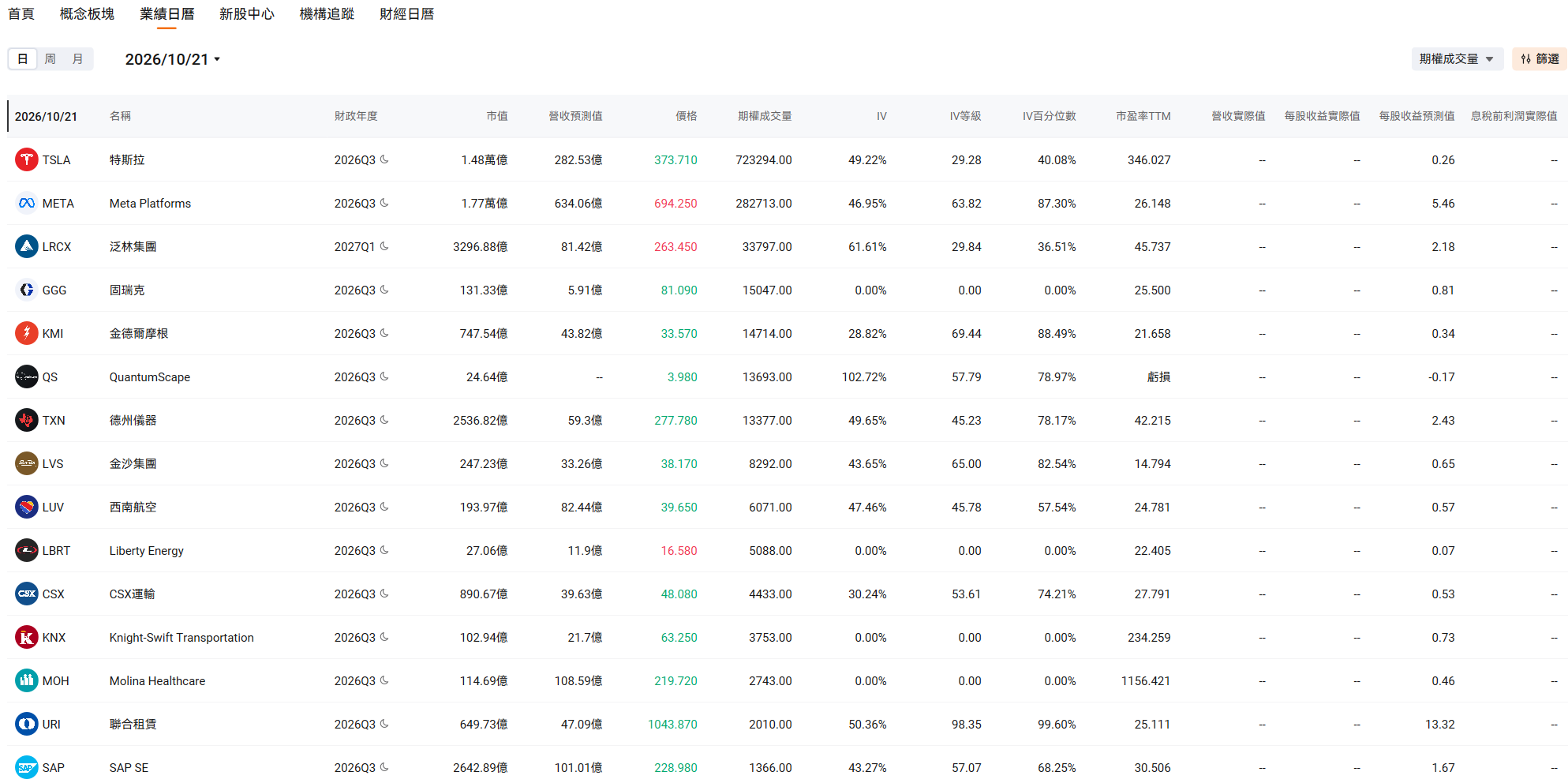
U.S. Stock Market Calendar Reminder
(The following is in Beijing Time)
21:00 Bank of England Governor Andrew Bailey delivers a speech.
22:00 Micron Technology hosts a technical webinar, focusing on innovations in DRAM, HBM, and NAND.
22:30 U.S. EIA Crude Oil Stocks for the Week Ending October 16 (in 10,000 barrels)
22:30 U.S. EIA Strategic Petroleum Reserve Stocks for the week ending October 16 (in 10,000 barrels)
The following day at dawn
00:00 European Central Bank President Lagarde delivered a speech.
04:30 Meta Conference Call
05:30 Tesla Q&A Live Stream
After-hours earnings
$Tesla (TSLA.US)$、$Meta Platforms(META.US)$、$Lam Research (LRCX.US)$、$Texas Instruments (TXN.US)$、$SAP SE(SAP.US)$、$Southwest Airlines (LUV.US)$It will release its earnings after the U.S. stock market closes today.
 Want to pick stocks or analyze them? Curious about your portfolio's opportunities and risks? For all your investment questions,Just ask Futubull AI!

Edited by melody