Top News
Before the market opened on Wednesday, the three major futures indexes showed mixed performance. As of press time, the Dow Jones futures fell by 0.01%, Nasdaq futures rose by 0.30%, and S&P futures increased by 0.02%.

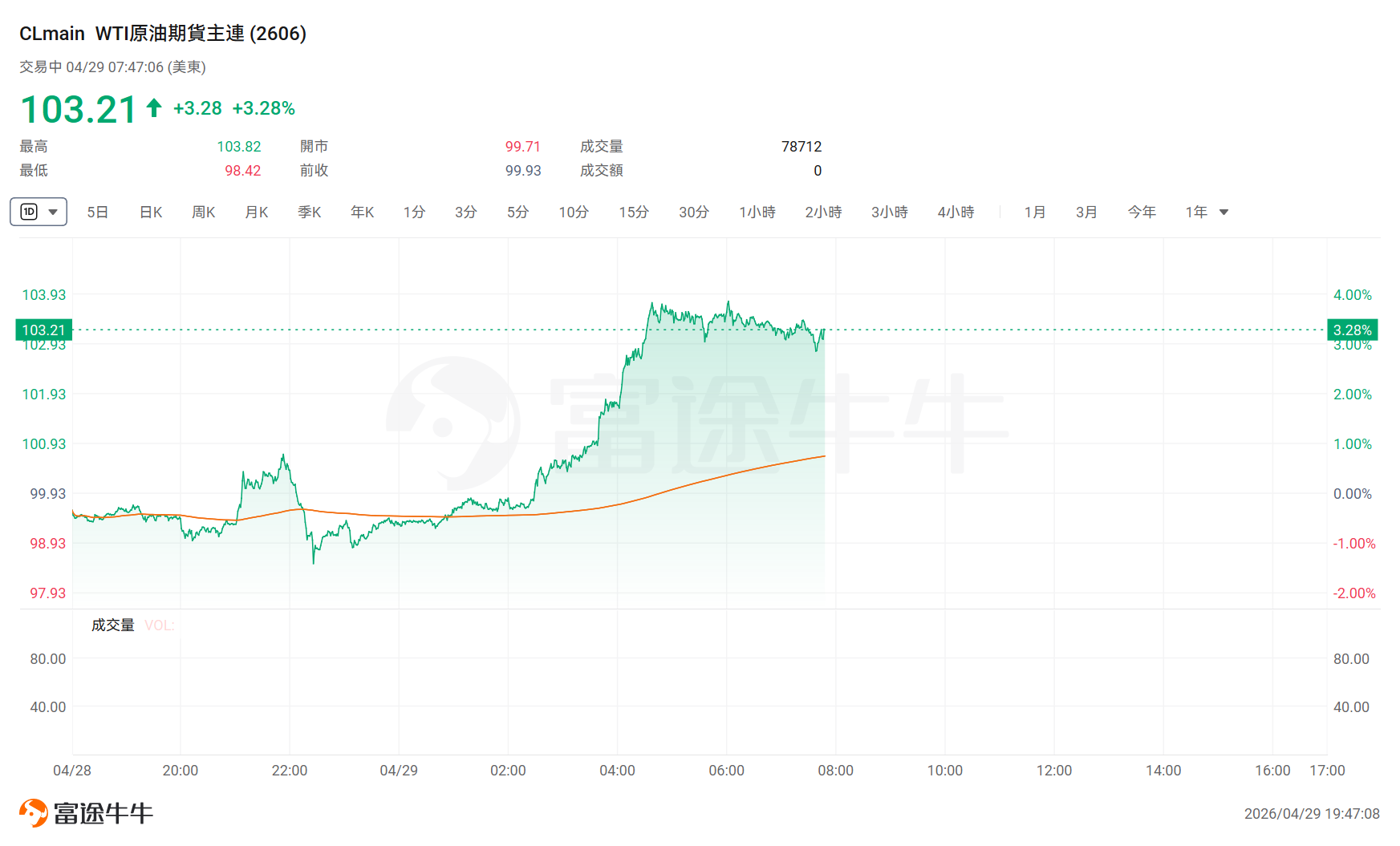
The main contract for WTI crude oil futures rose, with an increase of over 3% as of the latest quote.
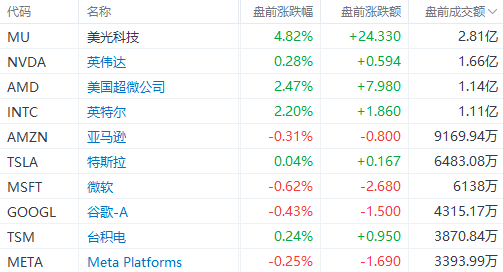
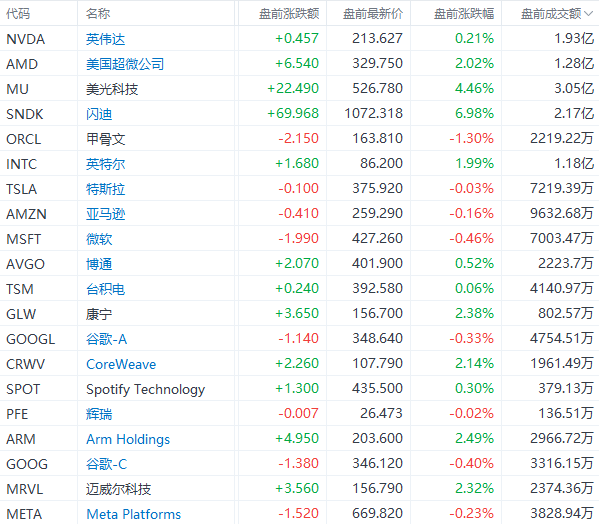
$Star Tech Companies (LIST2518.US)$Pre-market trading was mixed, with Micron rising nearly 5%, AMD and Intel gaining over 2%.
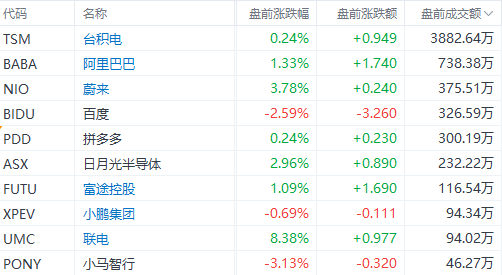
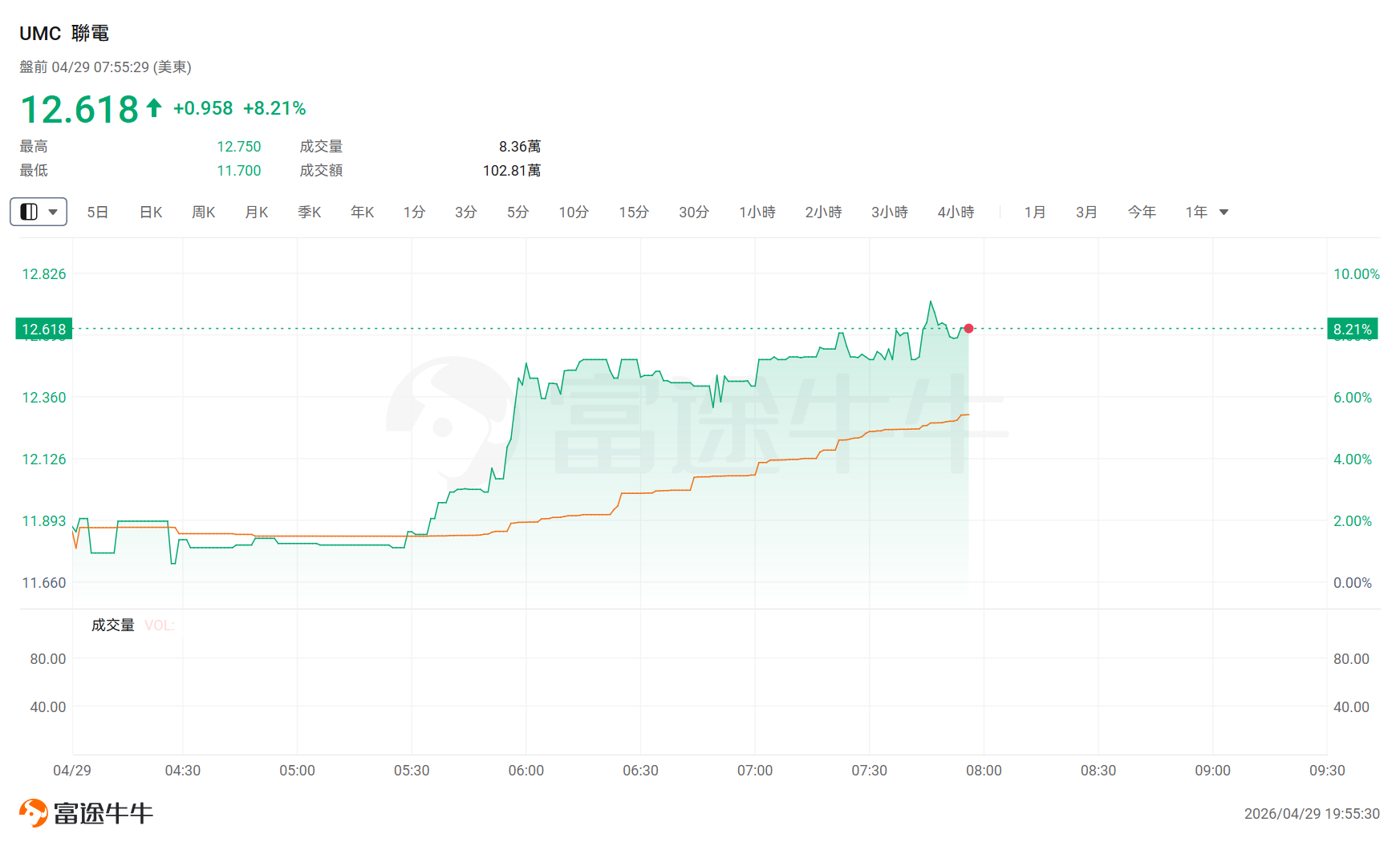
 $China Concept Stocks (LIST2517.US)$ Most stocks were higher pre-market, with United Microelectronics up over 8%, Nio rising nearly 4%, and Alibaba climbing over 1%.
Individual Stock News
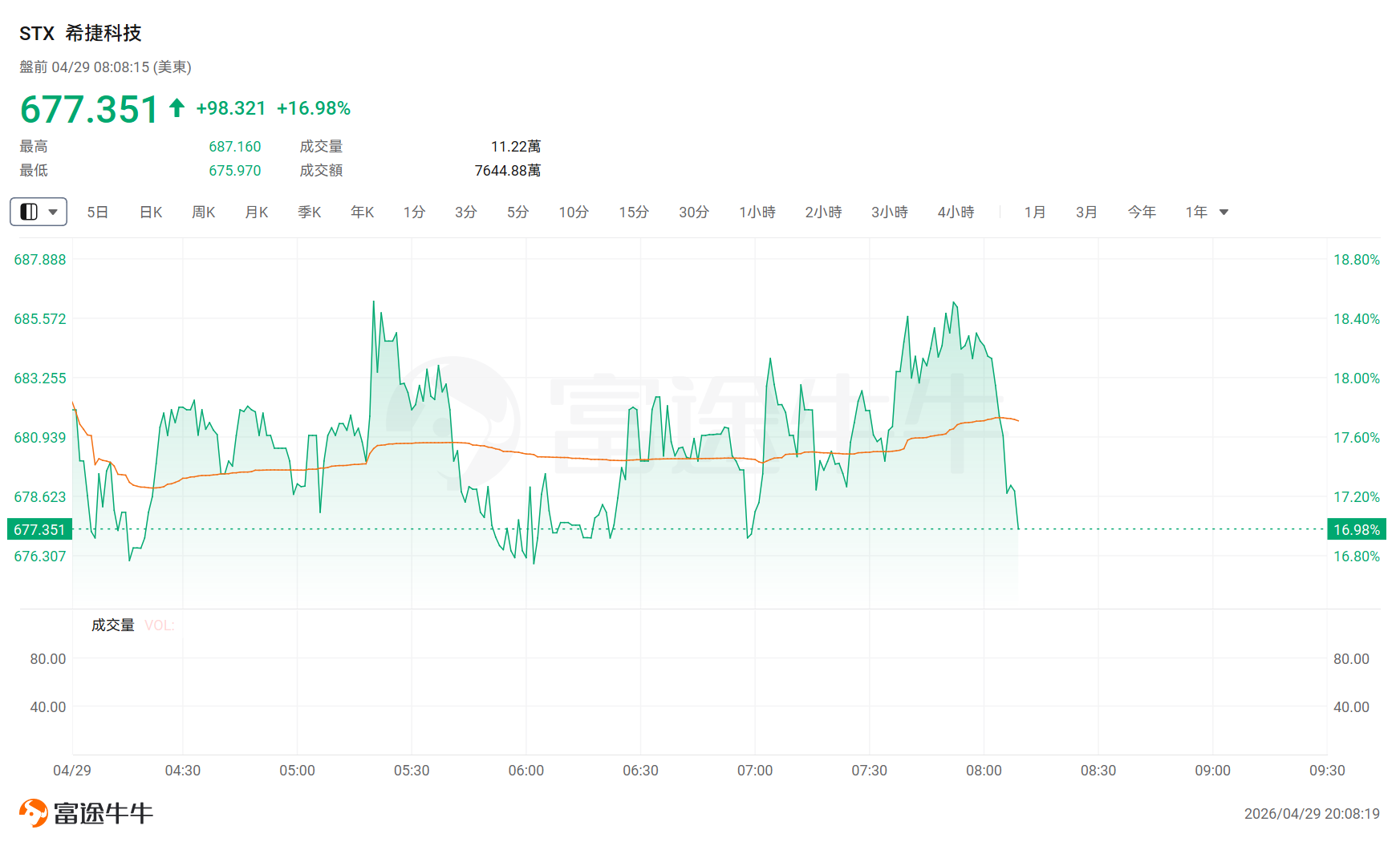
Seagate Technology's third-quarter earnings report showed a profit of $1.89 billion, marking a 92.66% year-on-year increase.
On April 28, Seagate Technology released its third-quarter financial results. For the nine months ending April 3, 2026, the company reported revenue of $8.566 billion, representing a 28.75% year-on-year increase; net profit attributable to shareholders (net profit) was $1.89 billion, reflecting a 92.66% year-on-year increase.
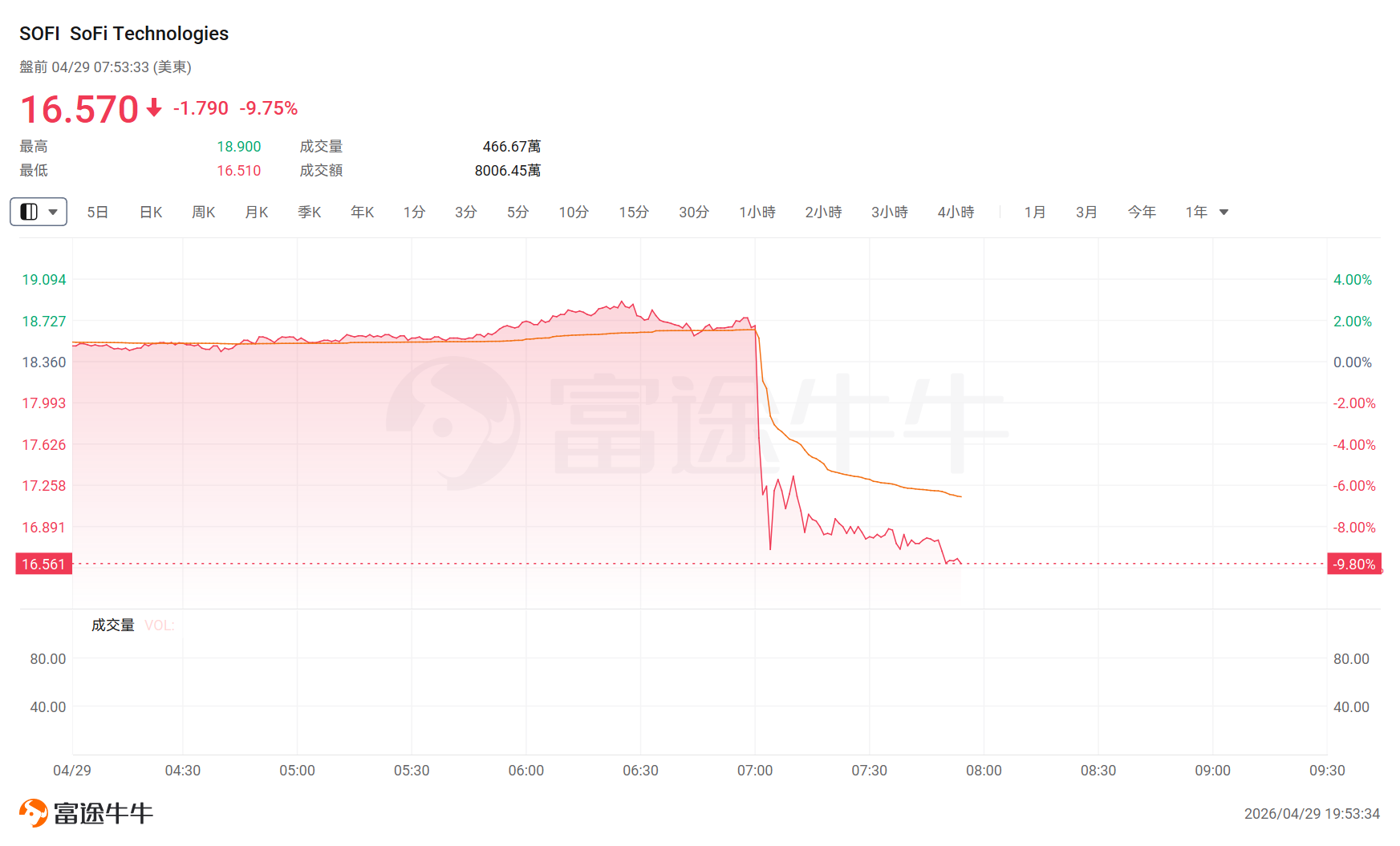
SoFi Technologies announced its earnings, with shares falling nearly 10% in pre-market trading.
$SoFi Technologies (SOFI.US)$ Q1 net revenue reached $1.087 billion, a 41% year-on-year increase; adjusted earnings per share were $0.12, reflecting a 100% year-on-year growth.
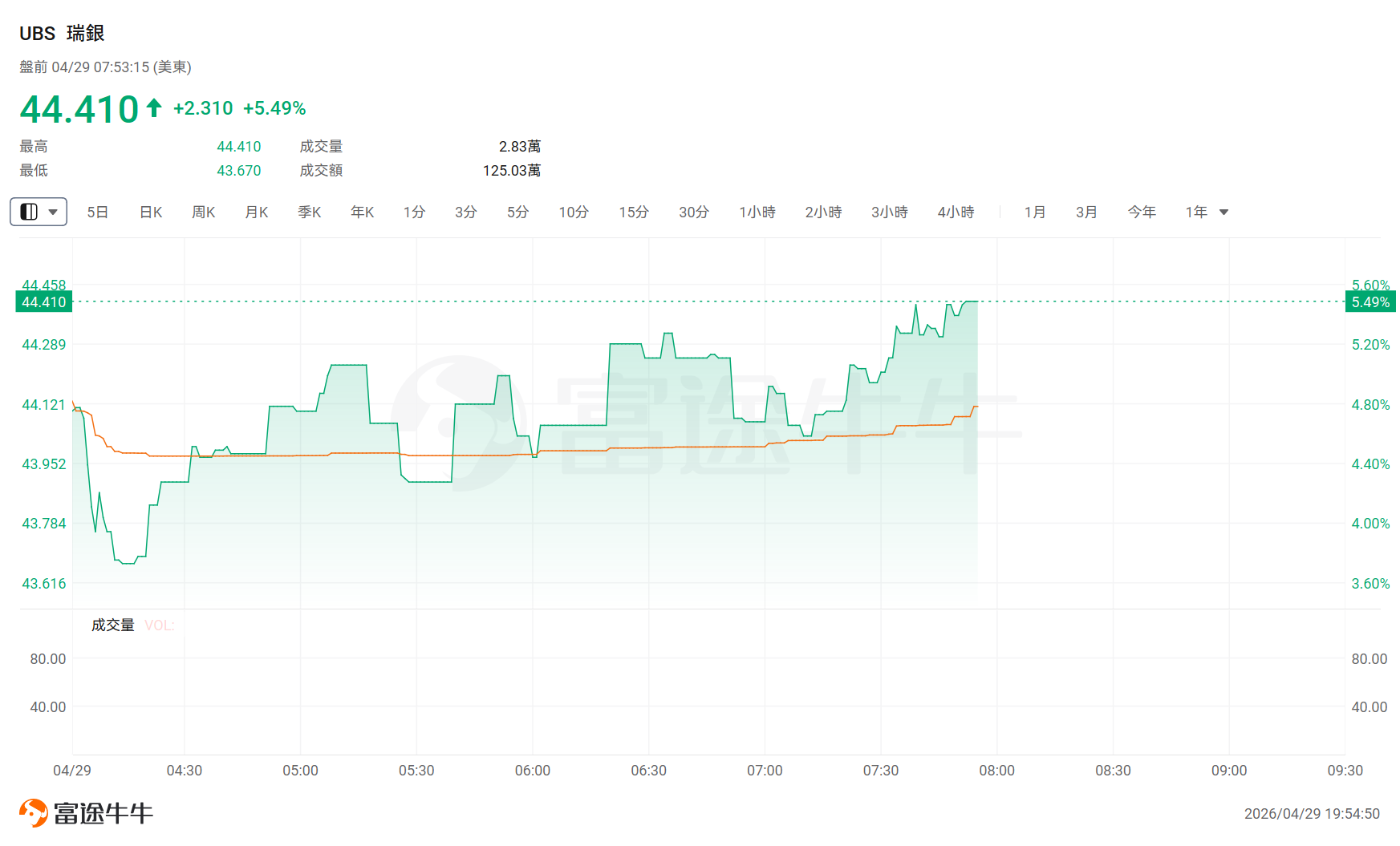
UBS Group's earnings report revealed risk signals: top U.S. billionaires are still investing heavily but avoiding private credit.
After navigating through a turbulent period of Credit Suisse integration, $UBS Group (UBS.US)$ is demonstrating its resilience as a global wealth management powerhouse. The latest financial data indicates that the bank’s operations in the U.S. market are showing signs of improvement. However, at the same time, significant changes are occurring in asset allocation strategies among its core high-net-worth clientele—once red-hot private credit is gradually cooling off.
On April 29, UBS released its first-quarter financial report for 2026, delivering results that exceeded market expectations across the board. Net profit attributable to shareholders for the quarter reached $3.04 billion, surging 80% year-over-year from $1.69 billion; pre-tax profit was recorded at $3.84 billion, showing substantial growth. Analysts' consensus expectation for net profit was only $2.33 billion, and the actual result significantly outperformed this. Revenue also showed strength. Total group revenue reached $14.24 billion, growing 13% year-over-year, far surpassing analysts' expectations of $13.23 billion. Among this, global wealth management division revenue grew 11% to $7.1 billion, while investment banking division revenue surged 31%.
Demand resilience persists despite headwinds! United Microelectronics Q1 revenue exceeds expectations; wafer prices to rise in the second half of the year
**** chipmaker $United Microelectronics (UMC.US)$ said on Wednesday that despite headwinds such as shortages of memory chips and impacts from the Iran conflict, market demand has shown resilience, and the company will raise prices in the second half of this year. UMC reported first-quarter revenue of NT$61.04 billion (approximately US$1.93 billion), surpassing expectations by US$10 million and representing a 5.5% year-on-year increase; net profit was NT$16.17 billion, marking a substantial 108% year-on-year increase.
In its earnings statement, UMC noted that entering the second quarter, demand in the communications sector rebounded, coupled with steady demand from computing, consumer electronics, and industrial markets, which is expected to keep wafer shipments strong.
CEO Jason Wang stated in the announcement, 'The current shortage of memory chips and ongoing conflicts in the Middle East have indeed created some headwinds and market volatility, but UMC still expects market demand to remain resilient.'
AstraZeneca Q1 revenue and profit exceed expectations; triple-combination therapy for asthma approved for marketing
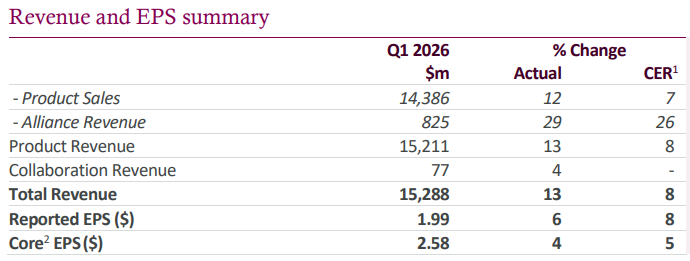
Driven by the strong demand for its star oncology drug, AstraZeneca (AZN.US) reported a first-quarter profit increase that exceeded expectations. According to the earnings report, AstraZeneca's total revenue for the first quarter was $15.288 billion, representing an 8% year-over-year growth and surpassing market forecasts. The adjusted earnings per share stood at $2.58, higher than the analysts' expected $2.55.
On April 28, $AstraZeneca (AZN.US)$ The FDA has approved Budesonide/Glycopyrronium/Formoterol Fumarate Inhalation Aerosol (320/36/9.6µg, brand name: Breztri Aerosphere®) for the maintenance treatment of asthma patients aged 12 years and older. Breztri Aerosphere® is a fixed-dose triple-combination therapy developed by AstraZeneca, containing three active pharmaceutical ingredients: budesonide (a corticosteroid), glycopyrronium (a long-acting muscarinic antagonist), and formoterol fumarate (a long-acting beta-2 adrenergic agonist).
The FDA's approval was based on positive results from two Phase III studies (KALOS and LOGOS). These studies collectively enrolled 4,461 adult and adolescent patients with poorly controlled asthma, evaluating the efficacy and safety of Budesonide/Glycopyrronium/Formoterol Fumarate Inhalation Aerosol compared to the dual-combination therapy Symbicort® (budesonide + formoterol fumarate) as a maintenance treatment. Results showed that, compared to the Symbicort group, patients in the Budesonide/Glycopyrronium/Formoterol Fumarate Inhalation Aerosol group experienced a significant improvement in forced expiratory volume in one second (FEV1) and a marked reduction in the rate of severe asthma exacerbations.
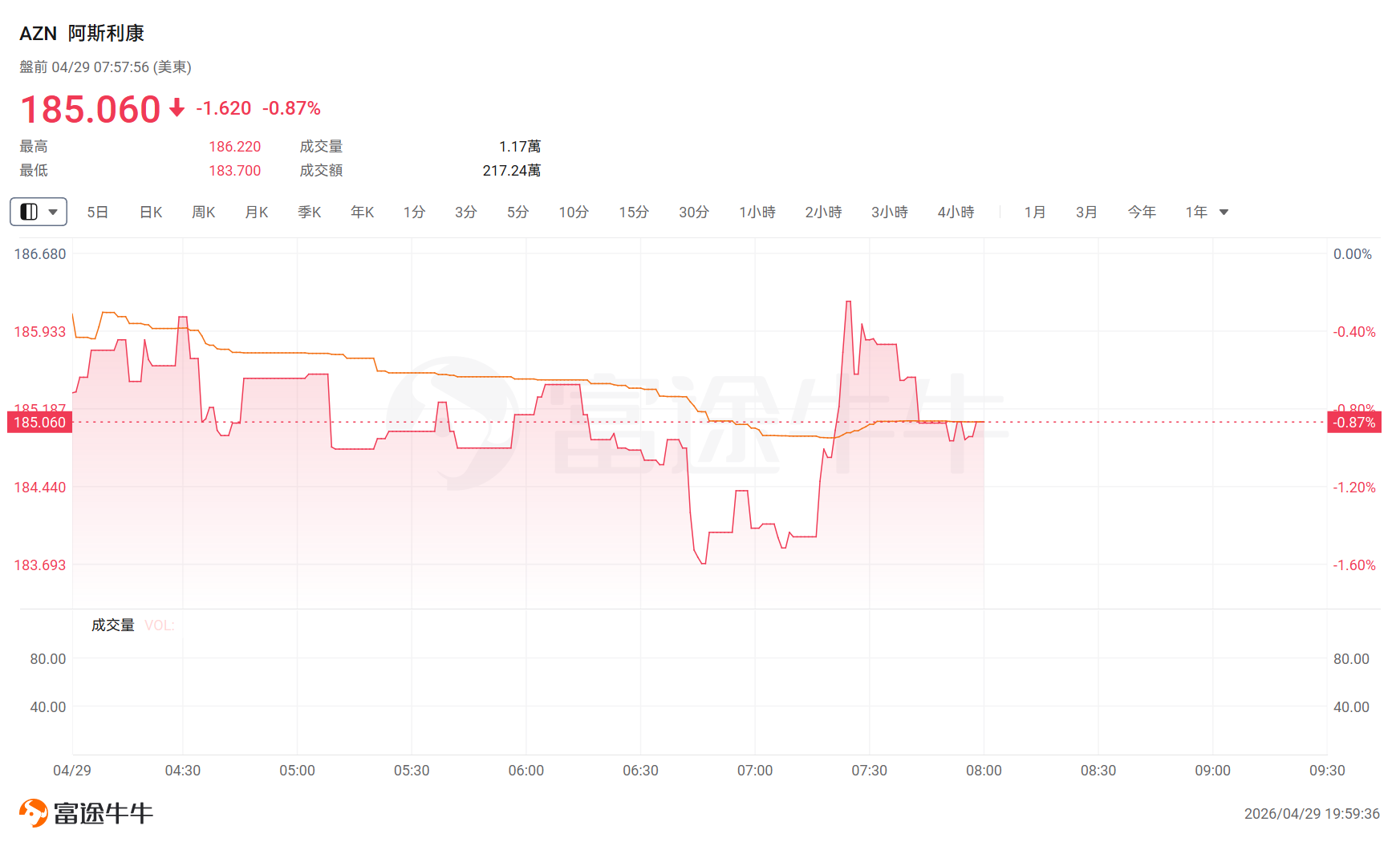
Amid volatile share price movements, Taiwan Semiconductor has fully divested its holdings in Arm Holdings, realizing proceeds of $230 million.
The world’s largest semiconductor foundry $Taiwan Semiconductor (TSM.US)$ Disclosed in a filing submitted on Wednesday, it has completely sold off its remaining shares in $Arm Holdings (ARM.US)$ .
The filing shows that TSMC Partners, a subsidiary of Taiwan Semiconductor, sold 1.11 million shares of Arm at $207.65 per share between April 28 and 29, with a total transaction value of approximately $231 million. This disposal had an impact of about $174 million on Taiwan Semiconductor's retained earnings. Following the completion of the transaction, Taiwan Semiconductor no longer holds any shares in Arm.
It is understood that when Arm went public in 2023, Taiwan Semiconductor participated in the offering alongside several strategic investors, investing approximately $100 million at $51 per share. Past disclosures indicate that Taiwan Semiconductor had already begun reducing its stake incrementally: in 2024, it sold 850,000 shares at $119.47 per share, generating proceeds of approximately $102 million.
Taiwan Semiconductor stated in the announcement that this reduction was part of its equity investment disposition plan.
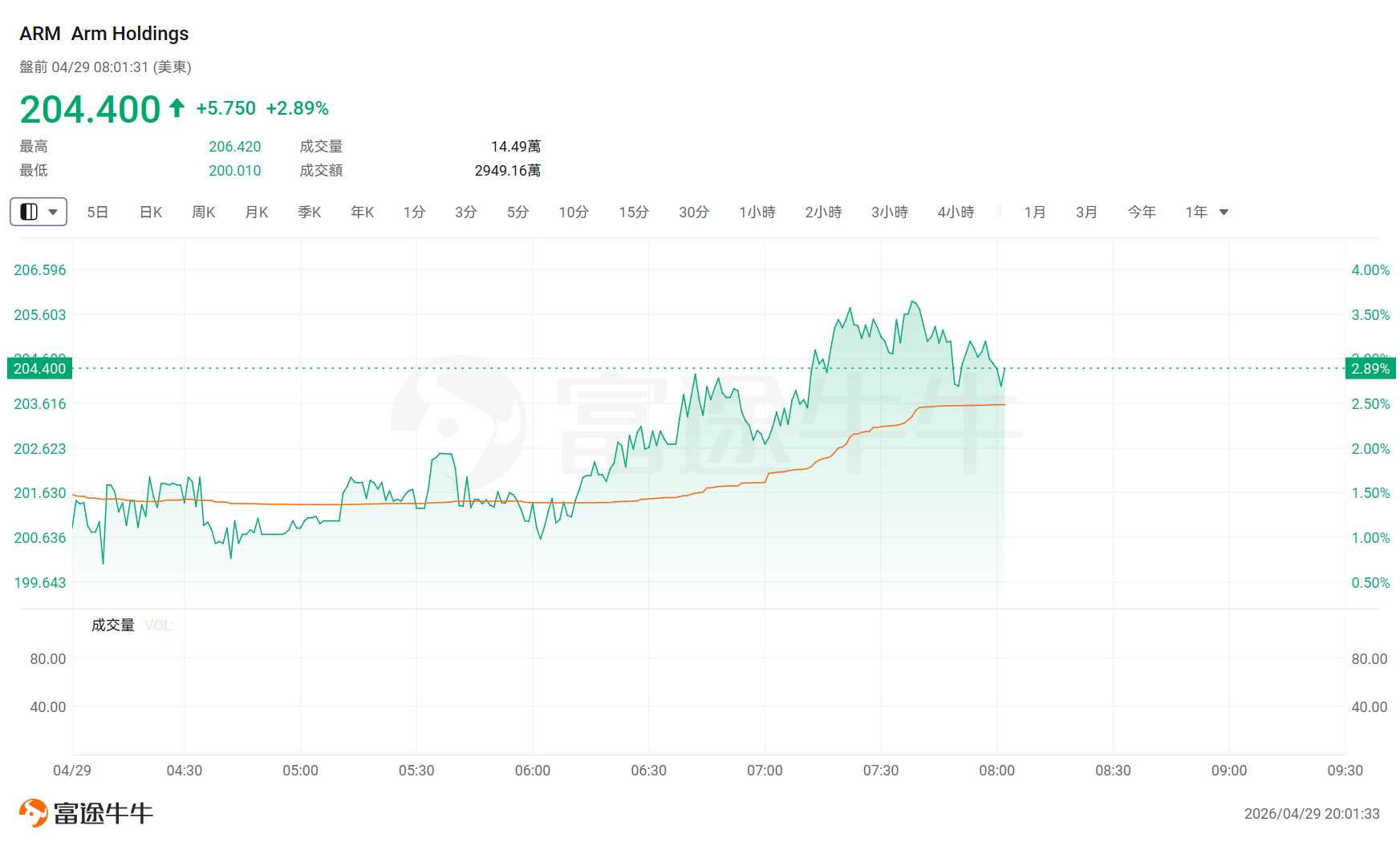
Robinhood's Q1 revenue and profits both fell short of expectations, with cryptocurrency income plummeting by half year-over-year.
The financial report shows that,$Robinhood (HOOD.US)$The earnings report showed that first-quarter revenue increased by 15% to $1.07 billion, falling $70 million short of expectations; earnings per share were $0.38, compared to an expected $0.39. Average revenue per user (ARPU) dropped from $191 in the fourth quarter to $157, representing an 8% year-over-year increase, compared to a 16% growth in the fourth quarter. Transaction-based revenue totaled $623 million, below the estimated $659 million, retreating from $776 million in the previous quarter but higher than $583 million a year ago. Among this, cryptocurrency revenue plunged 47% year-over-year to $134 million.
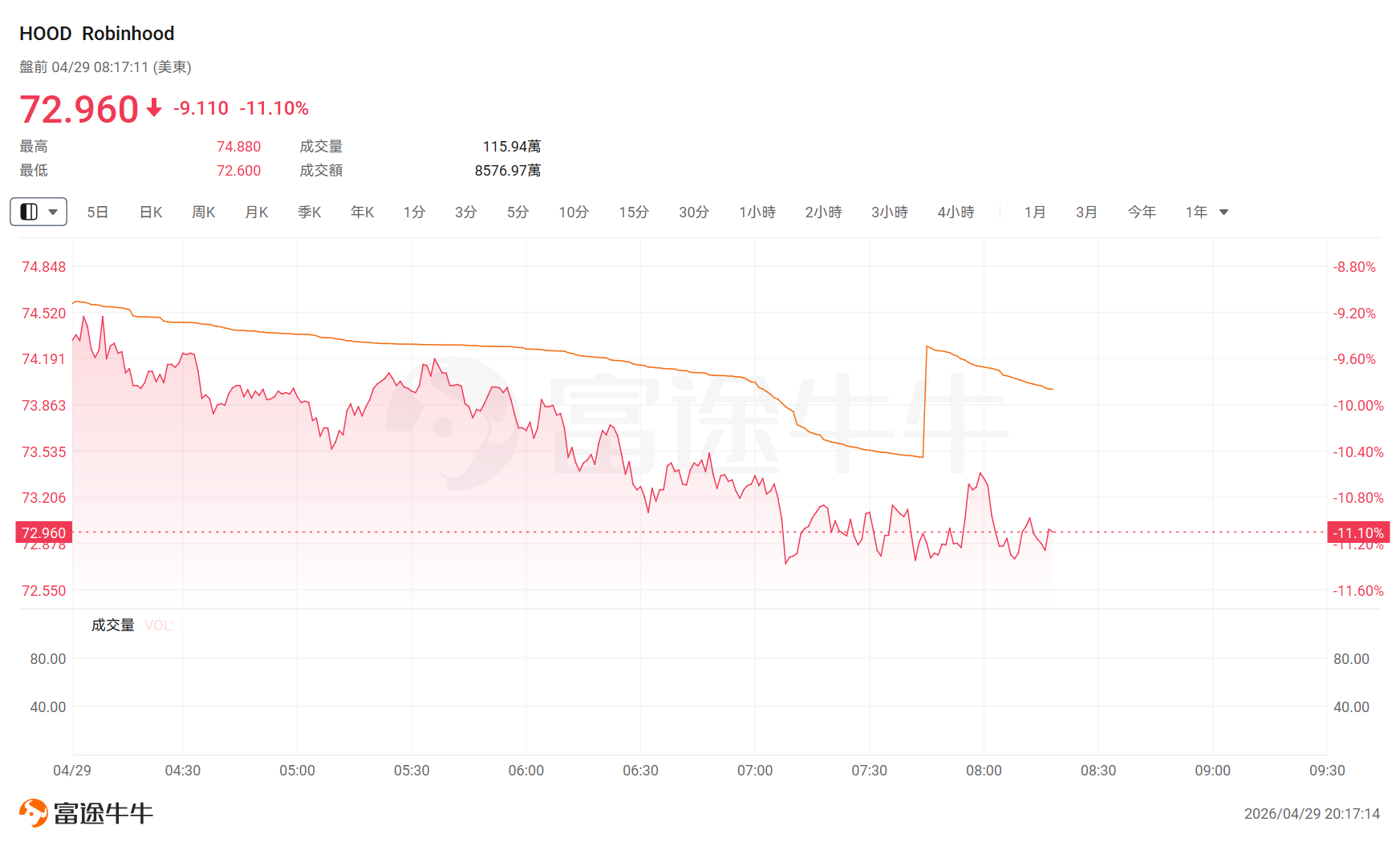
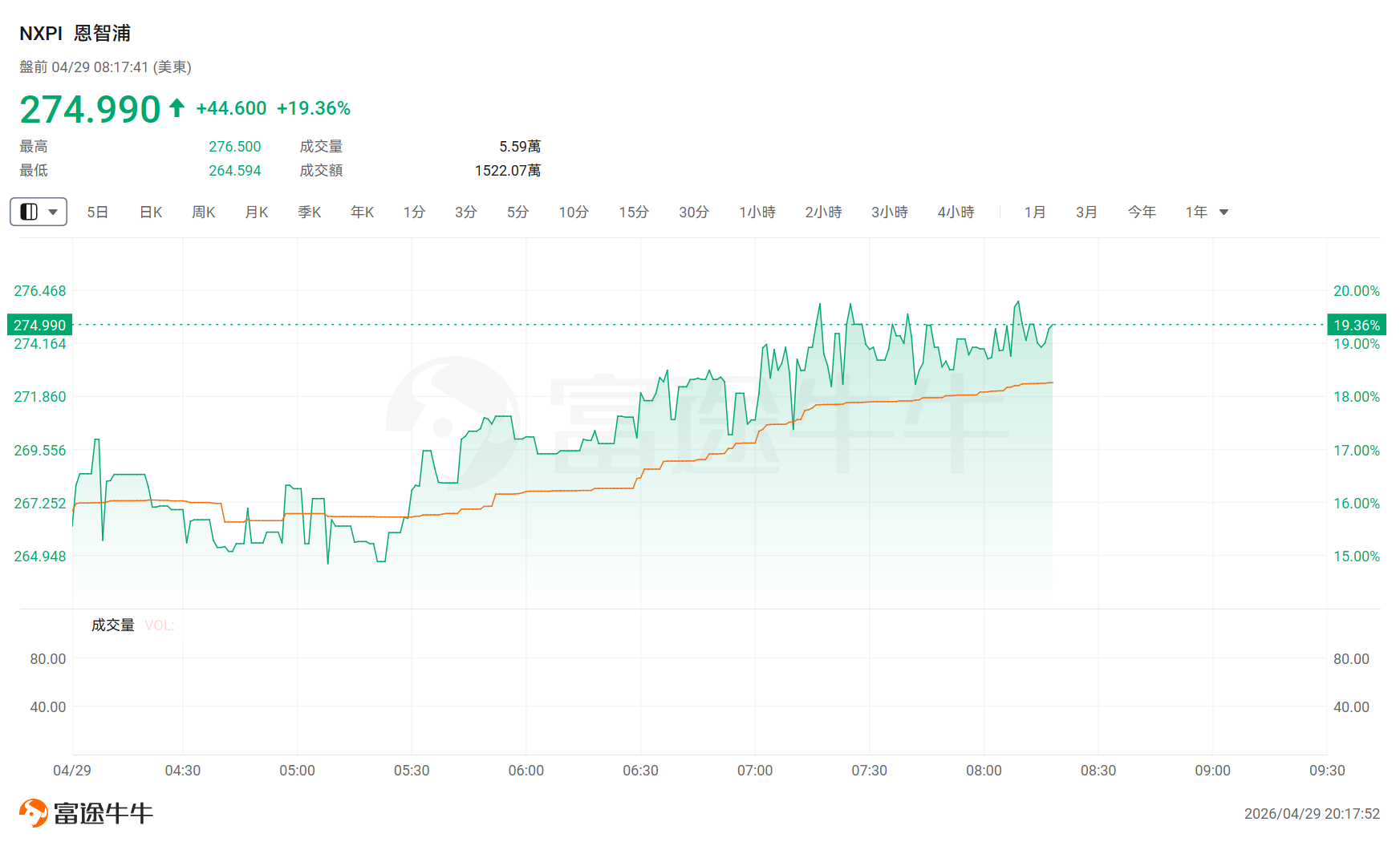
NXP Semiconductors' Q1 earnings exceeded expectations, with strong guidance signaling a recovery in the semiconductor industry.
Driven by the recovery in the automotive and industrial chip markets, Dutch chipmaker NXP Semiconductors reported better-than-expected first-quarter results and issued a robust second-quarter outlook.
The financial report shows that,$NXP Semiconductors (NXPI.US)$First-quarter revenue increased 12% year-over-year to $3.18 billion, surpassing analysts' average estimate of $3.15 billion. Net profit surged from $490 million in the same period last year to $1.12 billion. Adjusted earnings per share were $3.05, exceeding market expectations of $2.98. NXP anticipates second-quarter revenue to range between $3.35 billion and $3.55 billion, significantly higher than the estimated $3.27 billion; adjusted earnings per share are projected to be between $3.29 and $3.72, also markedly better than the expected $3.21; adjusted gross margin is forecasted to be between 57.5% and 58.5%, compared to analysts' expectations of 57.6%. NXP’s optimistic guidance underscores the ongoing recovery of the industrial and automotive chip markets from a two-year demand slump.
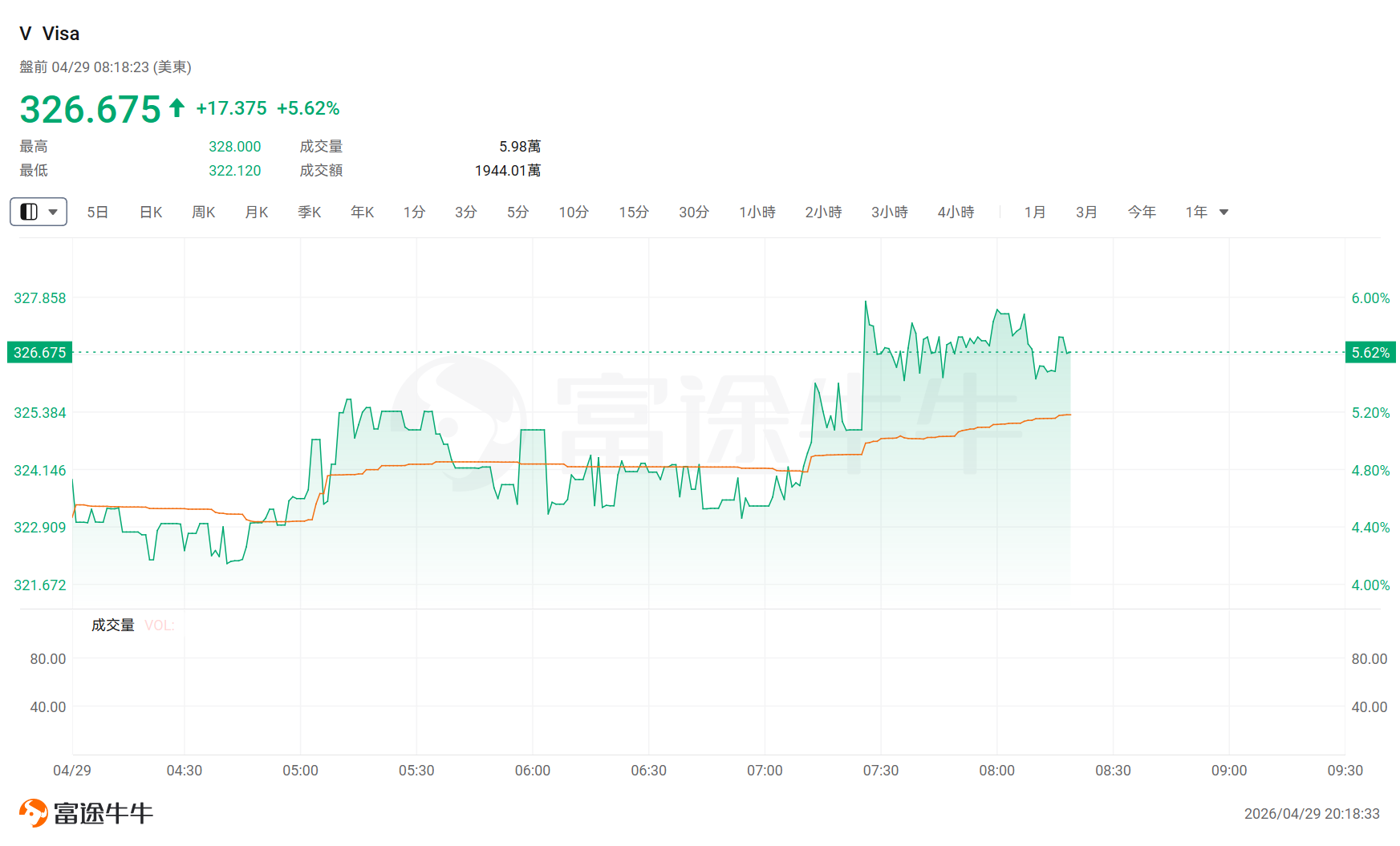
High-income groups continue to aggressively spend! Visa records its strongest revenue growth in four years, with stablecoin settlements catalyzing a new growth narrative.
Driven by robust global consumer spending resilience and strong growth in corporate payment volumes,$Visa (V.US)$Supported by resilient global consumer spending and robust growth in corporate payment volumes, total revenue for the second fiscal quarter achieved the largest year-over-year increase since 2022. For the three months ended March 31, total revenue grew 17% year-over-year to $11.2 billion; adjusted earnings per share were $3.31, surpassing market expectations of $3.10. Additionally, amid disruptions to global consumer spending plans due to geopolitical conflicts in the Middle East, the company unexpectedly raised its full-year adjusted earnings per share growth forecast for fiscal 2026. Coupled with the rapid expansion of stablecoin settlement volumes and management's newly authorized $20 billion stock repurchase program, these factors collectively fueled investor bullish sentiment toward Visa.
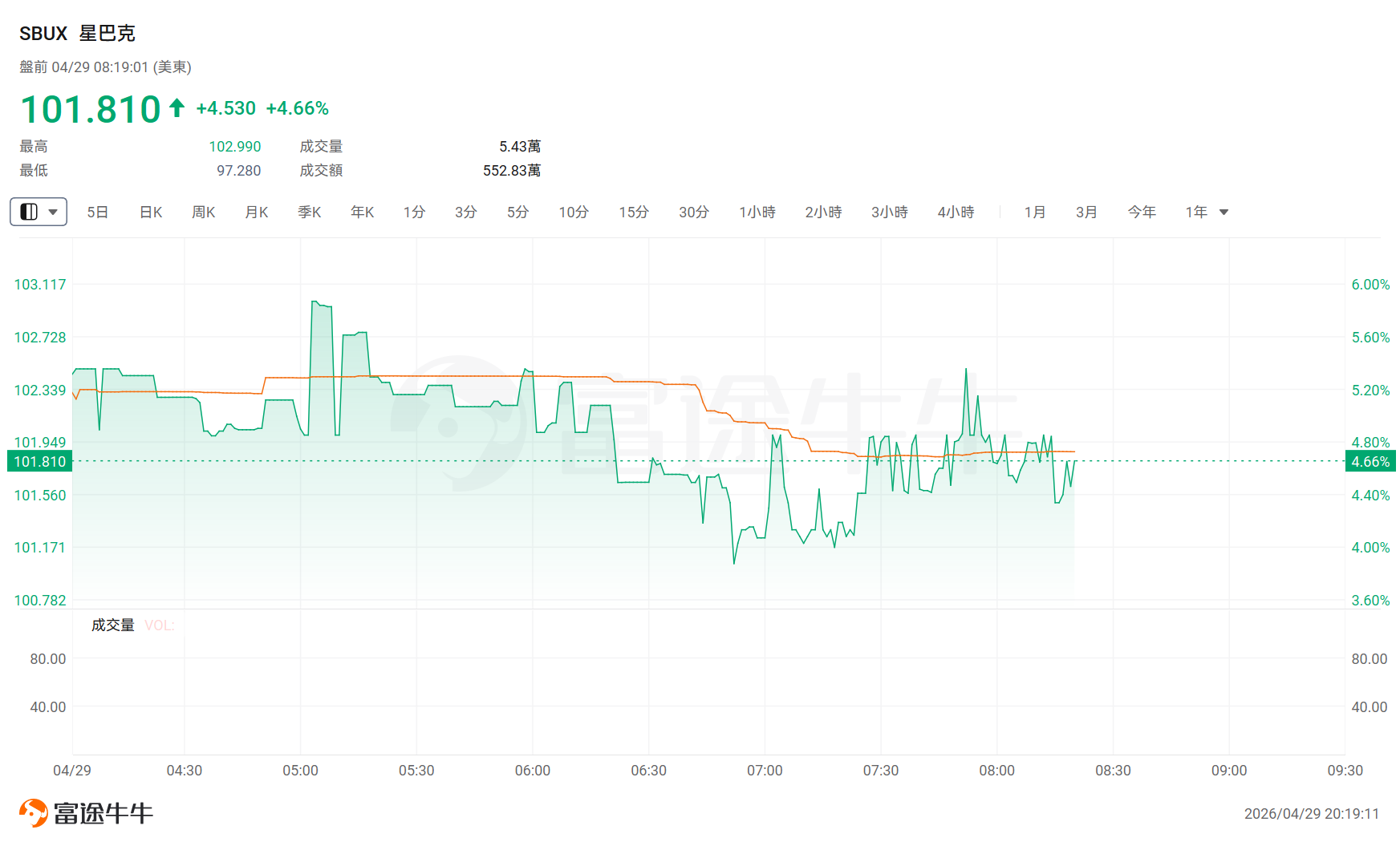
Starbucks' 'Back to Starbucks' strategy pays off! Q2 results surpass expectations across the board: Net profit surges 33%, full-year guidance raised.
The financial report shows that,$Starbucks (SBUX.US)$ In Q1, a strong growth momentum was achieved, with global total net revenue reaching USD 9.53 billion, representing an 8.8% year-over-year increase from USD 8.76 billion. This not only set a new historical record but also exceeded market expectations of USD 9.16 billion. Net profit attributable to Starbucks stood at USD 510.9 million, marking a significant 33% rise compared to USD 384.2 million in the same period last year. CEO Brian Niccol described this quarter as a 'turning point' in the company’s transformation, signifying that the 'Back to Starbucks' strategy aimed at strengthening the brand's core competitiveness is yielding positive results.
Global Macro
Tonight, Powell's 'final dance': Likely to stay put, but with a stronger hawkish tone!
The Federal Reserve's inaction at the April FOMC meeting is almost a certainty, but the real suspense of this meeting goes far beyond that — the addition or removal of a single word in the statement could signal to the market that "rate cuts are essentially off the table"; Powell’s press conference is expected to reflect a firm stance, reaffirming the decision to hold steady and stating that current policies are well-prepared to address risks to the dual mandate.
Will the AI rally continue, or is it starting to change direction? Earnings reports from the four major tech giants released after hours.
Market consensus anticipates that the combined capital expenditures of Alphabet, Microsoft, Amazon, and Meta will reach $600 billion by 2026. Goldman Sachs explicitly stated that if capital expenditure remains stagnant, it would essentially indicate a slowdown. Against the backdrop of historically high market positioning, an individual company’s better-than-expected performance may boost sector sentiment, but any underperformance could also trigger a chain reaction. The key question is whether positive surprises can be shared or if negative shocks might spread.
The yen comes under siege again! Short positions hit a two-year high as traders bet heavily that rate hikes and interventions will be futile.
Investors have established the largest short position in the Japanese yen in nearly two years, betting that neither a Bank of Japan interest rate hike nor intervention by Japanese authorities will be able to salvage the weakening currency. This short position represents the largest since Japanese authorities last intervened in the foreign exchange market in 2024, setting the stage for a test of their resolve to defend the yen against speculative pressures.
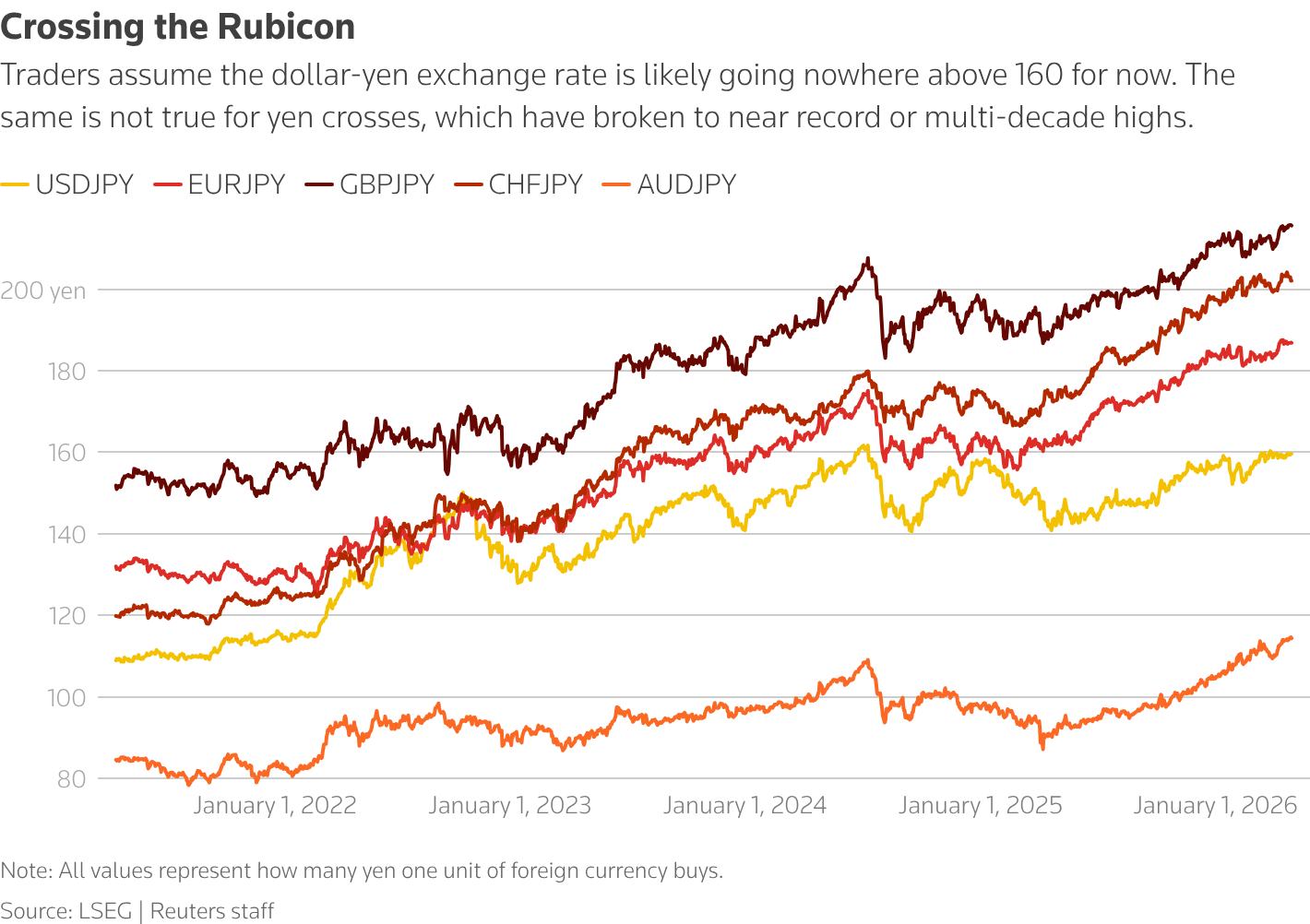
According to HSBC data, Japanese retail forex traders, nicknamed "Mrs. Watanabe," currently hold the largest short position in non-dollar cross yen pairs since February 2020. Investors are reportedly selling the yen against the euro, Swiss franc, pound sterling, and Australian dollar. The yen is currently at its weakest level against the euro since the currency's inception, at an all-time low against the Swiss franc, at its lowest since the global financial crisis against the pound, and at its weakest level in 30 years against the Australian dollar.
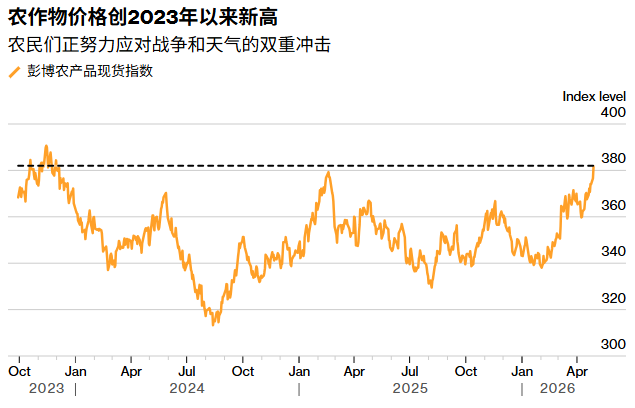
Global food inflation is accelerating! Dual impacts from Iran conflict and El Niño drive crop prices to a two-year high.
The prolonged closure of the Strait of Hormuz and extreme weather have driven the agricultural products price index to its highest level in two years. Prospects of fertilizer shortages and reduced harvests have exacerbated risks of food inflation. The Bloomberg Agriculture Spot Index, which tracks prices of the world’s ten most traded agricultural commodities, has risen for the third consecutive month, reaching its highest level since November 2023. This marks a stark contrast to pre-war conditions, when abundant inventories and bumper harvests weighed on prices for most agricultural products.
UBS CEO Pours Cold Water: Financial Markets Are Too Optimistic About the Prospects of Middle East Conflicts, V-Shaped Rebound May Not Repeat
Sergio Ermotti, CEO of UBS Group, warned that financial markets are at risk of excessive optimism regarding Middle East conflicts. In an interview, he stated, 'Market expectations are not only that the situation will be resolved – which is what we believe and hope to see – but also that the impacts already incurred will dissipate in a conventional manner.'
Despite the lack of signs of a sustainable solution to the Middle East conflict, equity markets have continued to rally. The most representative example is the U.S. stock market. Both the S&P 500 Index and the Nasdaq Composite Index hit new highs on Monday. Investors have largely chosen to treat headlines related to the Middle East conflict as trading noise and have re-embraced U.S. stocks led by technology shares amid this earnings season, which has showcased corporate earnings resilience.
Geopolitical Conflicts Hit Gold Prices Hard; Global Central Banks Bought 244 Tons of Gold in Q1
In the first quarter of this year, global central banks increased their gold reserves at the fastest pace in over a year, as a sharp decline in gold prices triggered a wave of purchases sufficient to offset selling pressures from a few institutions. According to the World Gold Council, global central banks net purchased 244 tons of gold in Q1, up from 208 tons in the previous quarter. Poland, Uzbekistan, and China were the largest buyers among those disclosing data, while some central banks did not disclose their gold purchases.
Gold prices experienced significant volatility this year, hitting a record high at the end of January before plummeting in March due to the outbreak of conflict between the US and Iran. Key factors weighing on gold prices included surging energy costs, which fueled expectations that major central banks would maintain or even raise borrowing costs to curb inflation. A high-interest-rate environment poses a disadvantage for non-interest-bearing gold.
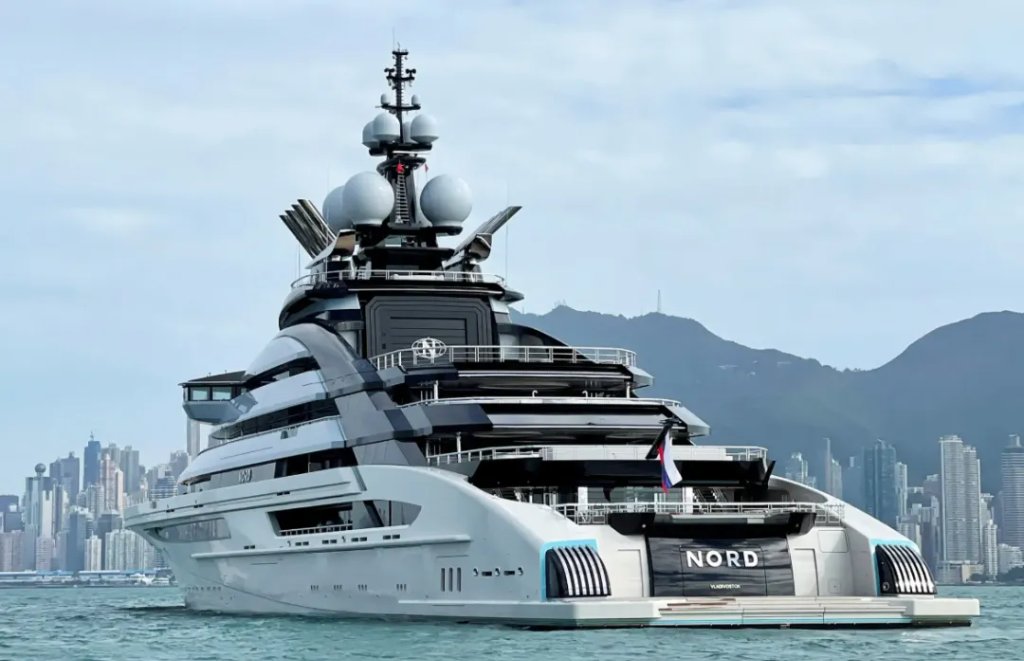
Flying Russian Flag, Russian Tycoon’s Superyacht Crosses Strait of Hormuz Without Obstruction by the US or Iran!
The superyacht 'Nord,' flying the Russian flag, successfully crossed the Strait of Hormuz recently, becoming one of the few private vessels to pass through the waterway in recent times. The yacht is owned by Alexei Mordashov, Russia’s richest individual, who is currently under EU and US sanctions. Neither Iran nor the US intervened. Analysts suggest that strategic relations between Russia and Iran may have facilitated the passage. The US and Iran remain at odds over transit rights in the strait, with Washington explicitly prohibiting payment of tolls to Iran.
Top 20 pre-market trading volume stocks in the U.S.
Reminder of the US stock market macroeconomic calendar
(The following times are in Beijing Time)
22:00 The US Senate Banking Committee will vote on advancing Kevin Warsh's nomination for Federal Reserve Chair. If passed, the full Senate will proceed with a confirmation vote.
22:30 US EIA Weekly Crude Oil Inventory (in million barrels) as of April 24
 Looking to pick stocks or analyze holdings? Want to understand opportunities and risks in your portfolio? For all your investment-related questions, just ask Futubull AI!

Editor/Lee