
Market Snapshot
As of press time, the three major U.S. stock index futures exhibited a mildly upward and volatile pattern during pre-market trading. Dow Jones Industrial Average futures rose 0.39%, S&P 500 futures gained 0.25%, and Nasdaq 100 futures climbed 0.29%. Following the previous session's record highs, the modest advance in futures suggests that bullish investors continue to firmly maintain control over market momentum.

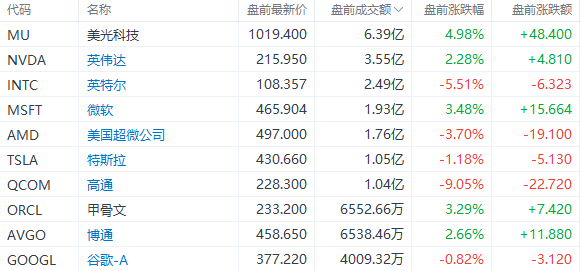
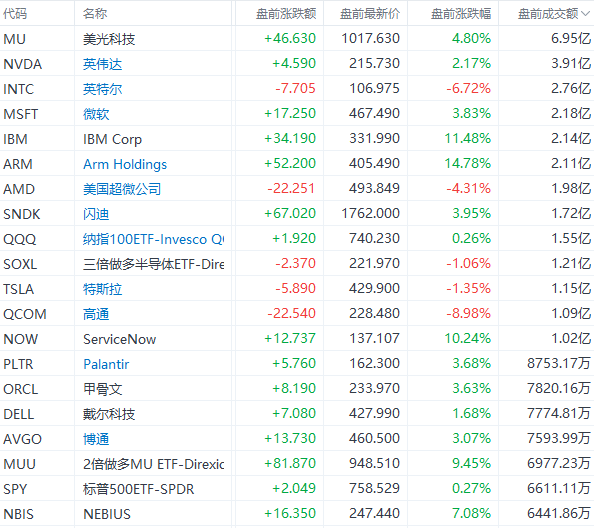
$Star Tech Companies (LIST2518.US)$ Pre-market trading remained generally stable, with narrow-range fluctuations. Micron rose nearly 5%, Microsoft and Oracle each gained more than 3%, while Qualcomm declined by over 9%.
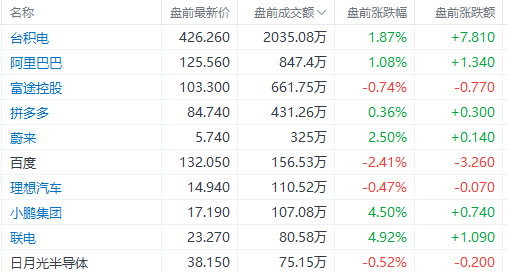
$China Concept Stocks (LIST2517.US)$ Pre-market movements were mixed, with XPeng Group and United Microelectronics rising over 4%, and Baidu gaining more than 2%.
Individual Stock News
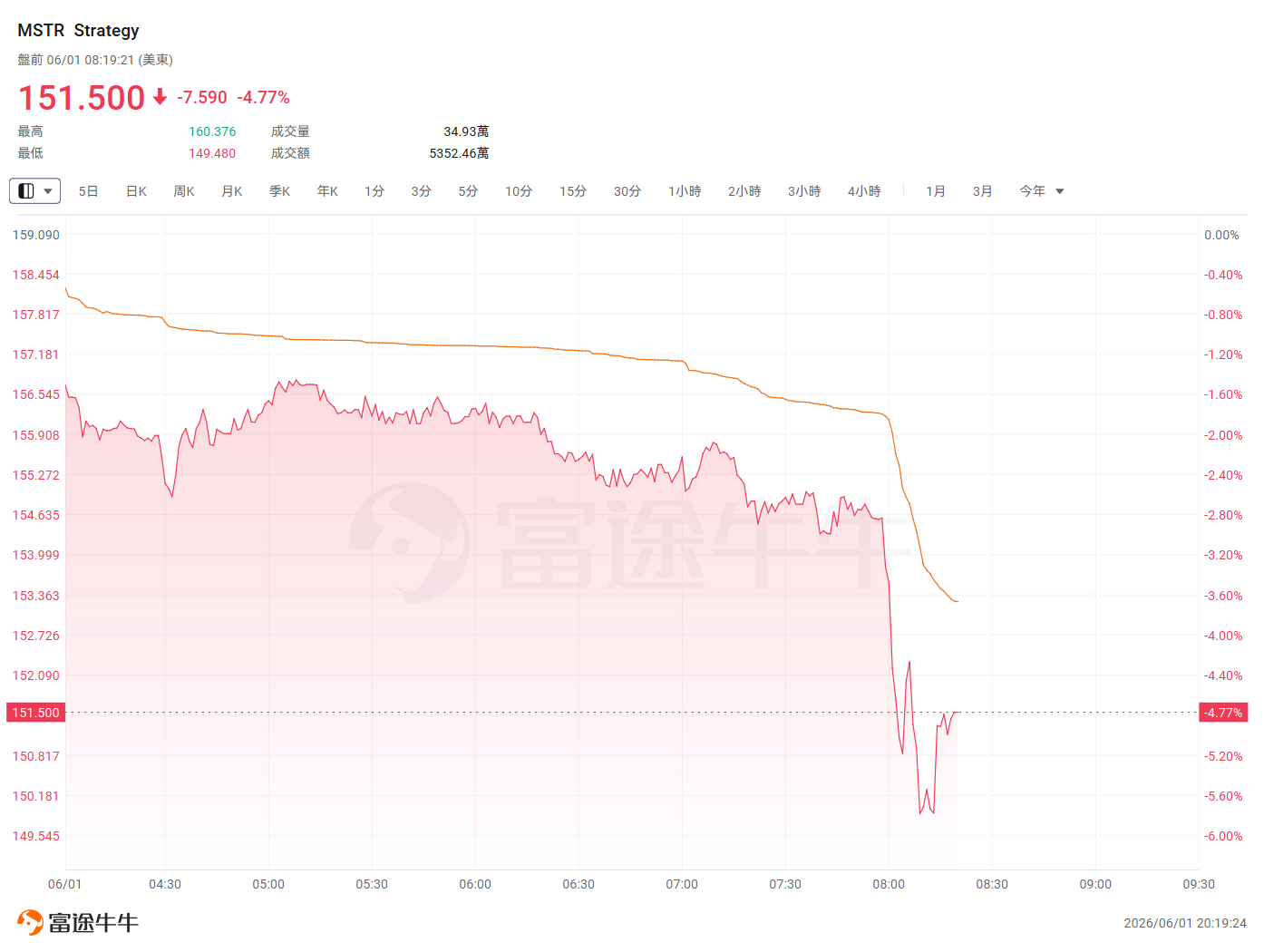
 Strategy Discloses Bitcoin Sale for the First Time
Regulatory filings reveal the sale of 32 BTC, raising $2.5 million. $Strategy (MSTR.US)$ (now operating under the Strategy brand) previously sold 32 Bitcoin for a total value of approximately $2.5 million. Based on the disclosed figures, the average selling price was about $77,135 per BTC.
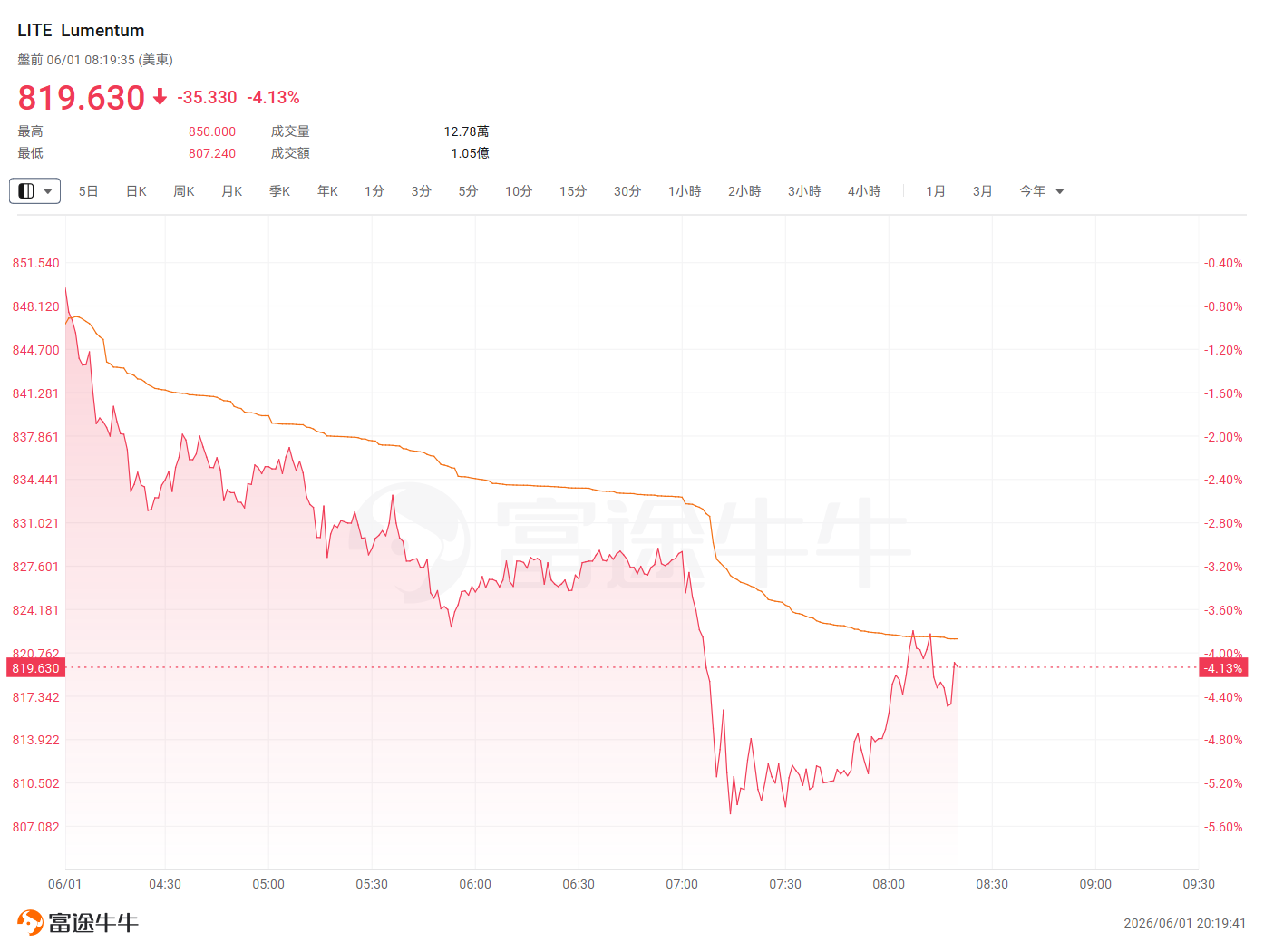
Lumentum fell more than 4% in pre-market trading after announcing the conversion of its 0.50% convertible senior notes due 2028 into equity.
The company stated it would not receive any cash proceeds from the transaction but would extinguish the exchanged debt. It added that the transaction is expected to close around Thursday, after which approximately $172.2 million of convertible notes will remain outstanding. The company further noted that the exchange would result in a minor additional dilution of approximately 800,000 shares related to the principal amount.
NVIDIA Launches New AI-Powered Chip for PCs, Bringing AI Computing Power Directly to Personal Computers
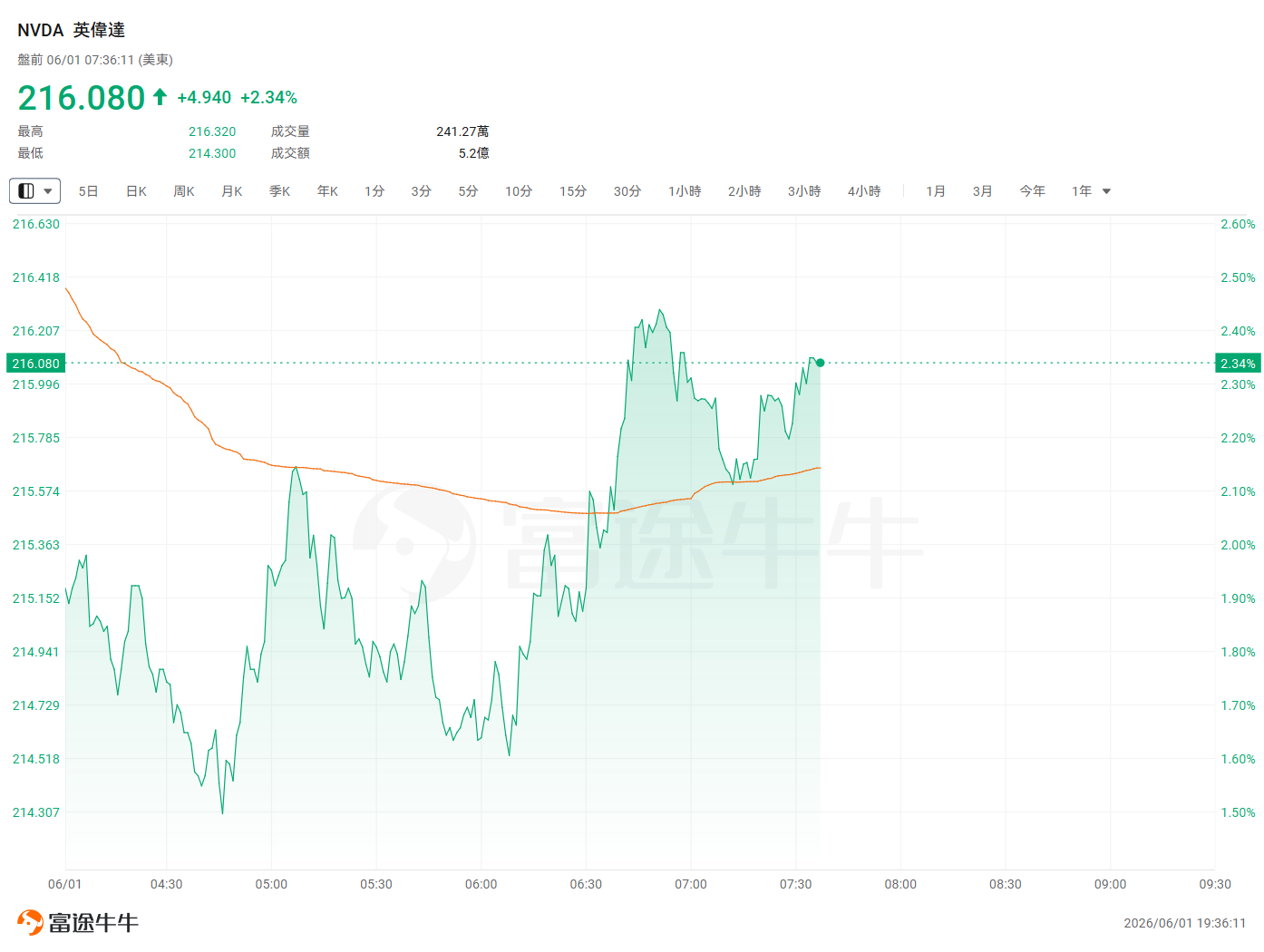
Global Computing Power Leader $NVIDIA (NVDA.US)$ At its latest product launch event, NVIDIA officially unveiled a new artificial intelligence chip architecture specifically and deeply customized for next-generation personal computers (PCs), aiming to directly embed powerful and efficient AI foundational processing capabilities into PC endpoint devices. This landmark innovation marks NVIDIA’s strategic expansion beyond its dominant position in data centers toward the significantly larger consumer-grade hardware market.
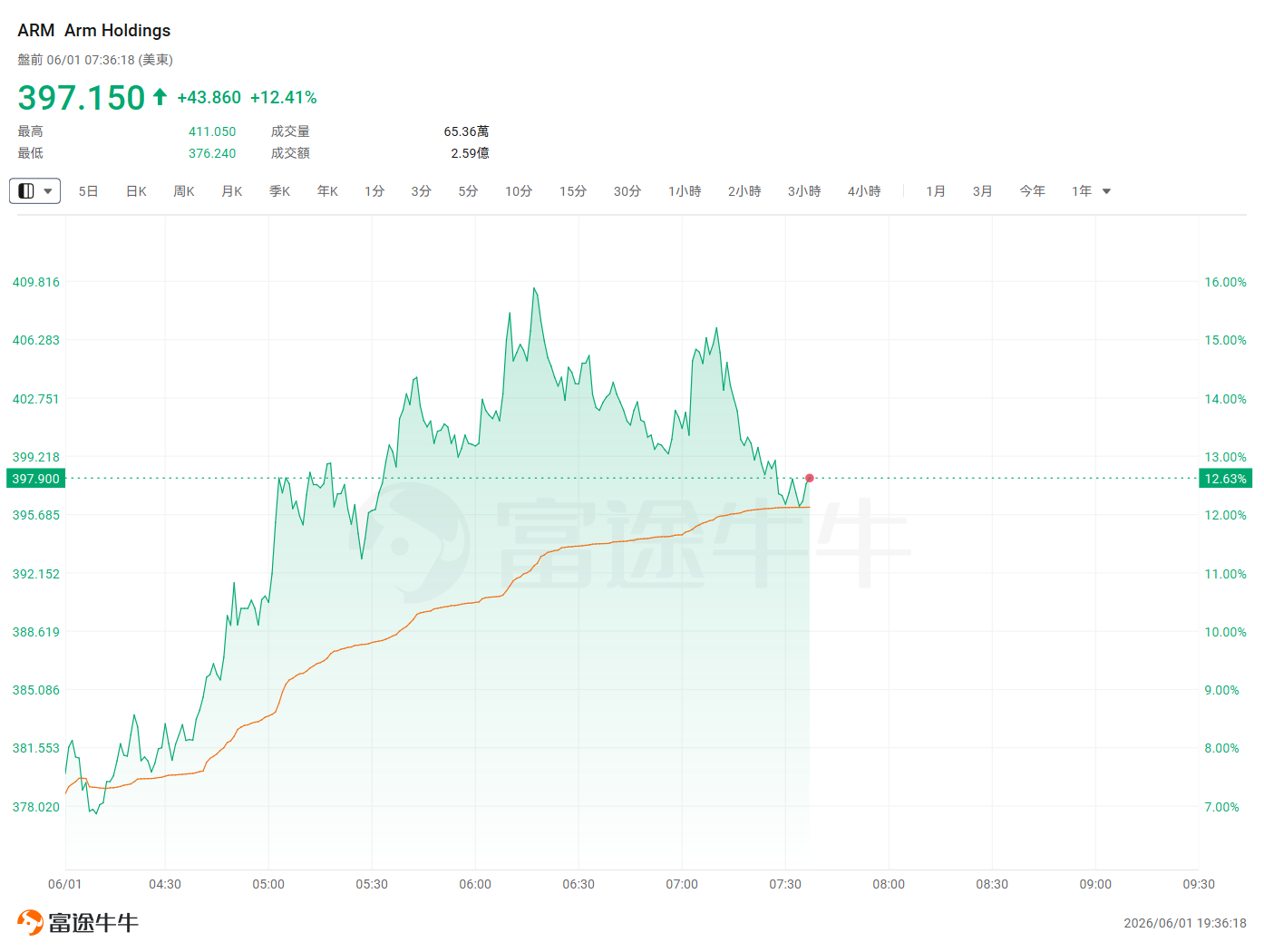
Arm Holdings’ pre-market share price surged sharply, driven by continuously surging demand for semiconductor foundational IP licensing.
The world’s leading chip architecture design powerhouse $Arm Holdings (ARM.US)$ Its pre-market share price at one point soared by more than 10%, leading today’s pre-market technology stocks. The significant inflow of pre-market capital stems primarily from intensifying capital expenditure competition among global tech giants in AI infrastructure, which has triggered sustained explosive demand for Arm’s core foundational IP licensing and customized chip design services. Recent research reports from multiple Wall Street institutions all highlight Arm’s growing irreplaceability in the AI era; this optimistic valuation regarding future high-growth prospects has directly energized the entire semiconductor supply chain.
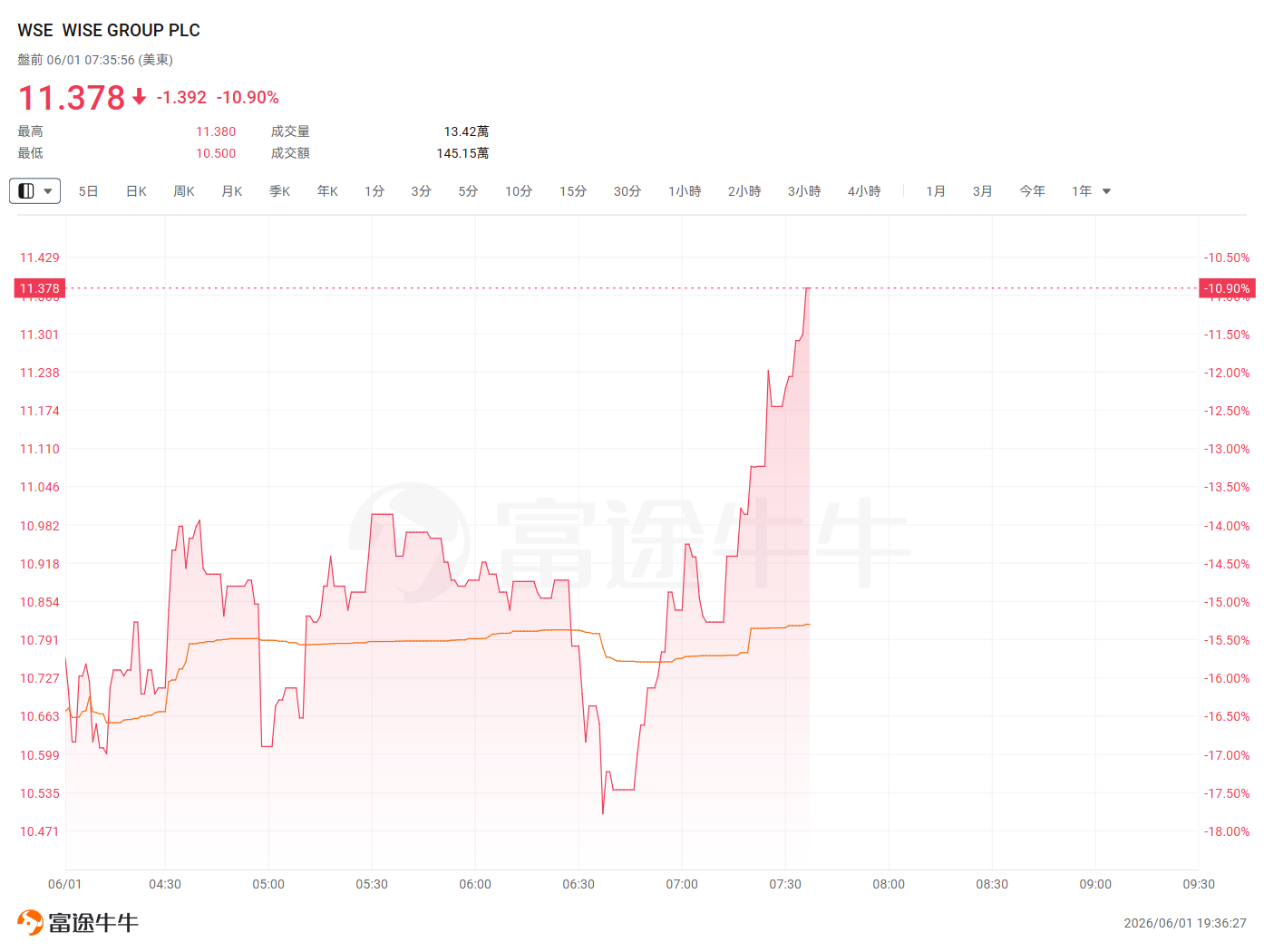
Wise Group faces money laundering probe by Belgian prosecutors; pre-market share price plummets
A globally recognized cross-border payments and fintech company $WISE GROUP PLC (WSE.US)$ The company has suddenly suffered a major compliance-related setback. According to European media reports, it is currently under formal criminal investigation by Belgian prosecutors over alleged involvement in complex cross-border money laundering activities. In response to this severely negative regulatory development, institutional investors initiated aggressive, cost-indifferent selling during pre-market trading, causing the stock price to collapse—plummeting as much as 14.8% at one point. The sudden exposure of compliance risks has not only raised deep investor concerns about potential disruptions to its core European business expansion but also heightened market vigilance regarding possible substantial anti-money laundering fines in the future.
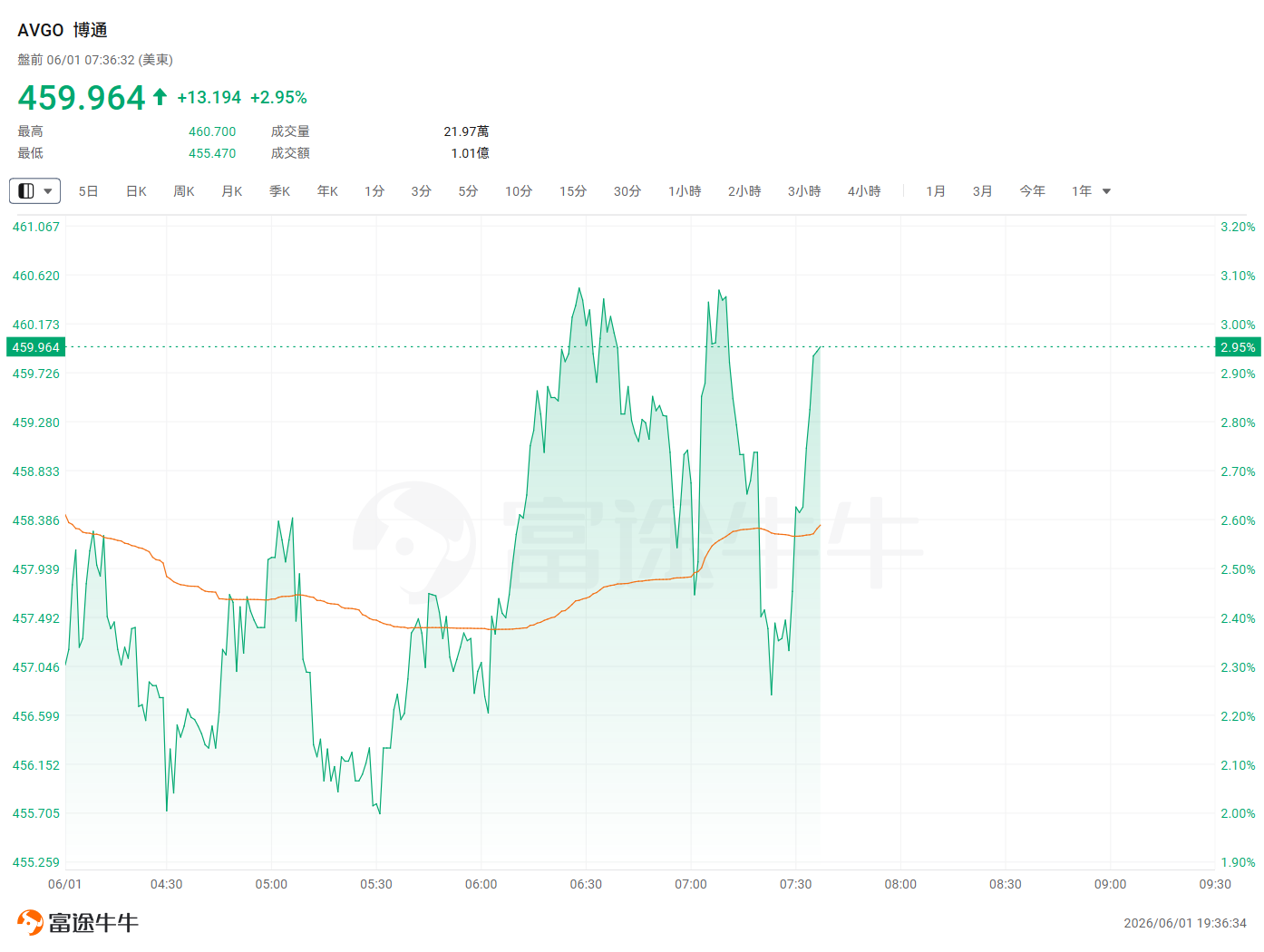
Broadcom issues upbeat AI revenue guidance; pre-market share price continues steady upward trajectory
A global leader in semiconductor and infrastructure software solutions $Broadcom (AVGO.US)$ At the latest business update conference, management provided a highly positive and confident forward-looking outlook for revenue growth related to artificial intelligence over the coming quarters. The company’s leadership emphasized that demand for Broadcom’s custom AI ASIC chips and high-speed networking solutions is experiencing an unprecedented surge, driven by the accelerated construction of hyperscale cloud data centers.
Global Macro
U.S. nonfarm payrolls and ISM data releases intensify, becoming the most critical barometers for monetary policy
This week marks an exceptionally pivotal period in the U.S. macroeconomic calendar, characterized by a dense schedule of key data releases. Among these, the upcoming nonfarm payrolls report and the ISM Manufacturing and Services Purchasing Managers’ Indexes (PMIs) will undoubtedly serve as core variables driving cross-asset pricing. Against the backdrop of increasingly persistent inflation, the tightness in labor market supply and demand, shifts in wage growth, and the momentum of expansion or contraction in the real economy will provide the Federal Open Market Committee with the most direct and essential quantitative inputs for assessing overheating risks. Any significant deviations—whether upside surprises or shortfalls—in these indicators are certain to trigger pronounced volatility across asset classes and profoundly reshape global capital allocation strategies for the remainder of the year.
Ceasefire negotiations in the Middle East signal positive de-escalation, leading to a notable retreat in international crude oil prices from recent highs
Recent ceasefire and peace talks involving Iran and other key oil-producing regions in the Middle East have shown remarkable signs of substantive progress, resulting in a noticeable narrowing of the geopolitical risk premium that has long weighed on energy markets. As a direct consequence of this significant easing in macro-level risk aversion, international crude oil prices—which had surged amid fears of sudden supply disruptions—have posted a marked decline from elevated levels in today’s trading session. This temporary moderation in underlying energy costs has substantially alleviated imported inflationary pressures on global manufacturing supply chains and provided critical breathing room and macroeconomic support for valuation recovery and sustained upside momentum in U.S. equities and other risk assets.
Hedge funds are buying U.S. equities at the fastest pace in six months
According to the latest high-frequency data disclosed by Goldman Sachs’ prime brokerage division, global hedge funds purchased U.S. equities last week at the fastest pace in the past six months. This robust net inflow trend aligns closely with the record-breaking rallies recently seen in the S&P 500 and Nasdaq Composite indices. The data indicate that institutional investors continue to demonstrate exceptionally strong allocation appetite for core U.S. equity assets, even amid macroeconomic uncertainties stemming from geopolitical tensions and volatile inflation readings. Accelerated capital inflows further reinforce liquidity support at market lows, laying a solid microstructural foundation for the next phase of U.S. equity market performance.
U.S. bond market issues inflation warning, putting election-year fiscal policy under severe scrutiny
Recent sharp fluctuations in the U.S. Treasury yield curve are sending a strong inflation warning signal to the broader economy. With federal debt levels continuing to climb and potential expansionary fiscal pledges looming in an election year, bond investors are growing increasingly concerned about the risk of long-term inflation spiraling out of control. This market-driven upward pressure on borrowing costs not only poses a serious challenge to the deficit-financing capacity of both the current and future administrations but also compels policymakers to strike an even more delicate balance between sustaining economic growth and containing debt leverage—thereby exerting a profound influence on the long-term allocation of global sovereign capital.
Powell Again Criticizes Trump Administration: Firing Fed Officials Over Policy Disagreements Would Undermine the Central Bank’s Credibility
Former Federal Reserve Chair and current Fed Governor Powell warned that if any sitting U.S. president could remove Federal Reserve officials solely due to policy disagreements, the credibility of the Fed—essential for maintaining a strong and stable economy—would be undermined.
In remarks prepared for accepting the 'John F. Kennedy Profile in Courage Award' in Boston on Sunday, Powell stated: 'If any administration finds a way to remove Federal Reserve officials merely due to policy disagreements, future administrations will do the same.' He added that under such circumstances, the public would lose trust in the Fed’s ability to make decisions based on what is best for all Americans. 'The Federal Reserve’s credibility would be lost. Our credibility has been built and maintained over decades. We have a duty to safeguard this invaluable asset for our citizens and future generations,' he said.
Beware of sharp swings! Goldman Sachs again warns of two-way risks to oil prices
Goldman Sachs believes that oil prices currently face two-way risks: on one hand, the Iran conflict has reduced oil supply from the Middle East; on the other, global oil demand is also declining.
Goldman Sachs analysts, including Daan Struyven, stated in a report dated May 31 that April oil sales data from China and Western Europe indicate a downside risk of approximately 2 million barrels per day to the bank’s already conservative expectations for monthly oil demand. This poses a roughly $10-per-barrel downside risk to its forecast of $90 per barrel for Brent crude in the fourth quarter.
The Iran conflict has disrupted global oil markets, sharply reducing oil shipments through the Strait of Hormuz from Persian Gulf producers and taking several million barrels offline. Since the conflict erupted in late February, benchmark Brent crude prices have risen by more than 25%, triggering a contraction in demand—particularly for jet fuel and petrochemical feedstocks.
From 'cyclical commodities' to 'strategic core assets,' JPMorgan: This storage supercycle will be 'higher and longer'
JPMorgan has significantly raised its global memory market outlook, forecasting the market size to reach $1.7 trillion by 2028. AI demand is expanding comprehensively from GPUs to CPUs, driving server memory demand to grow beyond expectations, with the HBM supply-demand gap likely to persist through 2028. As memory spending surpasses 50% of cloud providers' capital expenditures, the sector is transitioning from a cyclical commodity to a core asset of AI infrastructure.
Top 20 pre-market trading volume stocks in the U.S.
Reminder of the US stock market macroeconomic calendar
(The following times are in Beijing Time)
21:45 U.S. May S&P Global Manufacturing PMI Final
22:00 U.S. May ISM Manufacturing PMI
 Looking to pick stocks or analyze them? Want to know the opportunities and risks in your portfolio? For all your investment-related questions,just ask Futubull AI!

Editor/Lee