
Market Snapshot
Ahead of Wednesday's open, the U.S. September CPI data were released; the detailed figures are as follows:
In September, the U.S. unadjusted core CPI rose 2.6% year-on-year, the highest level since June this year, exceeding the market's expectation of 2.5%. On a seasonally adjusted basis, the core CPI increased 0.3% month-on-month, also above the market's forecast of 0.2%.
In September, the U.S. unadjusted CPI year-on-year rate came in at 3.7%, the highest level since May this year, above the market's expectation of 3.6%. The unadjusted CPI month-on-month rate for September was 0.6%, the highest since April this year, in line with expectations.
The market has increased its bets on a Fed rate hike in October and now anticipates three additional rate hikes by the end of 2027.
All three major stock index futures turned lower, with Dow Jones Industrial Average futures down 0.13%, Nasdaq 100 futures down 0.54%, and S&P 500 futures down 0.25%.
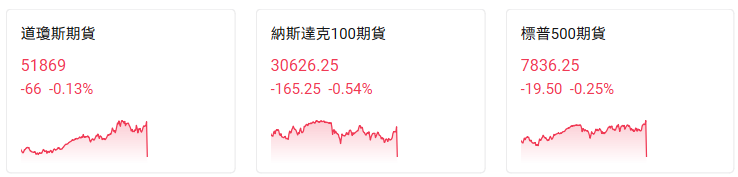
The following are market conditions prior to the CPI release:
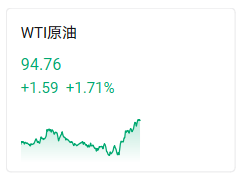
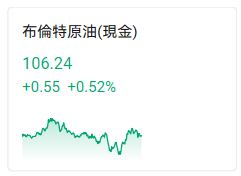
Oil prices are rising,$Brent Crude Oil (Cash) Futures Main Contract (2612)(BZmain.US)$Up 1.71%,$WTI Crude Oil Futures Main Contract (2611)(CLmain.US)$Up 0.52%.
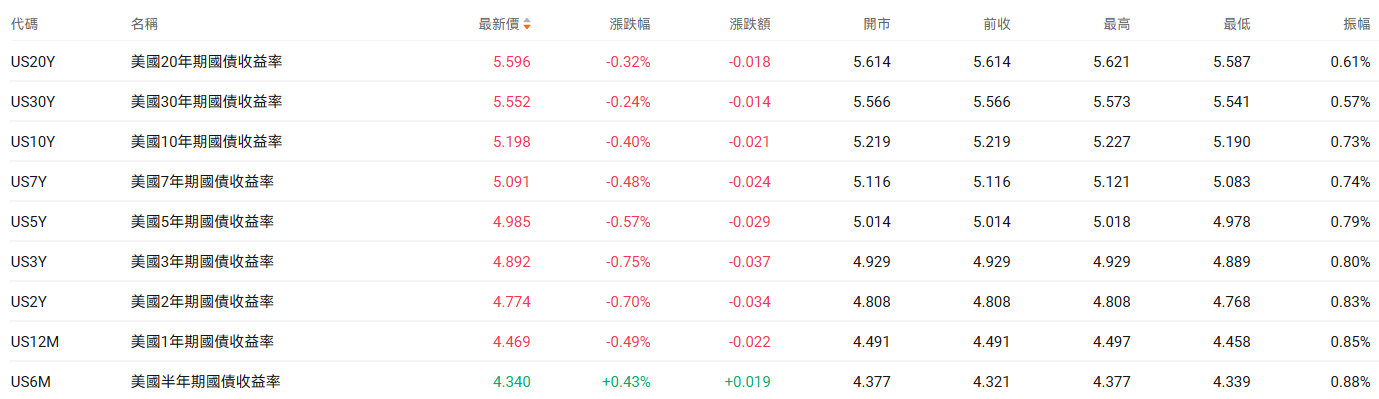
Most U.S. Treasury yields declined.
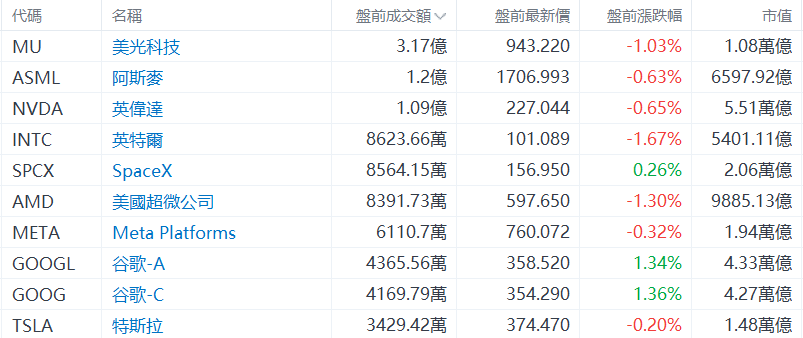
$Star Technology Stocks (LIST2518.US)$Market performance was mixed, with Intel down nearly 2%, Micron Technology and AMD each down more than 1%, ASML Holding and NVIDIA both down nearly 1%, Tesla slightly lower, Google up more than 1%, and SpaceX edging higher.
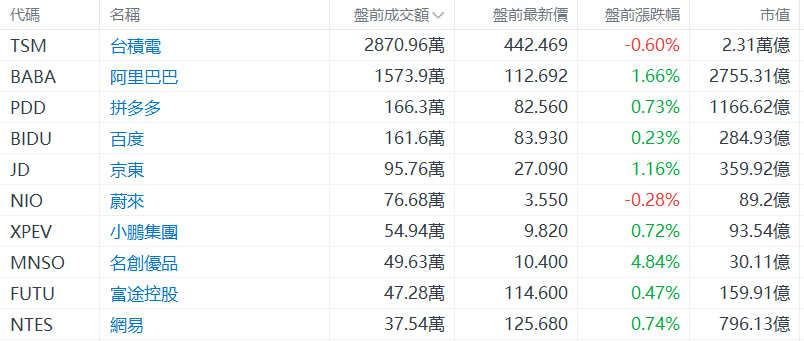
$Popular Chinese Stocks (LIST2517.US)$Pre-market, most stocks rose, with Miniso up nearly 5%, Alibaba up nearly 2%, JD.com up over 1%, NetEase, PDD Holdings, and Xpeng up nearly 1%, while Taiwan Semiconductor fell nearly 1% and Nio edged lower.
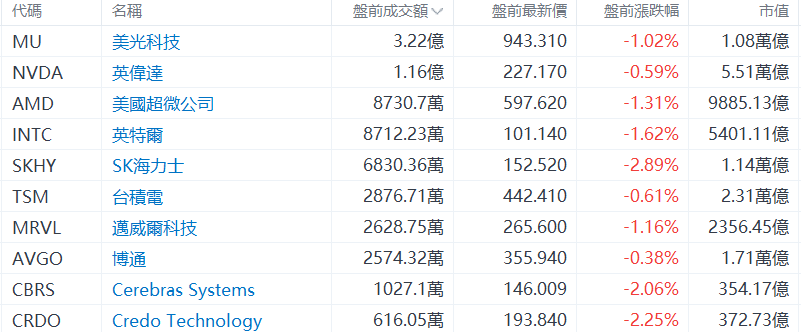
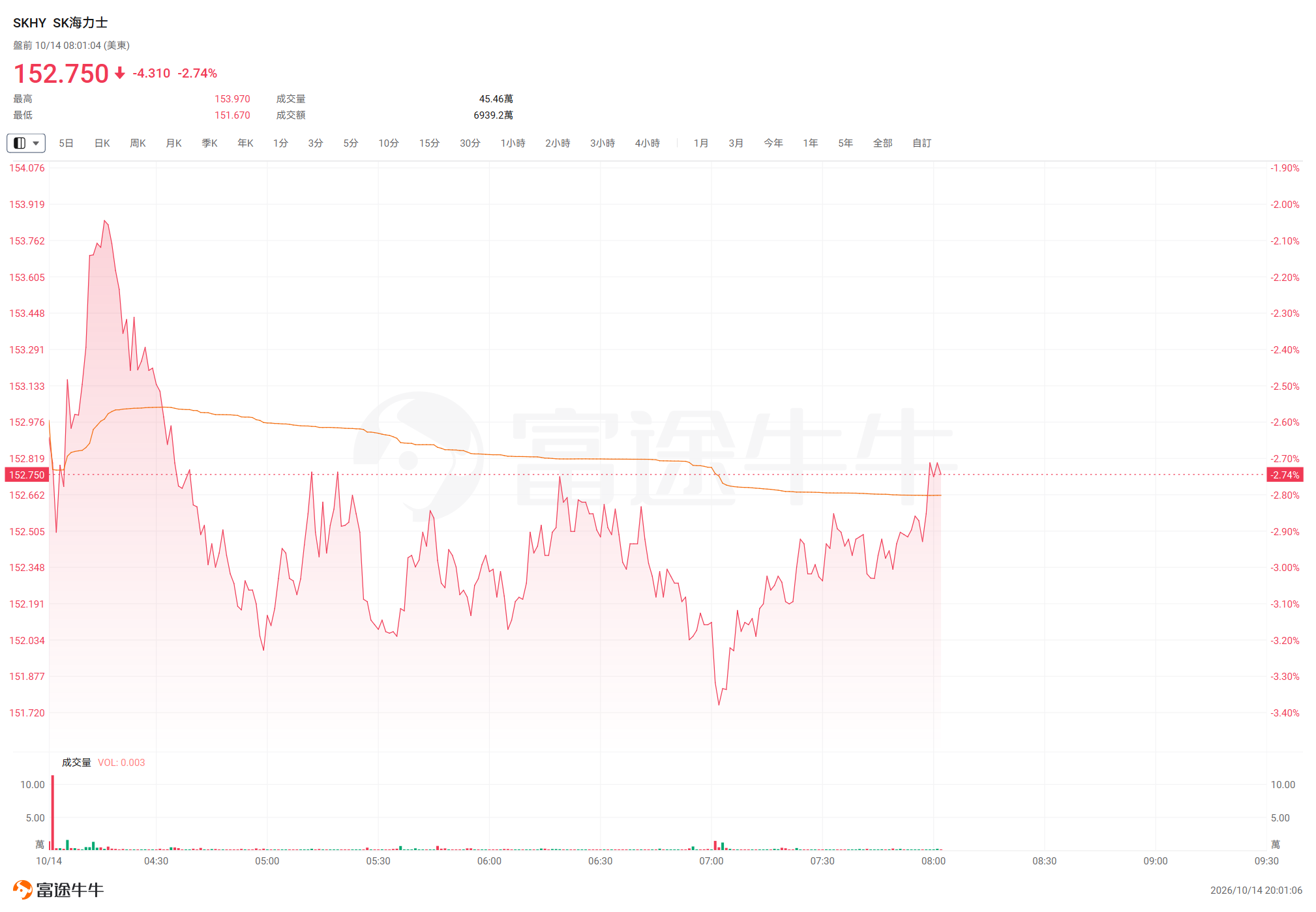
$Semiconductors (LIST2015.US)$Pre-market stocks broadly declined, with SK Hynix down nearly 3%, Cerebras Systems and Credo Technology each falling more than 2%, Intel down nearly 2%, and Micron Technology, AMD, and Marvell Technology all dropping more than 1%.
Individual Stock News
Anthropic is set to disclose its third-quarter revenue figures for the first time.
According to market sources, Anthropic plans to convene a group of potential institutional investors at its San Francisco headquarters on Wednesday local time for a pre-IPO investor day. During the event, the company will disclose its third-quarter revenue figures for the first time. This disclosure will enable the company's executives and underwriting banks to gauge investor interest and assess the market's reaction to its latest financial data.
Related Reading:Anthropic is convening potential institutional investors tonight and will release its Q3 financial results.
ASML Holding: Q3 revenue slightly below expectations, net profit above expectations
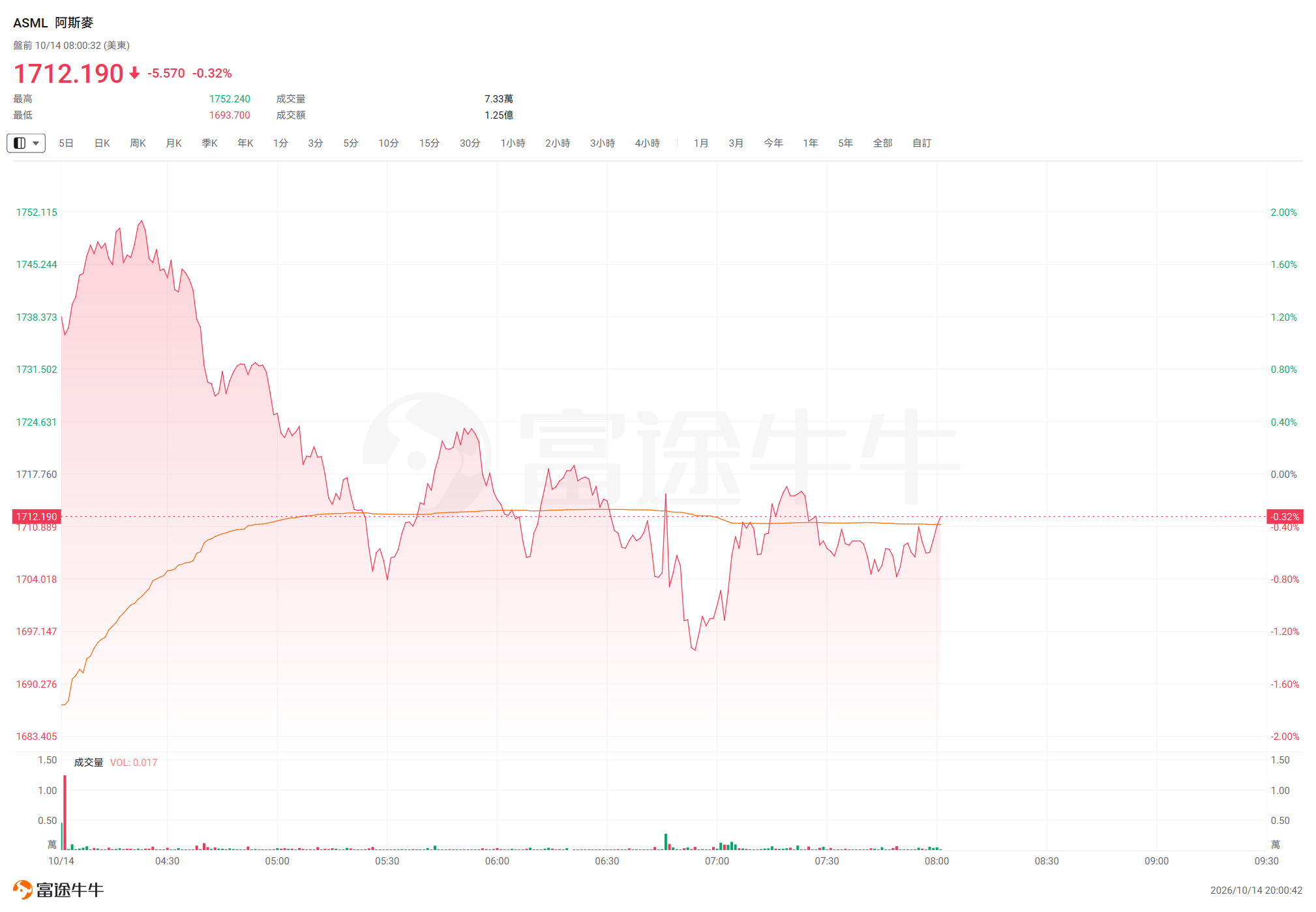
$ASML Holding (ASML.US)$Third-quarter revenue came in at €11.662 billion, up 55.16% year over year, versus an expected €11.735 billion; net profit reached €4.960 billion, a 133.41% increase from the same period last year, compared with market expectations of €4.165 billion. ASML Holding now forecasts fourth-quarter revenue of €14.2 billion to €15.2 billion, slightly below the previous market estimate of €14.189 billion; its gross margin outlook for the quarter is 57%. The company expects its gross margin to be around 56% by 2026, previously projected to range between 54% and 56%.
Reports indicate that Taiwan Semiconductor is expected to achieve its production capacity target for next year ahead of schedule.
According to the STAR Market Daily, due to market expectations of…$Taiwan Semiconductor (TSM.US)$Demand for Taiwan Semiconductor's 2-nanometer process is extremely strong, and the company is expected to achieve its 2027 production target ahead of schedule. The 2-nanometer process technology is currently Taiwan Semiconductor's most advanced manufacturing process in mass production and a mature process required for high-performance AI chips. Previously, Taiwan Semiconductor's capacity was estimated to reach a maximum of about 100,000 wafers per month by the end of 2026; however, reports indicate that the latest estimates have increased output by 20%, to 120,000 wafers per month.
SK Hynix: By 2030, the performance and scale of AI infrastructure are expected to grow roughly twentyfold; orders for certain back-end equipment for sixth-generation HBM4 have been postponed until next year.
$SK Hynix (SKHY.US)$According to the latest forecasts from senior executives, the performance scale of AI infrastructure is expected to grow by roughly 20-fold by 2030. SK Hynix has also recently unveiled two new technologies: the MARS system, an AI rack‑level solution centered on memory, and HBF high‑bandwidth flash technology.
In addition,$SK Hynix (SKHY.US)$The pace of capacity expansion for sixth-generation high-bandwidth memory, HBM4, is slowing, with some back-end equipment orders postponed until next year, leading to diverging market expectations regarding its mass-production timeline.
This year, foreign investors have sold off Samsung Electronics and SK Hynix shares totaling 176 trillion won.
Securities research reports indicate that foreign investors have been steadily selling off Korean stocks, with no signs of the sell-off abating for now. However, a series of events from late this month through mid-November could mark a turning point for the return of foreign capital. The earnings reports of the two major memory‑chip giants, the U.S. midterm elections, developments in the Middle East, and the IPO of the AI firm Anthropic are seen as key factors that could reverse market sentiment. According to data released by the Korea Exchange on the 14th, as of the previous trading day, foreign investors had cumulatively net sold KRW 203.6977 trillion (approximately USD 141.5 billion) in the KOSPI main board this year.
Among them, only$Samsung Electronics (005930.KR)$、$SK Hynix (000660.KR)$Two stocks alone saw net sales totaling roughly 176 trillion won, accounting for 86% of the total sell-off by foreign investors. Samsung Electronics' foreign ownership ratio has fallen to an 18-year low, the lowest since 2008, while SK Hynix's foreign shareholding has also dipped below its ten-year average. This round of foreign outflows has been a key driver behind the KOSPI's downward trend. Escalating geopolitical risks in the Middle East, disputes over OpenAI's annual revenue, and growing concerns about the rising competitiveness of foreign firms—these multiple factors have converged to weigh on the market.
Lisa Su: 2026 will be the "Year One of AI Inference," and CPU market demand will experience explosive growth.
On Monday, Eastern Time,$Advanced Micro Devices (AMD.US)$CEO Lisa Su stated in a public address that AI inference will drive a new wave of growth, with the data center AI accelerator market expected to reach US$1.5 trillion by 2030. This year, she added, will mark the global "Year One of Inference." According to AMD, the data center AI accelerator market is projected to approach US$1.5 trillion by 2030.
She also noted that AI agents can autonomously complete tasks with minimal human intervention, a demand that has driven a substantial surge in central processing unit (CPU) demand. "Over the past nine months, we have revised upward the addressable market size (TAM) for this segment three times. Overall CPU demand is experiencing strong growth, and we project a compound annual growth rate of approximately 50% over the next four to five years, with the TAM exceeding US$200 billion by 2030."
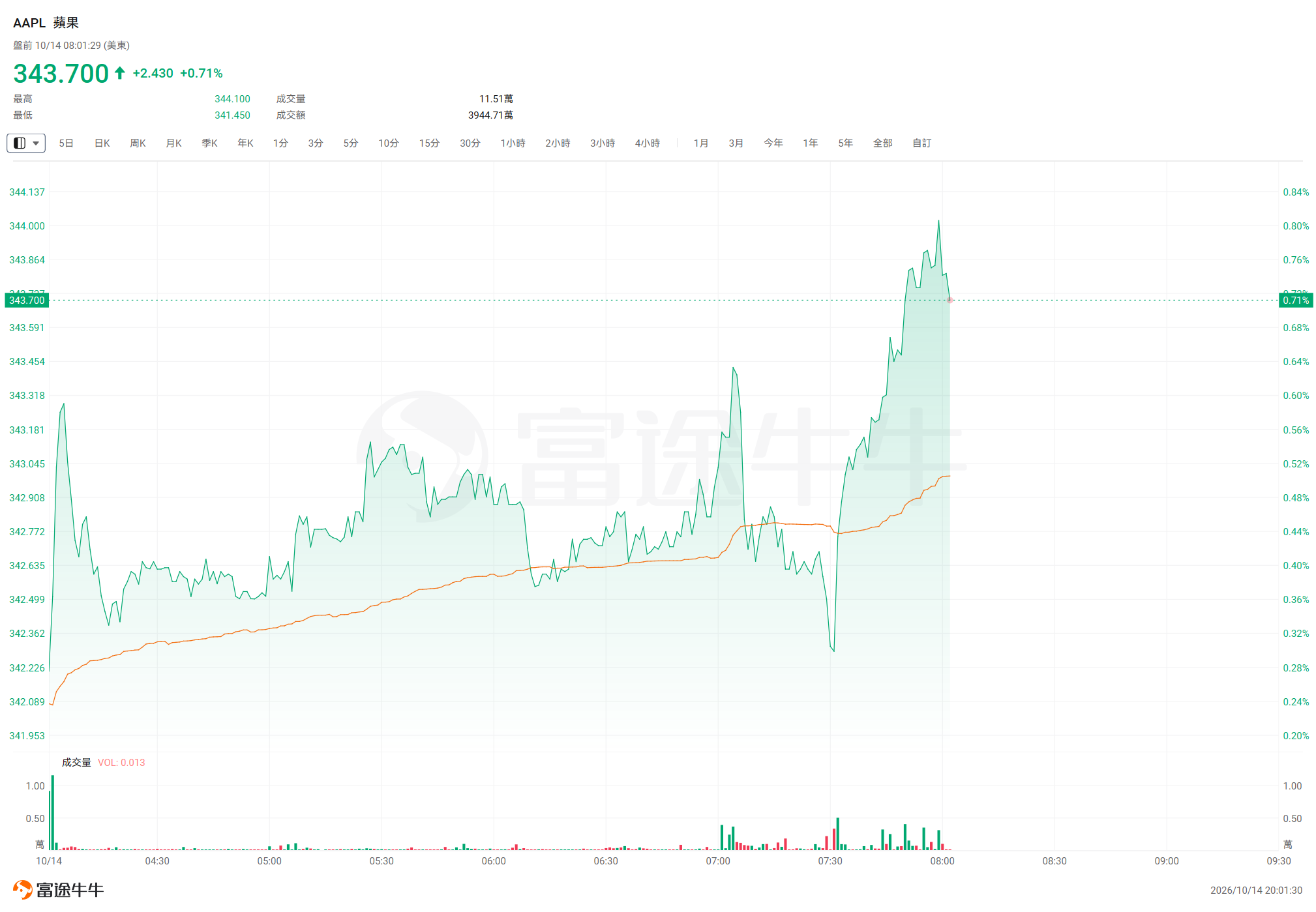
Apple iPhone Duo has completed the registration of its large model, with Apple Intelligence and Qwen among those listed.
According to the Ministry of Industry and Information Technology's information on telecommunications equipment network access licensing,$Apple(AAPL.US)$Following the issuance of a trial-use approval license on September 2 this year, the China‑specific version of the iPhone Duo foldable smartphone (model A3721) completed its license renewal on September 29, with a newly added filing number for the large‑language model it incorporates.
The large models deployed on this device are registered under the following identifiers: Shanghai-AppleZhiNeng-202506160057, Shanghai-TongYiWanXiang-202410090024, and ZheJiang-TongYiQianWen-20230901, corresponding respectively to Apple Intelligence, Tongyi Wanxiang, and Tongyi Qianwen.
Arm was found by the jury to have violated the licensing agreement, and Qualcomm was awarded $2 in nominal damages.
According to Reuters, a jury in the U.S. state of Delaware found on Tuesday, local time, that…$Arm Holdings(ARM.US)$violated the with$Qualcomm (QCOM.US)$Under the licensing agreement, it also deliberately interfered with this chipmaker's business dealings with Meta, but awarded only a symbolic $2 in damages. This ruling also leaves room for Qualcomm to pursue further claims, and the case will move to the next stage, where U.S. District Judge Maryellen Noreika will address several disputed issues.
The court's finding of breach means that Noreika may, on this basis, rule that Qualcomm can cease paying patent royalties to Arm within five years, an amount that could total several billion dollars. Arm contends that this five-year penalty provision in the licensing agreement lacks enforceability.
Netflix's sales in South Korea have surpassed 1 trillion won for the first time, with over 80% going to its U.S. headquarters.
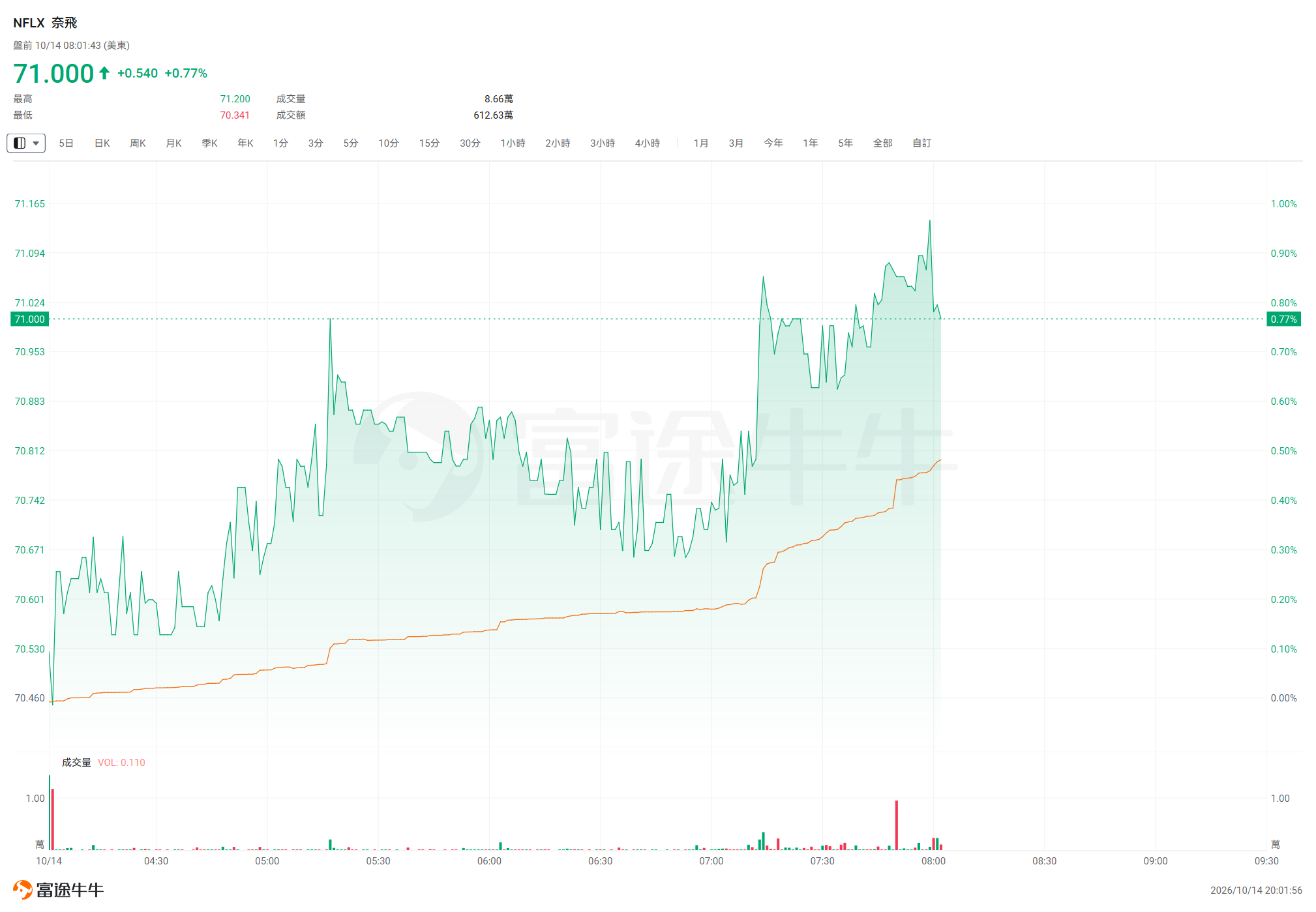
A member of the Science, Technology, Information, Broadcasting and Communications Committee of the National Assembly of the Republic of Korea…$Netflix(NFLX.US)$An analysis of the audit report for Netflix Services Korea, a South Korean legal entity, was conducted and the results were released on October 14. The findings show that last year, Netflix's sales in South Korea totaled KRW 1.0542 trillion, surpassing KRW 1 trillion for the first time. However, KRW 853.9 billion—equivalent to 81% of total sales—was paid to the U.S. headquarters under headings such as subscription fees. The South Korean subsidiary reported an operating profit of KRW 20.3 billion, with an operating margin of just 1.9%.
CoreWeave seeks insurance funding to support its AI expansion, with chip financing exceeding $35 billion.
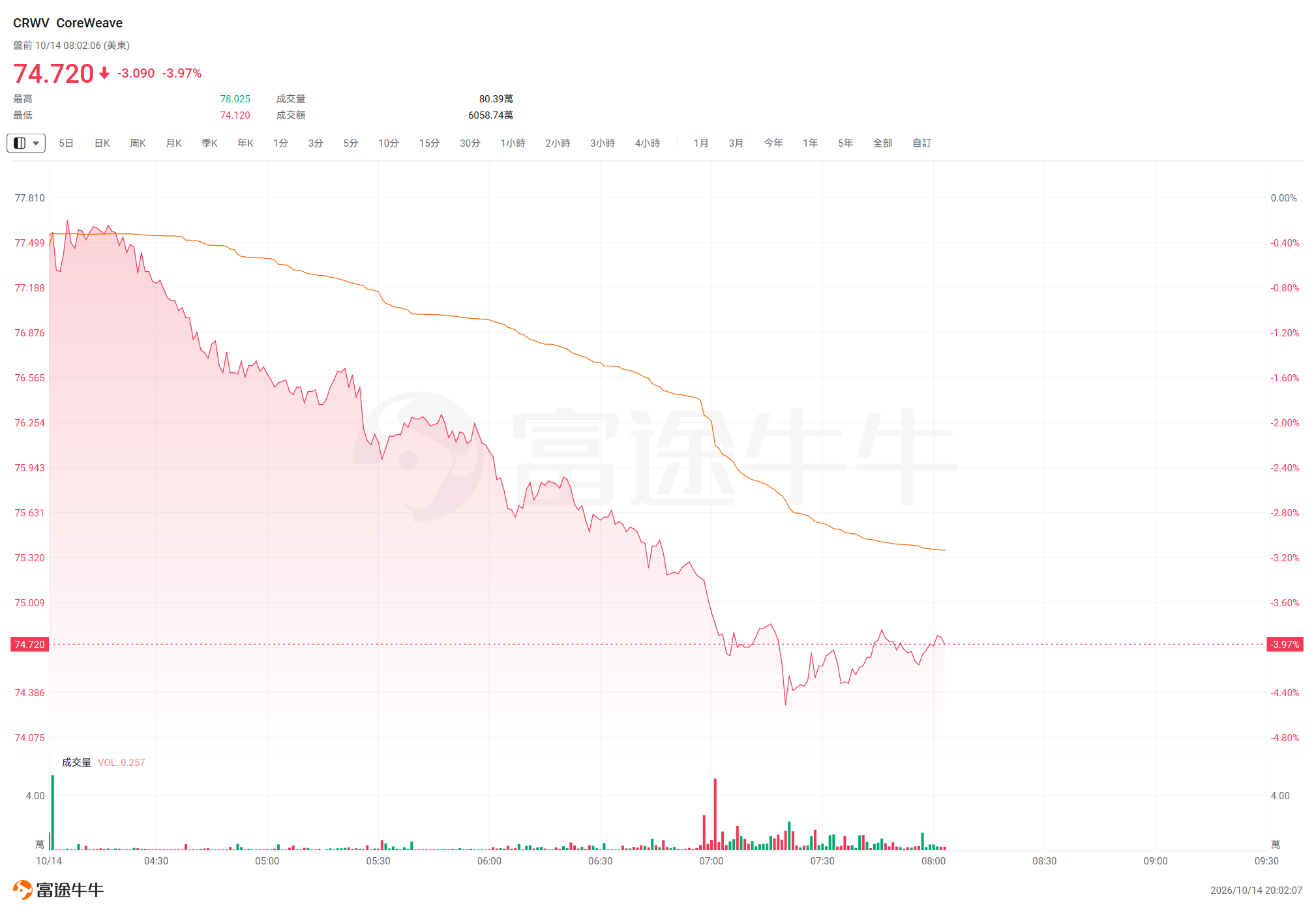
According to the Financial Times, an AI cloud service provider backed by NVIDIA$CoreWeave(CRWV.US)$It is seeking to tap into the vast pools of capital held by insurance companies to reduce its financing costs for acquiring AI chips and building infrastructure. So far this year, the company has raised more than $35 billion through chip‑backed loans, high‑yield bonds, convertible bonds, and equity offerings. As of the end of June, its total debt and lease liabilities stood at approximately $52 billion.
Due to the failure of negotiations, BHP Group Ltd's Escondida mine in Chile will begin a strike on Wednesday.
According to market sources,$BHP Group Ltd (BHP.US)$The union representing supervisors at Chile's Escondida mine said it will begin a strike on Wednesday after mediation efforts to finalize a new collective bargaining agreement failed. The strike could tighten global supply and have been supporting copper prices. The union stated that BHP Group Ltd refused to engage and terminated the mediation talks. The responsibility for this strike rests entirely with the company and its negotiating committee.
The union has submitted a final offer that incorporates 90 percent of the company's proposal and addresses the union's key demands, including wage increases and production bonuses. The union alleges that the company is demanding workers forgo essential benefits and insists on sharing private biometric data with third parties. The union and Escondida have been locked in fierce contract negotiations for weeks, repeatedly threatening to strike if talks break down.
Rio Tinto's iron ore production and sales saw a steady rebound in the third quarter, with ramp-up at the Simandou project accelerating.
One of the world's four major iron ore producers$Rio Tinto (RIO.US)$The company released its Q3 2026 production and sales report. The report indicates that the company's overall operational performance remained solid in the quarter, with its iron ore business posting a steady recovery in both production and sales, supported by ongoing productivity‑enhancing initiatives at the Pilbara mining complex. Global iron ore sales (on a 100% basis) reached 90.77 million tonnes, up 2.7% year over year and 2.2% quarter over quarter. Year-to-date through the first three quarters, cumulative sales totaled 255 million tonnes, a 3.4% increase compared with the same period last year.
Production ramp-up at the Simandou project has accelerated significantly, with third-quarter annualized production running at approximately 10 million tonnes per year (on a 100% basis). The company remains on track to achieve an annualized operating rate of 60 million tonnes per year in the second half of 2028.
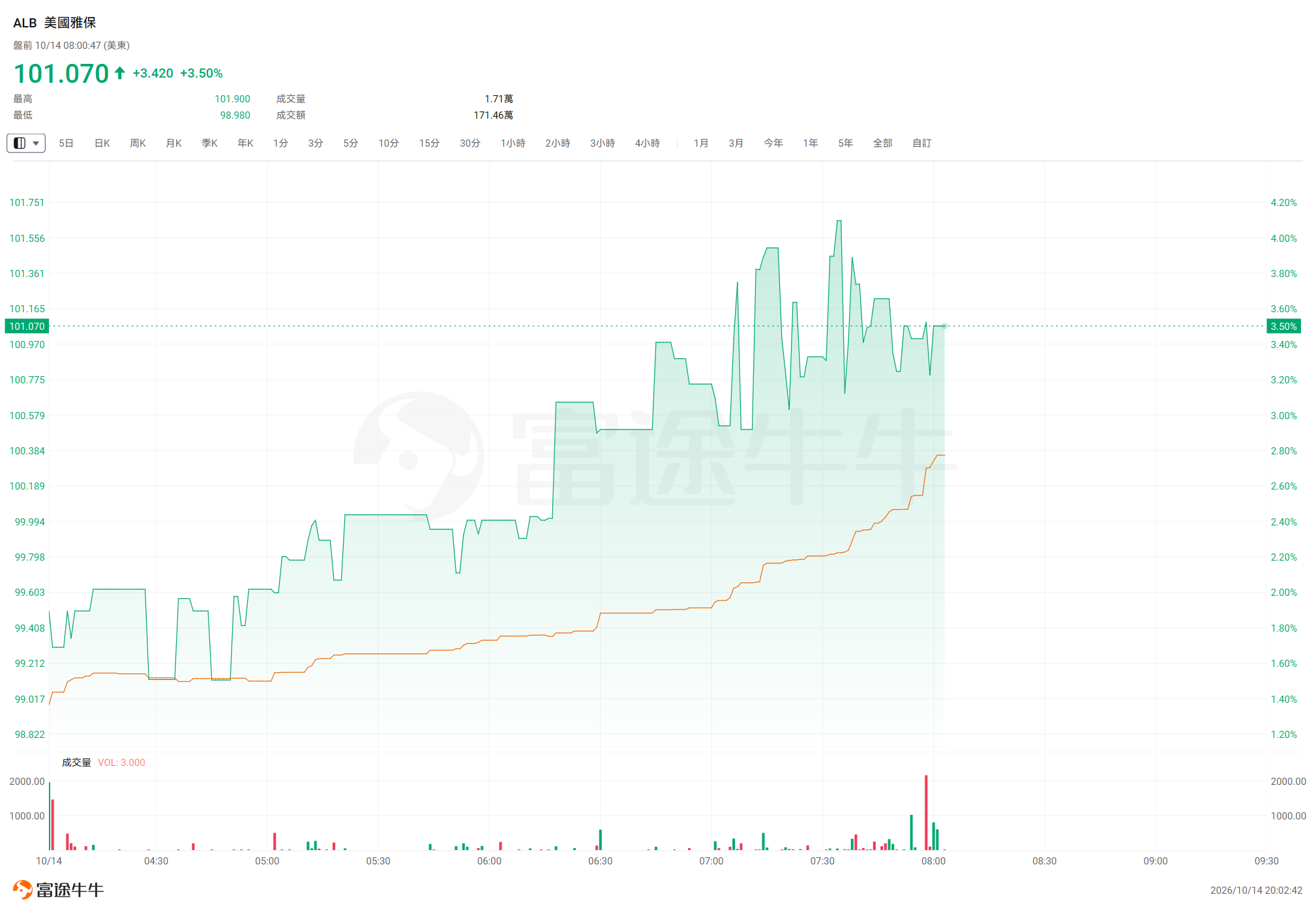
Albemarle rose more than 3% in pre-market trading, as Mizuho upgraded its rating to "Outperform," implying about 33% upside.
Mizuho Securities will$Albemarle (ALB.US)$The stock rating has been upgraded from "Neutral" to "Outperform," with a price target of $130, implying roughly 33% upside from the stock's previous day's closing price of $97.65. Mizuho's bullish thesis centers on robust demand for battery‑based energy storage (BESS), with the market supply‑demand balance now tilting in favor of growth.
The firm has raised its 2027 lithium carbonate price forecast from $18,375 per tonne to $22,500, and its 2028 forecast from $14,500 to $19,500, while also increasing its 2027 demand projection by approximately 10% compared with its previous estimate.
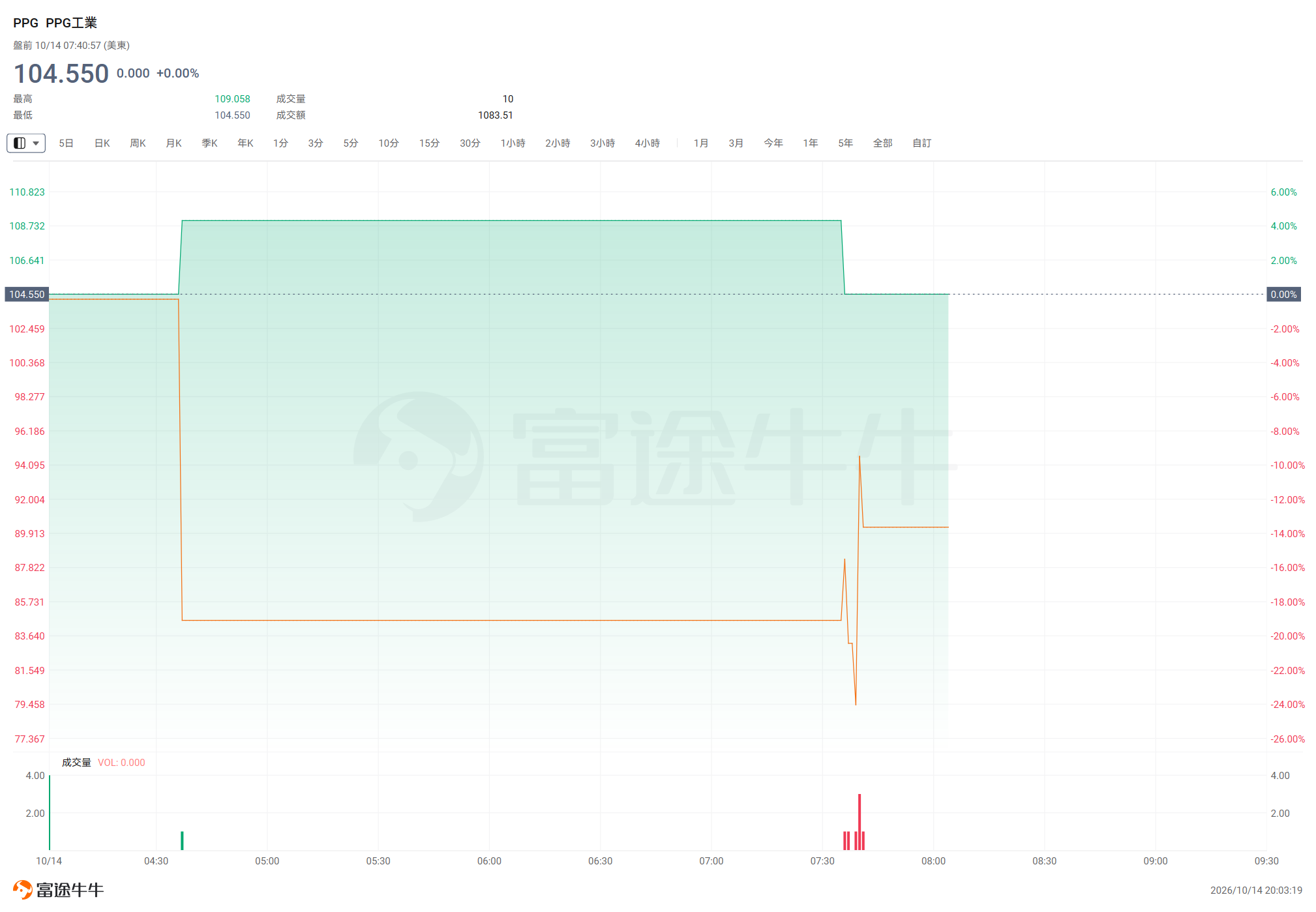
PPG Industries rose more than 4% in pre-market trading, with its valuation at a historic low, as Barclays issued a bullish call.
In a research report released on October 13, Barclays analysts initiated coverage of paint and coatings manufacturers.$PPG Industries (PPG.US)$, assigning an "Overweight" rating with a price target of $136, implying roughly 31.28% upside from the stock's Monday opening price of approximately $103.60. This target also significantly exceeds the institutional consensus target of around $126.
Even before Barclays turned bullish, PPG's valuation was already at a historically low level. The firm's optimism stems from the company's improving earnings trend. In the second quarter, PPG reported revenue of $4.5 billion, up 7.2% year over year, surpassing market expectations.
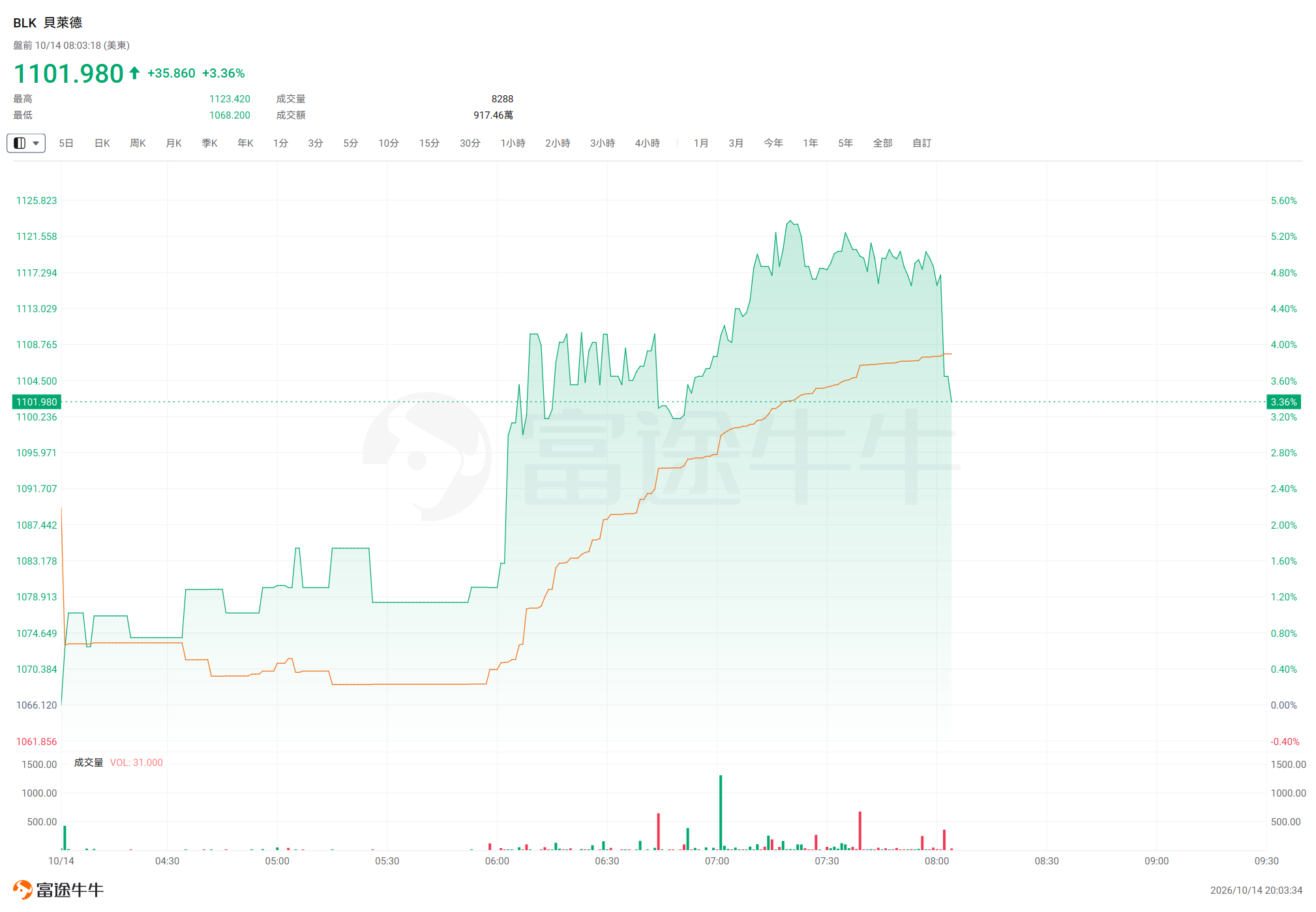
Blackrock rose more than 3% in pre-market trading, with Q3 revenue exceeding expectations.
$Blackrock (BLK.US)$Third-quarter revenue came in at $7.75 billion, versus the market consensus of $7.40 billion; assets under management totaled $15.49 trillion, compared with the expected $15.57 trillion. Adjusted earnings per share were $15.93, up 38% year over year and more than 11% above the market's forecast range of $14.10 to $14.32. Under GAAP, net income was $1.66 billion, with diluted earnings per share of $10.57, a 25% year-over-year increase.
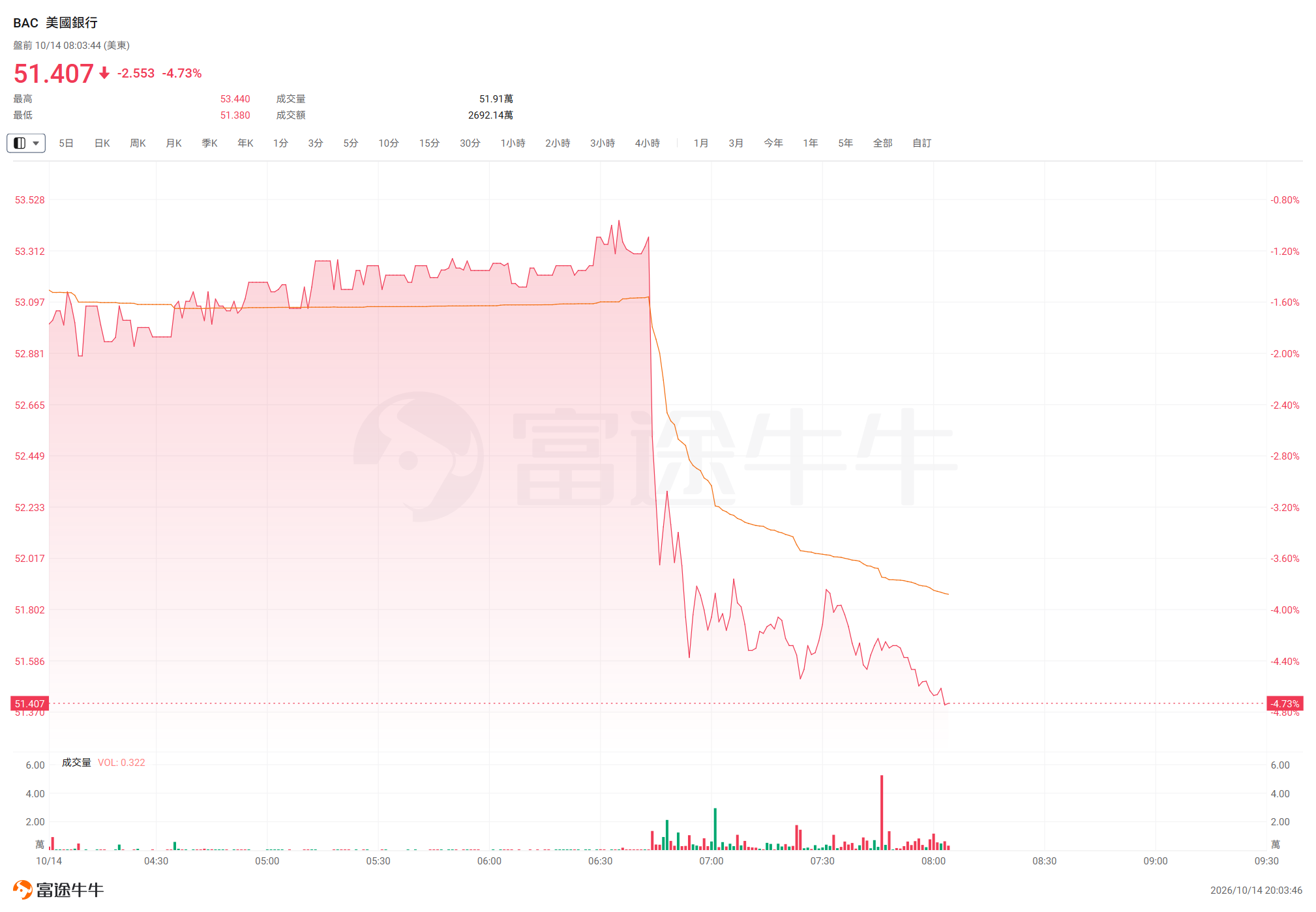
Bank of America fell nearly 5% in pre-market trading, with Q3 net profit lower than the same period last year.
$Bank of America (BAC.US)$In the third quarter of 2026, revenue totaled $30.0 billion, up 3% year over year; net profit was $6.9 billion, compared with $8.3 billion in the same period last year; and diluted earnings per share were $0.91, versus $1.04 a year earlier. Excluding $1.2 billion in regulatory settlement expenses, adjusted net profit amounted to $8.1 billion, with adjusted earnings per share at $1.08. Net interest income reached $16.4 billion, up 8% year over year, while provisions for credit losses stood at $1.3 billion, essentially unchanged from the prior-year period.
By business segment, Global Wealth and Investment Management reported revenue of $7.1 billion, up 13% year over year; Consumer Banking generated $11.6 billion in revenue, a 4% increase; Global Banking posted $6.2 billion in revenue, essentially flat; and Global Markets recorded $5.9 billion in revenue, down 6% year over year.
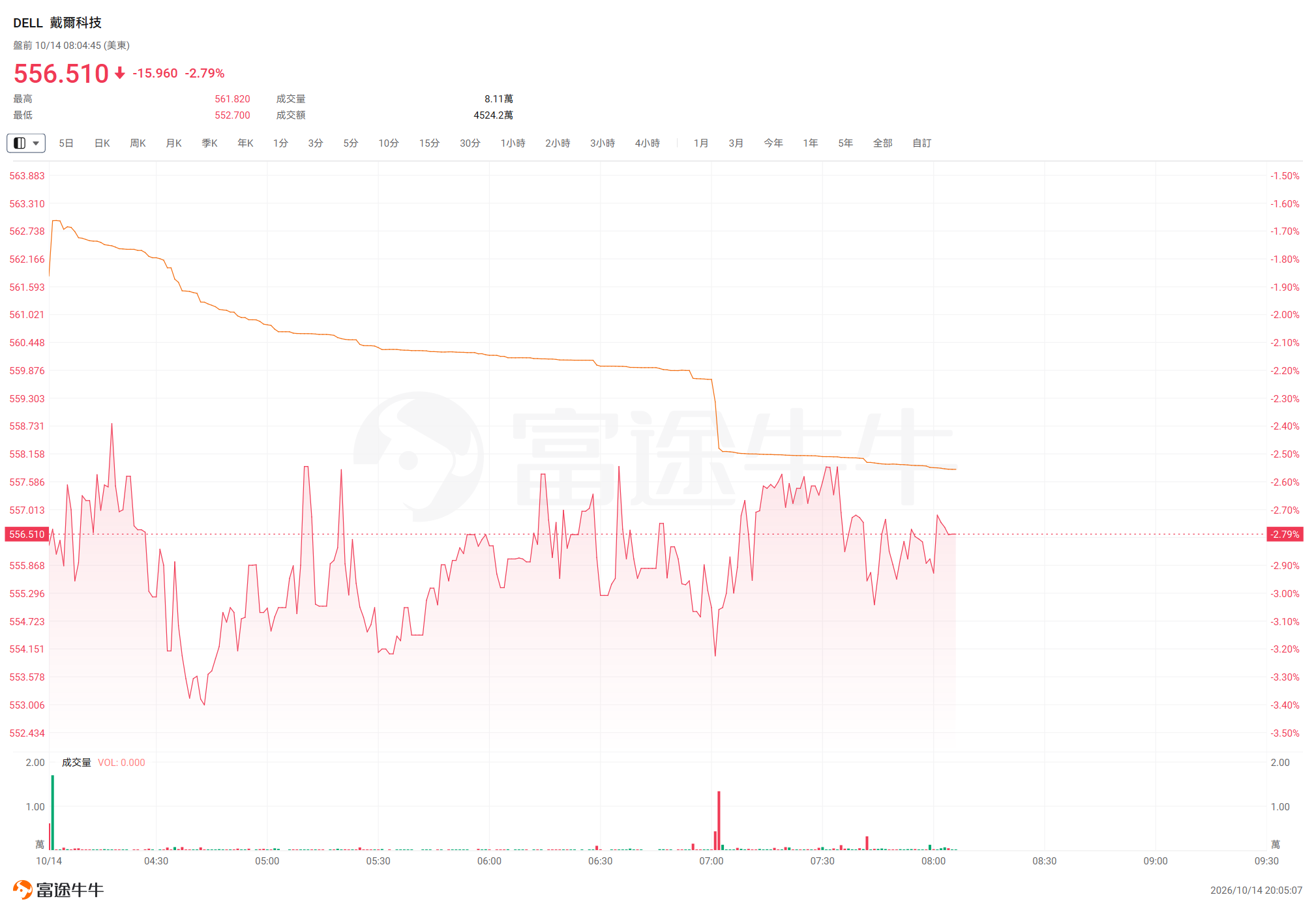
Dell Technologies fell nearly 3% in pre-market trading after Barclays downgraded its rating to "Hold."
Barclays' second-half 2026 CIO survey shows that corporate IT spending is expected to trend moderately upward. Hardware spending is diverging, with storage and communications performing the strongest, while traditional hardware faces pressure. Expectations for printing, servers, and storage have declined compared to the previous survey. Given the strong stock performance year-to-date, analysts have turned more cautious on HP Inc., Dell, and NetApp. The firm will$Dell Technologies (DELL.US)$The rating has been lowered to "Hold," with a price target of $574.
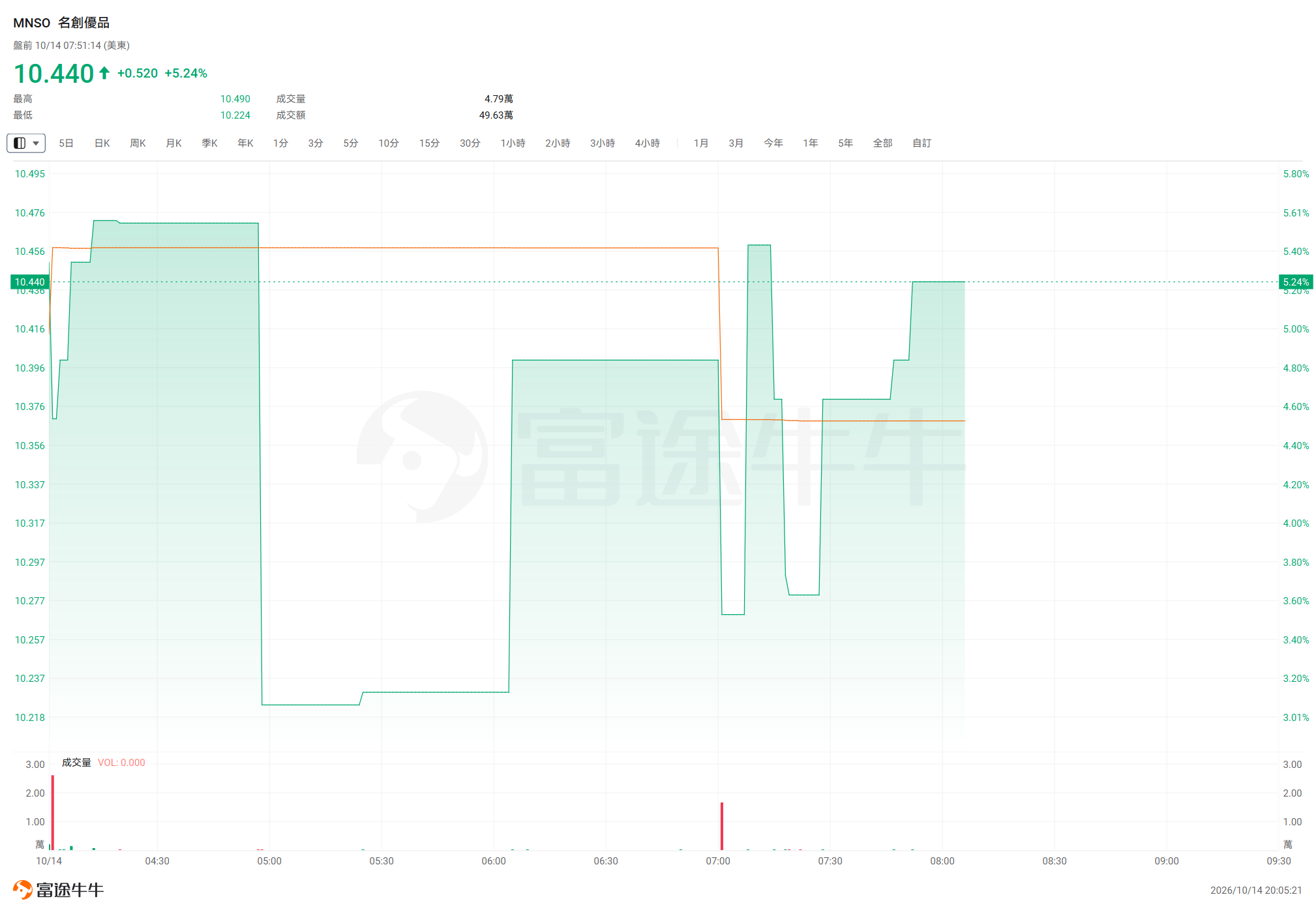
Miniso rose more than 5% in pre-market trading, as post‑earnings positives continue to gain traction, following a seven‑day winning streak.
$Miniso (MNSO.US)$Earlier released third-quarter results were impressive: total revenue reached RMB 5.69 billion, up 28.5% year over year; operating profit stood at RMB 1.52 billion, a robust 114.3% increase from the prior year; and net profit for the period was RMB 1.25 billion, surging 199.7% year over year. Following the earnings release, numerous brokerage firms offered favorable assessments. The key rationale is that the company's performance exceeded expectations, its "large‑store" strategy in China has yielded significant results, its overseas expansion—particularly in the North American market—has been particularly strong, and its IP‑driven, global growth trajectory remains clear, with current valuations appearing attractive.
The Kroger Co. announced it will lay off 3,000 employees to streamline its structure, with the new CEO stating that the organizational hierarchy is overly complex.
According to the internal memorandum obtained,$The Kroger Co. (KR.US)$The Kroger Co. plans to cut approximately 3,000 corporate and functional positions over the next three years, accounting for about 37% of its headquarters workforce of roughly 8,200 employees. This will be one of the largest layoffs in The Kroger Co.'s 143-year history. Following the company-wide conference call, newly appointed CEO Greg Foran told employees that the current organizational hierarchy and operating costs are overly complex, necessitating a streamlined structure to accelerate decision-making and allocate more resources toward price reductions, enhanced shopping experiences, and frontline employee development.
Global Macro
Bowman: At present, he does not believe the Federal Reserve needs to rush to adjust interest rates.
Federal Reserve Governor Bowman: Inflation remains above our target, but at this point, I do not believe the Fed needs to rush to make further interest-rate adjustments. Following the last rate hike, we need time to assess how financial conditions evolve before taking additional steps.

Trump: Will launch large-scale oil, natural gas, and mineral exploration in Greenland.
U.S. President Trump: In our brand-new and beautiful Greenland, large-scale oil, natural gas, and mineral exploration is about to begin. In the future, any attack against the United States will have to pass through Greenland, where our air defense systems will routinely shoot down drones, missiles, and even any weapons yet to be conceived. This gives us a unique advantage in time, location, and situational awareness—something unmatched anywhere else in the world.

Houthi forces: Attacked Saudi Aramco refineries and Riyadh Airport.
Yemen's Houthi rebels stated that they had struck Saudi Aramco facilities in Dhahran, King Khalid International Airport in Riyadh, and a Saudi Aramco refinery in Riyadh. Operations targeting the airport and oil facilities will continue over the coming days.

Goldman Sachs: Redirecting Black Sea grain exports is unlikely to resolve transportation bottlenecks, and the risk of rising global food prices persists.
Goldman Sachs' latest research report points out that, with the increasing number of attacks on Black Sea export ports and merchant vessels, global grain transportation continues to be disrupted. Since early July, wheat and corn prices have risen by approximately 12% and 15%, respectively. Russia and Ukraine together account for about 30% and 16% of global wheat and corn exports, with Ukraine contributing 8% and 14% of each, respectively; the blockage of Black Sea shipping lanes has had a significant impact on the international food market. Faced with the inability of several ports in the northern Black Sea to operate normally, both Russia and Ukraine are seeking alternative routes.
Goldman Sachs pointed out that Mediterranean and Middle Eastern grain-importing countries such as Egypt and Turkey are particularly hard hit. These markets rely on bulk shipping through deep-water ports in the Black Sea, while Poland's railways and alternative routes via the Baltic Sea are less efficient, driving up transportation and landed costs and potentially exacerbating food inflation.

With multiple indicators flashing red, Citi has withdrawn its "overweight" recommendation on U.S. stocks.
On Tuesday, Citi withdrew its "overweight" recommendation for U.S. stocks and closed its long position in the S&P 500 equal-weight index, citing that its indicator tracking market sentiment and liquidity has reached levels historically seen alongside market peaks. Citi stated that its POLLS index, which comprehensively monitors market positioning, optimism, liquidity, leverage, and stress, has recently issued warning signals, prompting the decision to tactically reduce some risk exposure.
Citi believes that as market sentiment becomes overly optimistic, the stock market's rally appears increasingly vulnerable to negative signals, prompting a more cautious stance on equities. However, this adjustment does not signify a full-blown bearish outlook, nor is it an invitation for investors to rush into safe-haven assets; rather, it calls for first reducing certain risks.
Bank of America: U.S. 10-year Treasury yields would need to rise to nearly 6% to prompt investors to pull out of the stock market.
Bank of America's latest Global Fund Manager Survey shows that the yield on the U.S. 10-year Treasury would need to rise to nearly 6% for bonds to become sufficiently attractive to investors, prompting them to withdraw from the stock market—highlighting the resilience of equities even amid soaring borrowing costs.
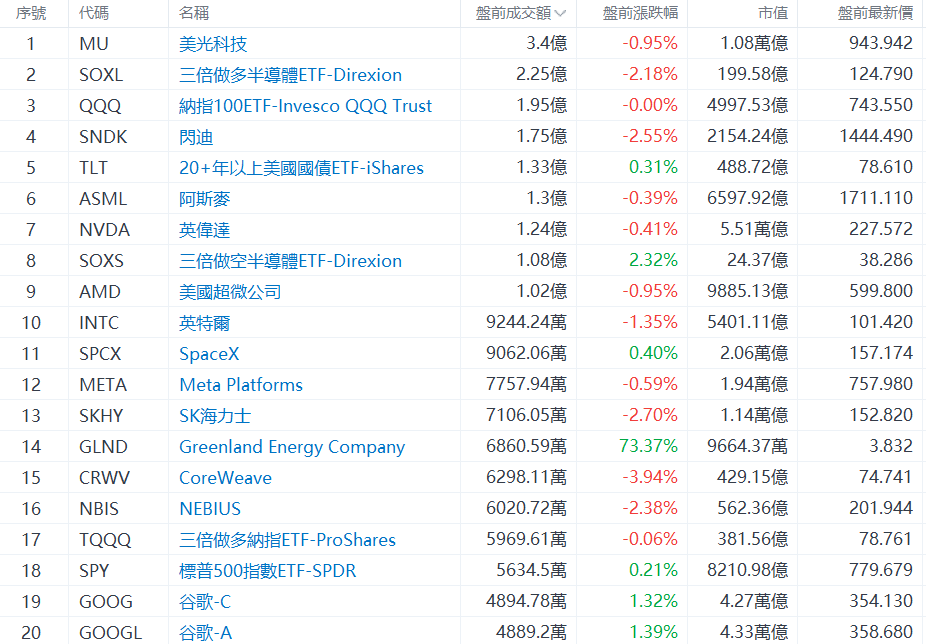
Top 20 Stocks by Pre-Market Trading Volume in the U.S. Market
U.S. Stock Market Macro Calendar Reminder
(The following is in Beijing Time)
20:30 U.S. September Seasonally Adjusted CPI Month-on-Month Rate
20:30 U.S. September Seasonally Adjusted Core CPI Month-on-Month Rate
20:30 U.S. September Unadjusted CPI Year-on-Year Rate
20:30 U.S. September Unadjusted Core CPI Year-on-Year Rate
The following day at dawn
02:00 The Federal Reserve releases the Beige Book on economic conditions.
04:30 U.S. API Crude Oil Stocks for the week ending October 9 (in 10,000 barrels)
 Want to pick stocks or analyze them? Curious about your portfolio's opportunities and risks? For all your investment questions,Just ask Futubull AI!

Edited by melody